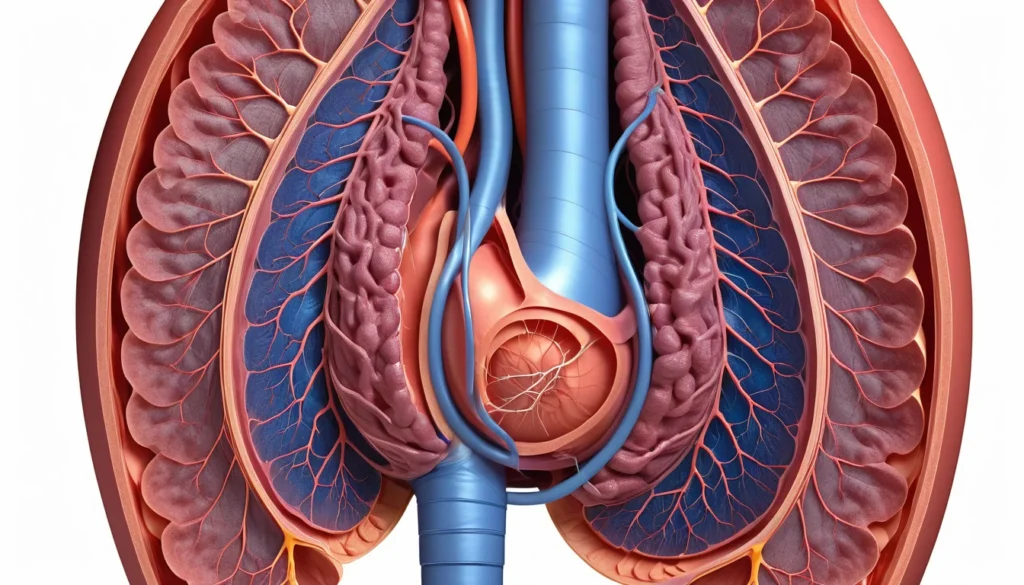
An aortic aneurysm is a serious condition where the body’s largest blood vessel becomes dangerously enlarged. If left untreated, it can rupture and cause life-threatening internal bleeding. Understanding the warning signs and risk factors can help you protect your health and have more informed conversations with your family doctor or healthcare provider.
What Is an Aortic Aneurysm?
The aorta is the main artery that carries oxygen-rich blood from your heart to the rest of your body. An aortic aneurysm occurs when a section of the aorta expands to more than 50% of its normal diameter. This weakens the artery wall, making it vulnerable to rupture.
A ruptured aortic aneurysm is a medical emergency. In fact, it ranks among the top 15 causes of death and affects roughly one in twelve older adults. However, many people live with this condition for years without knowing it.
The Two Main Types
Doctors classify aortic aneurysms based on where they form along the aorta. There are two main types:
Abdominal aortic aneurysm (AAA): This forms in the lower section of the aorta, which runs through the abdomen. It is the most common type.
Thoracic aortic aneurysm (TAA): This forms in the upper section of the aorta, which passes through the chest. It is less common but equally serious.
Both types can develop silently over many years. Therefore, regular check-ups with your family doctor are important, especially if you have known risk factors.
What Causes an Aortic Aneurysm?
Several different factors can weaken the walls of the aorta and lead to an aneurysm. In some cases, no clear cause is ever found. Doctors call this an idiopathic aneurysm.
Common Causes of Abdominal Aortic Aneurysms
Atherosclerosis — the build-up of plaque inside artery walls — is one of the most common contributors. As the aorta hardens and loses flexibility with age, the risk of an aneurysm increases. Other causes include:
Genetic conditions: Disorders like Marfan syndrome or a bicuspid aortic valve can weaken connective tissue in the aortic wall.
Infections: Infections such as syphilis or endocarditis (an infection of the inner lining of the heart) can damage the aorta.
Trauma: A powerful blow to the chest or abdomen — for example, from a car accident — can injure the aorta.
Inflammatory conditions: Inflammation of the aorta can weaken its walls over time, though researchers are still studying the exact mechanisms involved.
Common Causes of Thoracic Aortic Aneurysms
Thoracic aneurysms are rarer than abdominal ones. They often result from a breakdown of elastic fibres in the aortic wall. In addition, conditions like aortic coarctation (a narrowing of the aorta) — sometimes linked to Turner syndrome — can also play a role.
For more background on how cardiovascular conditions develop, visit Health Canada’s cardiovascular health resources.
Risk Factors for an Aortic Aneurysm
Certain people are at higher risk of developing an aortic aneurysm. Knowing your risk factors gives you and your doctor a chance to monitor your health more closely.
Risk Factors You Cannot Change
Age: The risk increases significantly after age 65.
Sex: Men are more likely to develop an aortic aneurysm than women.
Family history: A close relative with an abdominal aortic aneurysm raises your own risk considerably.
Risk Factors You Can Manage
The good news is that several risk factors are within your control. Working with your healthcare provider, you can take steps to reduce your risk:
Smoking: Up to 90% of people diagnosed with an aortic aneurysm are current or former smokers. Quitting is the single most important step you can take.
High blood pressure: Uncontrolled blood pressure puts constant stress on artery walls.
High cholesterol: Elevated cholesterol contributes to atherosclerosis, which weakens the aorta.
Obesity: Excess body weight increases strain on your cardiovascular system.
Diabetes: Poorly managed blood sugar levels can damage blood vessels over time.
If you are unsure about your personal risk level, speak with your family doctor or visit a walk-in clinic for an assessment. Many provincial health plans in Canada cover cardiovascular risk screenings for eligible patients.
Symptoms of an Aortic Aneurysm
One of the most dangerous aspects of an aortic aneurysm is that it often causes no symptoms at all. Many aneurysms are discovered by accident during imaging tests done for other reasons. However, when symptoms do appear, they vary depending on the location of the aneurysm.
Symptoms of an Abdominal Aortic Aneurysm
The most common symptom is a general ache or discomfort in the abdomen. This can come and go, or it may be constant. Other symptoms include:
Deep, steady or throbbing pain in the chest, abdomen, or lower back — this pain may spread to the groin, buttocks, or legs and can last for hours or days
A pulsing sensation in the abdomen, similar to a heartbeat felt from the outside
A cold foot or a blue or black toe — this can happen if a blood clot forms in the aneurysm, breaks off, and blocks blood flow to the leg or foot
Fever or unexplained weight loss, which may point to an inflammatory aneurysm
Interestingly, people under 50 are more likely to notice symptoms than older adults, who may not feel anything at all.
Symptoms of a Thoracic Aortic Aneurysm
Thoracic aneurysms tend to produce the most noticeable symptoms when they form near the aortic arch — the curved top section of the aorta. Symptoms can include:
Deep, continuous or pulsing chest pain (the most common symptom)
Back pain
Cough or shortness of breath, if the aneurysm presses against the lungs
Hoarseness or a raspy voice
Difficulty or pain when swallowing
If the aneurysm ruptures or tears, a person will typically feel a sudden, severe pain and experience a dramatic drop in blood pressure. Signs of shock — such as dizziness, rapid heartbeat, and loss of consciousness — can follow quickly. This is a life-threatening emergency.
You can learn more about how aneurysms behave and progress through the Mayo Clinic’s aortic aneurysm overview.
When to See a Doctor About an Aortic Aneurysm
Knowing when to seek help is critical. An aortic aneurysm can go from stable to life-threatening very quickly. Use the guidance below to decide what to do.
Call 911 Immediately If You Notice:
Sudden, severe pain in your chest, abdomen, or back
A sharp, dramatic drop in blood pressure
Signs of shock, including pale or clammy skin, rapid breathing, or loss of consciousness
If someone loses consciousness, call 911 right away and begin CPR if you are trained to do so. Do not drive yourself to the hospital.
See a Doctor Urgently (Same Day) If You Have:
A pulsing lump or mass in your abdomen
Sudden weakness in one or both legs
New chest pain that has no obvious cause
A cold foot or a blue or black toe with no clear explanation
For urgent but non-emergency concerns, a walk-in clinic can assess you and refer you for further testing if needed. Most provincial health plans cover these visits.
Book a Routine Appointment If You Experience:
Unexplained fever or gradual weight loss
A deep, nagging pain in your chest, abdomen, or lower back that comes and goes over several days
Any other symptoms that concern you, even if mild
Your family doctor can order an ultrasound or CT scan to check the size and condition of your aorta. Early detection makes a significant difference in treatment outcomes. As always, please speak with a qualified healthcare provider before drawing any conclusions about your own health.
For additional guidance on cardiovascular warning signs, the Healthline guide to aortic aneurysm symptoms offers a helpful overview.
Frequently Asked Questions About Aortic Aneurysms
What is an aortic aneurysm and how dangerous is it?
An aortic aneurysm is an abnormal bulge in the wall of the aorta, the body’s main artery. It is dangerous because the weakened wall can rupture, causing severe internal bleeding that can be fatal within minutes. However, many aneurysms grow slowly and can be managed safely when caught early.
Can an aortic aneurysm go away on its own?
No, an aortic aneurysm does not go away on its own. Once the aortic wall is weakened and enlarged, it typically stays that way or grows larger over time. Treatment options range from careful monitoring to medication and surgery, depending on the size and rate of growth.
What are the early warning signs of an aortic aneurysm?
Many people with an aortic aneurysm have no symptoms at all, especially in the early stages. When symptoms do appear, they can include a deep, throbbing pain in the abdomen or chest, a pulsing sensation in the belly, or unexplained back pain. If you notice any of these signs, see your doctor promptly.
Who is most at risk for an aortic aneurysm in Canada?
Older men who smoke are at the highest risk of developing an aortic aneurysm. Other key risk factors include high blood pressure, high cholesterol, obesity, and a family history of the condition. Canadian health guidelines recommend that high-risk individuals discuss screening options with their family doctor.
Is an aortic aneurysm the same as a heart attack or stroke?
No, an aortic aneurysm is a different condition from a heart attack or stroke, though they share some risk factors such as high blood pressure and atherosclerosis. A heart attack involves a blocked artery in the heart, while a stroke involves the brain. An aortic aneurysm involves a bulge in the aorta itself, which can rupture if left untreated.
Can an aortic aneurysm be prevented?
While you cannot control all risk factors, you can significantly lower your risk by quitting smoking, managing blood pressure and cholesterol, maintaining a healthy weight, and staying active. Regular check-ups with your family doctor are one of the best ways to catch an aortic aneurysm early, before it becomes a crisis.
Key Takeaways
An aortic aneurysm is an abnormal enlargement of the aorta that can rupture and become life-threatening.
There are two main types: abdominal (most common) and thoracic.
Major risk factors include smoking, high blood pressure, older age, male sex, and family history — several of which you can actively manage.
Many people have no symptoms, making regular check-ups with your family doctor essential.
Sudden, severe chest or abdominal pain with a drop in blood pressure is a 911 emergency — do not wait.
Most provincial health plans in Canada cover diagnostic imaging that can detect an aneurysm before it ruptures.
Always speak with your doctor or a qualified healthcare provider about your personal risk and the best next steps for your health.