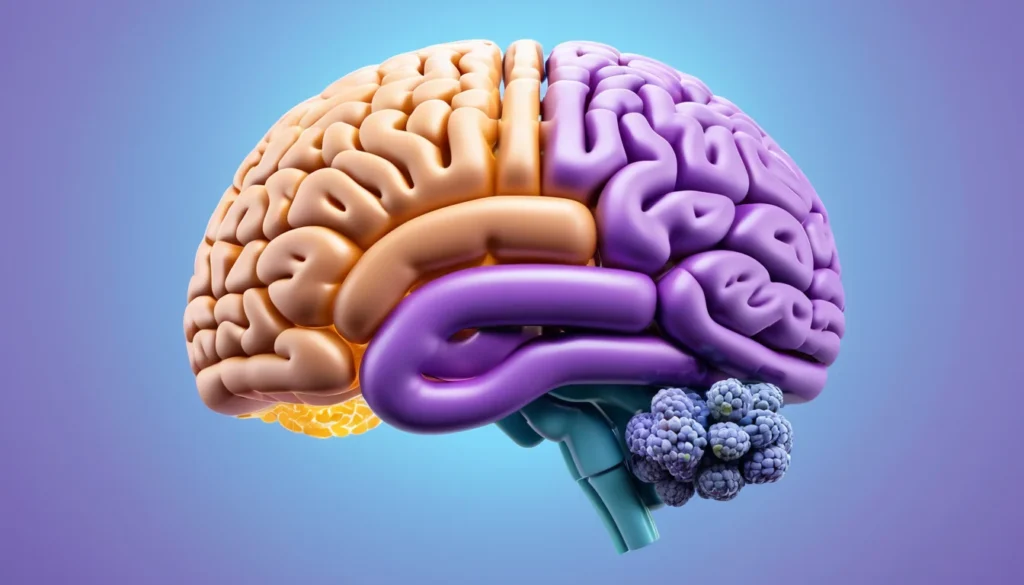
The link between anxiety and food is far stronger than most people realize, and what you put on your plate every day can either calm your nervous system or fuel ongoing worry. For millions of Canadians living with anxious feelings, understanding this connection is a powerful first step toward feeling better.
How Anxiety and Food Are Connected in Your Daily Diet
Research increasingly shows that diet and mental health are deeply intertwined. Certain foods can trigger anxiety symptoms — like jitteriness, racing thoughts, and poor sleep — while others contain nutrients that support a calmer mind. In this guide, we break down which foods that cause anxiety you should limit, which ones may help ease it, and practical changes you can start making at your very next meal.
What Is Anxiety?
How Anxiety and Food Choices Interact: Key Dietary Factors and Their Effects
| Dietary Factor | Impact on Anxiety | How It Affects the Body | Canadian-Friendly Alternatives |
|---|---|---|---|
| Caffeine (coffee, energy drinks) | Increases anxiety symptoms | Stimulates the nervous system, raises cortisol and adrenaline levels, disrupts sleep | Herbal teas (chamomile, peppermint), decaf coffee, warm water with lemon |
| Ultra-processed foods (fast food, packaged snacks) | Worsens anxiety over time | Disrupts gut microbiome, promotes inflammation linked to mood disorders | Whole grains, fresh fruits and vegetables, home-cooked meals |
| Omega-3 fatty acids (fatty fish, flaxseed) | Reduces anxiety symptoms | Supports brain function, lowers neuroinflammation, regulates neurotransmitters | Salmon, mackerel, walnuts, ground flaxseed, Health Canada–approved fish oil supplements |
| High-sugar foods and beverages | Triggers anxiety spikes | Causes rapid blood sugar fluctuations leading to irritability, fatigue, and heightened anxiety | Fresh fruit, plain Greek yogurt, unsweetened oatmeal |
| Magnesium-rich foods (leafy greens, legumes) | Helps lower anxiety levels | Regulates the stress response and supports GABA activity in the brain | Spinach, black beans, pumpkin seeds, almonds, lentils |
| Alcohol | Increases anxiety, especially after consumption | Disrupts sleep, depletes B vitamins, and interferes with serotonin regulation | Sparkling water with fruit, non-alcoholic beverages, mocktails |
Anxiety is more than just feeling nervous before a big meeting or a medical appointment. It is a state of ongoing worry, restlessness, and fear that can affect your daily life. Many Canadians experience anxiety at some point, and for some, it becomes a long-term condition.
Anxiety can arise after a frightening or difficult experience. However, it can also be part of a broader mental health condition, such as an anxiety disorder or post-traumatic stress disorder (PTSD). When a person feels overwhelmed and fearful for no clear reason, an anxiety disorder may be the cause.
According to the World Health Organization (WHO), anxiety disorders are among the most common mental health conditions worldwide. In Canada, millions of people live with some form of anxiety every year.
How Anxiety and Food Are Connected
Anxiety is partly a physical response. When you face a stressful situation, your brain releases adrenaline. This chemical triggers a “fight or flight” response — your heart beats faster, your breathing quickens, and your body goes on high alert.
This response is normal and even helpful in short bursts. However, when anxiety becomes constant, it can seriously affect your quality of life. What many people do not realise is that certain foods and drinks can make this response happen more often and more intensely.
The link between anxiety and food works both ways. Some foods can worsen anxiety symptoms. Others can help your brain stay calm and balanced. Understanding this connection is a simple but powerful step toward better mental health.
Foods That Can Trigger or Worsen Anxiety
Certain foods and drinks are known to increase nervousness, disrupt sleep, raise your heart rate, and trigger anxious feelings. If you struggle with anxiety, consider reducing or avoiding the following.
Caffeine
Caffeine is a stimulant found in coffee, tea, energy drinks, soft drinks, and chocolate. It activates your central nervous system, which can cause nervousness, restlessness, and poor sleep. Research has shown that caffeine can worsen symptoms of panic disorder in people who are sensitive to it.
If you notice that your morning coffee leaves you feeling on edge, try cutting back gradually. Switching to herbal tea or decaf is a good first step.
Refined Carbohydrates and Sugar
Refined carbohydrates — like white bread, pastries, and fast food — are high in simple sugars and low in nutrients. Your brain needs a steady supply of glucose to function well. However, refined carbs cause blood sugar to spike quickly and then crash just as fast.
This rapid drop in blood sugar can dramatically change your mood. It can also make anxiety symptoms much worse. Artificial sweeteners, found in many “diet” products, are also known to trigger anxiety in some people.
Alcohol
Many people reach for a drink to relax or take the edge off. Alcohol does lower anxiety — but only for a short time. Once your body processes the alcohol, anxiety levels often bounce back even higher than before.
Furthermore, using alcohol regularly to manage anxiety can lead to dependence. This creates a harmful cycle that makes both anxiety and alcohol use harder to treat. Health Canada provides helpful resources if you are concerned about alcohol use.
Processed and Packaged Foods
Processed foods — like instant meals, frozen dinners, and snack foods — are packed with preservatives, artificial flavours, and saturated fats. Your body is not designed to break these substances down efficiently. As a result, your system becomes overworked, which can contribute to stress and anxiety.
These foods are also low in the vitamins and minerals your brain needs to regulate mood. Over time, a diet high in processed food can worsen anxious feelings.
Excess Salt
Too much salt in your diet reduces potassium levels in your body. Potassium is essential for a healthy nervous system. In addition, high salt intake raises blood pressure, which increases physical stress and can trigger or worsen anxiety.
Low-Fat Dairy in Excess
Eating large amounts of low-fat dairy products can raise calcium levels in the body. High calcium can lower magnesium levels. When magnesium is low, adrenaline levels can rise — and that means more anxiety.
Certain Spices
Spices like hot chilli powder, saffron, and garlic powder contain compounds called salicylates. In large amounts, salicylates can speed up your metabolism and cause irritability, nervousness, and eventually anxiety. This does not mean you need to avoid all spices — just be mindful of how much you use.
Food Sensitivities
Some people are sensitive to certain foods or food additives. Common culprits include wheat, corn, and dairy products. When a sensitive person eats these foods regularly, they may experience reactions that contribute to anxiety.
One helpful strategy is to keep a food diary. Write down everything you eat and drink for one week, and note any anxiety symptoms that follow. This can help you and your family doctor identify patterns and decide whether any foods should be removed from your diet.
Foods That May Help Reduce Anxiety
The good news is that anxiety and food do not always work against you. Some foods actively support brain health and can help lower anxiety levels over time.
Foods Rich in Healthy Fats
Serotonin is a brain chemical that helps regulate mood, sleep, and feelings of well-being. Eating foods that contain healthy fats can help support serotonin production. Good choices include walnuts, olive oil, and fatty fish like salmon or mackerel.
Omega-3 fatty acids, found in fish and flaxseed, are especially helpful. Studies suggest that omega-3s can reduce inflammation in the brain and lower anxiety symptoms.
Fibre-Rich Foods
A diet high in fibre supports a healthy gut. Research is increasingly showing a strong link between gut health and mental health — sometimes called the “gut-brain connection.” Eating plenty of vegetables, fruits, legumes, and whole grains can support this connection and help stabilise your mood.
Magnesium-Rich Foods
Magnesium plays a key role in calming the nervous system. Foods like leafy greens (spinach, kale), seeds, nuts, and whole grains are excellent sources of magnesium. Including these in your daily diet may help reduce feelings of anxiety and restlessness.
Herbal Teas
Certain herbal teas — such as chamomile, valerian root, and passionflower — have natural calming properties. Swapping an afternoon coffee for a warm cup of chamomile tea is a small but meaningful change. Always check with your doctor before using herbal supplements, especially if you take medications.
Water
Even mild dehydration can affect your mood and increase feelings of anxiety. Drinking enough water throughout the day is one of the simplest ways to support your mental health. Most adults need about six to eight glasses of water per day.
Practical Tips for Managing Anxiety Through Diet
Making changes to your diet does not have to be overwhelming. Small, consistent steps can make a real difference over time. Here are some practical tips to get started:
Reduce caffeine slowly — cut back by one cup per day to avoid withdrawal headaches.
Replace white bread and refined carbs with whole grain options.
Cook more meals at home to avoid hidden preservatives and excess salt.
Add one serving of fatty fish to your weekly meals.
Keep a food diary to spot any personal anxiety triggers.
Drink water regularly throughout the day.
Choose whole fruits over fruit juices or sugary snacks.
Remember, no single food will cure anxiety. However, a balanced and nutritious diet — combined with other healthy habits — can meaningfully support your mental well-being. Healthline offers further guidance on anxiety-reducing foods that may also be helpful.
When to See a Doctor
Diet can play an important supporting role in managing anxiety. However, it is not a replacement for professional medical care. If anxiety is affecting your sleep, your relationships, or your ability to work or study, it is time to reach out for help.
Start by booking an appointment with your family doctor. They can assess your symptoms, rule out any underlying causes, and refer you to a mental health professional if needed. If you do not have a family doctor, a walk-in clinic is a great first step. Mental health services are also covered under most provincial health plans across Canada.
You do not have to manage anxiety alone. Reaching out to a healthcare provider is always the right call.
Frequently Asked Questions
Can the foods I eat really cause anxiety?
Yes, the link between anxiety and food is well supported by research. Certain foods — like caffeine, refined sugars, and alcohol — can trigger or worsen anxiety symptoms. Eating a balanced diet with whole foods may help keep anxiety levels lower.
What foods should I avoid if I have anxiety?
If you struggle with anxiety, try to limit caffeine, alcohol, refined carbohydrates, processed foods, and excess sugar. These can all disrupt blood sugar levels and stimulate your nervous system in ways that worsen anxious feelings. Keeping a food diary can help you identify your personal triggers.
What foods can help reduce anxiety naturally?
Foods rich in healthy fats — such as salmon, walnuts, and olive oil — can support serotonin production and help calm the mind. Magnesium-rich foods like spinach, nuts, and seeds also support a healthy nervous system. Staying well hydrated and eating plenty of fibre are also helpful habits.
Does caffeine make anxiety worse?
Yes, caffeine is a stimulant that can increase heart rate, disrupt sleep, and make anxiety worse — especially in people with panic disorder or generalised anxiety disorder. Reducing or eliminating caffeine is often one of the first dietary changes recommended for people managing anxiety.
Is alcohol bad for anxiety?
While alcohol may feel like it relieves anxiety in the short term, it actually makes anxiety worse once it wears off. Regular use of alcohol to manage anxiety can lead to dependence. It is important to speak with your family doctor if you find yourself relying on alcohol to feel calm.
Can changing my diet replace anxiety medication or therapy?
According to World Health Organization (WHO) data on anxiety disorders, this information is supported by current medical research.
For more information, read our guide on common food allergies in Canada that may also affect how you feel.
No, diet changes alone cannot replace medication or professional therapy for anxiety disorders. However, improving your diet is a valuable part of an overall anxiety management plan. Always speak with your doctor or a registered dietitian before making major dietary changes, especially if you are on medication.
Key Takeaways
Anxiety and food are closely connected — what you eat can either trigger or reduce anxiety symptoms.
Caffeine, alcohol, refined carbohydrates, excess sugar, and processed foods are common anxiety triggers.
Foods rich in healthy fats, fibre, and magnesium can support brain health and reduce anxious feelings.
Keeping a food diary helps you spot personal triggers and make smarter choices.
Dietary changes are a helpful tool, but they work best alongside professional care.
If anxiety is affecting your daily life, speak with your family doctor or visit a walk-in clinic. Help is available through your provincial health plan.
Frequently Asked Questions
What is the connection between anxiety and food?
The connection between anxiety and food involves the gut-brain axis, a communication network linking your digestive system to your brain. Certain foods can trigger or worsen anxiety symptoms, while others help regulate mood. Diets high in sugar, caffeine, and processed foods may increase anxiety, whereas whole foods rich in nutrients can support mental calm.
How does what you eat affect anxiety symptoms?
Food directly influences neurotransmitters like serotonin and dopamine, which regulate mood. Approximately 90% of serotonin is produced in the gut. Blood sugar spikes from refined carbohydrates can mimic anxiety symptoms, while nutrient deficiencies in magnesium, omega-3s, and B vitamins are linked to increased stress responses and worsened anxiety.
Can changing your diet help reduce anxiety in Canada?
Yes, dietary changes can meaningfully reduce anxiety symptoms. Research supports a Mediterranean-style diet rich in vegetables, whole grains, lean proteins, and healthy fats as beneficial for mental health. Reducing caffeine, alcohol, and ultra-processed foods while increasing fermented foods and fibre can improve gut health and lower anxiety levels over time.
What are the best foods to eat to prevent anxiety?
Foods that help prevent anxiety include fatty fish like salmon, leafy greens, blueberries, pumpkin seeds, dark chocolate, yogurt, and whole grains. These provide omega-3 fatty acids, magnesium, antioxidants, and probiotics that support brain function, regulate cortisol levels, and promote healthy gut bacteria linked to improved mood and reduced anxiety.
When should you see a doctor about anxiety and food-related symptoms?
See a doctor if anxiety symptoms — including persistent worry, rapid heartbeat, insomnia, or digestive issues — interfere with daily life despite dietary changes. In Canada, family physicians, registered dietitians, and mental health professionals can provide integrated care. Seek immediate help if you experience panic attacks, disordered eating, or thoughts of self-harm.