Antipsychotic medications are prescription drugs used to treat serious mental health conditions. They are most commonly used for psychosis, schizophrenia, and bipolar disorder. This article explains how these medications work, what to expect from them, and when to speak with a healthcare provider. Whether you are a patient, a caregiver, or simply curious, this guide gives you straightforward, reliable information.
What Are Antipsychotic Medications?
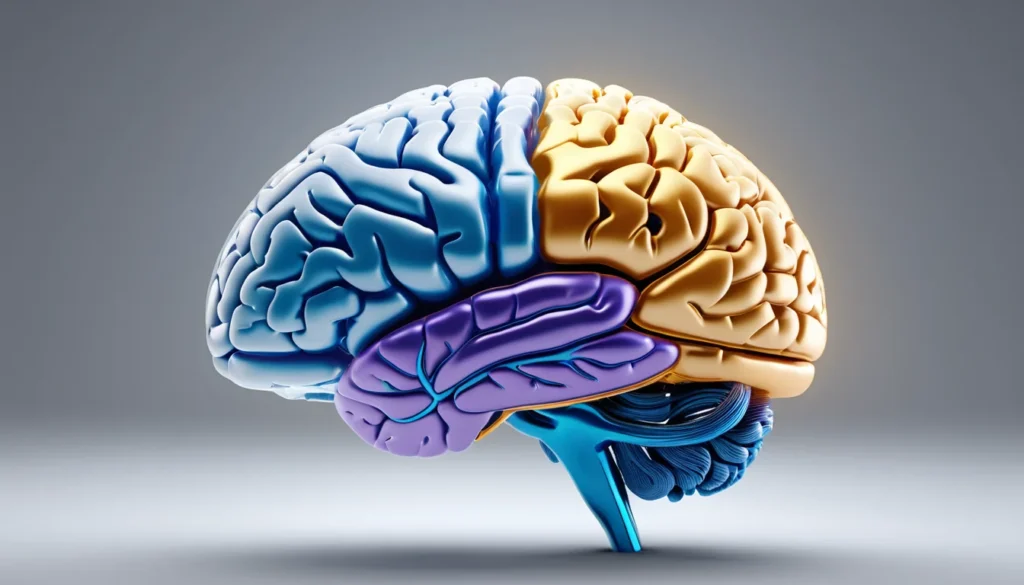
Antipsychotic medications are drugs that help manage symptoms of serious mental illness. Doctors prescribe them most often for conditions like schizophrenia, bipolar disorder, and severe depression with psychotic features. They work by changing the way certain chemicals — called neurotransmitters — behave in the brain.
These medications do not cure mental illness. However, they help reduce or control symptoms so that people can function better in daily life. Many Canadians living with mental health conditions rely on antipsychotics as part of a broader treatment plan.
In Canada, antipsychotic medications are only available by prescription. Your family doctor, psychiatrist, or mental health specialist will decide if they are appropriate for you. Coverage varies by province, but many antipsychotics are listed on provincial drug benefit formularies, such as Ontario’s ODB or BC’s PharmaCare.
Types of Antipsychotic Medications
There are two main groups of antipsychotic medications: first-generation and second-generation. Each group works differently and carries its own set of benefits and risks.
First-Generation (Typical) Antipsychotics
First-generation antipsychotics have been in use since the 1950s. They work mainly by blocking dopamine receptors in the brain. Dopamine is a chemical that plays a key role in mood, motivation, and perception.
Common examples include haloperidol and chlorpromazine. These drugs are effective, but they often cause more movement-related side effects than newer options. For example, some people experience stiffness, tremors, or involuntary muscle movements.
Second-Generation (Atypical) Antipsychotics
Second-generation antipsychotics are newer and are now the most commonly prescribed. They target both dopamine and serotonin receptors. Serotonin is another brain chemical linked to mood and behaviour.
Examples include risperidone, quetiapine, olanzapine, and aripiprazole. These medications tend to have fewer movement-related side effects. However, they can cause weight gain and changes in blood sugar levels, so regular monitoring is important.
Your doctor will choose the right type based on your specific diagnosis, health history, and how your body responds to treatment. According to Mayo Clinic’s guide on atypical antipsychotics, finding the right medication often takes time and patience.
What Conditions Are Antipsychotic Medications Used For?
Antipsychotic medications treat a range of mental health conditions. They are best known for managing psychosis, but their uses go beyond that.
Schizophrenia
Schizophrenia is a serious mental disorder that affects how a person thinks, feels, and behaves. People with schizophrenia may hear voices, see things that are not there, or hold false beliefs. Antipsychotic medications help reduce these symptoms significantly.
Long-term use is usually necessary. Stopping medication without a doctor’s guidance can cause symptoms to return. Therefore, consistent treatment and regular check-ins with a healthcare provider are essential.
Bipolar Disorder
Bipolar disorder causes extreme mood swings, including episodes of mania and depression. During a manic episode, a person may feel unusually energetic, impulsive, or out of touch with reality. Antipsychotics help stabilise these episodes and prevent them from becoming dangerous.
In addition, some antipsychotics are used alongside mood stabilisers like lithium. This combination approach is common in Canadian mental health treatment plans.
Other Uses
Doctors sometimes prescribe antipsychotic medications for other conditions, including severe anxiety, post-traumatic stress disorder (PTSD), and treatment-resistant depression. These are called “off-label” uses. This means the drug is approved in Canada but used for a purpose beyond its original indication.
The Health Canada Drug Products database lists all approved medications and their approved uses in Canada.
How Do Antipsychotic Medications Work?
The brain uses chemicals called neurotransmitters to send signals between nerve cells. In people with psychosis or schizophrenia, these signals can become disrupted or overactive. Antipsychotic medications help restore balance to these brain signals.
Most antipsychotics block dopamine receptors. This reduces the overactivity linked to hallucinations and delusions. Second-generation antipsychotics also affect serotonin, which helps explain their broader range of benefits.
It is important to understand that these medications work gradually. Most people do not notice full effects for several weeks. As a result, it is crucial not to stop taking the medication early, even if you do not feel better right away.
How Long Do They Take to Work?
Some symptoms, like agitation or disturbed sleep, may improve within the first few days. However, the full benefit for symptoms like hallucinations or disordered thinking usually takes four to six weeks. Your doctor will monitor your progress and adjust your dose if needed.
Furthermore, some people need to try more than one medication before finding the one that works best. This is normal and does not mean treatment will not work for you.
Side Effects of Antipsychotic Medications
Like all medications, antipsychotic medications can cause side effects. Not everyone experiences them, and many side effects lessen over time as your body adjusts.
Common Side Effects
Drowsiness or sedation — Many antipsychotics cause tiredness, especially at first.
Weight gain — This is particularly common with second-generation antipsychotics like olanzapine and quetiapine.
Dry mouth — A common but manageable side effect.
Dizziness — Especially when standing up quickly (known as orthostatic hypotension).
Constipation — Increasing water and dietary fibre can help.
Blurred vision — Usually temporary and tends to improve with time.
Movement-Related Side Effects
First-generation antipsychotics in particular can cause movement-related side effects. These include muscle stiffness, tremors, and restlessness. A more serious but less common condition called tardive dyskinesia can develop with long-term use. This causes repetitive, involuntary movements, most often in the face.
If you notice any unusual movements, contact your doctor right away. These effects are manageable when caught early.
Metabolic Side Effects
Second-generation antipsychotics can raise blood sugar and cholesterol levels. Over time, this may increase the risk of type 2 diabetes and heart disease. Therefore, your doctor will likely schedule regular blood tests and weight check-ins throughout your treatment.
For more information on managing these risks, visit Healthline’s overview of antipsychotic side effects.
Important Safety Information
Never stop taking antipsychotic medications without talking to your doctor first. Stopping suddenly can cause withdrawal symptoms and a rapid return of mental health symptoms. This is sometimes called “rebound psychosis.”
Always take the medication exactly as prescribed. Do not change your dose on your own, even if you feel better. Feeling better is often a sign the medication is working.
Drug Interactions
Antipsychotic medications can interact with other drugs, including alcohol, sedatives, and some antihistamines. Always tell your doctor and pharmacist about every medication and supplement you take. This includes vitamins and herbal products.
Use During Pregnancy and Breastfeeding
The decision to use antipsychotic medications during pregnancy is complex. Untreated mental illness also carries risks for mother and baby. Your doctor will carefully weigh the benefits and risks with you. Do not stop medication without medical guidance if you become pregnant.
When to See a Doctor
You should speak with a healthcare provider if you or someone you care for is showing signs of psychosis, schizophrenia, or severe mood swings. Early treatment leads to better outcomes.
In Canada, you have several options for accessing care. Start with your family doctor, who can assess your symptoms and refer you to a psychiatrist if needed. If you do not have a family doctor, a walk-in clinic is a good first step. Most provinces also have mental health crisis lines available 24 hours a day.
If someone is in immediate danger to themselves or others, call 911 or go to the nearest emergency room. Mental health emergencies are real medical emergencies.
Always consult your doctor or a qualified healthcare professional before starting, stopping, or changing any medication. This article is for informational purposes only and does not replace professional medical advice.
Frequently Asked Questions
What are antipsychotic medications used for?
Antipsychotic medications are primarily used to treat psychosis, schizophrenia, and bipolar disorder. They help reduce symptoms like hallucinations, delusions, and severe mood episodes. In some cases, doctors also prescribe them for depression, anxiety, or PTSD.
How long does it take for antipsychotic medications to work?
Most antipsychotic medications take four to six weeks to show their full effect. Some symptoms like agitation may improve sooner, within the first few days. It is important to keep taking the medication as prescribed, even if results feel slow.
Can you stop taking antipsychotic medications suddenly?
No, you should never stop taking antipsychotic medications without speaking to your doctor first. Stopping suddenly can cause withdrawal symptoms and a rapid return of serious mental health symptoms. Your doctor can help you taper off safely if needed.
What are the most common side effects of antipsychotic medications?
Common side effects of antipsychotic medications include drowsiness, weight gain, dry mouth, dizziness, and constipation. Second-generation antipsychotics may also affect blood sugar and cholesterol levels. Most side effects can be managed with your doctor’s help.
Are antipsychotic medications covered by provincial health plans in Canada?
Many antipsychotic medications are listed on provincial drug benefit programmes across Canada, such as Ontario’s ODB plan or BC’s PharmaCare. Coverage depends on your province and your specific medication. Talk to your pharmacist or family doctor to find out what is covered in your area.
What is the difference between first- and second-generation antipsychotic medications?
First-generation antipsychotic medications, like haloperidol, mainly block dopamine and are more likely to cause movement-related side effects. Second-generation antipsychotics, like quetiapine or risperidone, also affect serotonin and generally have a broader effect with fewer movement side effects. However, second-generation options more commonly cause weight gain and metabolic changes.
Key Takeaways
Antipsychotic medications treat serious mental health conditions like schizophrenia, bipolar disorder, and psychosis.
There are two main types: first-generation (typical) and second-generation (atypical). Each has different benefits and risks.
These medications work by balancing brain chemicals, primarily dopamine and serotonin.
It can take four to six weeks to feel the full benefit. Do not stop taking them without medical guidance.
Common side effects include drowsiness, weight gain, and dizziness. More serious side effects should be reported to your doctor.
In Canada, coverage through provincial drug plans may be available. Ask your pharmacist or family doctor for details.
If you have concerns about mental health symptoms, speak with your family doctor, visit a walk-in clinic, or contact a provincial mental health crisis line.
Always consult a qualified healthcare professional before making any changes to your medication.