Anticancer drugs are medications used to treat cancer by destroying cancer cells or stopping them from multiplying. They are a key part of chemotherapy treatment for many types of cancer. This article explains how these drugs work, what types exist, and what Canadians can expect when undergoing cancer treatment. As always, speak with your family doctor or oncologist for advice specific to your situation.
What Are Anticancer Drugs?
Anticancer drugs are medicines designed to target and destroy cancer cells in the body. They work by interfering with the way cancer cells grow and divide. The goal is to kill as many cancer cells as possible while protecting healthy cells.
These medications go by several names. You may hear terms like antineoplastic drugs, cytostatic agents, or antimitotic drugs. All of these refer to the same broad category of cancer-fighting medicines. Your healthcare team may use any of these terms when discussing your treatment plan.
Cancer treatment in Canada is generally covered under provincial and territorial health plans. However, coverage for specific drugs can vary. It is important to ask your provincial health authority or cancer centre about what is included in your plan.
How Do Anticancer Drugs Work?
Different anticancer drugs work in different ways. Most of them target the life cycle of a cancer cell. They either kill the cell directly or prevent it from making copies of itself.
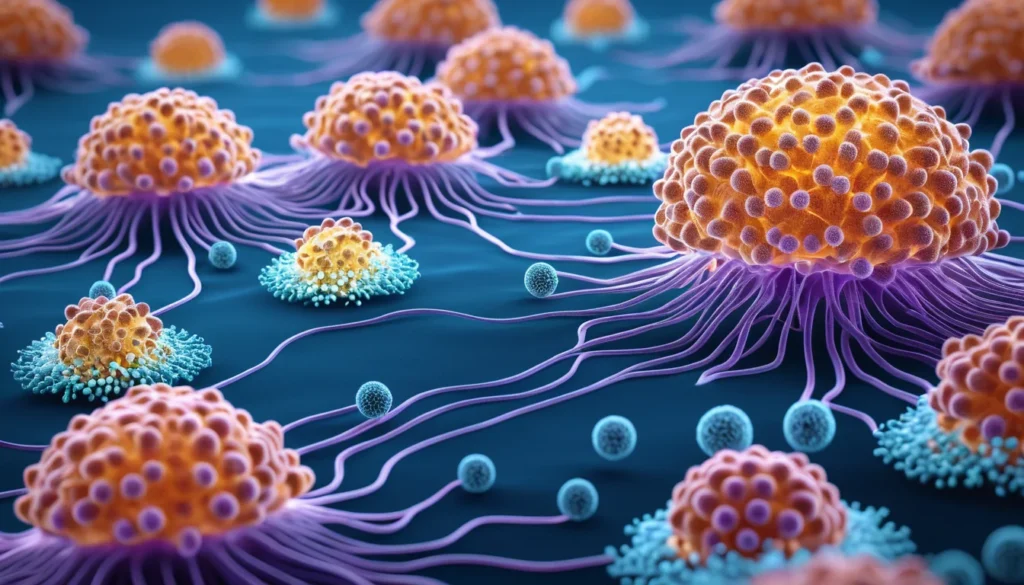
Cancer cells grow and divide much faster than normal cells. Anticancer drugs take advantage of this. They are designed to disrupt rapid cell division, which is a key feature of cancer growth.
However, some healthy cells also divide quickly. These include cells in your hair follicles, digestive tract, and bone marrow. This is why cancer treatment can sometimes cause side effects like hair loss, nausea, or fatigue. Your medical team will monitor you carefully throughout treatment.
Targeting Specific Cancer Types
Each type of cancer responds differently to anticancer drugs. Some cancers are very sensitive to certain medications. Others may resist those same drugs entirely. This is why treatment plans are carefully matched to each patient and each cancer type.
For example, breast cancer, lung cancer, and leukemia all require different drug combinations. Doctors rely on lab tests and tumour analysis to choose the most effective approach. This personalised strategy helps improve outcomes and reduce unnecessary side effects.
Research in this area is ongoing. Health Canada regularly reviews and approves new cancer medications as evidence grows. This means more treatment options are becoming available to Canadians every year.
Types of Anticancer Drugs
There are several major categories of anticancer drugs. Each works in a slightly different way. Understanding the differences can help you have more informed conversations with your healthcare team.
Alkylating Agents
Alkylating agents damage the DNA inside cancer cells. When DNA is damaged, the cell cannot replicate properly and eventually dies. These drugs are used to treat many types of cancer, including lymphoma and leukemia.
They are among the oldest and most widely used anticancer drugs. However, they can also affect healthy cells with rapidly dividing DNA. Therefore, your doctor will carefully balance the dose to maximise benefit and minimise harm.
Antimetabolites
Antimetabolites interfere with the building blocks that cells need to grow and divide. They mimic natural substances in the body. Cancer cells absorb them and then cannot complete the normal process of cell division.
These drugs are often used in combination with other anticancer drugs. In addition, they are commonly used to treat cancers of the breast, colon, and blood. Examples include methotrexate and fluorouracil.
Plant-Based Alkaloids
Some anticancer drugs come from natural plant sources. Vinca alkaloids, for example, are derived from the periwinkle plant. They block the ability of cancer cells to divide by disrupting the cell’s internal structure.
Taxanes are another group of plant-based drugs. They are commonly used to treat breast, ovarian, and lung cancers. These medications have become a cornerstone of modern oncology.
Targeted Therapy Drugs
Targeted therapy is a newer category of anticancer drugs. These medications are designed to attack specific molecules involved in cancer growth. As a result, they tend to cause fewer side effects than traditional chemotherapy.
Targeted therapies work best when a tumour has a specific genetic marker. Your oncologist may order genetic testing of your tumour before recommending this type of treatment. Mayo Clinic provides a detailed overview of chemotherapy and targeted cancer treatments that may be helpful to review.
Why Doctors Often Combine Anticancer Drugs
Using more than one anticancer drug at a time is very common. This approach is called combination chemotherapy. It is one of the most effective strategies in cancer treatment today.
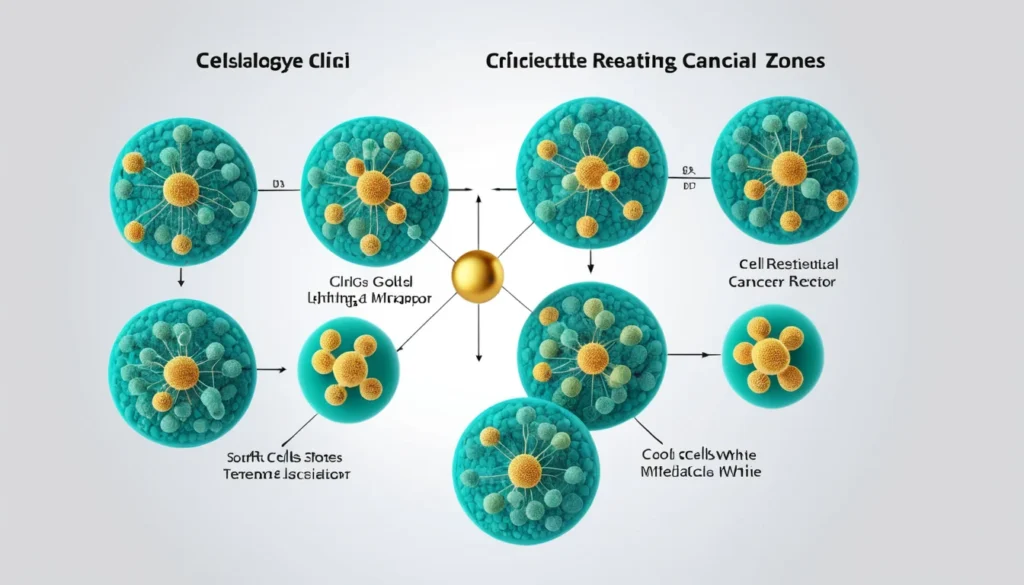
Combining drugs allows doctors to attack cancer cells in multiple ways at once. For example, one drug might block cell division while another damages the cancer cell’s DNA. This dual attack makes it harder for cancer cells to survive or develop resistance.
Furthermore, combining drugs can allow doctors to use lower doses of each individual medication. Lower doses often mean fewer side effects for the patient. This balance between effectiveness and tolerability is a central goal of modern oncology.
Your oncologist will design a combination regimen based on your specific cancer type, stage, and overall health. They will also consider your other medications and any existing health conditions. Always share your full medical history with your cancer care team.
Drug Resistance in Cancer Treatment
Sometimes, cancer cells become resistant to a drug over time. This means the medication stops working as well as it once did. Drug resistance is one of the biggest challenges in cancer treatment today.
When resistance occurs, your oncologist may switch to a different drug or combination. In addition, newer anticancer drugs are being developed specifically to overcome resistance. Research in this area is very active both in Canada and around the world.
Side Effects of Anticancer Drugs
Anticancer drugs can cause a range of side effects. These vary depending on the type of drug, the dose, and the individual patient. Not everyone experiences the same effects.
Common side effects include:
Nausea and vomiting
Fatigue and weakness
Hair loss
Increased risk of infection due to low white blood cell count
Mouth sores
Loss of appetite
Anaemia (low red blood cell count)
Most side effects are temporary and improve after treatment ends. However, some people experience longer-term effects. Your healthcare team will give you tools and strategies to manage side effects throughout your treatment.
Managing Side Effects in Canada
Canadian cancer centres offer strong support programmes for patients managing treatment side effects. These include nutrition counselling, pain management, and mental health support. Ask your oncologist or nurse navigator what services are available to you.
Many provinces also offer home care support for cancer patients. This can include nursing visits, medication management, and personal care assistance. Check with your provincial health authority to learn what is available in your area.
The World Health Organization’s cancer fact sheet also provides helpful context on managing cancer treatment globally.
Anticancer Drugs and the Canadian Healthcare System
In Canada, cancer treatment is primarily delivered through regional cancer centres and hospitals. Most services are covered under provincial and territorial health insurance plans. However, some newer or experimental drugs may require special approval or private coverage.
If you are prescribed an anticancer drug that is not covered by your provincial plan, ask your oncologist about compassionate access programmes or drug manufacturer assistance programmes. These programmes can sometimes provide medications at reduced or no cost.
Your family doctor plays an important role in cancer care even after you are referred to an oncologist. They can help coordinate your care, manage other health conditions, and provide ongoing support. Regular communication between your family doctor and specialist team is essential.
Access to New Anticancer Treatments
Health Canada reviews and approves new cancer drugs through a rigorous process. Once approved, drugs may be reviewed by provincial drug plans for coverage. This process can sometimes take time, which can be frustrating for patients.
Advocacy organisations such as Cancer Care Ontario and BC Cancer work to improve access to new treatments. If you have concerns about access to a specific anticancer drug, your oncologist can help you navigate the system. You can also contact your provincial health authority directly.
When to See a Doctor
If you have been diagnosed with cancer, your specialist will lead your anticancer drug treatment plan. However, there are many reasons to also stay in close contact with your family doctor during this time.
See your family doctor or visit a walk-in clinic if you experience:
A fever above 38°C during chemotherapy (this can signal a serious infection)
Severe nausea or vomiting that prevents you from eating or drinking
Unusual bleeding or bruising
Extreme fatigue that limits daily activity
New or worsening pain
Signs of allergic reaction such as rash, swelling, or difficulty breathing
Do not wait for your next scheduled appointment if something feels wrong. Walk-in clinics across Canada can assess urgent concerns when your family doctor is not available. Your health and safety during cancer treatment are the top priority.
Always tell every healthcare provider you see — including your pharmacist — that you are taking anticancer drugs. These medications can interact with other drugs, supplements, and even some foods. Your pharmacist is a valuable member of your care team.
Frequently Asked Questions About Anticancer Drugs
What is the difference between anticancer drugs and chemotherapy?
Chemotherapy is the broader treatment approach that uses anticancer drugs to destroy cancer cells. In other words, anticancer drugs are the medications used during chemotherapy. The two terms are closely related and are often used interchangeably in everyday conversation.
Are anticancer drugs covered by provincial health plans in Canada?
Many anticancer drugs are covered under provincial and territorial health insurance plans in Canada. However, coverage varies by province and by the specific drug prescribed. Ask your oncologist or pharmacist to help you navigate your provincial drug plan and any available assistance programmes.
How long does a course of anticancer drug treatment last?
The length of anticancer drug treatment depends on the type and stage of cancer, as well as how well the patient responds. Some courses last a few weeks, while others may continue for several months or longer. Your oncologist will outline a personalised treatment schedule based on your specific diagnosis.
Can anticancer drugs be taken at home or do they require hospital visits?
Some anticancer drugs are given intravenously at a hospital or cancer centre, while others come in pill or capsule form that can be taken at home. The delivery method depends entirely on the specific medication and treatment plan. Your care team will explain exactly how and where your treatment will be administered.
Do anticancer drugs always cause hair loss?
Not all anticancer drugs cause hair loss. Hair loss is more common with certain types of chemotherapy that target rapidly dividing cells, including hair follicle cells. Your oncologist can tell you whether the specific drugs in your treatment plan are likely to cause this side effect.
What should I avoid while taking anticancer drugs?
While taking anticancer drugs, it is important to avoid alcohol, certain supplements, and any medications not approved by your healthcare team. Some foods, such as grapefruit, can also interfere with how these drugs work. Always consult your oncologist and pharmacist before starting anything new during treatment.
Key Takeaways
Anticancer drugs are medications used in chemotherapy to destroy cancer cells or stop them from multiplying.
They are also known as antineoplastic drugs, cytostatic agents, or antimitotic drugs.
Different cancers respond to different drugs, so treatment plans are highly personalised.
Doctors often combine anticancer drugs to improve effectiveness and reduce resistance.
Common side effects include fatigue, nausea, hair loss, and increased infection risk — most are temporary.
In Canada, many anticancer drugs are covered by provincial health plans, but coverage varies.
Your family doctor, oncologist, and pharmacist all play important roles in your cancer care team.
Always consult your doctor before making any changes to your treatment or adding new medications or supplements.