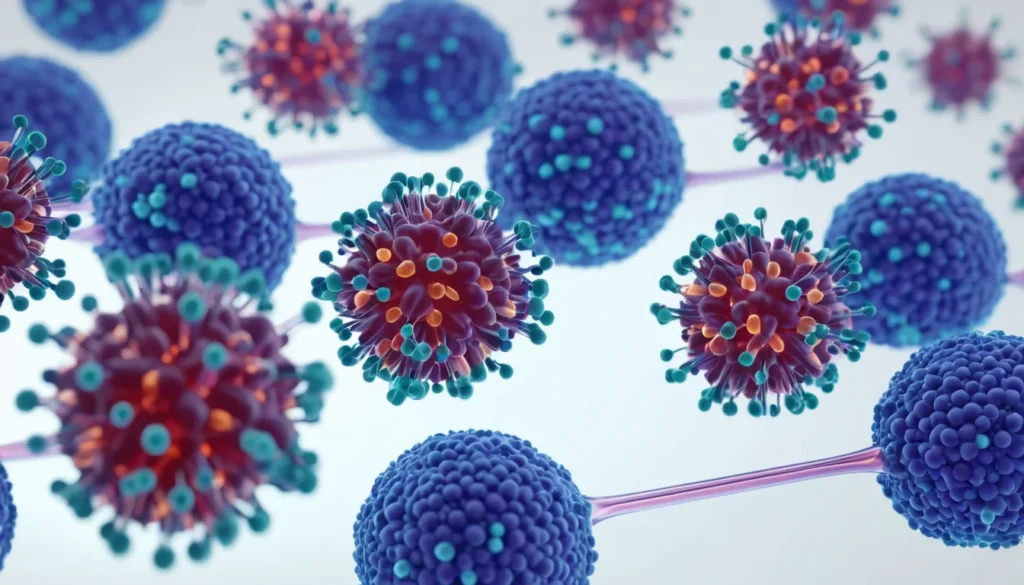
Your body has a remarkable defence system, and antibodies are one of its most powerful tools. These tiny proteins patrol your blood and tissues, recognizing and neutralizing harmful invaders like bacteria, viruses, and parasites. Understanding how antibodies work can help you make sense of everything from seasonal allergies to how vaccines keep you protected.
What Are Antibodies?
Antibodies are proteins found in your blood. Your immune system produces them in response to foreign substances called antigens. Antigens can be bacteria, viruses, toxins, or any substance your body does not recognize as its own.
Antibodies are made by specialized white blood cells called plasma cells. Plasma cells develop from B lymphocytes, a type of immune cell that plays a key role in your body’s defence. When an antigen enters your body, B lymphocytes detect it and begin producing antibodies specifically designed to target that threat.
You may also hear antibodies called immunoglobulins or gamma globulins. These terms all refer to the same proteins. Health Canada recognizes immunoglobulins as essential components of a healthy immune response.
The Five Types of Antibodies and What They Do
Not all antibodies are the same. Scientists have identified five main types, each with a specific role in keeping you healthy. Understanding these types helps explain why your immune system responds differently to different threats.
IgA: Protecting Your Mucous Membranes
IgA antibodies are found in areas where your body meets the outside world. These include your respiratory tract, digestive system, and saliva. IgA plays an important role in fighting bacteria before they can enter your bloodstream. For example, IgA in your airways helps stop respiratory infections from taking hold.
IgD: Helping Immune Cells Mature
IgD antibodies are less well understood than other types. However, researchers believe they play a role in the maturation and activation of B lymphocytes. In other words, IgD helps your immune system develop and stay ready to respond to new threats.
IgE: Allergies and Parasite Defence
IgE antibodies have two main jobs. First, they help your body fight parasitic infections. Second, they play a central role in allergic reactions. When you encounter an allergen — such as pollen, pet dander, or certain foods — IgE antibodies trigger the release of histamine. Histamine is the chemical responsible for common allergy symptoms like sneezing, itching, and a runny nose.
If you suffer from seasonal allergies or food allergies, IgE antibodies are directly involved in your symptoms. Therefore, many allergy medications work by blocking histamine’s effects in the body.
IgG: Long-Term Immune Memory
IgG is the most common type of antibody in your blood. Your body produces IgG antibodies during prolonged exposure to an antigen, or during a second encounter with the same antigen. This is known as the memory response. It is the principle behind how vaccines work and how your body builds lasting immunity.
When you receive a vaccine, your immune system produces IgG antibodies against a harmless version of the pathogen. If you encounter the real pathogen later, your body recognizes it immediately and responds quickly. As a result, you either do not get sick at all, or you experience a much milder illness.
IgM: Your First Line of Immune Response
IgM antibodies are the first responders of your immune system. Your body produces them during the very first encounter with a new antigen. IgM antibodies act quickly, but they do not last as long as IgG antibodies. They signal to other parts of the immune system that a new threat has been detected, helping to coordinate a full response.
How Antibodies Actually Neutralize Threats
When an antibody encounters the specific antigen it was made to target, it binds to it. Think of it like a lock and key — each antibody fits one specific antigen. Once bound, the antibody neutralizes the antigen, preventing it from reproducing or causing harm.
However, antibodies do not work alone. After binding to an antigen, they signal other parts of the immune system to finish the job. Two important systems then step in.
The first is the complement system, a group of proteins that work together like an enzyme chain reaction. The complement system helps destroy the antigen directly. The second group involves phagocytic cells — cells that essentially “eat” the threat. These include macrophages, T lymphocytes, neutrophils, and monocytes. These cells attach to the antibody-antigen complex and destroy it completely.
Furthermore, this coordinated response is why a healthy immune system is so effective. According to the Mayo Clinic, the immune system’s ability to remember past invaders is one of the most important features of human health.
Antibodies in Medicine: Immunotherapy and Treatment
Antibodies are not just natural defenders — they are also powerful medicines. Doctors use immunoglobulins derived from human or animal sources to treat and prevent a wide range of conditions. This therapeutic use is known as immunotherapy.
Conditions Treated with Immunoglobulins
Immunoglobulin therapy is used to prevent and treat several serious infectious diseases. These include:
Whooping cough (pertussis)
Hepatitis A and Hepatitis B
Mumps
Rabies
Rubella (German measles)
Tetanus
Chickenpox (varicella)
Shingles (herpes zoster)
In addition, immunoglobulin treatments are used for people with global immune deficiencies — conditions where the immune system cannot produce enough antibodies on its own. They are also used to prevent Rh incompatibility during pregnancy, a situation where a mother’s antibodies can affect her baby’s blood.
How Immunoglobulin Therapy Is Given
Doctors can administer immunoglobulins in three ways: under the skin (subcutaneous), into the muscle (intramuscular), or slowly into a vein (intravenous). Each method has different uses depending on the condition being treated.
This therapy provides quick protection. However, the protection it offers is temporary. Unlike a vaccine, which trains your own immune system to make antibodies, immunoglobulin therapy provides ready-made antibodies from an outside source. As a result, the protection fades over time once those antibodies are used up.
In Canada, immunoglobulin products are regulated by Health Canada and are available through hospitals and specialized clinics. Your provincial health plan may cover these treatments if prescribed by a physician.
Antibodies and Vaccines: How Your Immune Memory Works
Vaccines are one of the greatest public health achievements in history, and antibodies are at the heart of how they work. When you receive a vaccine, your body is exposed to a weakened, inactive, or partial form of a pathogen. Your immune system responds by producing antibodies — primarily IgG — against it.
Your body also creates memory B cells. These cells “remember” the antigen for years, sometimes for life. If you encounter the real pathogen later, your immune system produces antibodies rapidly — often before you even develop symptoms.
In Canada, vaccines are a cornerstone of the public health system. Provincial immunization programmes cover many vaccines at no cost to residents. Staying up to date on your vaccinations is one of the simplest and most effective ways to support your antibody-based immune defences. The World Health Organization confirms that vaccines prevent millions of deaths worldwide each year.
When to See a Doctor
Most of the time, your antibodies do their job quietly in the background. However, there are situations where it is important to speak with a healthcare provider about your immune health.
You should contact your family doctor or visit a walk-in clinic if you experience any of the following:
Frequent or unusually severe infections that do not clear up easily
Persistent fatigue that may suggest an immune problem
Severe or worsening allergic reactions
A diagnosis or family history of immune deficiency disorders
Questions about whether your vaccines are up to date
Concerns about antibody levels during or after pregnancy
Your doctor can order blood tests to measure immunoglobulin levels. These tests can reveal whether your immune system is producing antibodies normally. If you do not have a family doctor, a walk-in clinic can assess your concerns and refer you to a specialist if needed. Most provincial health plans cover these assessments.
Always speak with a qualified healthcare professional before drawing conclusions about your immune health. This article is for general information only and does not replace medical advice.
Frequently Asked Questions About Antibodies
What is the difference between antibodies and antigens?
Antigens are foreign substances — like bacteria or viruses — that enter your body and trigger an immune response. Antibodies are the proteins your immune system produces specifically to target and neutralize those antigens. Think of antigens as the threat and antibodies as the defence.
How long do antibodies stay in your body?
It depends on the type of antibody and how your immune system was exposed to the antigen. IgG antibodies produced after a vaccine or infection can last for years, especially when memory B cells are involved. However, antibodies given as a medical treatment (immunoglobulin therapy) are temporary and typically fade within a few weeks to months.
Can a blood test measure my antibody levels?
Yes. A doctor can order a blood test called an immunoglobulin panel to measure the levels of IgA, IgD, IgE, IgG, and IgM antibodies in your blood. This test can help diagnose immune deficiencies or monitor certain conditions. Talk to your family doctor or a walk-in clinic if you have concerns about your immune function.
Do vaccines work by producing antibodies?
Yes. Vaccines train your immune system to produce antibodies — particularly IgG — against a specific pathogen without you having to get sick first. Your body also stores memory cells so it can respond quickly if you encounter the real pathogen later. This is the foundation of vaccine-acquired immunity.
Why do allergies involve antibodies?
Allergies occur when IgE antibodies mistakenly identify a harmless substance — like pollen or peanuts — as a threat. When these antibodies detect the allergen, they trigger the release of histamine, which causes symptoms like sneezing, itching, and swelling. In this way, antibodies are directly responsible for allergic reactions.
What happens if your body does not produce enough antibodies?
A shortage of antibodies is called an immune deficiency. People with this condition are more vulnerable to frequent and serious infections. In Canada, doctors can treat certain immune deficiencies with immunoglobulin therapy, which provides ready-made antibodies to help the body fight infections. Your provincial health plan may cover this treatment if it is medically necessary.
Key Takeaways
Antibodies are proteins produced by your immune system to fight foreign invaders called antigens.
There are five types of antibodies — IgA, IgD, IgE, IgG, and IgM — each with a specific role in your immune defence.
IgE antibodies are responsible for allergic reactions by triggering histamine release.
IgG antibodies provide long-term immune memory and are the key to how vaccines protect you.
Immunoglobulin therapy uses antibodies as medicine to treat immune deficiencies and prevent certain infectious diseases.
Vaccines work by training your immune system to produce antibodies before you encounter a real threat.
If you have concerns about your immune health, speak with your family doctor or visit a walk-in clinic. Blood tests can measure your antibody levels and guide next steps.