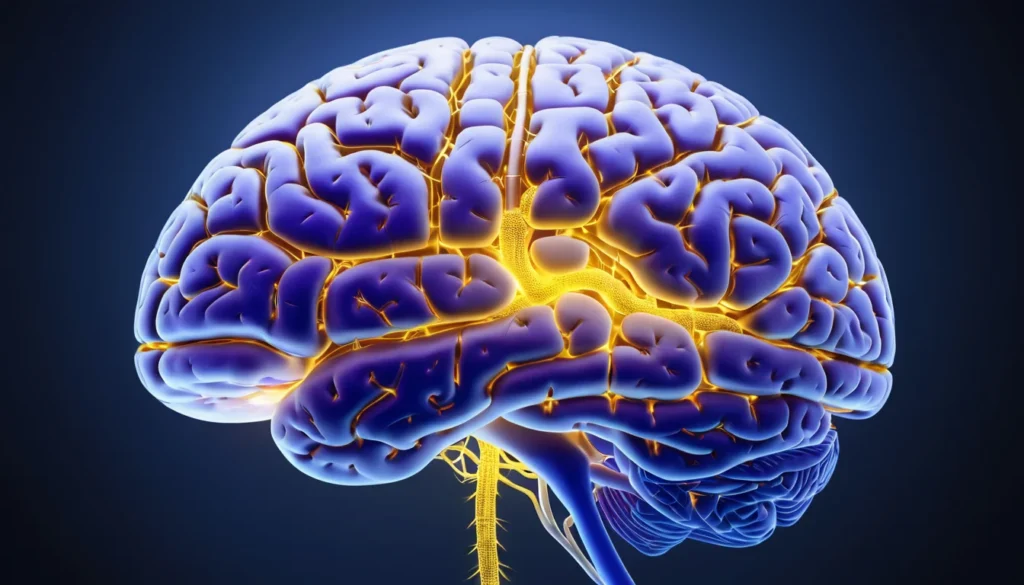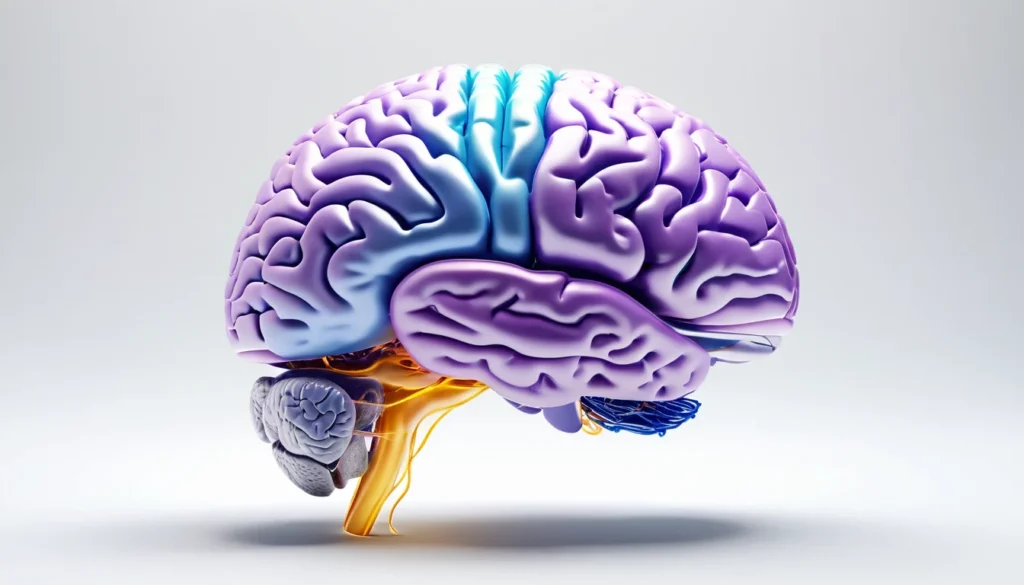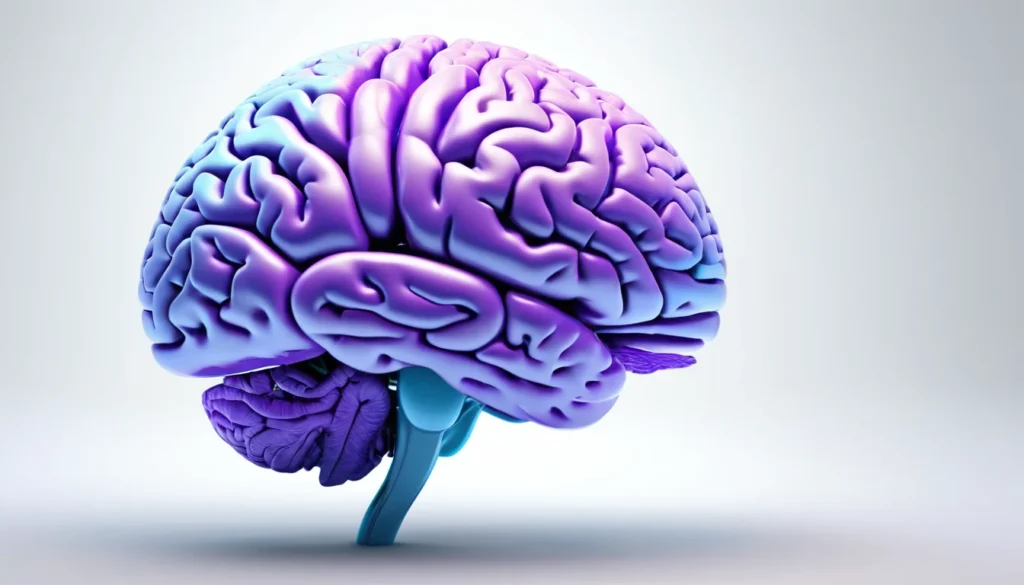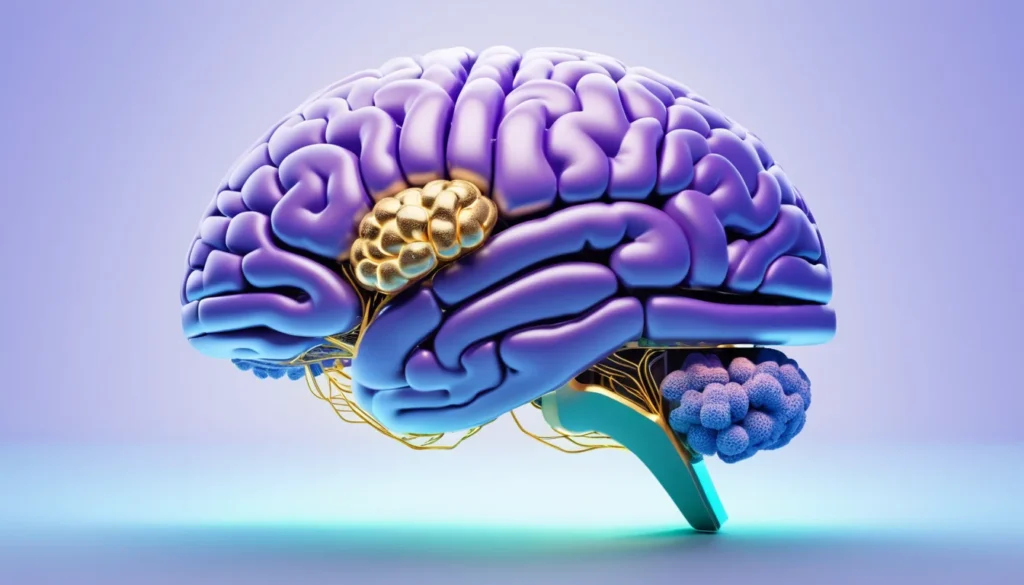
An anti-anxiety diet may be one of the simplest tools you have to manage everyday stress. What you eat directly affects how your brain works and how you feel. While food is not a cure for anxiety, the right choices can help calm your nervous system and improve your mood. This article covers the key foods to eat — and what to avoid — to support your mental wellbeing.
How Your Anti-Anxiety Diet Affects Your Brain
Anxiety is something most of us experience at some point in our lives. Stress is one of the most common triggers. For many Canadians, it shows up as restlessness, poor sleep, or a constant sense of worry.
Your body responds to everything you eat. Certain nutrients influence brain chemistry, including the chemicals that regulate mood and calm. In other words, your plate has more power than you might think.
Chronic anxiety may point to an anxiety disorder. This is a real medical condition that can be treated with therapy, medication, or a combination of both. However, improving your diet is a strong and natural way to support your mental health alongside any treatment plan. According to Health Canada, nutrition plays an important role in overall wellbeing, including mental health.
Tryptophan-Rich Foods: Turkey, Oats, and More
Tryptophan is an amino acid found in many everyday foods. Your brain uses it to produce serotonin — a chemical that helps you feel calm and content. Higher serotonin levels are linked to lower anxiety and better sleep.
Good sources of tryptophan include:
Turkey and chicken
Bananas
Milk and cheese
Oats and oatmeal
Soy products
Nuts and peanut butter
Sesame seeds
It is worth noting that researchers still debate how well tryptophan crosses the blood-brain barrier. Therefore, the calming effect may not be dramatic on its own. However, including these foods regularly as part of an anti-anxiety diet is still a smart and healthy choice.
Protein: Fuel Your Brain and Reduce Anxiety
When your body digests protein, it releases an amino acid called tyrosine. Tyrosine travels through the bloodstream to the brain, where it helps produce dopamine and epinephrine. These brain chemicals boost mental alertness and energy levels.
Feeling mentally sharp helps you manage stress more effectively. In contrast, fatigue and overwork can make anxiety worse. Eating enough protein throughout the day keeps your energy steady and supports a more positive mood.
Best Protein Sources for Anxiety Relief
Look for these protein-rich foods in your weekly meals:
Greek yogurt
Fish and seafood
Chicken and lean meats
Eggs
Cheese and milk
Beans, lentils, and soy
Nuts and seeds
For the best results, combine a source of protein with complex carbohydrates at each meal. This combination supports steady serotonin production and helps keep your blood sugar stable.
B Vitamins and Their Role in Your Anti-Anxiety Diet
Research shows a strong link between B vitamins and mood regulation. In particular, low levels of folate (vitamin B9) and vitamin B12 have been connected to depression and anxiety in some people. Thiamine, also known as vitamin B1, also plays a role in how calm and focused you feel.
You can boost your B vitamin intake through food or a daily supplement. Many Canadians find a simple B-complex supplement helpful, especially during high-stress periods. Always check with your pharmacist or doctor before starting a new supplement.
Foods High in B Vitamins
Add these to your grocery list:
Beef, pork, and chicken
Leafy greens such as spinach and kale
Legumes like chickpeas and black beans
Oranges and other citrus fruits
Brown rice and whole grains
Nuts and eggs
Furthermore, many breakfast cereals sold in Canada are fortified with B vitamins. Check the nutrition label to see how much you are getting per serving.
Complex Carbohydrates and Better Sleep
Constant worry can cause tension, irritability, and insomnia. Complex carbohydrates can help. They trigger the release of insulin, which clears other amino acids from the blood and allows tryptophan to reach the brain more easily. As a result, serotonin levels rise and you feel calmer.
This is why a bowl of oatmeal in the evening can help you wind down before bed. A good night’s sleep is one of the most powerful tools against anxiety.
Healthy Complex Carbohydrate Choices
Choose whole-food sources of carbohydrates whenever possible:
Whole grain bread and pasta
Brown rice and oats
Potatoes and corn
Whole grain cereals
Nuts and seeds
If anxiety makes you feel tense or prevents you from relaxing, try increasing your intake of these foods. However, choose whole grain versions over refined options to get the added benefit of dietary fibre.
Salmon and Omega-3 Fatty Acids
Omega-3 fatty acids are among the most researched nutrients for mental health. Strong evidence suggests that eating more omega-3s can have a positive effect on mood and anxiety. Some studies have even found that omega-3 supplements boost the effectiveness of antidepressant medications.
In addition to supporting your mental health, omega-3 fatty acids help protect your heart. This makes them a doubly valuable part of any anti-anxiety diet. The Mayo Clinic notes that omega-3s may help reduce symptoms of depression and anxiety.
Best Fish Sources of Omega-3
Canada offers excellent access to many omega-3-rich fish. Look for these at your local grocery store or fish market:
Salmon (especially Pacific or Atlantic wild-caught)
Lake trout
Herring
Mackerel
Sardines
Anchovies
Tuna
Try to eat fatty fish at least twice a week. If you do not enjoy fish, a high-quality fish oil supplement is a convenient alternative.
What to Avoid: Caffeine and Alcohol
Just as some foods can reduce anxiety, others can make it worse. Caffeine and alcohol are two of the biggest culprits.
The Problem with Caffeine
Many Canadians rely on coffee, tea, cola, or energy drinks to get through the day. Unfortunately, caffeine lowers serotonin levels in the brain. When serotonin drops, you may feel more irritable or down. Caffeine also acts as a diuretic, meaning it can cause mild dehydration — and even slight dehydration can negatively affect your mood.
Furthermore, caffeine can keep you awake at night. Poor sleep makes anxiety significantly worse. If you notice that caffeine leaves you feeling jittery or on edge, try cutting back gradually and replacing it with herbal tea or water.
The Problem with Alcohol
Some people drink alcohol to take the edge off stress. It may feel helpful in the short term, but alcohol is actually a depressant. Over time, regular drinking lowers your mood and worsens anxiety.
Like caffeine, alcohol is also a diuretic. Staying well hydrated is important for brain health and a stable mood. If you do choose to drink, keep it to a small amount with a meal — for example, a small glass of wine. Drinking heavily is never a helpful solution for managing anxiety.
Daily Habits That Support an Anti-Anxiety Diet
What you eat matters, but so does how you eat. Small, regular meals and healthy snacks throughout the day help keep your blood sugar stable. Stable blood sugar prevents the energy crashes that can trigger or worsen anxiety.
Skipping meals is a common habit for busy Canadians, but it can leave you feeling shaky, irritable, and overwhelmed. Try to eat every three to four hours. Keep easy, nutritious snacks on hand — like a handful of nuts, a piece of fruit, or some Greek yogurt.
Staying hydrated is equally important. Aim for at least eight glasses of water per day. According to Healthline, proper hydration supports brain function and emotional balance.
When to See a Doctor
An anti-anxiety diet is a helpful tool, but it is not a replacement for professional care. If your anxiety is frequent, severe, or interfering with daily life, it is important to speak with a healthcare provider.
Your family doctor is a great first step. They can assess your symptoms, rule out any underlying health conditions, and refer you to a mental health professional if needed. If you do not have a family doctor, a walk-in clinic can provide initial support and guidance. Most provincial health plans in Canada cover visits related to mental health concerns.
Do not wait until things feel unmanageable. Reaching out early makes a real difference in recovery and long-term wellbeing.
Frequently Asked Questions
What is an anti-anxiety diet?
An anti-anxiety diet is a way of eating that focuses on foods known to support brain health and reduce stress. It includes nutrients like tryptophan, omega-3 fatty acids, B vitamins, and complex carbohydrates. It also means limiting caffeine and alcohol, which can make anxiety worse.
Which foods are best for reducing anxiety?
Some of the best foods for anxiety relief include salmon, turkey, Greek yogurt, oats, leafy greens, and nuts. These foods provide key nutrients that support serotonin and dopamine production in the brain. Including them regularly in your meals is a simple and natural way to support your mental health.
Can what I eat really affect my anxiety?
Yes — research shows that diet has a real impact on brain chemistry and mood. Certain nutrients directly influence the production of calming brain chemicals like serotonin and dopamine. While food alone cannot treat an anxiety disorder, following an anti-anxiety diet can meaningfully reduce day-to-day stress and improve your overall sense of calm.
Does caffeine make anxiety worse?
For many people, caffeine does make anxiety worse. It lowers serotonin levels, acts as a diuretic, and can disrupt sleep — all of which can increase feelings of stress and tension. If you are sensitive to caffeine, try switching to herbal tea or decaffeinated options and see if your anxiety improves.
Are omega-3 supplements helpful for anxiety?
Omega-3 supplements may help reduce anxiety symptoms, particularly when used alongside other treatments. Some studies suggest they can even enhance the effectiveness of antidepressant medications. Talk to your family doctor or pharmacist before starting omega-3 supplements to make sure they are right for you.
How long does it take to see results from an anti-anxiety diet?
Results vary from person to person, but many people notice improvements in mood and energy within a few weeks of making consistent dietary changes. An anti-anxiety diet works best as a long-term lifestyle habit rather than a short-term fix. Pairing it with regular exercise, good sleep, and stress management will give you the best results.
Key Takeaways
An anti-anxiety diet focuses on nutrients that support brain chemistry and reduce stress.
Eat foods rich in tryptophan, B vitamins, protein, and omega-3 fatty acids to help calm your nervous system.
Complex carbohydrates help boost serotonin and support better sleep, which reduces anxiety.
Limit caffeine and alcohol — both can lower serotonin, disrupt sleep, and worsen anxiety over time.
Eat small, regular meals throughout the day to keep your blood sugar and mood stable.
Stay well hydrated — even mild dehydration can negatively affect your mood and mental clarity.
If anxiety is affecting your daily life, speak with your family doctor or visit a walk-in clinic. Most provincial health plans cover these visits.
Diet is a powerful support tool, but it works best alongside professional care when needed.