The anterior pituitary gland is one of the most important structures in your entire body. It is a small, pea-sized gland at the base of your brain, and it controls a wide range of hormones that affect growth, metabolism, reproduction, and stress response. Understanding how it works can help you recognize when something may be wrong — and when it is time to talk to your family doctor.
What Is the Anterior Pituitary Gland?
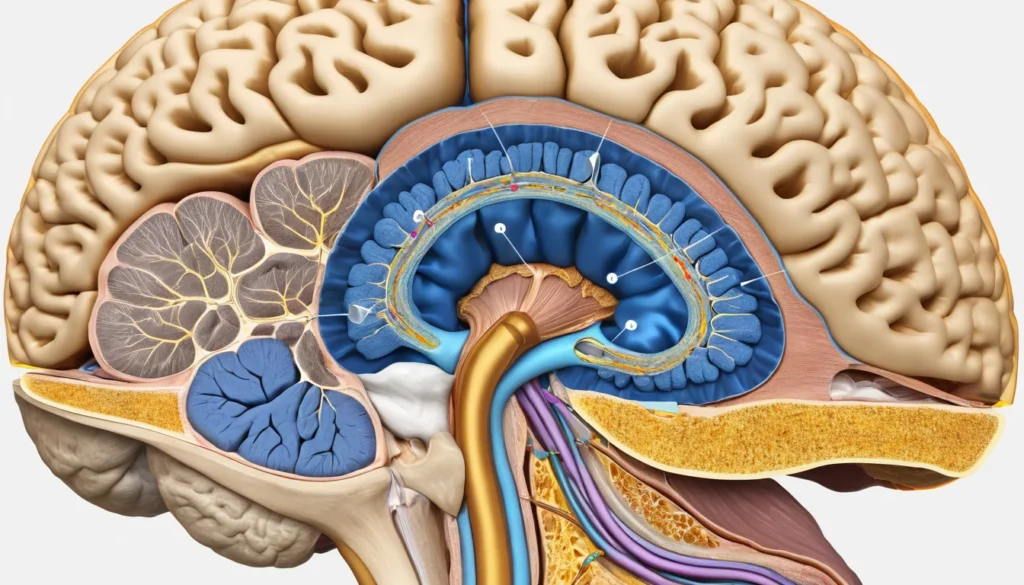
The pituitary gland sits in a small bony hollow at the base of the skull, just below the brain. It has two main parts: the anterior (front) lobe and the posterior (back) lobe. The anterior pituitary gland makes up about 80% of the total pituitary gland by size.
The anterior lobe is made up of specialized cells that produce and release hormones directly into the bloodstream. These hormones then travel to other glands and organs, telling them what to do. Think of the anterior pituitary as the “command centre” of your hormonal system.
The hypothalamus, a region just above the pituitary, controls the anterior pituitary. It sends chemical signals that either trigger or stop hormone release. This back-and-forth communication keeps your body in balance.
Hormones Produced by the Anterior Pituitary Gland
The anterior pituitary gland produces six major hormones. Each one plays a specific and vital role in keeping your body healthy. Here is a closer look at each of them.
Growth Hormone (GH)
Growth hormone stimulates growth in children and teenagers. In adults, it helps maintain muscle mass, bone density, and a healthy metabolism. Too much or too little growth hormone can cause significant health problems at any age.
Thyroid-Stimulating Hormone (TSH)
TSH tells the thyroid gland in your neck to produce thyroid hormones. These hormones control how quickly your body uses energy. An underactive or overactive thyroid is often linked to a problem with TSH levels.
Adrenocorticotropic Hormone (ACTH)
ACTH signals the adrenal glands, which sit on top of your kidneys, to release cortisol. Cortisol is often called the “stress hormone.” It also plays a key role in managing inflammation, blood sugar, and blood pressure.
Follicle-Stimulating Hormone (FSH) and Luteinizing Hormone (LH)
FSH and LH are reproductive hormones. In women, they regulate the menstrual cycle and ovulation. In men, they control sperm production and testosterone levels. Problems with FSH or LH can lead to fertility issues in both sexes.
Prolactin
Prolactin is best known for stimulating breast milk production after childbirth. However, it also plays a role in immune function and metabolism. High prolactin levels outside of pregnancy can cause irregular periods, low libido, and other symptoms.
How the Anterior Pituitary Gland Works With the Rest of Your Body
The anterior pituitary does not work alone. It is part of a larger system called the hypothalamic-pituitary axis. This system uses a feedback loop — similar to a thermostat — to keep hormone levels within a healthy range.
For example, when cortisol levels in your blood rise too high, the hypothalamus and anterior pituitary detect this and reduce ACTH production. As a result, cortisol drops back down. This self-regulating system keeps your body in balance throughout the day.
However, when this feedback loop breaks down — due to a tumour, injury, or disease — hormone levels can go dangerously high or low. That is when symptoms begin to appear. According to Mayo Clinic’s overview of pituitary tumours, even benign (non-cancerous) growths on the pituitary can cause serious hormonal imbalances.
Common Disorders of the Anterior Pituitary Gland
Several conditions can affect how well the anterior pituitary gland functions. Some involve too much hormone production, while others involve too little. Both types can have a big impact on your overall health and quality of life.
Hypopituitarism
Hypopituitarism means the anterior pituitary is not producing enough of one or more hormones. Causes include head injuries, brain tumours, radiation therapy, or autoimmune conditions. Symptoms vary widely depending on which hormones are affected, but may include fatigue, weight changes, low libido, and infertility.
Pituitary Tumours (Adenomas)
A pituitary adenoma is a non-cancerous tumour that grows on the pituitary gland. It is actually one of the more common types of brain tumour. Some adenomas cause overproduction of a specific hormone, while others press on surrounding tissue and reduce hormone output.
In Canada, pituitary adenomas affect roughly 1 in 1,000 people. Many are discovered by accident during brain imaging done for another reason. Treatment options include medication, surgery, and sometimes radiation — all available through provincial health systems.
Acromegaly and Gigantism
These conditions result from too much growth hormone. Gigantism occurs when excess GH affects children before their growth plates close, leading to unusually tall stature. Acromegaly occurs in adults and causes gradual enlargement of the hands, feet, and facial features.
Cushing’s Disease
Cushing’s disease happens when a pituitary tumour produces too much ACTH, which then triggers excessive cortisol output. Signs include rapid weight gain around the abdomen and face, stretch marks, high blood pressure, and easy bruising. It is different from Cushing’s syndrome, which can have other causes. Healthline explains the difference between Cushing’s disease and Cushing’s syndrome in clear detail.
Prolactinoma
A prolactinoma is a type of pituitary adenoma that produces too much prolactin. It is the most common type of hormone-secreting pituitary tumour. In women, it often causes missed periods and milky nipple discharge. In men, it may cause decreased sex drive and erectile dysfunction.
Diagnosing Anterior Pituitary Disorders in Canada
Diagnosing a problem with the anterior pituitary gland usually starts with blood tests. Your doctor will check the levels of various hormones to see if they fall within a normal range. In many cases, your family doctor can order these initial tests.
If blood work suggests an issue, your doctor may refer you to an endocrinologist — a specialist in hormone disorders. An MRI (magnetic resonance imaging) scan of the brain is often used to look for tumours or structural abnormalities in the pituitary area.
In Canada, these tests and specialist referrals are generally covered under provincial and territorial health plans, although wait times can vary. It is worth speaking openly with your family doctor about your symptoms so you can get referred promptly. Health Canada provides information on navigating the Canadian health care system if you are unsure where to start.
Treatment Options for Anterior Pituitary Conditions
Treatment depends entirely on the specific condition, its severity, and which hormones are affected. Fortunately, most anterior pituitary disorders are treatable, especially when caught early.
For hormone deficiencies, doctors typically prescribe hormone replacement therapy. For example, low cortisol is treated with oral hydrocortisone, and low thyroid hormones are replaced with levothyroxine. These medications are widely available across Canada.
For pituitary tumours, treatment may include:
Medication — dopamine agonists like cabergoline are very effective for prolactinomas
Surgery — a minimally invasive procedure called transsphenoidal surgery removes the tumour through the nasal passages
Radiation therapy — used when surgery is not possible or the tumour returns
Monitoring — small, non-functioning tumours may simply be watched over time with regular MRI scans
Your endocrinologist and neurosurgeon will work together to recommend the best approach for your situation. In most provinces, care for pituitary conditions is coordinated through hospital-based specialist clinics.
When to See a Doctor
Many anterior pituitary disorders develop slowly, and their symptoms can be easy to overlook or attribute to stress or aging. However, some warning signs deserve prompt medical attention.
Book an appointment with your family doctor if you notice any of the following:
Persistent, unexplained fatigue or weakness
Sudden or significant weight changes without a clear cause
Changes in menstrual cycle regularity or fertility problems
Low sex drive or erectile dysfunction
Unusual growth in hands, feet, or facial features
Milky nipple discharge when not breastfeeding
Persistent headaches or unexplained vision problems
Rapid weight gain, especially around the face and abdomen
If your family doctor is not immediately available, a walk-in clinic can assess your symptoms and order initial blood work. From there, you can be referred to a specialist if needed. Early diagnosis almost always leads to better outcomes, so do not wait too long to seek care.
As always, this information is meant to educate — not replace — professional medical advice. Please speak with your doctor or a qualified health professional about any symptoms or concerns you may have.
Frequently Asked Questions About the Anterior Pituitary Gland
What does the anterior pituitary gland do?
The anterior pituitary gland produces and releases six key hormones that control growth, metabolism, reproduction, and the body’s stress response. It acts as a master regulator, sending chemical signals to other glands like the thyroid and adrenal glands. Without it, many of your body’s essential functions would not work properly.
What happens when the anterior pituitary gland is not working properly?
When the anterior pituitary gland malfunctions, it can produce too much or too little of one or more hormones. This can lead to conditions like hypothyroidism, infertility, Cushing’s disease, or growth disorders. Symptoms vary widely, which is why blood tests and medical imaging are needed for an accurate diagnosis.
What is the difference between the anterior and posterior pituitary gland?
The anterior pituitary gland produces its own hormones using specialized cells, while the posterior pituitary stores and releases hormones made by the hypothalamus. The two lobes work closely together but have distinct roles. The anterior lobe is larger and responsible for more hormone types than the posterior lobe.
Can a pituitary gland problem be detected with a blood test?
Yes, many anterior pituitary gland disorders are first detected through blood tests that measure hormone levels. If results are abnormal, your doctor will likely order an MRI scan to look for structural changes or tumours. In Canada, your family doctor can arrange these tests and refer you to an endocrinologist if needed.
Is a pituitary tumour dangerous?
Most pituitary tumours are benign (non-cancerous) and grow very slowly. However, they can still cause serious health problems by disrupting the anterior pituitary gland’s hormone production or by pressing on nearby brain structures. With modern treatments — including medication, surgery, and radiation — the outlook for most people with pituitary tumours is very good.
How is a pituitary disorder treated in Canada?
Treatment for anterior pituitary gland disorders in Canada depends on the specific condition and may include hormone replacement therapy, medication to shrink tumours, or surgery. Most treatments are covered under provincial health plans, though specialist wait times can vary by province. Starting with your family doctor or a walk-in clinic is the best first step.
Key Takeaways
The anterior pituitary gland is a small but powerful structure at the base of the brain that controls six major hormones.
These hormones regulate growth, metabolism, stress response, and reproductive health throughout your life.
Common disorders include hypopituitarism, pituitary adenomas, Cushing’s disease, acromegaly, and prolactinoma.
Diagnosis typically involves blood tests and MRI imaging, which are available through the Canadian health care system.
Most anterior pituitary conditions are treatable with medication, surgery, or hormone replacement therapy.
If you notice unexplained fatigue, weight changes, hormonal symptoms, or persistent headaches, speak with your family doctor or visit a walk-in clinic.
Early diagnosis leads to better outcomes — do not ignore symptoms that do not resolve on their own.