Anorexia nervosa is a serious eating disorder that affects both the body and the mind. People with anorexia nervosa severely restrict how much they eat, often because they have a distorted view of their own body. Without proper treatment, this condition can become life-threatening. However, with the right support, full recovery is possible.
What Is Anorexia Nervosa?
Anorexia nervosa is more than just skipping meals or following a strict diet. It is a complex mental health condition where a person limits food intake to dangerous levels. They may also exercise excessively or use laxatives and other methods to avoid gaining weight.
People with anorexia nervosa often weigh significantly less than what is healthy for their height and age. Despite being underweight, they still see themselves as overweight. This is called a distorted body image, and it is one of the defining features of this disorder.
Anorexia nervosa can affect anyone, regardless of age, gender, or background. However, it most commonly appears during the teenage years and early adulthood. According to Health Canada, eating disorders are among the most serious mental health conditions in the country.
What Causes Anorexia Nervosa?
Researchers do not fully understand what causes anorexia nervosa. Most experts agree that it develops from a combination of biological, psychological, and social factors. No single cause explains why one person develops this disorder while another does not.
Biological Factors
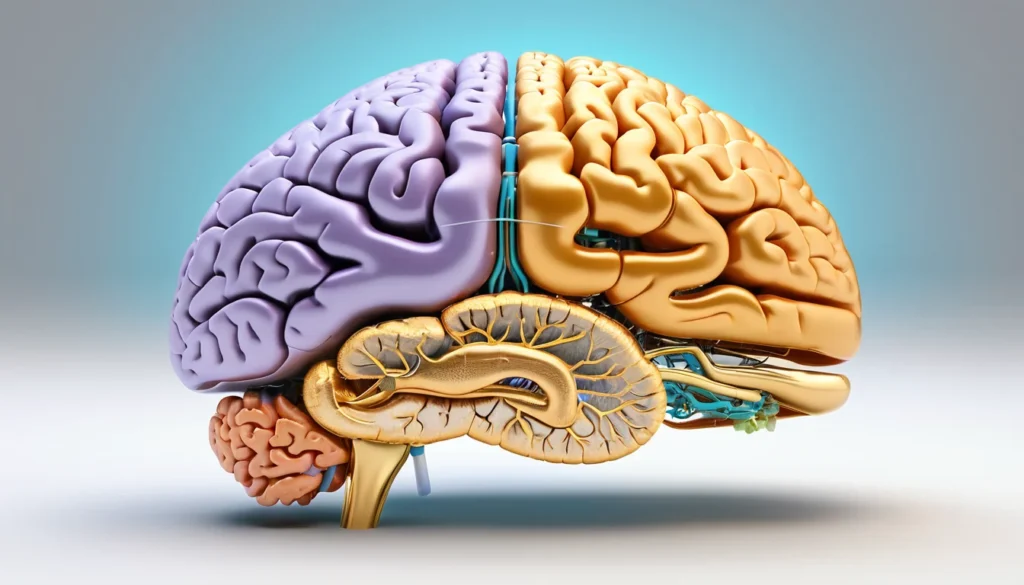
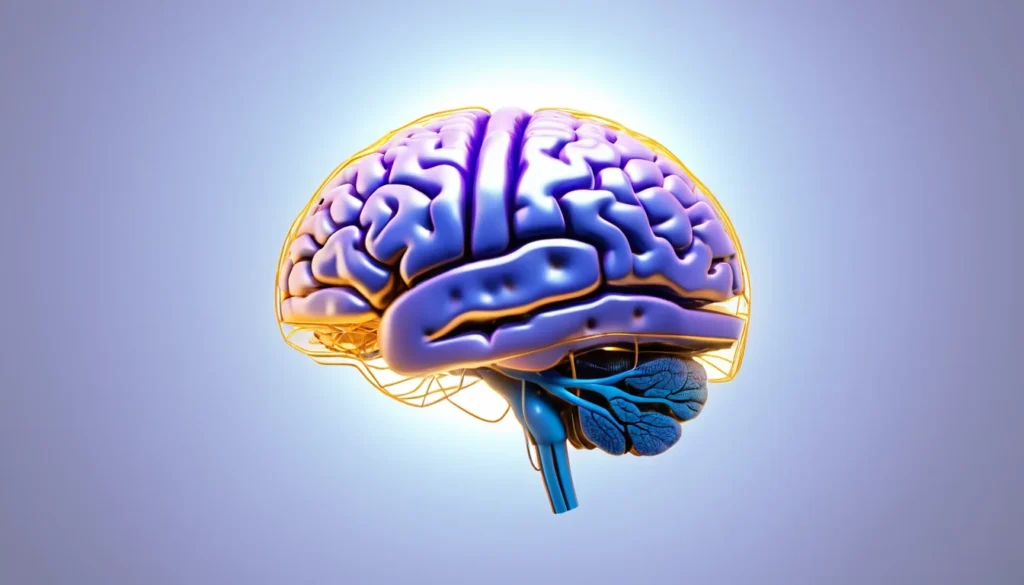
Some studies suggest that people with anorexia nervosa may have higher-than-normal levels of serotonin. Serotonin is a brain chemical that affects mood, appetite, and social behaviour. Higher serotonin levels may contribute to reduced appetite and a tendency to withdraw from others.
In addition, family history plays a role. If a parent or sibling has had anorexia nervosa, a person’s risk of developing it increases. However, genetics is only one piece of the puzzle. It does not mean the disorder is inevitable.
Psychological and Social Factors
Certain personality traits are linked to a higher risk of anorexia nervosa. These include perfectionism, low self-esteem, and a strong need for control. People who struggle with anxiety or obsessive thinking may also be more vulnerable.
Social and cultural pressures also play a significant role. Media images that promote thinness as the ideal body type can be harmful. For some people, major life changes — such as moving to a new city, going through a divorce, or losing a loved one — can trigger the onset of anorexia nervosa.
Recognising the Symptoms of Anorexia Nervosa
The symptoms of anorexia nervosa fall into two main categories: behavioural signs and physical signs. Recognising these early gives a person the best chance of recovery.
Behavioural Signs
An intense fear of gaining weight, even when already underweight
Severely restricting food intake or cutting out entire food groups
Refusing to eat foods that contain any fat
Following an exhausting, compulsive exercise routine
Hiding food, throwing it away secretly, or avoiding conversations about eating
Spending long periods cutting food into tiny pieces or rearranging food on a plate
Cooking elaborate meals for others while refusing to eat
Using laxatives, diuretics, or self-induced vomiting to prevent weight gain
Furthermore, people with anorexia nervosa often develop strict food rituals. For example, they may chew each bite a set number of times or only eat foods in a specific order. These rituals help them feel in control, but they also reinforce unhealthy patterns.
Physical Signs of Anorexia Nervosa
The physical effects of anorexia nervosa are serious and can affect nearly every system in the body. Malnutrition caused by severe food restriction leads to a wide range of symptoms.
Body weight that is well below the healthy range for height and age
Constipation or very slow digestion
Brittle hair, dry skin, and fragile nails
Loss of menstrual periods or long gaps between periods (amenorrhea)
Feeling constantly cold, with a lower-than-normal body temperature
Low blood pressure
A slow heart rate (fewer than 60 beats per minute), known as bradycardia
Swelling in the hands and feet
A yellowish-orange tint to the skin, especially on the palms
Bluish-purple colouring of the hands and feet due to poor circulation
Tooth enamel erosion caused by repeated vomiting
Persistent fatigue and low energy
In children and teenagers, a failure to gain weight during normal growth periods is also a warning sign. Parents and caregivers should speak with a family doctor if they notice these changes.
How Anorexia Nervosa Progresses
Anorexia nervosa often begins with what seems like a harmless diet. A person may want to lose a small amount of weight. However, over time, the diet becomes more extreme. Food restriction goes far beyond what is healthy or safe.
As the disorder progresses, the person loses their sense of hunger. They begin to see controlling food intake as a source of power and self-discipline. Unfortunately, this sense of control becomes harder and harder to maintain without restricting food even further.
Social withdrawal is also common. People with anorexia nervosa often lose interest in activities they once enjoyed. They may avoid social situations involving food, such as family dinners or eating out with friends.
In advanced cases, irrational food-related behaviours become more rigid. These can include eliminating entire food categories, such as meat or dairy, because of a fear of calories. Excessive exercise continues even when the body is injured or exhausted.
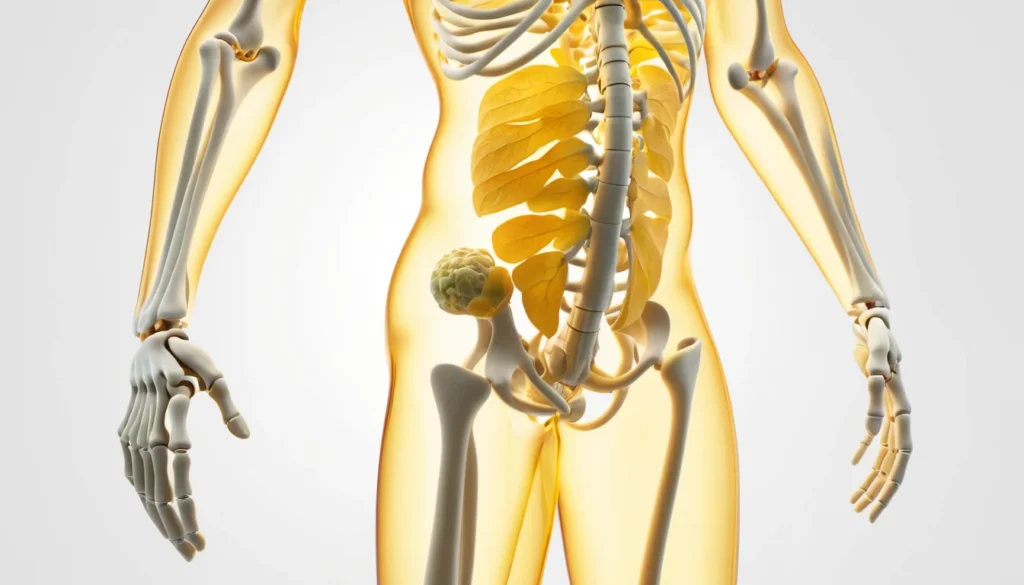
As a result of long-term starvation and malnutrition, serious complications can develop. These include osteoporosis (weakening of the bones), dangerous heart rhythm problems (arrhythmias), and organ failure. In the most severe cases, anorexia nervosa can be fatal.
Other mental health conditions often appear alongside anorexia nervosa. Depression, anxiety, and obsessive-compulsive disorder are common. This makes treatment more complex, but not impossible. According to the Mayo Clinic, early treatment significantly improves the chances of a full recovery.
Treatment and Recovery
Treating anorexia nervosa usually requires a team of health professionals. This team may include a family doctor, a psychiatrist, a psychologist, and a registered dietitian. Together, they address both the physical and emotional aspects of the disorder.
Treatment typically involves a combination of medical care, nutritional support, and therapy. Cognitive behavioural therapy (CBT) is one of the most effective approaches. CBT helps a person identify and change harmful thoughts and behaviours around food and body image.
Family-based therapy is also commonly used, particularly for younger patients. This approach involves the family directly in the recovery process. It can be especially helpful when the person with anorexia nervosa is a child or teenager.
In severe cases, hospitalisation may be necessary. This is to stabilise the person’s weight and treat any dangerous medical complications. Provincial health plans across Canada generally cover hospitalisation and many outpatient mental health services. Check with your provincial health authority to understand what is covered in your area.
Recovery from anorexia nervosa takes time. It is rarely a straight path. Relapses can happen, but they do not mean failure. With ongoing support, many people go on to live healthy, full lives. The World Health Organization recognises eating disorder treatment as a global health priority.
When to See a Doctor
If you or someone you care about is showing signs of anorexia nervosa, please reach out for help as soon as possible. Early treatment gives the best chance of full recovery. Do not wait until symptoms become severe.
You can start by booking an appointment with your family doctor. If you do not have a family doctor, a walk-in clinic is a good first step. Your doctor can assess your health, order tests, and refer you to a specialist or eating disorder programme in your area.
In many provinces, you can also access mental health services directly without a referral. Community mental health centres and crisis lines are available across Canada. If you are in immediate danger, please go to your nearest emergency department or call 911.
Remember, anorexia nervosa is a medical condition — not a lifestyle choice and not a sign of weakness. Asking for help is a sign of courage. Always speak with a qualified healthcare provider before making any changes to your diet or health routine.
Frequently Asked Questions About Anorexia Nervosa
What is the difference between anorexia nervosa and just dieting?
Anorexia nervosa goes far beyond normal dieting. While dieting involves making conscious food choices for health reasons, anorexia nervosa is a serious mental health disorder where food restriction becomes extreme and compulsive. People with anorexia nervosa continue to restrict food even when it causes serious harm to their body.
Can men and boys develop anorexia nervosa?
Yes, anorexia nervosa can affect people of any gender. While it is more commonly diagnosed in women and girls, men and boys are also at risk and are often underdiagnosed. If you are concerned about a male family member, speak with a family doctor about eating disorder screening.
How is anorexia nervosa diagnosed in Canada?
A family doctor or specialist typically diagnoses anorexia nervosa through a physical exam, blood tests, and a mental health assessment. Your doctor will look at your weight, eating behaviours, and how you feel about your body. If you do not have a family doctor, a walk-in clinic can start the process.
Is anorexia nervosa curable?
Full recovery from anorexia nervosa is possible, especially with early treatment. Many people do recover and go on to lead healthy lives. However, recovery takes time and often involves ongoing support from healthcare professionals, family, and mental health programmes.
What are the long-term health effects of anorexia nervosa?
Long-term anorexia nervosa can cause serious complications, including bone loss (osteoporosis), heart problems, kidney damage, and hormonal imbalances. The longer the disorder goes untreated, the greater the risk of permanent health damage. Seeking treatment early is the best way to protect long-term health.
How can I help a loved one who may have anorexia nervosa?
If you are worried about someone, approach the conversation with kindness and without judgment. Express your concern calmly and encourage them to speak with a family doctor or visit a walk-in clinic. Avoid commenting on their appearance or food choices, and focus on how much you care about their overall wellbeing.
Key Takeaways
Anorexia nervosa is a serious eating disorder with both physical and psychological effects.
It develops from a mix of biological, psychological, and social factors — no single cause is responsible.
Common signs include extreme food restriction, distorted body image, excessive exercise, and physical symptoms of malnutrition.
The disorder can lead to life-threatening complications if left untreated, including heart problems and bone loss.
Treatment works best when started early and usually involves a combination of medical care, nutrition support, and therapy.
Canadian residents can access support through their family doctor, walk-in clinic, or provincial mental health programmes.
Recovery is possible — with the right help, many people fully overcome anorexia nervosa.
Always consult a qualified healthcare provider if you or someone you know is showing signs of an eating disorder.