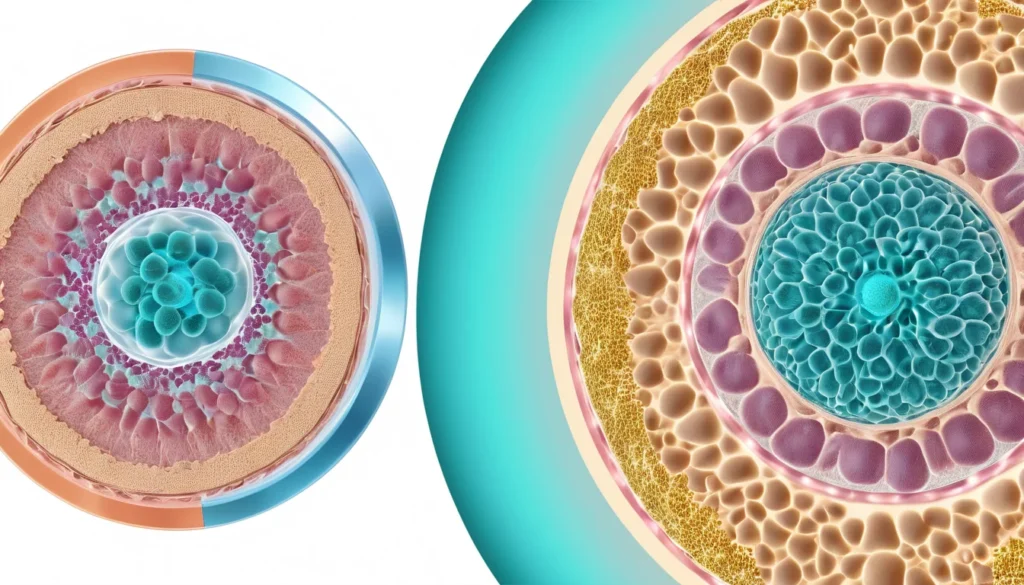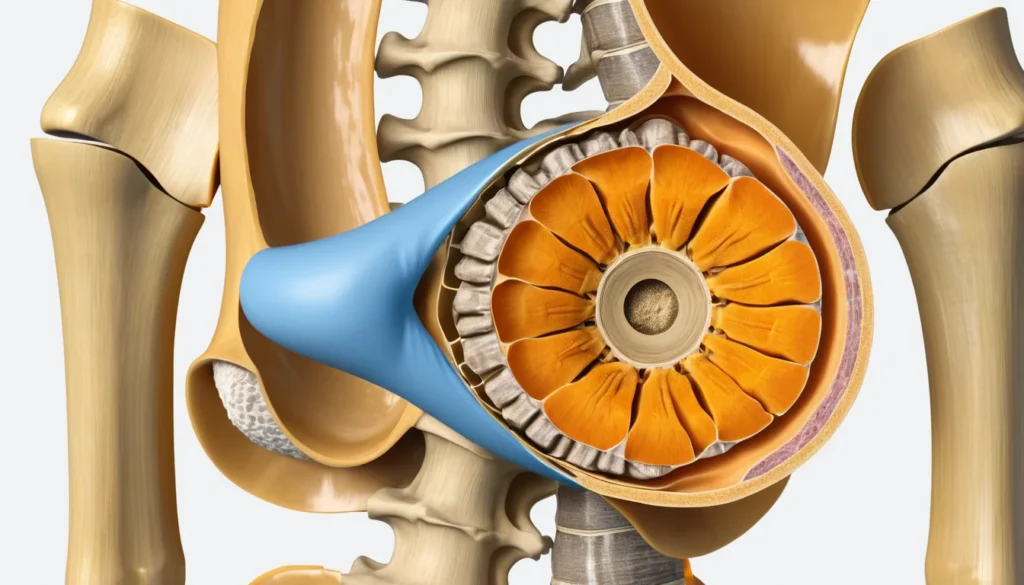
Ankylosing spondylitis is a chronic inflammatory condition that causes arthritis in the spine and pelvis. It leads to persistent back pain and, over time, can cause the spine to stiffen significantly. In Canada, many people live with this condition for years before receiving a proper diagnosis. Understanding its symptoms and treatment options can make a real difference in your quality of life.
What Is Ankylosing Spondylitis?
Ankylosing spondylitis (AS) is a long-term form of inflammatory arthritis. It mainly affects the sacroiliac joints — the joints connecting the spine to the pelvis — and the vertebrae of the spine itself. The condition belongs to a broader family of diseases called spondyloarthropathies.
The exact cause of ankylosing spondylitis is not fully understood. However, researchers believe genetics play a strong role. Most people diagnosed with AS carry a gene marker called HLA-B27, though not everyone with this gene develops the condition.
AS is more common in men than women. Symptoms typically begin between the ages of 15 and 30. Because it starts so young, it can affect education, work, and daily activities for decades.
Recognising the Symptoms of Ankylosing Spondylitis
The most common early sign of ankylosing spondylitis is chronic lower back pain. This pain often starts deep in the buttocks or the back of the thighs. It is not the same as ordinary back pain from lifting or muscle strain.
One important clue is the timing of the pain. People with AS typically feel worse at the end of the night and in the morning. The pain and stiffness tend to ease with movement and exercise, but return in the evening.
How the Pain Progresses
Ankylosing spondylitis generally moves upward through the body. It starts in the lower back and pelvis, then slowly travels toward the neck and upper spine. This gradual progression can take ten to twenty years or even longer.
In addition to the spine, AS can affect other joints. The hips are the most commonly involved, and hip pain can make walking difficult. The knees and shoulders may also be affected, though less often.
Symptoms Beyond the Back
AS does not only affect your bones and joints. In some cases, the joints between the ribs and spine become inflamed. As a result, breathing can become uncomfortable or restricted over time.
Some people with ankylosing spondylitis also experience eye inflammation, known as uveitis. This causes redness, pain, and light sensitivity in the eye. If you notice sudden eye symptoms alongside back pain, speak with your doctor right away.
How Ankylosing Spondylitis Is Diagnosed
Getting a diagnosis for ankylosing spondylitis can take time. The symptoms often overlap with other causes of back pain. However, your doctor will look at several types of evidence together to reach a conclusion.
Diagnosis is based on a combination of clinical criteria, genetic testing, and imaging. Your doctor will assess the nature of your pain, how it behaves over time, and how well it responds to anti-inflammatory medication. They will also consider your family history.
The Role of HLA-B27 Testing
A blood test can check whether you carry the HLA-B27 gene marker. This marker is present in the majority of people with ankylosing spondylitis. However, having HLA-B27 does not automatically mean you have AS — a full clinical assessment is still needed.
X-rays and MRI scans can show changes in the sacroiliac joints and spine. However, early in the disease, imaging may look normal. For this reason, doctors rely more on clinical and genetic criteria than on X-rays alone, especially in the early stages.
Who Should You See in Canada?
In Canada, your family doctor is usually your first point of contact. If AS is suspected, you will likely be referred to a rheumatologist — a specialist in joint and inflammatory diseases. Wait times for specialist referrals can vary by province, so it is worth speaking with your family doctor early if you have ongoing unexplained back pain.
For more information on inflammatory arthritis, Health Canada provides guidance on chronic disease management and patient resources.
Treatment Options for Ankylosing Spondylitis
There is currently no cure for ankylosing spondylitis. However, effective treatment can significantly reduce pain, slow progression, and help you maintain a good quality of life. The goal is to manage symptoms and preserve spinal mobility for as long as possible.
Medications Used in Treatment
The first line of treatment for ankylosing spondylitis is non-steroidal anti-inflammatory drugs (NSAIDs). These include medications like ibuprofen and naproxen. They are most effective when taken in the evening, before bed, as this targets the peak of overnight symptoms.
If NSAIDs are not enough, doctors may prescribe biologic medications. These drugs target specific parts of the immune system that drive inflammation in AS. Biologics have been a major advance in treatment over the past two decades. Your rheumatologist will help decide whether this step is right for you.
For a detailed overview of treatment approaches, the Mayo Clinic offers a comprehensive guide to ankylosing spondylitis diagnosis and treatment.
Physical Therapy and Exercise
Staying active is one of the most important things you can do with ankylosing spondylitis. Regular movement helps reduce stiffness and keeps the spine flexible. In contrast, long periods of rest can make symptoms worse.
A physiotherapist can design a personalised exercise programme for you. This may include stretching, posture work, and breathing exercises. Swimming and other low-impact activities are often recommended because they are gentle on the joints.
Lifestyle Adjustments
Maintaining good posture is important for people with AS. Poor posture can speed up changes in the spine’s alignment. Ergonomic adjustments at work or home — like a supportive chair or a standing desk — can help protect your spine.
Smoking is known to worsen ankylosing spondylitis. It accelerates lung damage and increases inflammation. If you smoke, quitting is one of the most effective steps you can take to slow the disease’s progression.
How Ankylosing Spondylitis Progresses Over Time
Ankylosing spondylitis is a slow-moving disease. It typically progresses in flares — periods of increased symptoms — followed by quieter periods. Over ten to twenty years or more, the pattern varies widely from person to person.
In roughly half of all people with AS, the spine becomes significantly stiff over time. In some cases, the vertebrae can fuse together — a process called ankylosis. This limits movement and can affect overall posture. However, many people with AS maintain a good range of motion with proper treatment and exercise.
Furthermore, inflammation of the rib-spine joints can reduce chest expansion. This can lead to breathing difficulties over time. Regular respiratory exercises are therefore an important part of long-term management.
According to the World Health Organization’s overview of musculoskeletal conditions, chronic inflammatory diseases like AS are among the leading causes of disability worldwide. Early diagnosis and consistent treatment remain the best tools against long-term damage.
When to See a Doctor
You should speak with your family doctor if you have had persistent lower back or buttock pain for more than three months. This is especially important if the pain is worse in the morning or after rest, and improves with movement. These features suggest inflammatory pain rather than mechanical back pain.
If you do not have a family doctor, a walk-in clinic can be a good starting point. A walk-in physician can order initial blood tests and imaging, and refer you to a rheumatologist if needed. Most provincial health plans in Canada cover these consultations and referrals.
Do not ignore symptoms like sudden eye redness or pain alongside your back symptoms. These may point to uveitis, which requires prompt treatment. Acting early gives the best chance of preventing long-term complications from ankylosing spondylitis.
Please note: This article is for general information only. Always consult a qualified healthcare provider for personal medical advice and before making any changes to your treatment.
Frequently Asked Questions About Ankylosing Spondylitis
What are the first signs of ankylosing spondylitis?
The first signs of ankylosing spondylitis are usually persistent lower back pain and stiffness. This pain is typically worse in the morning or after long periods of rest, and improves with light movement. Many people also feel discomfort deep in the buttocks or the back of the thighs.
Is ankylosing spondylitis a disability in Canada?
Ankylosing spondylitis can qualify as a disability in Canada if it significantly limits your daily activities or ability to work. You may be eligible for support through provincial disability programmes or the federal Disability Tax Credit. Speak with your doctor and a benefits adviser to explore your options.
Can ankylosing spondylitis be cured?
There is currently no cure for ankylosing spondylitis. However, treatments such as NSAIDs, biologic medications, and physiotherapy can effectively manage symptoms and slow the progression of the disease. Many people with AS lead full, active lives with the right treatment plan.
What is the difference between ankylosing spondylitis and regular back pain?
Regular back pain is usually caused by muscle strain or injury and tends to improve with rest. Ankylosing spondylitis, in contrast, causes inflammatory back pain that is worse after rest and better with movement. The pain associated with AS also tends to begin in younger adults and lasts for months rather than days.
What triggers ankylosing spondylitis flares?
Common triggers for ankylosing spondylitis flares include stress, physical overexertion, illness, and long periods of inactivity. Some people find that certain foods or lack of sleep also worsen their symptoms. Keeping a symptom diary can help you identify your personal triggers and manage them more effectively.
Who is most at risk of developing ankylosing spondylitis?
Ankylosing spondylitis most commonly affects young men between the ages of 15 and 30, though women can develop it too. People who carry the HLA-B27 gene have a higher risk of developing the condition. Having a close family member with AS also increases your personal risk.
Key Takeaways
Ankylosing spondylitis is a chronic inflammatory arthritis that mainly affects the spine and sacroiliac joints.
Symptoms usually begin between ages 15 and 30, and are more common in men.
Morning stiffness and back pain that improves with movement are key warning signs.
Diagnosis relies on clinical assessment, the HLA-B27 gene marker, and imaging.
Treatment includes NSAIDs, biologic medications, physiotherapy, and regular exercise.
Staying active and avoiding smoking are two of the most important lifestyle choices for managing AS.
In Canada, your family doctor or a walk-in clinic is the best first step toward diagnosis and referral.
Early treatment gives the best chance of slowing progression and maintaining spinal mobility.