Angioedema is a serious allergic reaction that causes rapid, deep swelling beneath the skin. It can affect the face, lips, throat, and airways — and in some cases, it becomes a life-threatening emergency. Understanding the signs of angioedema and knowing when to act quickly could save your life or the life of someone you love. This article explains what angioedema is, what causes it, how it is treated, and when you need to call 911 or visit your nearest emergency room.
What Is Angioedema?
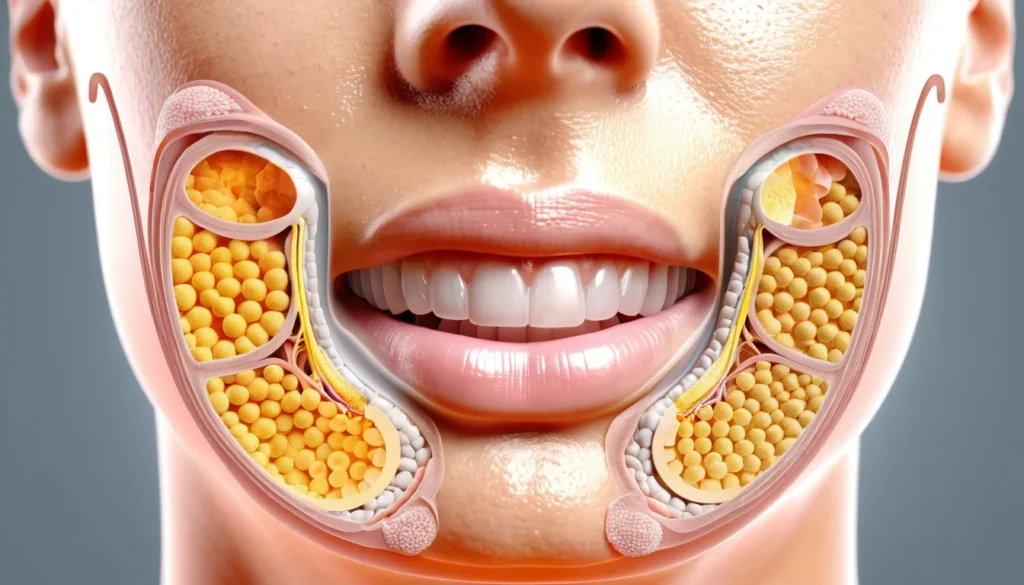
Angioedema — also called Quincke’s edema or angioneurotic edema — is a condition where fluid builds up in the deep layers of the skin and soft tissues. Unlike a regular skin rash or surface hive, this swelling happens underneath the skin. It can appear suddenly and grow quickly.
The swelling most often affects the face, lips, eyelids, throat, tongue, and the upper airway passages. However, it can also appear on the hands, feet, and genitals. The affected area usually looks pale pink or skin-coloured, feels firm to the touch, and has well-defined edges.
One important thing to note: angioedema does not usually itch. Instead, it tends to produce a burning or tight sensation. This is one way doctors tell it apart from a standard allergic skin reaction. Learn more about angioedema symptoms from the Mayo Clinic.
Common Causes and Triggers of Angioedema
Angioedema can have several different causes. In many cases, it is triggered by an allergic reaction. However, it can also occur without any allergy involved. Understanding your trigger is an important part of managing this condition.
Allergic Triggers
Allergic angioedema happens when your immune system overreacts to something it sees as a threat. Common allergic triggers include certain foods, insect stings or bites, and medications. In Canada, tree nuts, shellfish, peanuts, and dairy products are among the most frequent food triggers.
Insect stings — especially from bees or wasps — can trigger angioedema very quickly. Some people experience a reaction within minutes of being stung. In addition, certain medications are well-known triggers. These include penicillin-based antibiotics, ASA (Aspirin), ibuprofen, and a class of blood pressure drugs called ACE inhibitors.
Non-Allergic Triggers
Not all cases of angioedema involve an allergy. Some people have a hereditary form of the condition, called hereditary angioedema (HAE). This is caused by a genetic defect that affects a protein in the blood. HAE can cause repeated episodes of swelling throughout a person’s life.
Other non-allergic triggers can include emotional stress, physical pressure on the skin, cold temperatures, or infections. In some cases, no clear cause is ever found. This is known as idiopathic angioedema. Healthline offers a detailed overview of angioedema types and causes.
Recognising the Symptoms of Angioedema
Recognising angioedema early is critical. The symptoms can develop within minutes to a few hours after exposure to a trigger. Knowing what to look for can help you act fast.
Skin and Facial Symptoms
The most visible sign of angioedema is sudden, noticeable swelling. This swelling often appears on the face — especially around the eyes and lips. The skin may look puffy, stretched, or slightly discoloured. The swollen area typically feels firm and warm.
Unlike hives, the swelling with angioedema does not usually cause itching. Instead, many people describe a stinging, burning, or tight feeling in the affected area. The swelling can look alarming, but the appearance alone does not tell you how dangerous the episode is.
Respiratory Symptoms — A Dangerous Warning Sign
The most serious symptoms of angioedema involve the throat and airways. When swelling spreads to the throat, tongue, or windpipe, it can block normal breathing. This is a medical emergency.
Warning signs that the airway is involved include a hoarse or muffled voice, difficulty swallowing, a feeling of tightness in the throat, and noisy or laboured breathing. Stridor — a high-pitched sound when breathing in — is a particularly serious sign. If you or someone else shows these symptoms, call 911 immediately. Do not wait to see if things improve on their own.
Other Symptoms
Angioedema sometimes occurs alongside other allergic symptoms. For example, a person may also develop hives on the surface of the skin, a runny nose, watery eyes, or stomach cramps. In severe cases, it can be part of anaphylaxis — a life-threatening full-body allergic reaction that causes a sudden drop in blood pressure and loss of consciousness.
Furthermore, if someone has an epinephrine auto-injector (such as an EpiPen), they should use it right away if anaphylaxis is suspected. Every second matters in these situations.
How Angioedema Is Diagnosed
Diagnosing angioedema begins with a thorough review of your medical history and a physical examination. Your family doctor or allergist will ask about your symptoms, how quickly they appeared, and any possible triggers you were exposed to beforehand.
In some cases, blood tests may be ordered to check for specific allergies or to measure levels of proteins involved in hereditary angioedema. Skin allergy testing may also be recommended. If your doctor suspects hereditary angioedema, more specialised blood work is needed to check complement protein levels.
It is important to track your episodes carefully. Keeping a diary of when swelling occurs, what you ate, what medications you took, and any environmental exposures can help your doctor identify a pattern. This information is very useful during your appointment.
Treatment Options for Angioedema
Treatment for angioedema depends on the severity of the episode and its underlying cause. Mild cases may resolve on their own, but many cases require medication. Severe cases need immediate emergency care.
Emergency Treatment
When angioedema involves the throat or causes breathing difficulty, emergency treatment is required without delay. The first-line treatment in this situation is an injection of epinephrine (adrenaline). Epinephrine acts quickly to open up the airways and reverse the severe allergic reaction.
In addition to epinephrine, doctors in the emergency room will typically give fast-acting injectable corticosteroids to reduce swelling and inflammation. These medications help stabilise the immune response. In some cases, antihistamines may also be given as part of the treatment plan.
If the swelling continues to worsen despite treatment, the patient may need to be admitted to an intensive care unit (ICU) for close monitoring and advanced airway support. This step is taken to protect the patient’s ability to breathe.
Treatment for Mild to Moderate Cases
For milder cases of angioedema — where the airway is not affected — treatment typically includes oral antihistamines to reduce swelling and discomfort. Corticosteroid pills or syrup may also be prescribed for a short period. In most cases, the swelling begins to go down within 24 to 72 hours.
If a specific trigger is identified — such as a medication or food — avoiding that trigger is a key part of long-term management. For example, if an ACE inhibitor blood pressure medication is the cause, your doctor will usually switch you to a different type of medication.
Managing Hereditary Angioedema
People with hereditary angioedema need a specialised long-term treatment plan. Several newer medications are now available in Canada to help prevent attacks and treat them when they occur. These include C1 inhibitor replacement therapy and other targeted treatments. An allergist or immunologist can help manage this condition. Health Canada provides information on approved treatments available in Canada.
When to See a Doctor for Angioedema
If you experience sudden swelling of the face, lips, or throat — especially for the first time — you should seek medical attention right away. Do not wait to see if the swelling goes down on its own, particularly if you also feel short of breath or have trouble swallowing.
For a first episode without breathing difficulty, head to a walk-in clinic or your nearest emergency room as soon as possible. Your family doctor can also refer you to an allergist for further testing once the acute episode has passed. Getting a proper diagnosis helps prevent future episodes and ensures you have the right emergency plan in place.
If you have had angioedema before, talk to your family doctor about carrying an epinephrine auto-injector (EpiPen) and wearing medical alert identification. Your doctor can also create a written action plan so you know exactly what to do if another episode occurs. Most provincial health plans in Canada cover EpiPens under certain conditions — ask your doctor or pharmacist about your coverage.
Remember: if breathing is affected at any point, call 911 immediately. This is a life-threatening emergency and requires the fastest possible response.
Frequently Asked Questions About Angioedema
What is the difference between angioedema and hives?
Hives (urticaria) are raised, itchy welts that appear on the surface of the skin. Angioedema, on the other hand, involves deeper swelling beneath the skin and does not usually itch — it more often causes a burning or tight feeling. Both can occur at the same time and may share the same allergic trigger.
Is angioedema dangerous?
Angioedema can be very dangerous when it affects the throat or airway, as it can block breathing and become life-threatening within minutes. Swelling that stays on the face, hands, or feet without involving the throat is usually less immediately dangerous, but still needs medical evaluation. Any episode involving breathing difficulty requires an emergency 911 call right away.
What medications can trigger angioedema?
Some of the most common medication triggers for angioedema include ACE inhibitors (a type of blood pressure drug), penicillin antibiotics, ASA (Aspirin), and non-steroidal anti-inflammatory drugs (NSAIDs) like ibuprofen. If you think a medication is causing your symptoms, do not stop taking it without speaking to your doctor first — they can safely switch your prescription.
How long does an angioedema episode last?
Most episodes of angioedema resolve within 24 to 72 hours, depending on the cause and how quickly treatment is given. Hereditary angioedema episodes may last longer — sometimes up to several days — without proper treatment. Getting medical care early can help shorten the duration and reduce the risk of complications.
Can angioedema be prevented?
In many cases, angioedema can be prevented by identifying and avoiding your personal triggers — such as certain foods, medications, or insect stings. People with frequent or severe angioedema may benefit from daily antihistamines or other preventive medications prescribed by an allergist. Carrying an epinephrine auto-injector and wearing medical alert identification are also important safety steps.
Does angioedema go away on its own?
Mild cases of angioedema that do not involve the throat may go away on their own over a day or two, but medical assessment is still recommended — especially for a first episode. If angioedema affects your breathing or swallowing, it will not safely resolve without emergency treatment. Always err on the side of caution and seek care promptly.
Key Takeaways
Angioedema is a rapid, deep swelling beneath the skin, often affecting the face, lips, and throat.
Common triggers include foods, insect stings, and certain medications such as ACE inhibitors and antibiotics.
Angioedema does not usually itch — it typically causes a burning or tight sensation instead.
Swelling that affects the throat or airway is a medical emergency — call 911 immediately.
Emergency treatment includes injectable epinephrine and fast-acting corticosteroids.
Talk to your family doctor or walk-in clinic after any episode to get a proper diagnosis and action plan.
If you have recurring angioedema, ask your doctor about carrying an EpiPen and whether your provincial health plan covers it.
Always consult a qualified healthcare provider for personal medical advice — this article is for general information only.