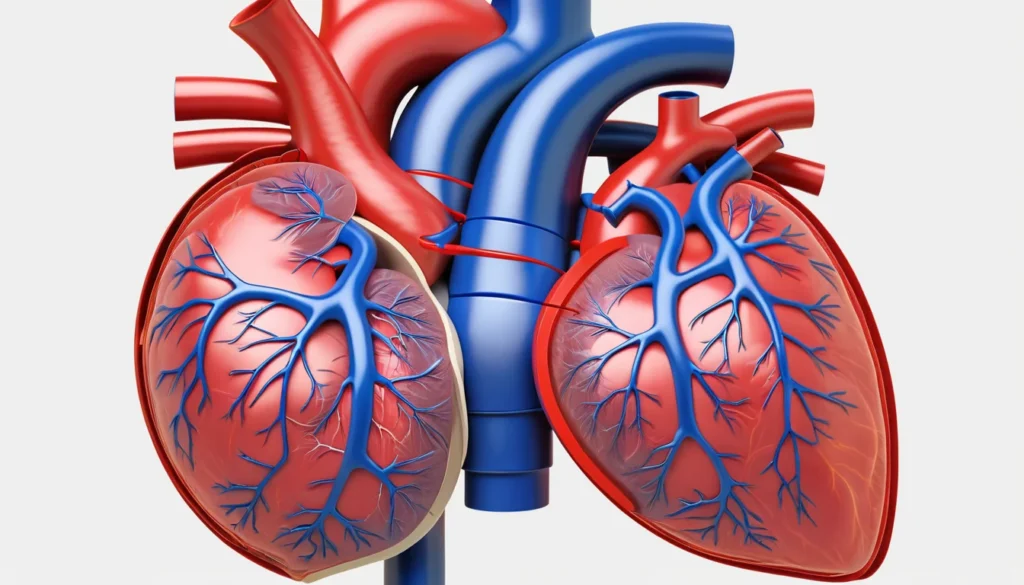
Angina chest pain is one of the most important warning signs your heart can send you. It happens when your heart muscle is not getting enough blood and oxygen to keep up with your body’s demands. This article explains what angina is, what causes it, how doctors diagnose it, and what you can do to protect your heart health.
What Is Angina Chest Pain?
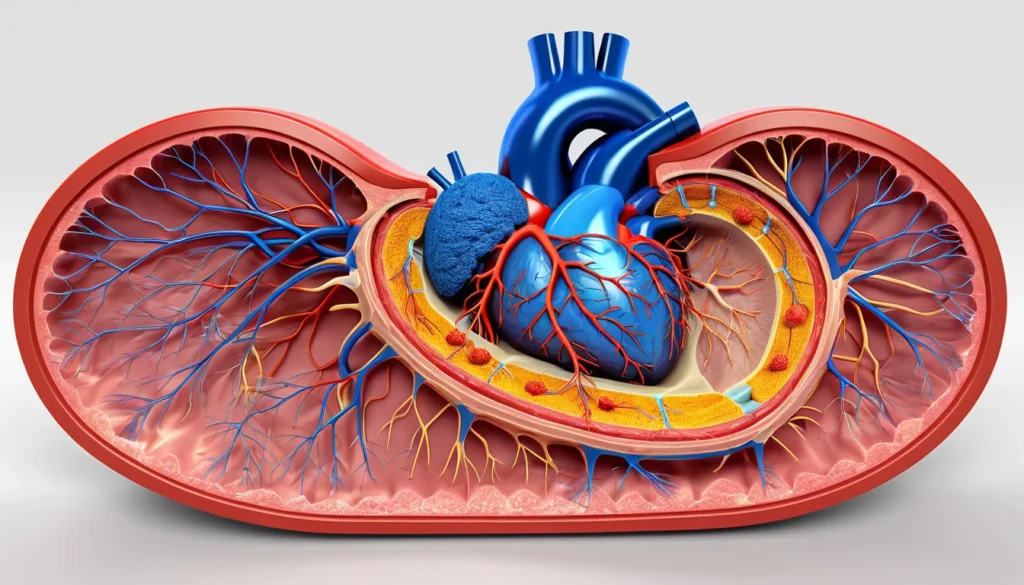
Your heart is a pump. It works every second of the day to move blood through your entire body. When the blood vessels that feed your heart muscle become narrow, your heart can struggle to get the oxygen it needs — and that is when angina chest pain can occur.
The classic feeling of angina is a tightness, heaviness, or pressure in the chest. This sensation can spread to your neck, jaw, teeth, or down one or both arms. Some people also feel short of breath, nauseous, or break into a sweat.
Not everyone describes it as pain. Many people say it feels more like fullness, burning, or squeezing. This makes angina easy to mistake for indigestion or muscle tension.
Angina often appears during physical activity or emotional stress — times when your heart needs to work harder. When you rest, the discomfort usually fades. However, if symptoms happen at rest or get worse over time, that is a serious concern that needs immediate medical attention.
Who Is at Risk? Recognising the Warning Signs
Angina chest pain tends to develop slowly. Many people do not realise their symptoms are heart-related until the problem has been building for years. Knowing your risk factors is one of the most powerful things you can do.
Common risk factors include:
High blood pressure — puts extra strain on your arteries
High cholesterol — leads to plaque build-up inside artery walls
Type 2 diabetes — damages blood vessels over time
Smoking — narrows arteries and reduces oxygen in the blood
Family history of heart disease — genetics play a real role
Physical inactivity or obesity — increases strain on the heart
Women, in particular, may experience atypical symptoms of angina chest pain. Instead of classic pressure, women are more likely to feel unusual fatigue, dizziness, or a general sense of feeling unwell. These symptoms are just as serious and deserve the same medical attention.
Unfortunately, some people have no symptoms at all — even as their coronary arteries narrow significantly. For these individuals, a heart attack may be the first sign that something is wrong. This is why routine check-ups with your family doctor matter so much.
What Causes Angina Chest Pain?
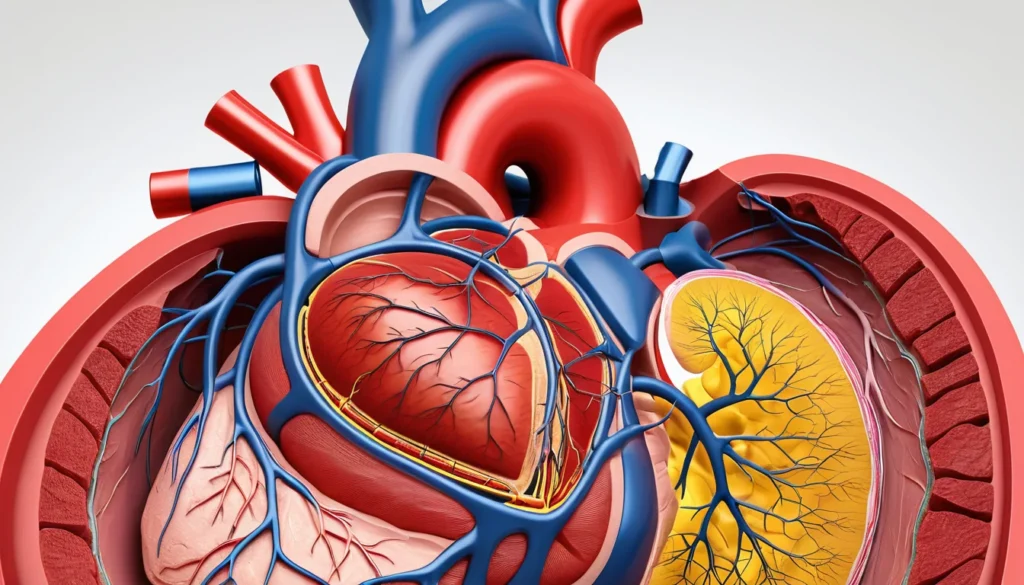
The most common cause of angina is coronary artery disease (CAD). Over time, cholesterol and other substances build up on the inner walls of the coronary arteries. This build-up is called plaque. As the arteries narrow, less blood can flow through — and your heart muscle does not get enough oxygen.
When you exercise, climb stairs, or even feel strong emotions, your heart beats faster and needs more blood. If the arteries are too narrow to deliver it, angina chest pain follows. At rest, the heart’s demand drops — and so does the pain.
Other Causes of Angina
Coronary artery disease is not the only culprit. Several other conditions can reduce blood flow or increase the heart’s workload enough to trigger angina. These include:
Atrial fibrillation — an irregular heartbeat that makes the heart work inefficiently
Heart valve problems — such as aortic stenosis, which obstructs blood flow leaving the heart
Cardiomyopathy — a weakened heart muscle that cannot pump effectively
Anaemia — too few red blood cells to carry enough oxygen
Lung problems — reduce the amount of oxygen entering the bloodstream
Carbon monoxide poisoning — blocks oxygen from being carried in the blood
Hyperthyroidism or fever — force the heart to beat faster than normal
In addition, some people experience Prinzmetal’s angina (also called vasospastic angina). This happens when a coronary artery suddenly spasms and temporarily cuts off blood flow. It can occur at rest and is not always linked to plaque build-up. Microvascular angina involves the very small arteries of the heart and is more common in women.
For more information on coronary artery disease and heart health, visit Health Canada’s official health information portal.
How Is Angina Diagnosed?
Diagnosing angina chest pain usually starts with your story. Your doctor will ask you detailed questions about your symptoms — when they happen, how long they last, what makes them better or worse. This medical history is often the most valuable diagnostic tool available.
Your doctor will also assess your heart disease risk factors, including your blood pressure, cholesterol levels, blood sugar, and family history. A physical examination follows.
Common Diagnostic Tests
Depending on your symptoms and risk profile, your doctor may order one or more of the following tests:
Electrocardiogram (ECG) — records the electrical activity of your heart
Stress test (exercise ECG) — monitors your heart while you walk on a treadmill
Blood tests — check for markers of heart damage, anaemia, or other conditions
Chest X-ray — looks at the size and shape of your heart and lungs
Echocardiogram — uses sound waves to create an image of your beating heart
Coronary angiography — a more advanced test that shows exactly where arteries are blocked
It is important to note that other conditions can mimic angina chest pain. Pulmonary embolism, pneumonia, acid reflux, and aortic aneurysm can all cause chest discomfort, shortness of breath, and nausea. Your healthcare team will work to rule these out.
Learn more about heart disease testing at the Mayo Clinic’s angina diagnosis and treatment guide.
Can Angina Be Prevented or Only Treated?
This is one of the most common questions people ask — and the honest answer is: both. You can reduce your risk of developing angina significantly, and if you already have it, effective treatments are available.
Prevention Through Lifestyle
Heart-healthy habits are the foundation of angina prevention. The good news is that many of the most effective steps are within your control:
Quit smoking — this is the single most impactful change you can make
Eat a heart-healthy diet — rich in fibre, vegetables, and healthy fats; low in saturated fat and sodium
Stay physically active — aim for at least 150 minutes of moderate activity per week
Maintain a healthy weight — reduces strain on your heart
Manage stress — chronic stress raises blood pressure and harms heart health
Control blood pressure, cholesterol, and blood sugar — through diet, exercise, and medication if needed
Medical Treatment for Angina
If you have been diagnosed with angina, your doctor will recommend a treatment plan based on the underlying cause. Common treatments include:
Nitroglycerin — a fast-acting medication that relaxes blood vessels to relieve angina episodes quickly
Beta-blockers — slow the heart rate and lower blood pressure, reducing the heart’s workload
Calcium channel blockers — relax and widen the coronary arteries
Statins — lower cholesterol and help stabilise artery-clogging plaque
Aspirin or other blood thinners — help prevent blood clots from forming in narrowed arteries
In more severe cases, procedures like angioplasty (where a balloon opens a blocked artery and a stent holds it open) or coronary artery bypass surgery may be recommended. Your cardiologist or specialist will discuss these options with you through a referral from your family doctor.
For a broader look at heart disease risk reduction, see the World Health Organization’s fact sheet on cardiovascular diseases.
When to See a Doctor About Angina Chest Pain
Any new chest pain or pressure should be taken seriously. Do not wait to see if it goes away on its own. In Canada, you have several options for getting help quickly.
Call 911 immediately if your chest pain:
Comes on suddenly and is severe
Lasts more than a few minutes or does not go away with rest
Spreads to your arm, jaw, or back
Is accompanied by sweating, nausea, or difficulty breathing
Occurs at rest without a clear cause
These are potential signs of a heart attack, and every minute counts. Do not drive yourself to the hospital — call 911.
For symptoms that are milder or have been bothering you for a while, book an appointment with your family doctor as soon as possible. If you do not have a family doctor, a walk-in clinic can assess you and refer you for further testing. Most provincial health plans cover cardiology referrals and diagnostic tests, so cost should not be a barrier to getting checked.
Remember: angina is a warning sign. Ignoring it does not make it go away — it gives the underlying problem more time to get worse. Always consult your doctor before making changes to any medications or starting a new exercise programme.
Frequently Asked Questions About Angina
What does angina chest pain feel like?
Angina chest pain is often described as a tightness, heaviness, squeezing, or pressure in the chest. It can spread to the neck, jaw, shoulder, or arm. Some people feel burning or fullness rather than pain, which can make it easy to confuse with indigestion.
Is angina the same as a heart attack?
No — angina and a heart attack are not the same thing, but angina is a serious warning sign. Angina chest pain occurs when blood flow to the heart is reduced but not completely blocked. A heart attack happens when blood flow is fully cut off and heart muscle begins to die. However, untreated angina significantly increases your risk of a heart attack.
Can angina go away on its own?
Stable angina chest pain often eases with rest or medication like nitroglycerin. However, the underlying cause — such as narrowed coronary arteries — does not go away without treatment. Angina tends to worsen over time if the root cause is not addressed, so medical evaluation is always recommended.
What triggers angina chest pain?
Common triggers include physical exertion, emotional stress, extreme cold or heat, heavy meals, and smoking. These all increase the heart’s demand for oxygen. When the coronary arteries are already narrowed, even moderate activity can trigger angina symptoms.
How is angina treated in Canada?
In Canada, angina is typically treated through a combination of lifestyle changes, prescription medications, and in some cases, procedures like angioplasty or bypass surgery. Treatment is managed through your family doctor, cardiologist, or heart specialist, with most services covered under provincial health plans. Your doctor will tailor a treatment plan to your specific condition and risk factors.
Can angina be prevented?
Yes — many cases of angina chest pain can be prevented or delayed through heart-healthy lifestyle choices. Quitting smoking, eating a diet high in fibre and low in saturated fat, exercising regularly, and controlling blood pressure and cholesterol are all proven prevention strategies. If you have risk factors for heart disease, talk to your family doctor about a prevention plan.
Key Takeaways
Angina chest pain is a warning sign that your heart muscle is not getting enough blood and oxygen.
The most common cause is coronary artery disease — a build-up of plaque in the arteries that feed your heart.
Symptoms include chest tightness, pressure, or burning that may spread to the jaw, neck, or arms — but some people, especially women, experience atypical symptoms like fatigue or dizziness.
Angina can be both prevented and treated — lifestyle changes and medications are highly effective when started early.
Call 911 immediately if your chest pain is sudden, severe, or does not ease with rest.
For less urgent concerns, see your family doctor or a walk-in clinic — do not ignore recurring chest discomfort.
Most diagnostic tests and specialist referrals for angina are covered under provincial health plans across Canada.
This article is for general information only and does not replace professional medical advice. Always speak with your family doctor or a qualified healthcare provider about your specific symptoms and health concerns.
===END