Angina pectoris is a type of chest pain caused by reduced blood flow to the heart. It is a common cardiovascular condition across Canada and many other developed countries. Understanding angina pectoris — its causes, symptoms, and treatment options — can help you protect your heart and know when to seek care. This article covers everything you need to know in plain language.
What Is Angina Pectoris?
Angina pectoris happens when the heart muscle does not receive enough oxygen-rich blood. The result is a squeezing, pressing, or tight feeling in the chest. Many Canadians experience this condition as an early warning sign of underlying heart disease.
The word “angina” comes from the Latin word for “choking.” That description fits well. Most people describe the sensation as pressure or heaviness behind the breastbone. In some cases, the discomfort can spread to the neck, jaw, back, or arms.
Angina itself is not a heart attack. However, it is a serious signal that your heart needs attention. Left untreated, it can lead to more dangerous events, including a heart attack. Speak with your family doctor if you experience any form of chest discomfort.
Types of Angina Pectoris
Not all angina is the same. Doctors generally recognize three main types. Knowing which type you have helps guide treatment decisions.
Stable Angina
Stable angina is the most common form. It follows a predictable pattern and usually occurs during physical effort or emotional stress. Rest and medication typically relieve the symptoms within a few minutes.
For example, you might feel chest tightness while climbing stairs or rushing to catch a bus. Once you stop and rest, the discomfort fades. This pattern is what makes it “stable” — it is consistent and manageable.
Unstable Angina
Unstable angina is more dangerous. It occurs unpredictably, even at rest, and does not follow a regular pattern. The pain may be more intense than usual or last longer than normal. This type is a medical emergency and requires immediate care.
If you experience sudden, severe chest pain that does not go away with rest, call 911 right away. Do not drive yourself to the hospital. Unstable angina can quickly lead to a heart attack.
Vasospastic (Variant) Angina
Vasospastic angina — also called Prinzmetal’s angina — happens when a coronary artery goes into a spasm. The artery temporarily tightens and cuts off blood flow. This type can occur at rest, often at night or in the early morning hours.
Interestingly, vasospastic angina can occur even without a significant blockage in the artery. It responds well to certain medications, especially calcium channel blockers. A cardiologist can confirm this type through specific tests.
What Causes Angina Pectoris?
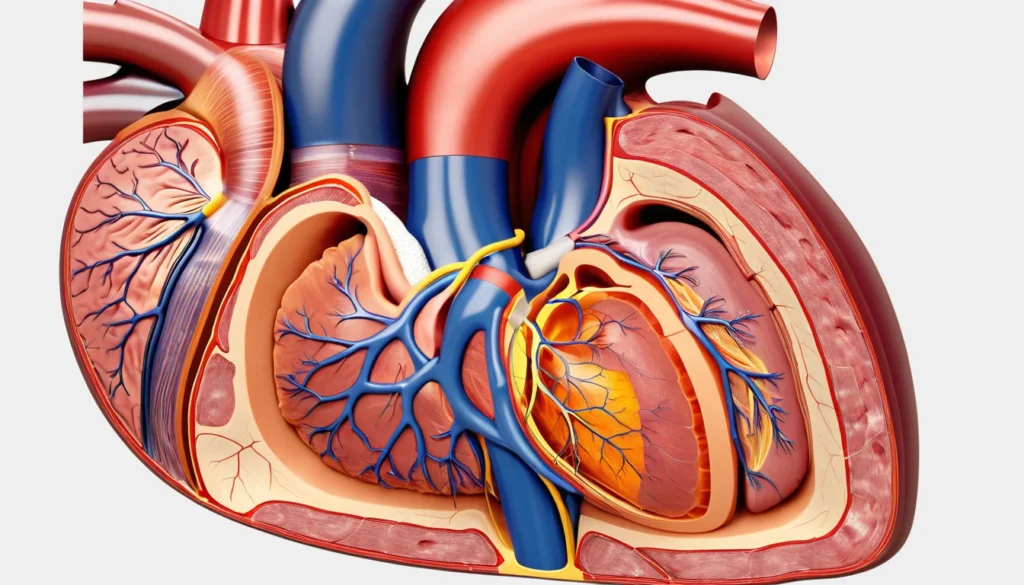
The most common cause of angina pectoris is coronary artery disease (CAD). In CAD, fatty deposits called atherosclerotic plaques build up inside the walls of the coronary arteries. These arteries supply the heart with blood and oxygen.
As the plaques grow, they narrow the artery. During physical activity, the heart needs more oxygen. However, the narrowed artery cannot deliver enough blood to meet that demand. As a result, the heart muscle sends out a pain signal — which you feel as angina.
Risk Factors for Coronary Artery Disease
Several well-known risk factors increase the chance of developing coronary artery disease and angina pectoris. Many of these are controllable through lifestyle changes and medication.
High blood pressure (hypertension): Damages artery walls over time, making plaque buildup more likely.
High cholesterol: Excess LDL cholesterol contributes directly to plaque formation in arteries.
Diabetes: High blood sugar levels damage blood vessels and increase cardiovascular risk.
Smoking: Damages the lining of arteries and significantly accelerates atherosclerosis.
Obesity: Excess body weight puts added strain on the heart and raises blood pressure.
Physical inactivity: A sedentary lifestyle weakens the cardiovascular system overall.
Family history: A close relative with early heart disease raises your personal risk.
Age and sex: Risk increases with age for everyone. Women tend to develop angina later than men, often after menopause.
According to Health Canada, heart disease remains one of the leading causes of death in the country. Addressing these risk factors early can significantly reduce your chances of developing serious heart problems.
Symptoms of Angina Pectoris
Recognizing the symptoms of angina pectoris is crucial for getting timely care. The classic symptom is chest discomfort, but angina can feel different from person to person.
Common Chest Symptoms
Most people describe angina as a pressing, squeezing, or burning sensation behind the breastbone. Some compare it to someone sitting on their chest. The discomfort usually lasts between two and fifteen minutes.
The pain may radiate — meaning it can travel outward from the chest. Common areas where angina pain spreads include:
The left arm (most common) or both arms
The neck or throat
The jaw or lower face
The upper back or between the shoulder blades
Other Associated Symptoms
Alongside chest pain, some people also experience shortness of breath, fatigue, or light-headedness. Nausea and sweating can also occur, particularly during an episode of unstable angina. These accompanying symptoms often signal a more severe event.
Women may experience angina differently than men. They are more likely to report unusual fatigue, nausea, or shortness of breath rather than classic chest pressure. Furthermore, women’s symptoms may be more easily dismissed or misdiagnosed. If something feels wrong, trust your instincts and seek care.
How Is Angina Pectoris Diagnosed?
Diagnosing angina pectoris starts with a thorough conversation between you and your doctor. Your doctor will ask about your symptoms, their timing, and your personal risk factors for heart disease. This clinical picture forms the foundation of the diagnosis.
Physical Examination and ECG
Your doctor will listen to your heart and check your blood pressure. An electrocardiogram (ECG) records the electrical activity of your heart. Changes in the ECG pattern during chest pain can provide important clues about reduced blood flow.
However, an ECG taken when you are not in pain may appear completely normal. Therefore, doctors often perform additional tests to get a clearer picture.
Stress Testing
A stress test — also called an exercise tolerance test — monitors your heart while you walk on a treadmill or ride a stationary bike. The goal is to trigger the angina symptoms under controlled, safe conditions. Changes in your ECG or blood pressure during the test help identify blockages.
In some cases, a nuclear stress test or stress echocardiogram is used for more detailed imaging. These tests give doctors a better view of how blood flows through the heart muscle during exertion.
Coronary Angiography
Coronary angiography is the most precise way to examine the coronary arteries. A thin, flexible tube called a catheter is guided through a blood vessel to the heart. A special dye is then injected, and X-ray images show exactly where any blockages are located.
This test is typically recommended when results from other tests are unclear, or when a procedure to open a blocked artery is being considered. According to the Mayo Clinic’s guide to angina, coronary angiography remains the gold standard for evaluating coronary artery disease.
Treatment Options for Angina Pectoris
Treatment for angina pectoris focuses on two main goals: relieving symptoms and reducing the risk of a heart attack. Your treatment plan will depend on the type and severity of your angina, as well as your overall health.
Lifestyle Changes
Lifestyle modifications are the cornerstone of angina management. They can significantly slow the progression of coronary artery disease. Your doctor may recommend the following changes:
Quit smoking: Smoking cessation is one of the most powerful steps you can take for heart health.
Eat a heart-healthy diet: Focus on vegetables, fruits, whole grains, and healthy fats. Reduce saturated fats, sodium, and added sugars.
Exercise regularly: Aim for at least 150 minutes of moderate activity per week, as recommended by Canadian guidelines. Always check with your doctor before starting a new exercise programme.
Manage your weight: Even modest weight loss can reduce strain on the heart.
Control stress: Chronic stress raises blood pressure and worsens angina. Relaxation techniques, counselling, and social support all help.
Limit alcohol: Drink in moderation, following Canada’s low-risk drinking guidelines.
Medications
Several types of medication are used to manage angina pectoris. Your doctor will prescribe what is most appropriate for your situation.
Nitroglycerin: A fast-acting medication that relaxes the blood vessels and relieves angina pain quickly. It comes as a spray or tablet placed under the tongue.
Beta-blockers: Slow the heart rate and reduce the heart’s demand for oxygen during activity.
Calcium channel blockers: Relax and widen the coronary arteries, improving blood flow. Especially useful for vasospastic angina.
Statins: Lower LDL cholesterol and reduce plaque buildup in the arteries over time.
ASA (Aspirin) or other antiplatelet agents: Reduce the risk of blood clots forming inside narrowed arteries.
Most of these medications are covered under provincial drug benefit programmes for eligible Canadians. Ask your family doctor or pharmacist about coverage options in your province.
Procedures and Surgery
When medications and lifestyle changes are not enough, a procedure may be recommended. Two common options are percutaneous coronary intervention (PCI) — commonly called angioplasty — and coronary artery bypass grafting (CABG).
In angioplasty, a small balloon is used to open a blocked artery. A stent (a small wire mesh tube) is often placed to keep the artery open. Bypass surgery creates a new route for blood to flow around the blockage. A cardiologist and cardiac surgeon will guide you through the options that suit your case best.
Angina Pectoris and Heart Attack: Know the Difference
Many people confuse angina with a heart attack. Understanding the difference could save your life. Both involve chest pain, but there are important distinctions between them.
Angina pectoris typically resolves within 15 minutes, especially with rest or nitroglycerin. A heart attack, on the other hand, is caused by a complete blockage of a coronary artery. The chest pain is more intense, lasts longer, and does not go away with rest or medication.
A heart attack also causes damage to the heart muscle. Additional symptoms during a heart attack may include severe sweating, nausea or vomiting, and a sudden sense of doom. According to the World Health Organization’s cardiovascular disease fact sheet, heart attacks are among the leading causes of death worldwide.
If you think you or someone near you is having a heart attack, call 911 immediately. Do not wait. Do not drive to the hospital yourself. Emergency medical services in Canada are equipped to begin life-saving treatment on the way to the emergency department.
When to See a Doctor
You should see your family doctor if you experience any new or unexplained chest discomfort, especially during physical activity. Do not assume it is indigestion or muscle strain without getting it checked. Early diagnosis of angina pectoris can prevent serious complications down the road.
If you do not have a family doctor, a walk-in clinic is a good first step. The clinic can perform initial assessments, order an ECG, and refer you to a cardiologist if needed. Most provincial health plans cover these services.
Seek emergency care immediately if your chest pain:
Is sudden, severe, or feels different from previous episodes
Does not go away after rest or nitroglycerin
Is accompanied by shortness of breath, sweating, or nausea
Lasts longer than 15 minutes
Always speak with a qualified healthcare provider before making changes to your medications or exercise routine. This article provides general health information only and is not a substitute for professional medical advice.
Frequently Asked Questions About Angina Pectoris
What does angina pectoris feel like?
Angina pectoris typically feels like a squeezing, pressing, or burning sensation in the centre of the chest. The discomfort can also spread to the jaw, neck, left arm, or back. Most episodes last between two and fifteen minutes and ease with rest or medication.
Is angina pectoris the same as a heart attack?
No, angina pectoris and a heart attack are not the same thing, though both cause chest pain. Angina occurs when blood flow to the heart is temporarily reduced, while a heart attack involves a complete, lasting blockage that damages heart muscle. Angina pain usually goes away with rest; heart attack pain does not.
Can angina pectoris be cured?
Angina pectoris cannot always be fully cured, but it can be well managed with lifestyle changes, medications, and in some cases, procedures like angioplasty or bypass surgery. Many people with angina live active, fulfilling lives with the right treatment plan. Your doctor can help you find the best approach for your situation.