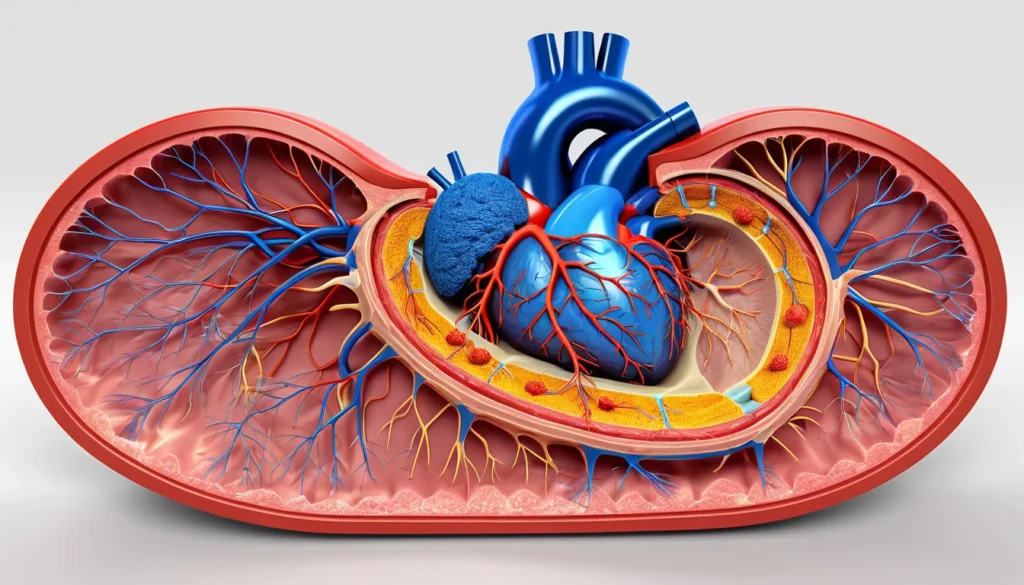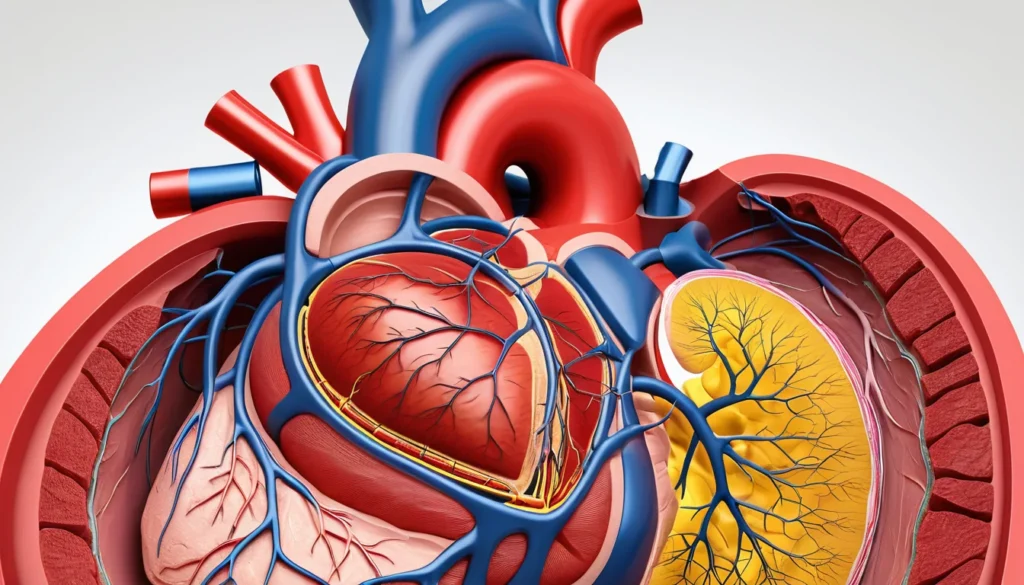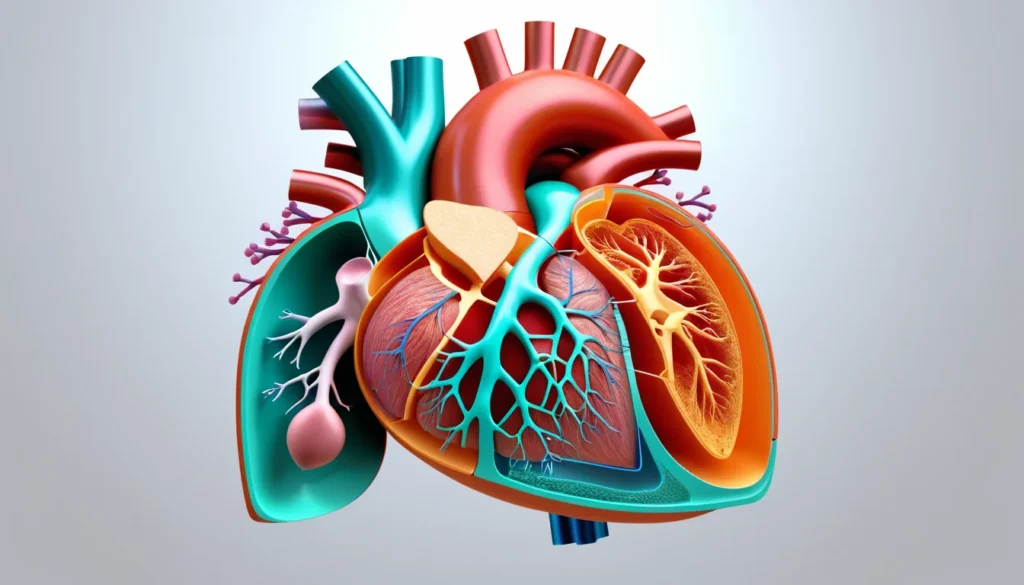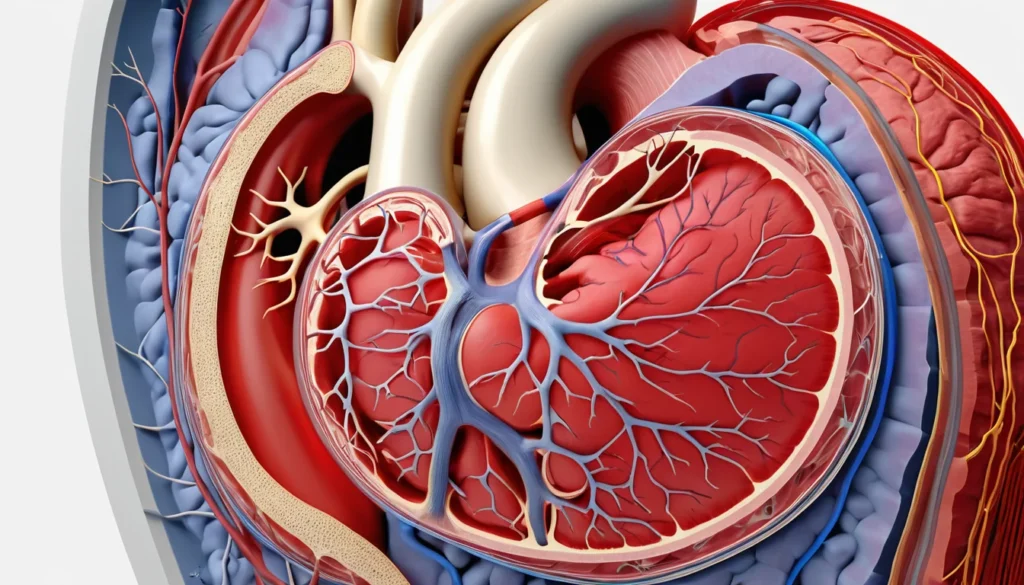
Angina and heart attack are two of the most serious heart conditions affecting Canadians today. Both are caused by reduced blood flow to the heart, and both can have life-threatening consequences. This article explains what angina and heart attacks are, how to recognize the symptoms, and what steps to take to protect your heart health.
What Is Angina and Why Does It Happen?
Angina is your heart’s way of telling you it is not getting enough oxygen. It usually happens when the coronary arteries — the blood vessels that supply your heart — become partially blocked. This blockage is most often caused by a process called atherosclerosis, where fatty, calcified plaques build up on the artery walls and reduce blood flow.
However, atherosclerosis is not the only cause. Angina can also occur when the heart is working harder than usual and needs more oxygen than it can get. In addition, other health conditions can trigger angina, including anemia, heart valve disease, irregular heart rhythms, and an overactive thyroid gland.
Coronary artery disease is the leading cause of death in Canada and around the world. According to the World Health Organization, cardiovascular diseases kill more people each year than any other cause. Angina is most common in adults over 30 and tends to affect men more often than women, though women are certainly not immune.
Types of Angina: Stable vs. Unstable
Not all angina is the same. Understanding the difference between stable and unstable angina can help you know when to seek care quickly.
Stable Angina
Stable angina is the most common form. It is triggered by physical activity or emotional stress, and it goes away with rest. If you have stable angina, you can usually predict which activities will bring on chest pain. For example, climbing stairs or walking quickly in cold weather might trigger an episode.
The pain or discomfort typically lasts no longer than five minutes. Once you stop the activity and rest, the feeling fades. Stable angina is manageable, but it is still a sign that your heart needs attention.
Unstable Angina
Unstable angina is more dangerous. It can happen at rest, during sleep, or without any warning. Unlike stable angina, you cannot predict when an episode will occur. This makes it a medical emergency.
Unstable angina is a serious warning sign of significant heart disease. It often comes before a heart attack. If you experience chest pain at rest or chest pain that is new or getting worse, call 911 or go to your nearest emergency room right away. Do not drive yourself.
How a Heart Attack Happens
A heart attack — also called a myocardial infarction — occurs when part of the heart muscle is completely cut off from blood supply. Without blood and oxygen, heart muscle cells begin to die. The longer the blockage lasts, the more damage occurs.
Most heart attacks happen when a plaque inside a coronary artery ruptures. These plaques are made up of cholesterol, white blood cells, calcium, and other substances. They are surrounded by a fibrous cap that keeps them stable.
However, if blood pressure or flow increases suddenly, that fibrous cap can crack or tear. When this happens, the body tries to repair the damage — just as it would heal a cut on your skin — by forming a blood clot. That clot can then block the artery completely, cutting off blood flow to the heart muscle and causing a heart attack.
The Mayo Clinic provides a detailed overview of heart attack causes and risk factors that is worth reading if you want to learn more.
Recognizing the Symptoms of Angina and Heart Attack
Knowing the symptoms of angina and heart attack can save your life or the life of someone you love. The symptoms can overlap, but there are key differences to watch for.
Chest Pain and Discomfort
Chest pain is the most important symptom. It usually starts in the centre of the chest and may spread to the left arm, neck, jaw, or upper abdomen. Many people describe it as a squeezing, pressure, or tightening sensation — as though someone is gripping the chest tightly.
Some people feel the pain only in a peripheral area, such as the arm or neck, without obvious chest discomfort. Others mistake the burning sensation for heartburn or indigestion. However, with angina, the pain tends to occur in the same location and follow the same pattern each time it happens.
How Long Does the Pain Last?
Angina pain typically lasts no more than five minutes and goes away with rest. If the chest pain lasts longer than five minutes and does not improve, this is a strong warning sign of a heart attack. Heart attack pain can last for hours. Do not wait — call 911 immediately.
Other Symptoms to Watch For
Beyond chest pain, both angina and heart attack can cause other symptoms. These include:
Shortness of breath
Anxiety or a feeling of doom
Cold sweats
Unusual fatigue, especially in women
Nausea or dizziness
Visual disturbances
These symptoms alone are not specific to heart conditions, but when they appear together — especially with chest discomfort — they should be taken seriously.
Risk Factors That Raise Your Chances
Several risk factors make angina and heart attack more likely. Many of these are things you can manage with the help of your family doctor or healthcare team.
High blood pressure (hypertension) — At least one in three Canadians over 30 has high blood pressure, which puts added strain on the heart.
High cholesterol — Elevated LDL cholesterol contributes to plaque buildup in the arteries.
Smoking — Smoking damages artery walls and speeds up atherosclerosis.
Obesity — Excess body weight increases the workload on the heart.
Diabetes — Uncontrolled blood sugar damages blood vessels over time.
Family history — If a close family member had heart disease, your risk is higher.
Physical inactivity — A sedentary lifestyle weakens the heart and contributes to other risk factors.
Furthermore, certain triggers can bring on an angina episode even if your arteries are only moderately narrowed. These include eating a large meal, exposure to cold weather, intense emotions, and sexual activity. Even some common over-the-counter medications — such as decongestants used for a stuffy nose — can trigger angina in some people.
How Is Angina Diagnosed in Canada?
If you have chest pain, a doctor needs to determine whether it is coming from your heart. In Canada, your family doctor is usually the first step. They will take your medical history, listen to your heart, and order appropriate tests. If you do not have a family doctor, a walk-in clinic can assess you and refer you for further testing if needed.
Common Diagnostic Tests
The most common first test is an electrocardiogram (ECG). This test records the electrical activity of your heart and can show signs of reduced blood flow or damage. It is painless and takes only a few minutes.
Your doctor may also order a stress test, sometimes called an exercise stress test. During this test, you walk on a treadmill or pedal a stationary bike while your heart activity is monitored. If angina appears during the test and shows up on the ECG, coronary artery disease is confirmed.
If more detail is needed, an echocardiogram (an ultrasound of the heart) or a coronary angiogram may be recommended. A coronary angiogram is a specialized imaging test that shows exactly where and how severely the coronary arteries are narrowed. These tests are typically covered under provincial health plans, though wait times can vary by province.
Treatment Options for Angina and Heart Disease
Treatment depends on the severity of your condition. Your doctor will work with you to find the right combination of medication and lifestyle changes. In more advanced cases, a procedure or surgery may be necessary.
Medications
There are very effective medications available today to manage angina and reduce the risk of heart attack. These include nitrates (which relax and widen blood vessels), beta-blockers (which slow the heart rate and reduce its workload), and statins (which lower cholesterol). Aspirin or other blood thinners may also be prescribed to reduce clot risk.
It is important to understand, however, that these medications treat the effects of atherosclerosis. They do not reverse the plaque buildup itself. Lifestyle changes remain essential. Health Canada offers guidance on heart disease prevention and healthy living strategies that complement any medical treatment.
Lifestyle Changes
Alongside medication, your doctor will likely recommend changes to your daily habits. Eating a heart-healthy diet rich in vegetables, fruits, whole grains, and fibre is a strong foundation. Quitting smoking, getting regular moderate exercise, managing stress, and maintaining a healthy weight all make a meaningful difference.
Procedures and Surgery
If medication and lifestyle changes are not enough, your doctor may refer you for a procedure. Angioplasty involves threading a small balloon into the blocked artery to open it up, often with a stent (a tiny mesh tube) placed to keep it open. In more complex cases, coronary artery bypass surgery may be recommended to reroute blood around the blocked arteries.
When to See a Doctor
If you experience chest pain or any of the symptoms described above, do not ignore them. See your family doctor as soon as possible. If you do not have a family doctor, visit a walk-in clinic — they can assess your symptoms and refer you for heart testing through your provincial health plan.
If your chest pain is severe, lasts more than five minutes, does not go away with rest, or comes with shortness of breath, sweating, or nausea — call 911 immediately. Every minute matters during a heart attack. Acting fast saves heart muscle and saves lives.
As always, this article is for general information only. Please speak with a qualified healthcare provider for advice about your specific health situation.
Frequently Asked Questions
What is the difference between angina and a heart attack?
Angina is chest pain caused by reduced blood flow to the heart, but the heart muscle is not permanently damaged. A heart attack occurs when blood flow is completely blocked and heart muscle cells begin to die. Angina pain usually goes away with rest, while heart attack pain is more severe and does not improve on its own.
How long does angina chest pain last?
Angina chest pain typically lasts between two and five minutes and goes away with rest or medication. If your chest pain lasts longer than five minutes or does not improve with rest, it may be a sign of a heart attack. In that case, call 911 right away.
Can angina go away on its own without treatment?
Stable angina episodes often ease on their own with rest, but the underlying coronary artery disease does not go away without treatment. Without proper medical care and lifestyle changes, angina can progress to unstable angina or a heart attack. Always see a doctor if you experience recurring chest pain.
What does angina feel like for women?
Women may experience angina and heart attack symptoms differently than men. While chest pain is still common, women are more likely to feel unusual fatigue, nausea, shortness of breath, or jaw and back pain. These subtler symptoms are sometimes overlooked, so it is important to seek medical advice if anything feels unusual.
Is angina covered under provincial health plans in Canada?
Yes, most diagnostic tests and treatments for angina and heart attack are covered under Canadian provincial health plans. This includes ECGs, stress tests, and hospital care for cardiac emergencies. However, coverage for some medications and procedures may vary by province, so check with your provincial health authority or family doctor.
What triggers an angina attack?
Common triggers for an angina attack include physical exertion, emotional stress, cold weather, heavy meals, and sexual activity. Some over-the-counter medications, such as decongestants, can also trigger an episode in people with coronary artery disease. Knowing your personal triggers can help you manage stable angina more effectively.
Key Takeaways
Angina and heart attack are both caused by reduced blood flow through the coronary arteries.
Stable angina comes on with exertion and goes away with rest. Unstable angina can happen at any time and is a medical emergency.
A heart attack happens when a coronary artery becomes completely blocked, causing heart muscle cells to die.
Key symptoms include chest pressure or pain that may spread to the arm, neck, or jaw, along with shortness of breath, sweating, and nausea.
Risk factors include high blood pressure, high cholesterol, smoking, diabetes, obesity, and family history of heart disease.
Diagnosis in Canada typically starts with your family doctor or a walk-in clinic, followed by an ECG or stress test covered by your provincial health plan.
Treatment includes lifestyle changes, medication, and in some cases, angioplasty or bypass surgery.
If you have chest pain lasting more than five minutes, call 911 immediately.