Angelman syndrome is a rare genetic disorder that causes significant developmental disabilities and neurological problems in children. It affects a child’s ability to speak, balance, and walk — and it can also cause epileptic seizures. Most children with this condition have a noticeably happy, excitable personality and smile or laugh frequently. There is no cure, but treatment can help manage the symptoms and improve quality of life.
What Is Angelman Syndrome?
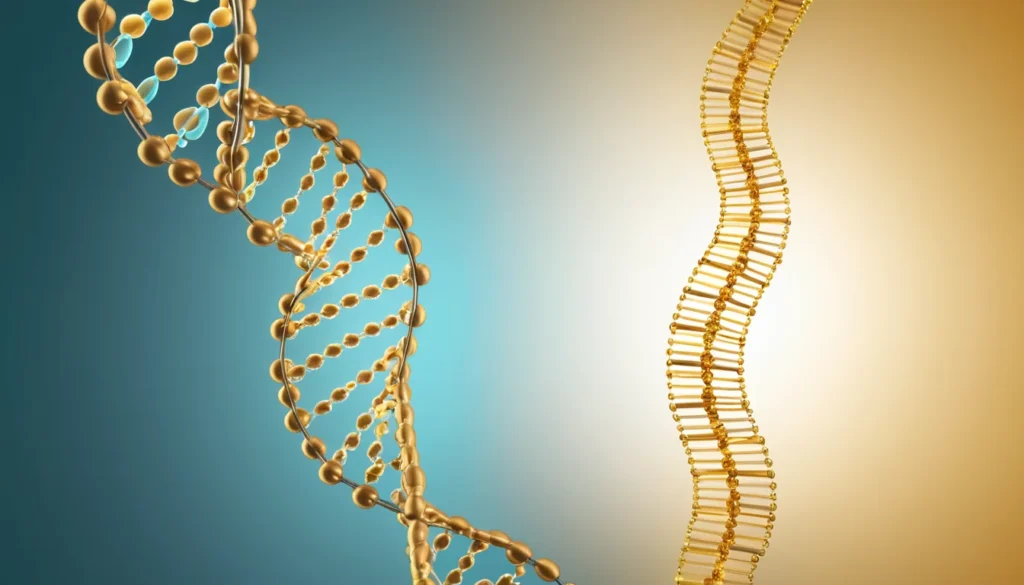
Angelman syndrome is caused by a problem with a gene on chromosome 15, called the UBE3A gene. This gene plays an important role in normal brain development. When it is missing or does not work properly, the brain cannot develop as expected.
Parents often do not notice signs of this condition at birth. In most cases, Angelman syndrome is not identified until a child is between 9 and 12 months old, when developmental delays become more obvious. Seizures often begin between ages 2 and 3.
According to Mayo Clinic’s overview of Angelman syndrome, this condition affects roughly 1 in 12,000 to 20,000 people. It is considered a rare disorder, and most families have no previous history of it.
Signs and Symptoms of Angelman Syndrome
Symptoms of Angelman syndrome usually become noticeable in the first year of life. However, some signs may not appear until a child is a toddler. It is important to know what to watch for so you can speak with your family doctor early.
Common Early Symptoms
Delays in sitting up, crawling, or babbling by 9 to 12 months
Little or no speech development
Difficulty walking or keeping balance
Trembling or jerky movements in the arms and legs
Frequent smiling and laughter, often without an obvious reason
An excitable, happy personality
Additional Symptoms to Watch For
Seizures, typically starting between ages 2 and 3
Stiff, jerky body movements
A smaller-than-normal head size, known as microcephaly
A flattened back of the skull
Crossed eyes, also called strabismus
Walking with arms raised
Light colouring of the skin, hair, and eyes (known as hypopigmentation)
Not every child will have all of these symptoms. Some children are more mildly affected than others. Therefore, it is always best to speak with a healthcare professional if you have any concerns about your child’s development.
What Causes Angelman Syndrome?
Angelman syndrome is a genetic condition. It is most often caused by a problem with the UBE3A gene, located on chromosome 15. In most cases, this gene is missing or does not function properly on the copy of chromosome 15 inherited from the mother.
Genes work in pairs — one copy comes from each parent. Normally, both copies are active in most of the body. However, in the brain, only the mother’s copy of the UBE3A gene is active. This process is called genomic imprinting.
When the mother’s copy of this gene is absent or damaged, the brain cannot carry out the functions it controls. As a result, the developmental and neurological problems associated with Angelman syndrome appear.
In a small number of cases, a child inherits both copies of chromosome 15 from the father rather than one from each parent. This also leads to Angelman syndrome because no active maternal copy of UBE3A is present in the brain.
For more detail on how genes cause this condition, visit Healthline’s guide to Angelman syndrome genetics.
Risk Factors and Inheritance
Angelman syndrome is rare. In most cases, researchers do not know what originally caused the gene mutation. The condition is not typically passed down through families — most children with Angelman syndrome have no family history of it.
However, in a small number of families, the condition can be inherited. If a parent carries the gene mutation, there is a chance they could pass it on to their child. Therefore, if your family has a history of Angelman syndrome, speak with your doctor about genetic counselling. Genetic counselling services are available through many provincial health plans across Canada.
Complications Associated With Angelman Syndrome
Children with Angelman syndrome can experience several ongoing health challenges. Understanding these complications helps families and caregivers prepare and find the right support.
Feeding Difficulties
Some infants with Angelman syndrome have trouble coordinating sucking and swallowing. This can make feeding difficult in the early months of life. In these cases, a doctor may recommend a high-calorie formula to help the baby gain weight appropriately.
Hyperactivity
Many young children with Angelman syndrome show high levels of physical activity. They may move quickly from one activity to the next and have a very short attention span. They may also frequently put their hands or toys in their mouths.
Fortunately, hyperactivity often decreases as the child gets older. Medication is not usually needed to manage this behaviour, but your healthcare team can advise you based on your child’s specific needs.
Sleep Disorders
Sleep problems are very common in people with Angelman syndrome. Many have an irregular sleep-wake cycle and need less sleep than typical. In some cases, behavioural therapy and medication can help manage these sleep disturbances effectively.
How Is Angelman Syndrome Diagnosed?
Doctors may suspect Angelman syndrome when a child shows developmental delays or specific physical features, such as a small head, frequent laughing, or problems with movement and balance. A confirmed diagnosis requires a blood test and detailed genetic testing.
Genetic Tests Used for Diagnosis
A combination of genetic tests is typically used to confirm Angelman syndrome. These include:
Chromosomal analysis (karyotype): This test examines the shape and number of chromosomes in a cell sample. It helps rule out other chromosomal conditions.
Fluorescence in situ hybridisation (FISH): This test can detect whether a section of chromosome 15 is missing.
DNA methylation test: This test looks at the imprinting pattern of the genes. In a person with Angelman syndrome, only the paternal pattern will appear in the affected gene, rather than both maternal and paternal patterns.
These tests are available through paediatric genetics clinics at major children’s hospitals and health centres across Canada. Your family doctor or paediatrician can provide a referral.
Treatment Options for Angelman Syndrome
There is currently no cure for Angelman syndrome. Because the chromosomal damage cannot be repaired, treatment focuses on managing symptoms and supporting development. A team of healthcare professionals — including paediatricians, neurologists, physiotherapists, and speech-language pathologists — will typically work together to support your child.
Anti-Seizure Medication
Seizures are one of the most serious symptoms of Angelman syndrome. Anti-epileptic medication is often prescribed to reduce their frequency and severity. Your child’s neurologist will monitor the medication and adjust it as needed over time.
Physical Therapy
Physical therapy helps children with Angelman syndrome improve their movement, balance, and coordination. Regular sessions with a physiotherapist can make a meaningful difference in a child’s ability to get around independently.
Communication and Behavioural Support
Since most children with Angelman syndrome have little or no verbal speech, communication therapy is very important. Speech-language pathologists often use alternative communication tools, such as picture boards or electronic devices. In addition, behavioural therapy can help children develop routines and manage some of the challenges of daily life.
Many of these therapies are covered or partially covered under provincial health programmes for children with disabilities. Ask your family doctor or specialist about what is available in your province.
When to See a Doctor
If you notice that your child is not babbling, crawling, or meeting other developmental milestones by 9 to 12 months, do not wait. Book an appointment with your family doctor or paediatrician as soon as possible. Early diagnosis leads to earlier support, which makes a real difference in a child’s development.
If you do not have a family doctor, a walk-in clinic can provide an initial assessment and refer you to a specialist. You can also contact your provincial health line — such as Health Link 811 in Alberta or Telehealth Ontario — for guidance on next steps.
For general information on child development and rare conditions, Health Canada’s official health resources are a trusted starting point.
Always speak with a qualified healthcare provider before making any decisions about your child’s health or treatment. This article is for informational purposes only and does not replace professional medical advice.
Frequently Asked Questions About Angelman Syndrome
What is the life expectancy for someone with Angelman syndrome?
Most people with Angelman syndrome have a normal or near-normal life expectancy. However, they will require lifelong care and support due to ongoing developmental and neurological challenges. With the right treatment and support, many individuals with Angelman syndrome can live fulfilling lives.
Can Angelman syndrome be detected during pregnancy?
In some cases, Angelman syndrome can be detected before birth through prenatal genetic testing, especially if there is a known family history. Tests such as amniocentesis or chorionic villus sampling (CVS) can check for chromosomal abnormalities. Speak with your doctor or a genetic counsellor if you have concerns during pregnancy.
Is Angelman syndrome the same as autism?
Angelman syndrome is not the same as autism, but the two conditions share some similarities, such as communication difficulties and repetitive behaviours. Angelman syndrome has a specific genetic cause involving the UBE3A gene, whereas autism spectrum disorder has a broader and more complex range of causes. A specialist can help distinguish between the two through detailed assessment and genetic testing.
Will my child with Angelman syndrome ever be able to speak?
Most children with Angelman syndrome develop little to no verbal speech. However, many children can learn to communicate using alternative methods, such as picture boards, sign language, or electronic communication devices. Early intervention with a speech-language pathologist gives children the best chance of developing meaningful communication skills.
What support is available in Canada for families affected by Angelman syndrome?
Families in Canada can access support through provincial disability programmes, children’s treatment centres, and paediatric hospitals. Many provinces offer funded therapy services, respite care, and school-based support for children with conditions like Angelman syndrome. Your child’s paediatrician or family doctor can connect you with local resources and specialists.
Is there any new research into treatments for Angelman syndrome?
Yes, researchers around the world are actively studying potential treatments for Angelman syndrome, including gene therapy approaches that aim to reactivate the paternal UBE3A gene in the brain. While no cure currently exists, clinical trials are ongoing and showing promising early results. Ask your child’s specialist about current research or trial opportunities available in Canada.
Key Takeaways
Angelman syndrome is a rare genetic disorder caused by a problem with the UBE3A gene on chromosome 15.
Signs usually appear between 9 and 12 months, including developmental delays, balance problems, and frequent laughing.
Seizures often begin between ages 2 and 3 and require medical management.
Diagnosis is confirmed through blood-based genetic testing, available through referral from a family doctor or paediatrician.
There is no cure, but physical therapy, communication therapy, anti-seizure medication, and behavioural support can significantly improve a child’s quality of life.
Canadian families can access support through provincial health programmes, children’s treatment centres, and specialist referrals.
If you have concerns about your child’s development, speak with your family doctor or visit a walk-in clinic as soon as possible.