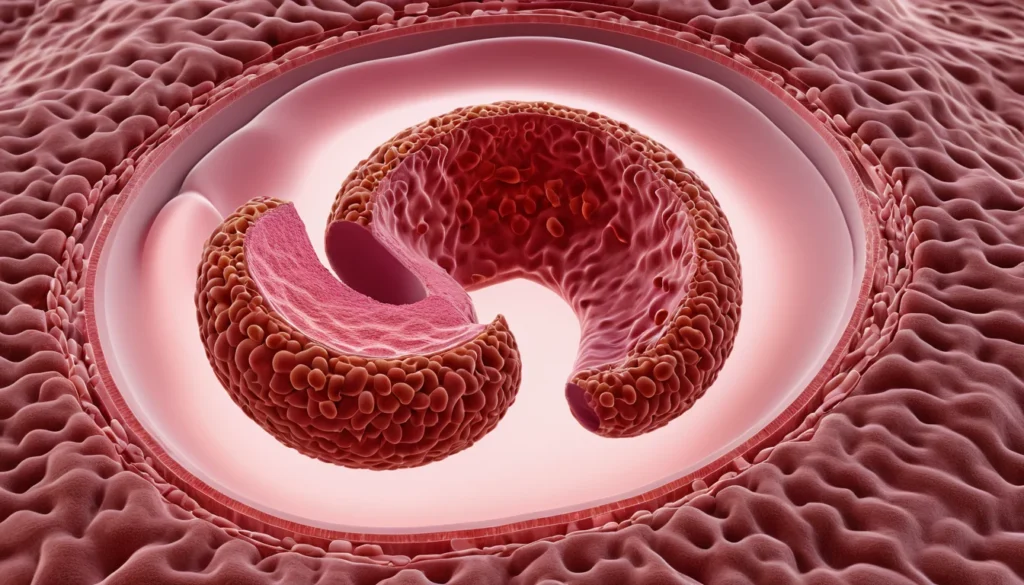
Anemia in liver cirrhosis is one of the most common complications of chronic liver disease. It happens when the liver can no longer function properly, which affects how the body produces and manages red blood cells. In Canada, liver cirrhosis affects hundreds of thousands of people, and anemia can make the condition significantly worse. Understanding the connection between these two conditions is an important step toward better health.
What Is Liver Cirrhosis?
Liver cirrhosis is a chronic, progressive disease where healthy liver tissue is gradually replaced by scar tissue. This scarring prevents the liver from doing its job properly. Over time, the liver loses its ability to filter toxins, produce proteins, and support healthy blood function.
Several factors can lead to liver cirrhosis. The most common causes include:
Long-term alcohol use: Heavy, consistent drinking damages liver cells over time and is one of the leading causes of cirrhosis in Canada.
Untreated hepatitis B or C: These viral infections act as ongoing attackers on liver tissue, slowly destroying healthy cells.
Long-term use of certain medications: Some drugs are processed through the liver and can cause liver toxicity, especially with prolonged use. Always check with your pharmacist or doctor about the risks.
According to Health Canada, chronic liver disease is a growing public health concern. Catching cirrhosis early gives patients a much better chance of managing complications like anemia.
What Is Anemia and Why Does It Matter?
Anemia is a condition where the blood cannot carry enough oxygen to the body’s organs and tissues. Most people think of anemia as simply having a low red blood cell count. However, it also includes cases where red blood cells exist but cannot carry oxygen efficiently.
When your body lacks enough functional red blood cells, you may feel constantly tired, short of breath, or dizzy. For someone already dealing with liver cirrhosis, anemia adds another serious burden on the body. It can make everyday activities feel exhausting and slow down the body’s ability to heal.
How Anemia in Liver Cirrhosis Develops
The relationship between anemia in liver cirrhosis is complex, but it follows a clear biological pathway. When the liver is damaged by chronic disease, the body responds with inflammation. This inflammation triggers the release of a signalling protein called Interleukin-6 (IL-6).
IL-6 then stimulates the liver to produce a hormone called hepcidin. Hepcidin reduces the activity of a protein called ferroportin, which is responsible for transporting iron through the body. Without enough ferroportin, iron cannot move freely.
Iron is essential for making haemoglobin — the molecule inside red blood cells that carries oxygen. When iron levels drop, the bone marrow cannot produce enough healthy red blood cells. As a result, anemia develops.
Interestingly, the body does this partly as a defence mechanism. By locking up iron, the body tries to starve harmful bacteria of the iron they need to survive. However, this protective response unfortunately also reduces the body’s ability to make red blood cells, leading to anemia as an unintended side effect.
The Role of the Spleen in Liver Cirrhosis Anemia
In most people with liver cirrhosis, the spleen becomes enlarged. This happens because the liver’s reduced function shifts extra workload onto the spleen. The spleen starts working harder to manage blood production and the removal of old or damaged blood cells.
However, a larger spleen does not mean a more effective spleen. In fact, an enlarged spleen often destroys red blood cells faster than the body can replace them. This condition is called hypersplenism, and it directly worsens anemia.
Hypersplenism is closely linked to a condition called portal hypertension — high blood pressure in the portal vein system that feeds the liver. This is a well-known complication of advanced cirrhosis and contributes significantly to anemia.
Internal Bleeding: A Hidden Cause of Anemia in Liver Cirrhosis
One of the most serious ways that anemia in liver cirrhosis develops is through internal bleeding. Liver damage weakens the blood vessel walls throughout the digestive system. This leads to several dangerous conditions that can cause hidden blood loss.
Oesophageal Varices
Oesophageal varices are swollen, fragile veins in the lower part of the oesophagus (the tube connecting your throat to your stomach). They form as a result of increased pressure in the portal vein system. These veins can rupture and bleed heavily, sometimes without warning. This type of bleeding is a medical emergency.
Haemorrhoids
Liver cirrhosis also increases the risk of haemorrhoids — swollen veins in the lower rectum and anus. While haemorrhoids are common in the general population, cirrhosis-related haemorrhoids can bleed more severely and more frequently. Repeated small bleeds can quietly lead to significant blood loss over time.
Gastric Ulcers and Stomach Lining Damage
Alcohol and certain medications damage more than just the liver. On their way through the digestive system, these substances also damage the stomach lining. This can cause gastritis (stomach inflammation) or ulcers, which may bleed internally. Ongoing blood loss from these sources steadily reduces the body’s red blood cell supply and worsens anemia.
The Mayo Clinic provides detailed information on cirrhosis complications, including the connection between internal bleeding and blood health.
The Impact of Alcohol on Red Blood Cells
For people whose cirrhosis is caused by alcohol use, continued drinking directly damages red blood cells. Alcohol disrupts the normal production cycle of red blood cells in the bone marrow. It also weakens the immune system’s ability to respond to infections, which leads to further inflammation and worsened anemia.
Furthermore, alcohol directly destroys existing red blood cells. This means that if a person continues to drink after a cirrhosis diagnosis, they face a triple threat: worsening liver damage, direct red blood cell destruction, and reduced immune function. The anemia that follows is a direct consequence of this ongoing behaviour.
Stopping or significantly reducing alcohol consumption is one of the most effective ways to slow the progression of both cirrhosis and its related anemia. Speaking with your family doctor about alcohol cessation programmes available through your provincial health plan is a great first step.
Recognising the Symptoms of Anemia in Liver Cirrhosis
Anemia caused by liver cirrhosis can develop gradually, making it easy to overlook at first. However, there are clear signs to watch for. Common symptoms include:
Persistent fatigue and weakness that does not improve with rest
Pale skin or a yellowish skin tone (jaundice), which is also a sign of liver problems
Shortness of breath, even with light activity
Rapid or irregular heartbeat
Dizziness or lightheadedness
Cold hands and feet
Difficulty concentrating or thinking clearly
These symptoms can overlap with general signs of liver cirrhosis, which is why blood tests are essential for a proper diagnosis. A simple complete blood count (CBC) test can identify anemia quickly. Your family doctor can order this through your provincial health coverage.
For a broader overview of anemia and its causes, Healthline’s guide to anemia is a helpful starting resource.
When to See a Doctor
If you have been diagnosed with liver cirrhosis, regular monitoring is essential. You should contact your family doctor as soon as possible if you notice any of the symptoms listed above. Do not wait for your next scheduled appointment if symptoms come on suddenly or feel severe.
If you do not have a family doctor, a walk-in clinic can assess your symptoms, order blood tests, and refer you to a specialist if needed. Most provincial health plans in Canada cover these visits.
Seek emergency care immediately if you experience:
Vomiting blood or material that looks like coffee grounds
Black, tarry, or bloody stools
Sudden severe dizziness or fainting
Rapid heart rate with extreme weakness
These could be signs of a serious internal bleed, which is a life-threatening emergency. Call 911 or go to your nearest emergency department right away.
Always speak with a qualified healthcare provider before making any changes to your health management. The information in this article is for educational purposes only and does not replace professional medical advice.
Frequently Asked Questions About Anemia in Liver Cirrhosis
What causes anemia in liver cirrhosis?
Anemia in liver cirrhosis develops through several pathways, including chronic inflammation that disrupts iron metabolism, an enlarged spleen that destroys red blood cells too quickly, and internal bleeding from conditions like oesophageal varices or stomach ulcers. Continued alcohol use also directly damages red blood cells and worsens the condition. Your doctor can identify the specific cause with blood tests.
Can anemia from liver cirrhosis be treated?
Yes, treatment is possible, but it depends on the underlying cause. Managing the liver disease itself is the most important step, which may include stopping alcohol use, treating hepatitis, or adjusting medications. Your doctor may also recommend iron supplementation, dietary changes, or in some cases, procedures to address internal bleeding.
Is anemia a sign that liver cirrhosis is getting worse?
Anemia in liver cirrhosis can be a sign of disease progression, especially if it develops alongside other complications like an enlarged spleen or internal bleeding. However, anemia can also appear in the earlier stages of chronic liver disease. Regular blood monitoring through your provincial health plan helps track how your condition is changing over time.
What are the symptoms of anemia in someone with liver disease?
Common symptoms include persistent fatigue, pale or yellowish skin, shortness of breath, dizziness, and a rapid heartbeat. These symptoms can overlap with those of liver cirrhosis itself, so a blood test is the most reliable way to confirm anemia. Talk to your family doctor or visit a walk-in clinic if you notice these signs.
How does alcohol make anemia in liver cirrhosis worse?
Alcohol directly damages red blood cells and interferes with the bone marrow’s ability to produce new ones. In people with liver cirrhosis, continued alcohol use accelerates liver scarring, worsens inflammation, and reduces the immune system’s effectiveness. This combination makes anemia significantly harder to treat and manage.
Should I go to the emergency room if I have cirrhosis and feel very weak?
If your weakness is sudden and severe, especially if it comes with vomiting blood, black stools, or fainting, you should call 911 or go to the nearest emergency department immediately. These could be signs of serious internal bleeding, which is a medical emergency. For milder symptoms, your family doctor or a walk-in clinic can help assess your situation.
Key Takeaways
Anemia in liver cirrhosis is a common and serious complication of chronic liver disease.
It develops through multiple pathways, including disrupted iron metabolism, an enlarged spleen, and internal bleeding from damaged blood vessels.
Alcohol use directly destroys red blood cells and accelerates both cirrhosis and anemia.
Symptoms such as fatigue, pale skin, dizziness, and shortness of breath should not be ignored.
Internal bleeding from oesophageal varices, haemorrhoids, or stomach ulcers is a medical emergency — call 911 if you suspect serious bleeding.
Canadians can access testing and specialist referrals through their family doctor, walk-in clinic, or provincial health plan.
Early diagnosis and consistent medical follow-up offer the best chance of managing both conditions effectively.