Anaphylactic shock is one of the most serious medical emergencies a person can face. It happens when the body has an extreme allergic reaction that causes a sudden, dangerous drop in blood pressure and can block the airways. Without fast treatment, anaphylactic shock can be fatal. This article explains what causes it, what warning signs to watch for, and what steps to take right away.
What Is Anaphylactic Shock?
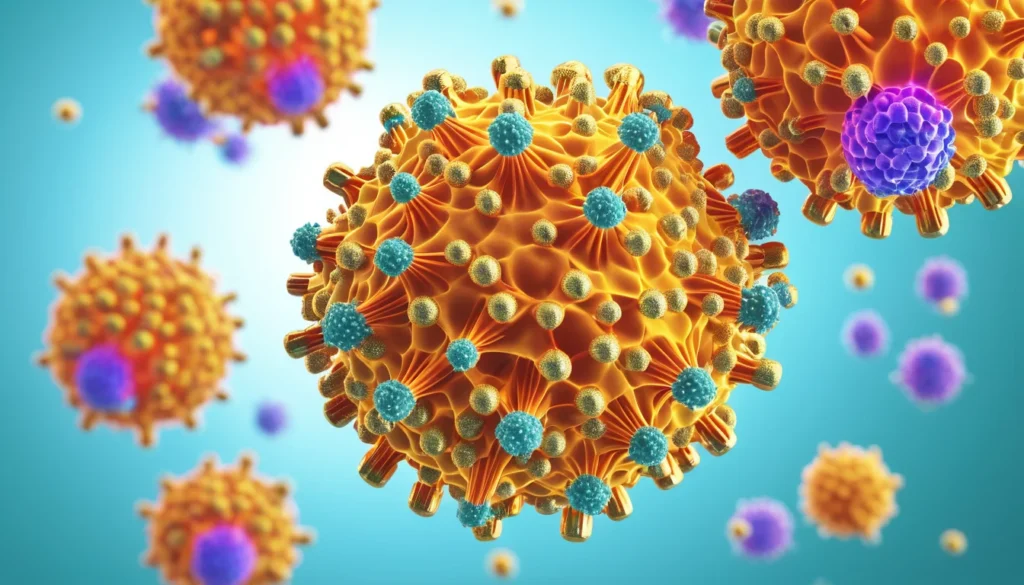
Anaphylactic shock is a severe, whole-body allergic reaction. It is also called anaphylaxis. The body’s immune system overreacts to a substance it sees as harmful, even when that substance is normally harmless.
This overreaction triggers a flood of chemicals in the body. Those chemicals cause blood pressure to drop suddenly and the airways to narrow. As a result, the body goes into shock. Shock means the organs are not getting enough blood or oxygen to work properly.
Anaphylaxis is rare, but it is a true medical emergency. According to Health Canada, severe allergic reactions affect a significant number of Canadians every year. Knowing the signs and acting fast can save a life.
Common Causes and Triggers
Anaphylactic shock does not happen without a trigger. The most common triggers are everyday substances that most people tolerate without any problem.
Food Triggers
Food is one of the leading causes of anaphylaxis in Canada. Common food triggers include:
Milk and dairy products
Eggs
Fish and shellfish
Peanuts and tree nuts
Wheat and soy
Even a tiny amount of a trigger food can set off a severe reaction in someone who is highly allergic. Cross-contamination in restaurants or food processing plants is also a real risk.
Medication Triggers
Certain medications can also cause anaphylactic shock. Common culprits include antibiotics such as penicillin, pain relievers, local anaesthetics, and serums or vaccines. If you have had a reaction to any medication in the past, always tell your pharmacist and family doctor before taking anything new.
Insect Stings and Other Triggers
Insect stings, especially from bees or wasps, can trigger anaphylaxis in some people. In some cases, a person may have no prior reaction on the first sting, but a second or later sting can cause a severe response. Latex and exercise are other less common triggers.
Recognising the Symptoms of Anaphylactic Shock
Symptoms of anaphylactic shock come on quickly. They usually appear within minutes to one hour after contact with the trigger. The speed and severity can vary from person to person.
Early Warning Signs
The reaction often starts with a strong feeling of being unwell. This is sometimes described as a sense of dread or doom. Early signs include:
Intense itching, especially in the palms
Chills and sweating
Skin that first turns pale, then becomes flushed or red
A skin rash or hives (urticaria)
These early symptoms may seem mild at first. However, they can quickly progress into something far more dangerous. Do not wait to see if things improve on their own.
More Serious Symptoms
As anaphylactic shock develops, the symptoms become more severe. These include:
Difficulty breathing or a tight feeling in the chest
A rapid drop in blood pressure
A pulse that becomes very weak or nearly undetectable
Swelling of the face, lips, or throat (sometimes called angioedema or Quincke’s oedema)
Vomiting or bloody diarrhoea
Asthma-like symptoms such as wheezing
Loss of consciousness
Throat swelling is especially dangerous because it can completely block the airway. Furthermore, the sudden drop in blood pressure means the heart and brain may not receive enough oxygen. In the most severe cases, death can occur without immediate treatment. For a full overview of symptoms, visit the Mayo Clinic’s guide to anaphylaxis symptoms.
What to Do During an Anaphylactic Shock Emergency
Anaphylactic shock is a 911 emergency. Every second counts. Knowing what to do before help arrives can make the difference between life and death.
Step 1: Use Epinephrine Right Away
Epinephrine (also called adrenaline) is the first and most important treatment for anaphylactic shock. It works quickly to relax the airways, raise blood pressure, and reduce swelling. Many Canadians at risk carry an epinephrine auto-injector, commonly known as an EpiPen.
If the person has an auto-injector, use it immediately. Inject it into the outer thigh, even through clothing. Do not hesitate. Using epinephrine early gives the best outcome.
Step 2: Call 911
Even if epinephrine has been given, always call 911 right away. The person needs emergency medical care and close monitoring. Anaphylaxis can return in what is called a biphasic reaction, where symptoms come back hours later. Emergency responders may give additional doses of epinephrine, corticosteroids, or antihistamines. They may also support the airway with a breathing tube if needed.
Step 3: Keep the Person Calm and Still
Help the person lie down with their legs raised, unless they are having trouble breathing. If breathing is difficult, help them sit up slightly. Do not give them anything to eat or drink. Stay with them until emergency services arrive.
Medical Treatment for Anaphylactic Shock
Once emergency services arrive, or once the person reaches a hospital, medical treatment continues. Anaphylaxis always requires emergency care, usually in a hospital setting.
Intravenous Epinephrine and Supportive Care
In hospital, doctors may give epinephrine intravenously (directly into a vein) for faster action. This is especially important in severe cases where blood pressure has collapsed.
In addition, doctors may give corticosteroids to reduce ongoing inflammation. Antihistamines are also used, though they work more slowly and are not a substitute for epinephrine. In some cases, doctors need to insert a breathing tube to keep the airway open. This is called tracheal intubation.
Monitoring After the Event
After initial treatment, the person is usually kept in hospital for observation. This is because of the risk of a biphasic reaction. Medical staff monitor heart rate, blood pressure, and breathing. Most people recover fully with prompt treatment, but the experience can be frightening and exhausting.
Prevention and Long-Term Management
Preventing anaphylactic shock is the safest strategy for anyone at risk. The good news is that there are practical steps you can take every day.
Avoid Known Triggers
The most effective prevention is avoiding the substance that caused the reaction. If a food trigger is identified, read labels carefully at the grocery store. Tell restaurant staff about your allergy every time you visit. If a medication caused a reaction, make sure every healthcare provider you see knows about it.
Carry an Epinephrine Auto-Injector
Anyone who has experienced anaphylaxis should carry an epinephrine auto-injector at all times. Your family doctor or allergist can prescribe one. In Canada, these are covered by many provincial health plans and employer benefit programmes. Check with your provincial health authority to find out what coverage is available to you.
Make sure the people around you — family members, coworkers, teachers — know where you keep your auto-injector and how to use it. Many schools and workplaces across Canada have policies in place for this very reason.
Allergy Testing and Desensitisation
If you are not sure what is triggering your reactions, an allergist can perform testing to identify the cause. In some cases, a treatment called desensitisation (or allergen immunotherapy) may be an option. This involves receiving small, gradually increasing doses of the allergen over time. The goal is to reduce the body’s sensitivity to the trigger. This process should always be done under medical supervision.
You can learn more about allergen management from the World Health Organization’s fact sheet on anaphylaxis.
When to See a Doctor or Seek Emergency Care
If you or someone near you shows signs of anaphylactic shock, call 911 immediately. This is not a situation for a walk-in clinic visit or a call to a telehealth line. It requires emergency hospital care right away.
However, if you have had a milder allergic reaction in the past — such as hives or mild swelling — it is still important to follow up with your family doctor or a walk-in clinic as soon as possible. A milder reaction today can become a severe one the next time.
Your family doctor can refer you to an allergist, help you get a prescription for an epinephrine auto-injector, and create an anaphylaxis action plan with you. This plan tells you and the people around you exactly what to do in an emergency. Provincial health plans across Canada generally cover allergy specialist visits when you have a referral from your family doctor.
Always talk to your doctor before making any changes to your medications or allergy management plan. The information in this article is for general education only and does not replace professional medical advice.
Frequently Asked Questions About Anaphylactic Shock
How quickly does anaphylactic shock happen after exposure to a trigger?
Anaphylactic shock usually begins within minutes of contact with the trigger, though it can sometimes take up to one hour. The faster the reaction starts, the more severe it tends to be. This is why carrying an epinephrine auto-injector at all times is so important for people at risk.
Can anaphylactic shock happen the first time you are exposed to something?
True anaphylactic shock is less common on a first exposure, because the immune system typically needs a prior contact to become sensitised. However, some people can have a strong initial reaction to insect stings or certain medications. After that first sensitisation, later exposures can trigger full anaphylaxis.
What is the difference between a severe allergic reaction and anaphylactic shock?
Anaphylactic shock is the most severe form of an allergic reaction. A regular allergic reaction might cause hives, a runny nose, or itchy eyes. Anaphylactic shock involves life-threatening symptoms such as airway swelling, a dramatic drop in blood pressure, and loss of consciousness.
Is an EpiPen the same as the treatment for anaphylactic shock?
An EpiPen delivers epinephrine, which is the first-line treatment for anaphylactic shock. Using it quickly can slow or stop the reaction. However, an EpiPen is not a complete treatment on its own — you must still call 911, because further medical care is always needed after using the device.
Can you survive anaphylactic shock without epinephrine?
Survival without epinephrine is possible in mild cases, but it is extremely risky. Anaphylactic shock can worsen very quickly, and epinephrine is the only medication proven to reverse the most dangerous effects fast enough to save a life. Antihistamines and other drugs act too slowly on their own to treat anaphylaxis safely.
How do I get an EpiPen covered in Canada?
In Canada, coverage for epinephrine auto-injectors varies by province. Many provincial drug benefit programmes cover them with a valid prescription, and most employer health benefit plans include them as well. Ask your family doctor for a prescription and contact your provincial health authority or benefits provider to confirm your coverage.
Key Takeaways
Anaphylactic shock is a life-threatening whole-body allergic reaction that requires immediate emergency care.
Common triggers include foods like shellfish, eggs, and milk, as well as medications, insect stings, and latex.
Symptoms come on fast and include hives, breathing difficulty, face swelling, a dangerous drop in blood pressure, and possible loss of consciousness.
Always call 911 immediately. Use an epinephrine auto-injector right away if one is available.
Anyone at risk should carry an EpiPen at all times and have a written anaphylaxis action plan.
Prevention includes avoiding known triggers, wearing medical alert identification, and considering allergen desensitisation under medical supervision.
Follow up with your family doctor after any allergic reaction, even a mild one, to create a safety plan and get the right referrals.