Understanding anal sex risks is an important part of making informed decisions about your sexual health. Anal sex carries a higher chance of injury and infection than vaginal or oral sex. This article covers the key health risks, how to reduce them, and when to speak with a healthcare provider.
Why Anal Sex Carries the Highest Sexual Health Risks
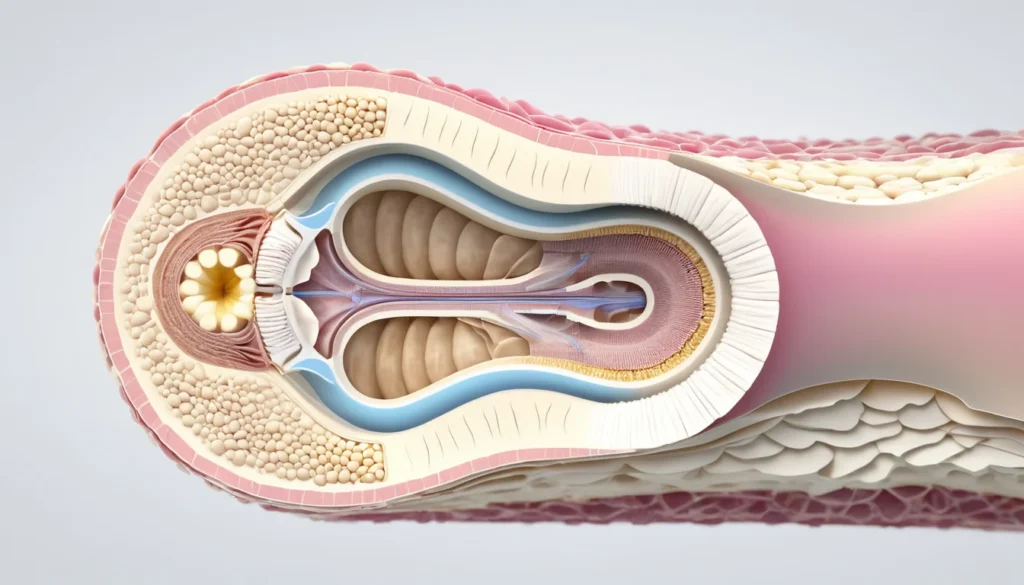
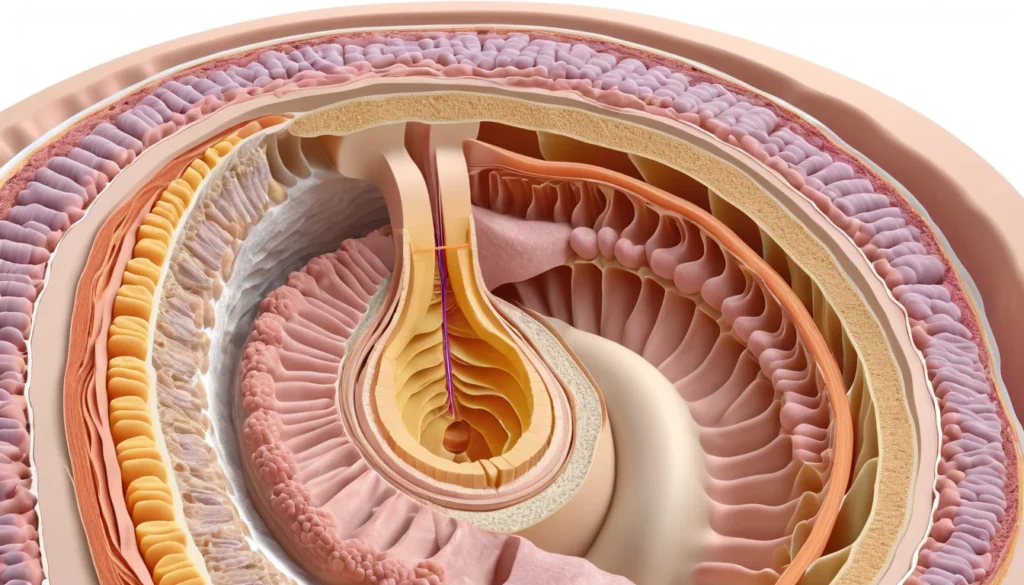
Health experts consider anal sex the highest-risk type of sexual activity. The tissue lining the anus and rectum is thin and tears more easily than vaginal tissue. Unlike the vagina, the anus does not produce its own lubrication.
These two factors — fragile tissue and no natural lubrication — make anal sex more likely to cause small cuts or tears. Those small injuries create entry points for bacteria and viruses. As a result, the risk of infection rises significantly.
According to Health Canada’s sexual health resources, practising safer sex consistently is the most effective way to reduce these risks.
Anal Sex Risks: Bacterial Infections and Abscesses
The rectum and anus are part of the digestive tract. Stool passes through this area and carries large amounts of bacteria. When tissue tears occur during anal sex, bacteria can enter the body through those openings.
This can lead to anal abscesses — deep, painful infections under the skin near the anus. These infections often require antibiotics and, in some cases, minor surgery to drain. Left untreated, they can become serious.
How to Reduce Your Risk of Bacterial Infections
There are several practical steps you can take to lower your risk of bacterial infections during anal sex:
Use a water-based lubricant to reduce tissue tearing.
Use a condom and change it when switching between anal and vaginal sex.
Stop immediately if you feel pain or discomfort.
Avoid spermicide-containing products during anal sex, as they can increase irritation.
These steps will not eliminate risk entirely, but they can make a real difference. Small habits consistently applied add up to better protection over time.
Anal Sex and Sexually Transmitted Infections (STIs)
One of the most serious anal sex risks is the increased chance of getting a sexually transmitted infection (STI). Tissue tears give viruses and bacteria a direct path into the bloodstream. This makes anal sex the highest-risk sexual behaviour for HIV transmission.
According to the World Health Organization’s HIV fact sheet, the receptive partner (the person receiving) in anal sex is about 13 times more likely to acquire HIV from an infected partner than in other forms of sex.
STIs Commonly Transmitted Through Anal Sex
Several STIs spread easily through anal sex, including:
Chlamydia
Gonorrhoea
Hepatitis A, B, and C
HIV
Herpes (HSV-2)
Syphilis
Many of these infections are chronic, meaning there is no complete cure. However, most are manageable with proper medical treatment. Early testing and treatment are essential.
Condoms and PrEP: Your Best Defences
Condoms significantly reduce the risk of STI transmission during anal sex. However, they are not 100% effective. Using them correctly and consistently gives you the best protection available.
If you are at higher risk for HIV, talk to your doctor about PrEP (pre-exposure prophylaxis). PrEP is a daily medication that greatly reduces your risk of getting HIV. It is available in Canada and covered under many provincial drug benefit programmes. Ask your family doctor or visit a sexual health clinic to find out if it is right for you.
Also note that oil-based lubricants break down latex condoms. Always choose a water-based lubricant when using latex condoms to ensure they stay effective.
Anal Sex Risks: Haemorrhoids and Anal Fissures
Haemorrhoids are swollen blood vessels inside the rectum or around the anus. They can cause pain, itching, and bleeding — even without anal sex. Anal sex does not cause haemorrhoids in people who do not already have them, but it can make existing haemorrhoids much worse.
The friction and pressure of anal sex irritate swollen tissue. This can increase pain, bleeding, and discomfort after the act. Using plenty of water-based lubricant can reduce this irritation, but it may not prevent it entirely.
Anal fissures — small tears in the lining of the anus — are another common concern. These tears are painful and can bleed. They usually heal on their own, but deep or repeated fissures may need medical treatment. If you notice ongoing pain or bleeding, see your doctor.
Anal Fistulas: A Rare but Serious Complication
An anal fistula is a more serious complication. It occurs when a tear in the anal or rectal lining is deep enough to create an abnormal channel connecting the inside of the anus to the skin nearby. In severe cases, this channel can extend into surrounding tissue or organs.
Fistulas are considered a medical emergency in some cases. They allow stool — which carries large amounts of bacteria — to leak into areas of the body where it does not belong. This can cause severe infections and significant tissue damage.
Treatment for anal fistulas usually involves surgery, followed by a course of antibiotics. The best prevention is consistent lubrication and stopping sexual activity at the first sign of pain. These complications are rare, but their severity makes prevention very important.
Can Anal Sex Lead to Pregnancy?
A common misconception is that pregnancy cannot result from anal sex. In theory, this is mostly true — sperm cannot travel from the rectum to fertilise an egg directly. However, semen can sometimes move from the anal area to the vaginal opening, making pregnancy possible in rare cases.
The chances of this happening are very low, but not zero. If you want to prevent pregnancy completely, use a condom during anal sex. If partners plan to switch from anal to vaginal sex, they should change condoms first. This step also reduces the spread of bacteria from the rectum to the vagina.
Long-Term Anal Sex Risks: What the Research Says
Some people worry that regular anal sex may cause long-term damage to the rectum, leading to faecal incontinence — difficulty controlling bowel movements. The research on this is mixed.
A 2016 study involving over 4,000 adults found that people who had engaged in anal sex had a slightly higher rate of faecal incontinence compared to those who had not. However, the study did not fully account for other factors that could explain the difference.
Therefore, researchers and doctors have not reached a firm conclusion. Some experts believe there may be a link. Others argue the evidence is not strong enough to confirm one. Furthermore, many people engage in anal sex throughout their lives without experiencing any long-term complications.
The safest approach is to use proper lubrication, go slowly, stop if there is pain, and speak with a healthcare provider if you have any concerns about your anal or rectal health.
When to See a Doctor
You should speak with a healthcare provider if you notice any of the following after anal sex:
Persistent pain or pressure in the anal or rectal area
Bleeding that does not stop within a day or two
Signs of infection: swelling, warmth, pus, or fever
Unusual discharge from the anus
Difficulty controlling bowel movements
Your family doctor is a great first point of contact for sexual health concerns. If you do not have a family doctor, a walk-in clinic or a local sexual health centre can help. Many provincial health plans across Canada cover STI testing and treatment. You can also access free or low-cost STI testing through public health units in most provinces.
Do not wait or feel embarrassed. Healthcare providers discuss these topics every day. Early treatment leads to much better outcomes. Always consult your doctor before making changes to your sexual health practices, especially if you are considering PrEP or have an existing health condition.
For more information on sexual health and STI prevention, visit the Healthline guide to anal sex safety.
Frequently Asked Questions About Anal Sex Risks
What are the main health risks of anal sex?
The main anal sex risks include bacterial infections, sexually transmitted infections (STIs) such as HIV and gonorrhoea, anal fissures, worsened haemorrhoids, and in rare cases, anal fistulas. The thin tissue of the rectum tears more easily than vaginal tissue, which makes these risks higher than with other types of sex. Using condoms and water-based lubricant consistently can reduce many of these risks.
Is anal sex the riskiest type of sex for HIV transmission?
Yes, anal sex carries the highest risk of HIV transmission among sexual activities. The receptive partner faces roughly 13 times the risk of acquiring HIV compared to other sexual behaviours. Using condoms correctly and considering PrEP medication can significantly lower this risk.
Can anal sex cause permanent damage?
Research on long-term anal sex risks is mixed. Some studies suggest a possible link between regular anal sex and faecal incontinence, but the evidence is not conclusive. Most people who practise anal sex with proper safety measures do not experience lasting damage. Speak with your doctor if you have concerns about your rectal health.
Do condoms fully protect against anal sex risks?
Condoms greatly reduce — but do not completely eliminate — the risks of STIs and bacterial infections during anal sex. They are most effective when used correctly every time. Pairing condoms with a water-based lubricant offers the best available protection against anal sex risks.
What is PrEP and is it available in Canada?
PrEP (pre-exposure prophylaxis) is a daily medication that reduces the risk of HIV infection by over 99% when taken consistently. It is available in Canada and covered under several provincial drug benefit programmes. Talk to your family doctor or visit a sexual health clinic to find out if PrEP is right for you.
Can you get pregnant from anal sex?
Pregnancy from anal sex alone is extremely unlikely, but not entirely impossible. Semen could move from the anal area to the vaginal opening in rare circumstances. Using a condom during anal sex and changing it before switching to vaginal sex is the safest approach to preventing both pregnancy and infection.
Key Takeaways
Anal sex carries higher health risks than vaginal or oral sex due to fragile tissue and lack of natural lubrication.
STIs, including HIV, spread more easily through anal sex. The receptive partner faces the greatest risk.
Condoms and water-based lubricant are your most important tools for reducing anal sex risks.
Oil-based lubricants damage latex condoms. Always use water-based products.
PrEP is available in Canada for people at higher risk of HIV. Ask your doctor or visit a sexual health centre.
Stop if you feel pain. Pain is a signal that something may be wrong.
See a doctor if you experience bleeding, discharge, fever, or persistent discomfort after anal sex.
Most provincial health plans cover STI testing. Use your local walk-in clinic or public health unit if you do not have a family doctor.