Anal cancer is a disease where malignant (cancerous) cells grow in the tissues of the anal region. While it is less common than other cancers, it is important for Canadians to understand its warning signs, risk factors, and treatment options. Early detection gives you the best chance of successful treatment. This article covers everything you need to know, from symptoms to staging, so you can make informed decisions about your health.
What Is Anal Cancer?
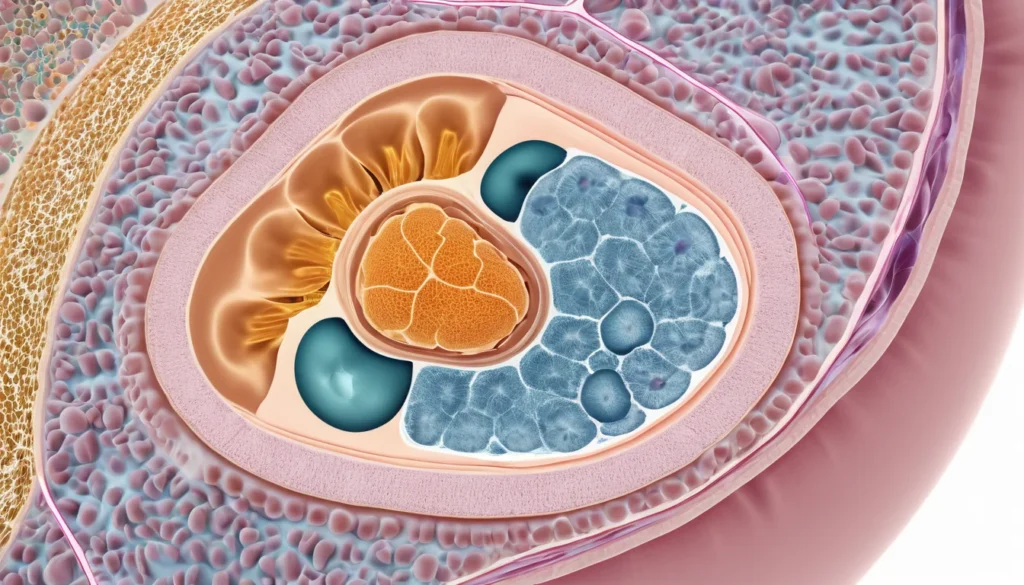
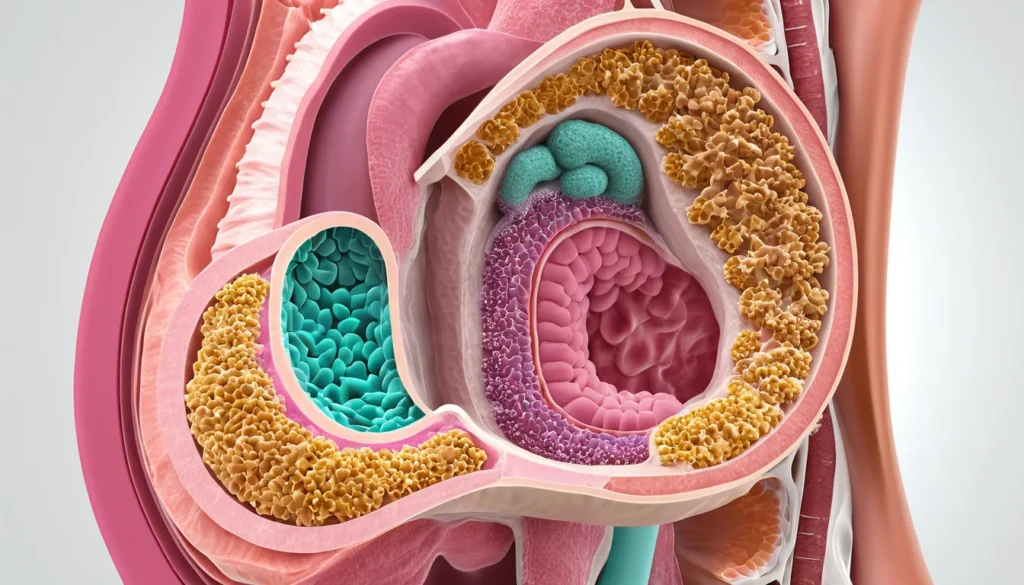
The anus is the final part of the large intestine, located just after the rectum. It is the opening through which stool leaves the body. Two ring-shaped muscles, called sphincter muscles, control the opening and closing of the anus.
The anal canal sits between the rectum and the anal opening. It is roughly 3.75 cm (about 1.5 inches) long. The skin surrounding the anus is called the perianal area. Tumours in this outer area may be classified as skin cancers rather than true anal cancer.
One important risk factor for anal cancer is infection with the human papillomavirus (HPV). HPV is a very common sexually transmitted infection. According to Health Canada, HPV vaccination is available and recommended as part of routine immunisation programmes in all provinces and territories.
Risk Factors for Anal Cancer
Certain factors can raise your chances of developing anal cancer. Knowing these risk factors helps you have an informed conversation with your family doctor or healthcare provider.
Common risk factors include:
Being over 50 years of age
Having an HPV infection
Having multiple sexual partners
Practising receptive anal intercourse
Frequent anal redness, inflammation, or itching
Having anal fistulas (an abnormal tunnel between two body cavities or surfaces)
Smoking cigarettes
Having one or more of these risk factors does not mean you will develop cancer. However, it does mean you should speak with your doctor about screening and prevention options. Quitting smoking, for example, is one of the most effective changes you can make to lower your overall cancer risk.
Recognising the Symptoms of Anal Cancer
Symptoms of anal cancer can be easy to overlook or mistake for more common conditions like haemorrhoids. However, it is always better to get unusual symptoms checked out rather than ignore them.
Possible signs of anal cancer include:
Bleeding from the anus or rectum
Pain or pressure in the perianal area
Itching or discharge from the anus
A lump or swelling near the anus
A change in bowel habits, such as diarrhoea or constipation
It is important to note that other conditions can cause these same symptoms. For example, haemorrhoids, anal fissures, and infections can all cause bleeding or discomfort. Therefore, only a qualified medical professional can determine the true cause. Do not try to diagnose yourself at home.
When to See a Doctor
You should see a doctor if you notice any of the symptoms listed above. In Canada, your family doctor is always a good first point of contact. If you do not have a family doctor, a walk-in clinic can assess your symptoms and refer you to a specialist if needed.
Do not delay seeking care out of embarrassment. Doctors discuss these symptoms regularly and are there to help, not to judge. The earlier anal cancer is caught, the more treatment options are available to you.
Your provincial health plan covers most diagnostic tests and referrals related to suspected cancer. Check with your provincial health authority to understand your coverage and next steps. You can also find general guidance through the Mayo Clinic’s overview of anal cancer symptoms and causes.
How Is Anal Cancer Diagnosed?
Several tests and procedures help doctors find and diagnose anal cancer. Your doctor will choose the right tests based on your symptoms and medical history.
Physical Exam and Medical History
Your doctor will begin with a full physical exam. They will ask about your health history, any previous illnesses, and your lifestyle habits. This helps them understand your overall health picture before ordering further tests.
Digital Rectal Exam (DRE)
In a digital rectal exam, the doctor or nurse inserts a gloved, lubricated finger into the lower rectum. They feel for any lumps or unusual areas. This is a quick, common, and important part of the examination process.
Anoscopy and Proctoscopy
An anoscopy uses a short, lighted tube called an anoscope to examine the anus and lower rectum. A proctoscopy is a similar procedure that focuses on the rectum using a tool called a proctoscope. Both procedures allow the doctor to see the inside of the anal canal clearly.
Endoanal or Endorectal Ultrasound
In this procedure, a small ultrasound probe is inserted into the anus or rectum. The ultrasound sends sound waves that bounce off internal tissues and organs. This creates an image called a sonogram, which helps doctors see the size and location of any abnormal tissue.
Biopsy
A biopsy involves removing a small sample of cells or tissue. A pathologist then examines the sample under a microscope to look for cancer cells. If an abnormal area is spotted during an anoscopy, the biopsy is often taken at that same appointment. A biopsy is the only way to confirm a diagnosis of anal cancer.
Stages of Anal Cancer
After diagnosis, doctors perform additional tests to find out if the cancer has spread. This process is called staging. Knowing the stage of anal cancer is essential for planning the right treatment.
Staging may involve a CT scan of the pelvis and abdomen, a chest X-ray, or an endorectal ultrasound. These tests show whether the cancer has spread to nearby lymph nodes or other organs.
The stages of anal cancer are:
Stage 0 (Carcinoma in situ): Cancer cells are found only on the surface lining of the anus. This is the earliest stage.
Stage I: The tumour is 2 cm or smaller.
Stage II: The tumour is larger than 2 cm but has not spread to nearby lymph nodes or organs.
Stage IIIA: The tumour is any size and has spread to nearby lymph nodes close to the rectum, or to nearby organs such as the vagina, urethra, or bladder.
Stage IIIB: The tumour is any size and has spread to nearby organs and nearby lymph nodes, or to lymph nodes on one or both sides of the pelvis.
Stage IV: The tumour is any size and has spread to distant lymph nodes or other parts of the body.
The stage of the cancer, along with other factors, guides the treatment plan your medical team will recommend.
Prognosis and Treatment Factors
Several factors affect the prognosis — that is, the chance of recovery — for anal cancer. These include the size of the tumour, its exact location in the anus, and whether the cancer has spread to nearby lymph nodes.
Treatment options also depend on specific factors, including:
The stage of the cancer at diagnosis
The location of the tumour within the anus
Whether the patient has an HPV infection
Whether the cancer has returned after initial treatment (called a recurrence)
Treatment for anal cancer often involves a combination of radiation therapy and chemotherapy. Surgery may also be considered in certain cases. Your specialist will work with you to create a personalised treatment plan. For more information on general cancer treatment approaches, visit the World Health Organization’s cancer fact sheet.
As always, speak with your family doctor or a specialist before making any decisions about your health or treatment. Every person’s situation is different, and only your healthcare team can give you personalised medical advice.
Frequently Asked Questions About Anal Cancer
What are the early warning signs of anal cancer?
Early signs of anal cancer can include rectal bleeding, itching, pain, or a lump near the anus. Many of these symptoms are also caused by common conditions like haemorrhoids, so it is important to see your doctor for a proper diagnosis. Catching anal cancer early greatly improves treatment outcomes.
Is anal cancer caused by HPV?
HPV infection is one of the most significant risk factors for developing anal cancer. The HPV vaccine, available through provincial immunisation programmes across Canada, can help reduce this risk. However, not all cases of anal cancer are linked to HPV.
How is anal cancer different from rectal cancer?
Anal cancer starts in the tissues of the anus, which is the very end of the digestive tract. Rectal cancer begins in the rectum, which is the section just above the anus. They are treated differently and have different risk factors, so an accurate diagnosis is essential.
Can anal cancer be cured?
Yes, anal cancer can often be successfully treated, especially when it is caught at an early stage. Most patients are treated with a combination of chemotherapy and radiation. Early-stage anal cancer has a significantly better prognosis than cancer diagnosed at a later stage.
Who should I see in Canada if I think I have anal cancer?
Start by visiting your family doctor or a walk-in clinic if you notice any concerning symptoms. Your doctor can perform an initial assessment and refer you to a gastroenterologist or oncologist if needed. Most provincial health plans in Canada cover referrals and diagnostic tests related to suspected anal cancer.
What tests are used to diagnose anal cancer?
Doctors use several tools to diagnose anal cancer, including a digital rectal exam, anoscopy, proctoscopy, and endorectal ultrasound. A biopsy — where a small tissue sample is examined under a microscope — is required to confirm the diagnosis. CT scans and chest X-rays are used to determine the stage of the cancer.
Key Takeaways
Anal cancer develops in the tissues of the anus and can affect anyone, though certain risk factors increase your chances.
HPV infection, smoking, and a history of anal inflammation are among the key risk factors.
Common symptoms include rectal bleeding, anal itching, pain, discharge, or a lump near the anus.
If you notice any of these symptoms, see your family doctor or visit a walk-in clinic as soon as possible.
Diagnosis involves a physical exam, anoscopy, biopsy, and imaging tests such as CT scans.
Treatment and prognosis depend on the stage of the cancer and other individual health factors.
Early detection is the most important factor in improving your outcome. Do not wait to seek help.
Always consult your doctor or a qualified healthcare professional for personalised medical advice. The information in this article is for general educational purposes only.