Anaesthesia is a medical treatment that blocks pain during surgery and other procedures. It works by temporarily stopping your nerves from sending pain signals to your brain. There are several types of anaesthesia, and each comes with its own risks and side effects. This guide will help you understand what to expect before, during, and after receiving anaesthesia — so you can feel more informed and prepared.
What Is Anaesthesia and How Does It Work?
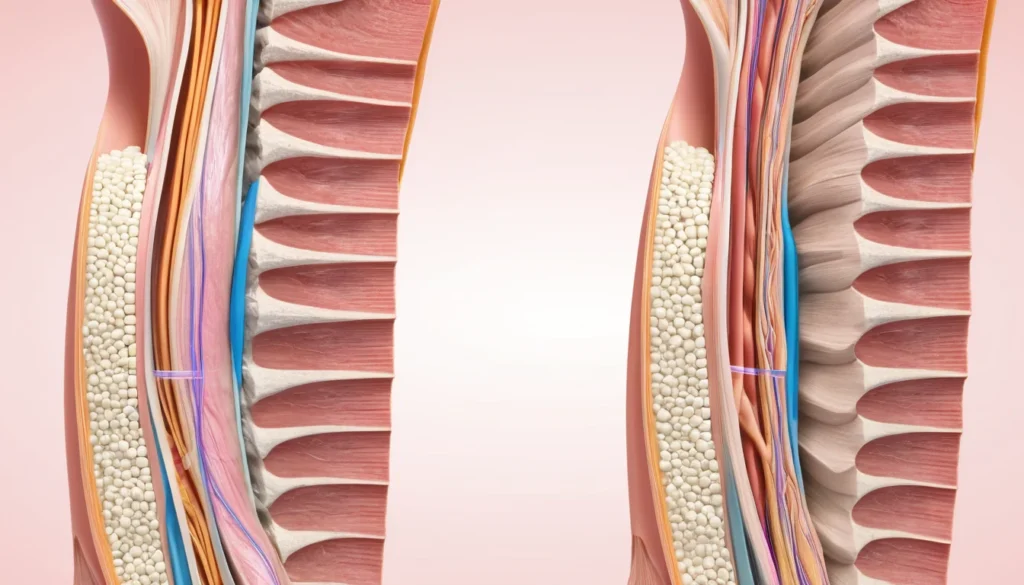
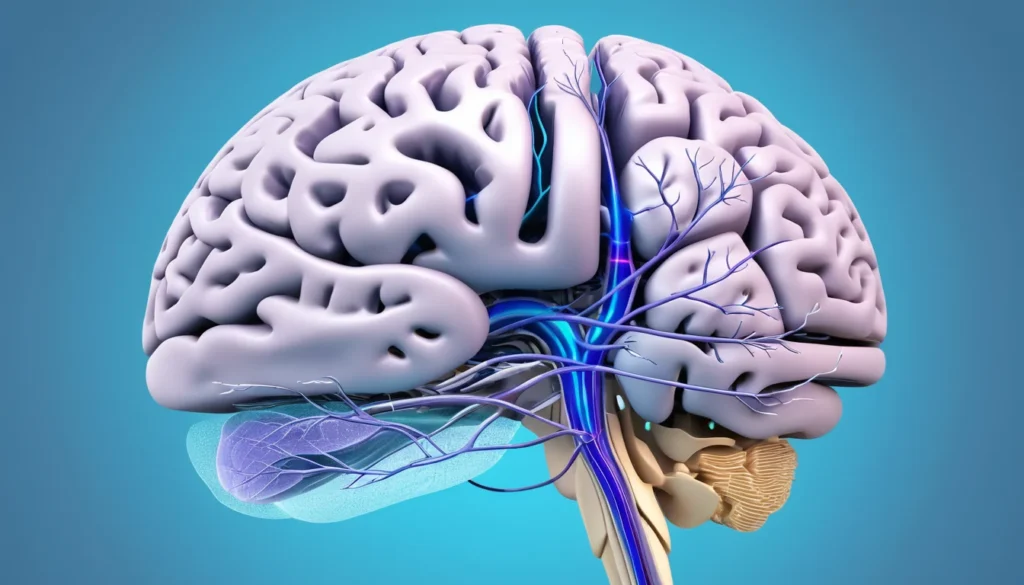
Anaesthesia uses medications called anaesthetics to prevent you from feeling pain. These drugs work by temporarily blocking the nerve signals that travel from your body to your spinal cord and brain. As a result, you feel little or no pain during a medical procedure.
The type of anaesthesia your doctor chooses depends on the kind of procedure you need. Some types only numb a small area of your body. Others put you into a deep, controlled sleep for the entire operation. Your anaesthesiologist — the doctor who specializes in anaesthesia — will carefully choose the right type and dose for you.
According to Health Canada, anaesthetic medications are tightly regulated to ensure your safety during medical procedures.
Types of Anaesthesia
There are four main types of anaesthesia used in Canadian hospitals and clinics. Each one works differently and is suited to different kinds of procedures.
Local Anaesthesia
Local anaesthesia numbs a small, specific part of your body. You stay fully awake during the procedure. For example, your dentist uses local anaesthesia when filling a cavity or pulling a tooth. Doctors also use it for skin biopsies and cataract surgery.
This type of anaesthesia is generally very safe. Side effects are mild and wear off quickly once the procedure is done.
Regional Anaesthesia
Regional anaesthesia blocks feeling in a larger area of your body, such as an arm, a leg, or the lower half of your body. You may be awake or lightly sedated during the procedure. However, you will not feel any pain in the affected area.
Common examples include epidural anaesthesia used during labour and childbirth, spinal anaesthesia (injected near the spinal cord), and nerve blocks used for hand or arm surgery. Regional anaesthesia is widely used across Canadian hospitals, especially in obstetrics and orthopaedic surgery.
General Anaesthesia
General anaesthesia puts you into a deep, controlled sleep. You will not see, hear, or feel anything during the procedure. This type is used for complex surgeries involving the abdomen, chest, or head.
Because general anaesthesia is the most powerful type, your anaesthesiologist must carefully calculate the exact dose based on your weight, age, and health. You will be closely monitored throughout the entire procedure and during recovery.
Sedation
Sedation is a unique form of anaesthesia that makes you feel drowsy and relaxed. It is often used for procedures that are uncomfortable but do not require full surgery. For example, doctors use sedation for colonoscopies, cardiac catheterization, and breathing tube placement.
Sedation can also be combined with other types of anaesthesia during surgery to strengthen the overall effect. Like all anaesthetics, sedation medications are given in precise doses based on your body weight.
How Is Anaesthesia Given?
Your doctor can deliver anaesthesia in several ways, depending on the type of procedure and the medication used.
Inhaled gas: Breathed in through a mask or breathing tube. Most commonly used for general anaesthesia.
Intravenous (IV) injection: Delivered directly into a vein. This is the most common method for many types of anaesthesia and sedation.
Intramuscular injection: Injected into a muscle. Used less often, but effective in certain situations.
Topical application: Applied directly to the skin, eyes, or mucous membranes as a cream, spray, or patch. Used for minor, minimally invasive procedures.
Your care team will explain which method is right for you before your procedure begins.
How to Prepare for Anaesthesia
Good preparation before anaesthesia helps reduce your risk of complications. If you know ahead of time that you will need anaesthesia, follow these important steps.
Share your full medication list. Tell your doctor about every medication and supplement you take. Some of these can interact with anaesthetics and raise your risk of complications.
Stop eating and drinking 8 hours before your procedure. Having food or liquid in your stomach during anaesthesia can be dangerous. Your care team will give you specific instructions.
Avoid smoking before your procedure. Ideally, stop smoking at least two weeks before surgery. Studies show this significantly improves recovery outcomes. Even stopping for just one day before the procedure helps.
Stop natural health supplements one to two weeks before. Many herbal and natural supplements — including fish oil, garlic, ginkgo, and vitamin E — can affect bleeding and interact with anaesthetics.
Do not start any new medications in the 24 hours before your procedure. Always check with your doctor before making any changes to your medications.
In emergency situations, there may not be time to follow all of these steps. Your medical team will take extra precautions in those cases.
What Happens During and After Anaesthesia
During Your Procedure
Your anaesthesiologist will manage your anaesthesia throughout the entire procedure. They will administer the right combination of medications in carefully measured doses. They may also give you anti-nausea medication to prevent vomiting during or after the procedure.
Throughout surgery, your anaesthesiologist will continuously monitor your vital signs. This includes your blood pressure, oxygen levels, heart rate, and breathing. If any problems arise — such as an allergic reaction or a drop in blood pressure — they will respond immediately.
Right After Your Procedure
After local anaesthesia, most people can go home fairly quickly and return to normal activities the same day. The numbness wears off within a few hours.
However, after regional or general anaesthesia, recovery takes longer. Your care team will give you specific instructions. In general, you should follow these guidelines for the first 24 hours:
Do not drive. Ask a friend or family member to take you home.
Do not drink alcohol.
Only take medications prescribed or approved by your doctor.
Avoid making important legal or financial decisions. The medications can leave you feeling slightly confused or euphoric for several hours.
Anaesthesia Risks and Side Effects
Most side effects of anaesthesia are mild and go away within 24 hours. However, some complications can be more serious. It is important to know what is normal and what requires medical attention.
Common Side Effects
After waking up from anaesthesia — especially general anaesthesia — you may experience one or more of the following:
Muscle aches and back pain
Chills and mild low body temperature
Difficulty urinating
Fatigue and drowsiness
Headache
Itching or skin irritation
Nausea and vomiting
Pain, redness, or stiffness at the injection site
These effects are temporary. Furthermore, your care team will do their best to manage them while you are in recovery.
Serious Complications
Serious complications from anaesthesia are rare, but they do occur. Some complications are related to the dose of the anaesthetic. If the dose is too high, a patient may remain sedated for too long, which creates serious health risks.
Other complications are not related to the dose at all. Instead, they depend on how your body reacts to the medication. Unfortunately, these reactions can sometimes be unavoidable.
One rare but serious complication is anaesthesia awareness. This happens when a patient regains some consciousness during surgery while still under general anaesthesia. According to the Mayo Clinic, this occurs in roughly 1 in 1,000 to 2,000 surgical procedures. It is more common in certain high-risk surgeries.
Other serious but rare complications include severe allergic reactions, breathing problems, and dangerous changes in heart rate or blood pressure. Healthline notes that older adults and people with existing health conditions face a slightly higher risk of complications.
When to See a Doctor
If you have concerns about an upcoming procedure involving anaesthesia, speak with your family doctor first. They can review your health history, discuss your risk factors, and refer you to the appropriate specialist.
If you do not have a family doctor, you can visit a walk-in clinic. A doctor there can answer your questions and help you prepare. Most provincial health plans in Canada cover anaesthesia as part of medically necessary procedures — check with your province’s health plan for details.
After a procedure, seek medical attention right away if you experience severe chest pain, difficulty breathing, a high fever, or signs of an allergic reaction such as swelling or hives. These symptoms may signal a serious complication that needs immediate care.
Always speak with a qualified healthcare provider before any procedure involving anaesthesia. This article is for general information only and is not a substitute for professional medical advice.
Frequently Asked Questions About Anaesthesia
Is anaesthesia safe for everyone?
Anaesthesia is generally safe for most people when given by a trained anaesthesiologist. However, older adults, people with chronic health conditions, and those who smoke or take certain medications may have a higher risk of complications. Your doctor will review your health history to decide which type of anaesthesia is safest for you.
How long does anaesthesia stay in your system?
Most anaesthesia medications leave your system within a few hours. However, you may feel drowsy, dizzy, or confused for up to 24 hours after general anaesthesia. It is important not to drive or make important decisions during this time.
What is the difference between local and general anaesthesia?
Local anaesthesia numbs only a small part of your body, and you stay fully awake. General anaesthesia puts you into a deep sleep so you feel nothing during surgery. The type your doctor recommends depends on the procedure and your overall health.
Can you eat before receiving anaesthesia?
No. You should not eat or drink anything for approximately 8 hours before a procedure involving anaesthesia. Having food in your stomach increases the risk of inhaling vomit into your lungs during surgery, which can be life-threatening. Your care team will give you specific fasting instructions ahead of time.
What are the most common side effects of anaesthesia?
The most common side effects after anaesthesia include nausea, vomiting, headache, muscle aches, fatigue, and chills. These effects are usually mild and go away within 24 hours. If your symptoms are severe or do not improve, contact your doctor or visit a walk-in clinic.
Is anaesthesia covered by provincial health plans in Canada?
In most cases, anaesthesia provided during a medically necessary surgical procedure is covered under provincial and territorial health insurance plans in Canada. However, coverage details can vary by province. It is always a good idea to check with your provincial health plan or speak to your family doctor for clarification.
Key Takeaways
Anaesthesia blocks pain by temporarily stopping nerve signals from reaching your brain.
There are four main types: local, regional, general, and sedation — each suited to different procedures.
Good preparation — including fasting, stopping supplements, and sharing your medication list — helps reduce your risk of complications.
Most side effects are mild and temporary, but serious complications can occur in rare cases.
Your anaesthesiologist monitors you closely throughout your procedure to keep you safe.
If you have questions or concerns, talk to your family doctor or visit a walk-in clinic before your procedure.
Anaesthesia for medically necessary surgery is generally covered by provincial health plans across Canada.