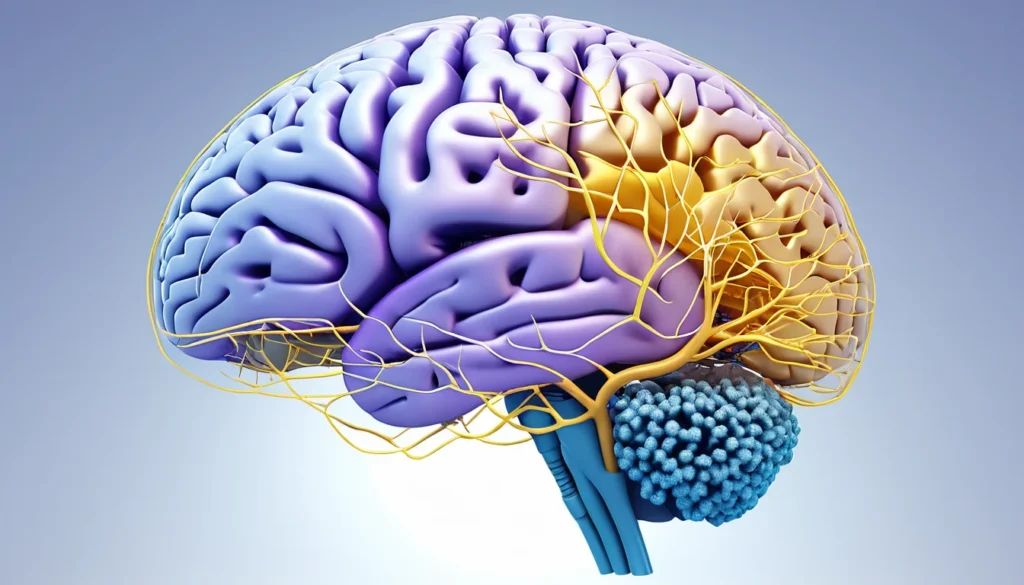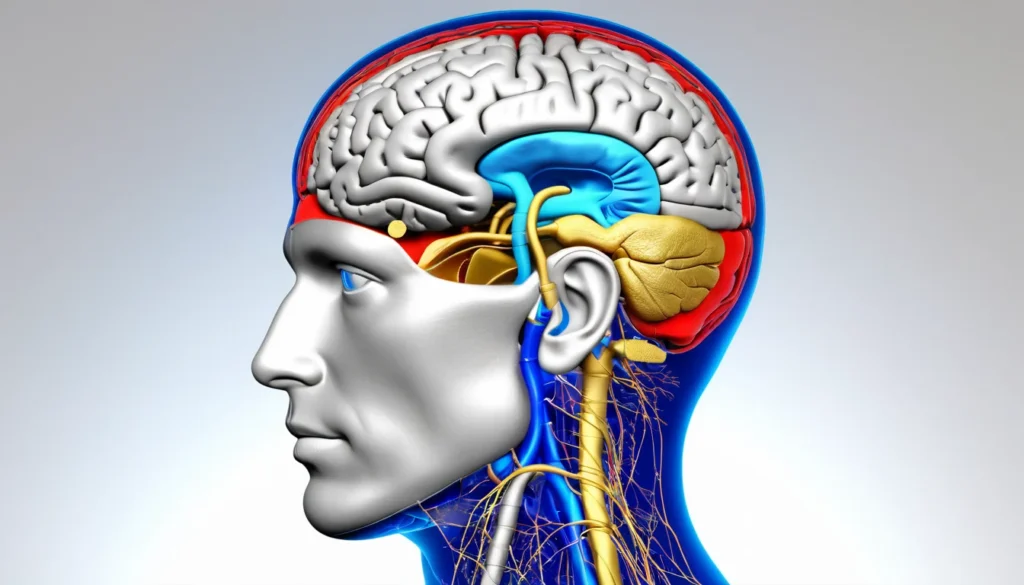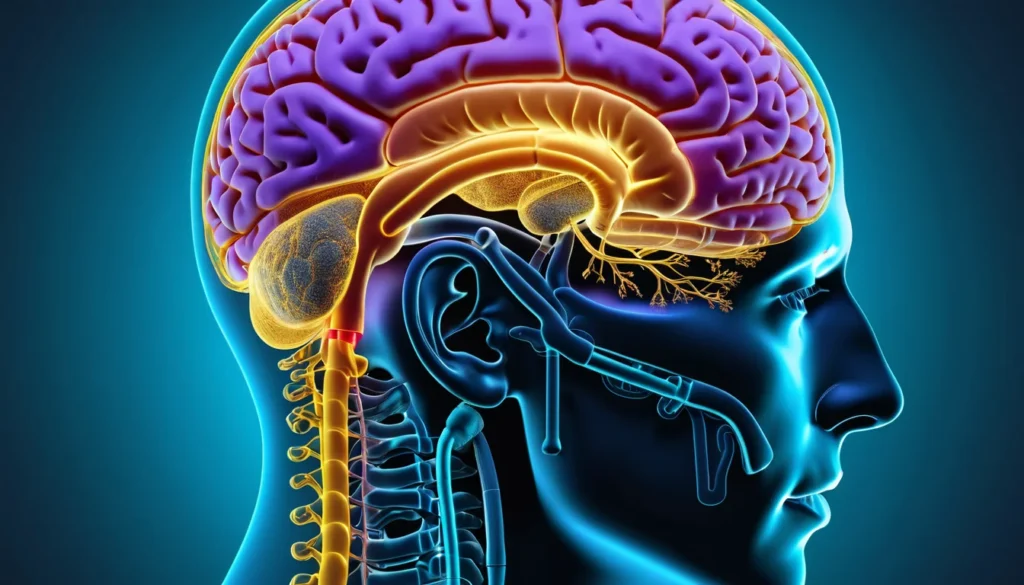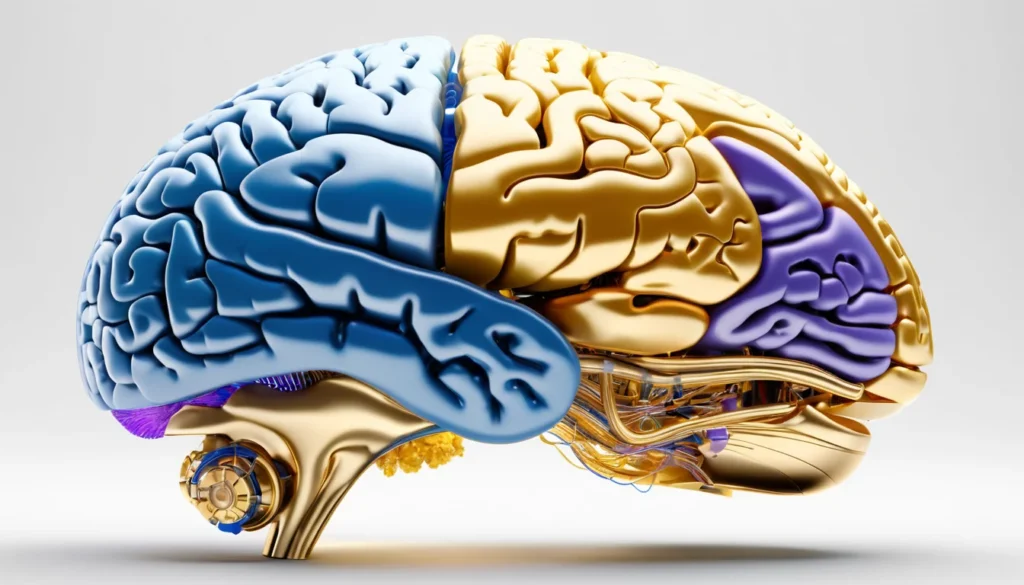
Amnesia is a condition where a person loses part or all of their ability to remember information — or to form new memories. It can come on suddenly or develop slowly over time. For some people, memory loss is temporary. For others, it can be permanent. Understanding amnesia can help you recognize warning signs and take the right steps to get help.
What Is Amnesia?
Amnesia refers to a significant loss of memory that goes beyond ordinary forgetfulness. It affects a person’s ability to store new memories, recall past events, or both. Unlike the mild forgetfulness that comes with aging, amnesia is usually caused by an underlying medical condition.
It is important to know that normal aging can make it harder to learn new things or recall names. However, aging alone does not cause serious memory loss. If significant memory problems appear, there is usually another cause involved.
According to Mayo Clinic’s overview of amnesia, the condition can result from damage to brain structures that are closely tied to memory function.
Common Causes of Amnesia
Amnesia most often results from injury or disease affecting the memory centres of the brain. Several different conditions can trigger this kind of damage. Knowing the causes helps doctors find the right treatment.
Brain Injury and Neurological Causes
A head injury — such as a concussion — can disrupt normal brain function and lead to memory loss. Strokes, brain tumours, and bleeding in the brain (such as a subarachnoid haemorrhage) can also damage the areas responsible for memory. Infections like encephalitis, which is an inflammation of the brain, are another possible cause.
Degenerative diseases, most notably Alzheimer’s disease, gradually destroy brain cells over time. This leads to progressive memory loss that worsens as the disease advances. Health Canada provides resources on Alzheimer’s disease and dementia for Canadians and their families.
Nutritional Deficiencies
A lack of vitamin B1 (thiamine) can cause a serious form of amnesia known as Korsakoff syndrome. This condition is most commonly seen in people who struggle with long-term alcohol use. The brain depends on thiamine to function properly, and without it, memory circuits break down.
Korsakoff syndrome often develops alongside another condition called Wernicke’s encephalopathy. Together, they can cause severe and lasting memory problems if not treated quickly.
Psychiatric and Emotional Causes
Amnesia can also occur as a result of psychiatric conditions or extreme emotional stress. In these cases, the memory loss is psychological rather than physical in origin. This type is sometimes called dissociative amnesia.
Epileptic seizures can also cause temporary memory gaps, particularly around the time of the episode. These gaps are usually short-lived but can be frightening for the person experiencing them.
Medications
Certain medications — especially tranquillizers known as benzodiazepines — can affect memory when used over a long period. These drugs are sometimes prescribed for anxiety or sleep problems. However, long-term use can make it difficult to form new memories, a pattern known as anterograde amnesia.
If you take benzodiazepines and notice changes in your memory, speak with your family doctor. Do not stop taking any prescribed medication without medical guidance.
Types of Amnesia
There are several distinct types of amnesia. Each type affects memory in a different way. Understanding these differences helps doctors identify the cause and choose the right treatment approach.
Anterograde Amnesia
Anterograde amnesia affects a person’s ability to form new memories after a brain injury or trauma. The person may clearly remember events from years ago, but cannot retain new information. For example, they might forget a conversation that happened just minutes earlier.
This type of amnesia is closely linked to damage in a brain region called the hippocampus, which plays a central role in converting short-term memories into long-term ones.
Retrograde Amnesia
Retrograde amnesia is the opposite pattern. Here, a person loses memories formed before the injury or trauma occurred. Their ability to create new memories may remain intact. However, they struggle to recall past events, people, or experiences.
In some cases, a person may experience both anterograde and retrograde amnesia at the same time. This makes daily life especially challenging.
Transient Global Amnesia
Transient global amnesia is a sudden, short-term episode of complete memory loss. It is temporary and usually resolves within a few hours. During an episode, the person may appear confused and repeatedly ask the same questions.
This condition is not typically linked to stroke or epilepsy, though it can look similar. It tends to occur in middle-aged and older adults. Most people recover fully without any lasting effects.
Lacunar Amnesia
Lacunar amnesia refers to a gap in memory covering a specific and limited period of time. The person cannot recall events from that particular window, while memories before and after remain intact. This type is often associated with states of confusion or altered consciousness.
Recall Amnesia
In recall amnesia, a person has difficulty retrieving memories on demand, even though the memories may still exist. This most commonly affects proper nouns, such as the names of people or places. The person may recognize something when prompted but cannot recall it independently.
Symptoms of Amnesia
The most obvious symptom of amnesia is memory loss itself. However, the experience can vary widely depending on the type and cause. Recognising the symptoms early can lead to faster diagnosis and better outcomes.
Common symptoms include:
Inability to remember past events or personal history
Difficulty forming new memories or retaining new information
Confusion about time, place, or identity
Repeating the same questions or statements in conversation
Difficulty recognising familiar faces or places
Gaps in memory for specific events or time periods
It is worth noting that amnesia does not typically affect a person’s general intelligence, language skills, or physical abilities. Most people with amnesia remain fully aware that they have a memory problem, which can cause significant emotional distress.
For a deeper look at memory-related conditions, Healthline’s guide on amnesia and memory loss offers clear and reliable information.
How Is Amnesia Treated?
Treatment for amnesia depends entirely on the underlying cause. There is no single cure that works for every case. However, many causes of amnesia are treatable, and some types of memory loss can improve significantly with the right care.
Medical and Neurological Treatment
When amnesia results from a stroke, tumour, or brain injury, doctors focus on treating that underlying condition first. Reducing swelling, restoring blood flow, or removing a tumour can sometimes help preserve or restore memory function. The brain has some ability to adapt and recover, particularly with early treatment.
In the case of Korsakoff syndrome, treatment involves high doses of thiamine (vitamin B1) given by a medical professional. Stopping alcohol use is also essential for recovery. Early treatment significantly improves the chances of at least partial memory recovery.
Psychological and Behavioural Treatment
When amnesia has an emotional or psychiatric cause, psychological therapy is the main approach. Talk therapy helps a person work through the emotional experiences that may have triggered the memory loss. The goal is to gently bring suppressed memories back into awareness in a safe and supported way.
Cognitive rehabilitation is another useful tool. It involves learning strategies to work around memory difficulties — such as using notebooks, phone reminders, or structured daily routines. These techniques can greatly improve daily functioning even when memory does not fully return.
Medication
In cases of mild memory difficulty — sometimes called dysmnesia — certain medications may help support memory function. These are typically used when memory problems stem from overwork, stress, or minor neurological changes rather than full amnesia. A neurologist or family doctor can advise whether medication is appropriate.
When to See a Doctor
You should seek medical attention any time sudden or significant memory loss occurs. This is especially true if memory loss appears after a head injury, seizure, or stroke-like symptoms. Do not wait to see if it improves on its own.
In Canada, you can start by contacting your family doctor. If you do not have one, a walk-in clinic can assess your symptoms and refer you to the right specialist, such as a neurologist. In an emergency — for example, if someone suddenly cannot remember who or where they are — call 9-1-1 or go to the nearest emergency department immediately.
Provincial health plans across Canada generally cover neurological assessments and specialist referrals. Check with your provincial health authority to understand what services are available in your area.
Early diagnosis makes a real difference. Many causes of amnesia respond well to treatment when caught early. If you are concerned about your memory or someone else’s, do not hesitate to reach out to a healthcare provider.
Frequently Asked Questions About Amnesia
What is the most common cause of amnesia?
The most common causes of amnesia include head injuries, stroke, and neurological diseases like Alzheimer’s. Long-term alcohol use leading to a vitamin B1 deficiency is also a frequent cause of serious memory loss. In some cases, emotional trauma or certain medications can trigger amnesia as well.
Can amnesia be cured?
Whether amnesia can be cured depends largely on its cause. Some types of amnesia — such as those caused by nutritional deficiencies or emotional trauma — can improve significantly with the right treatment. However, amnesia caused by degenerative diseases like Alzheimer’s may be progressive and harder to reverse.
Is amnesia the same as dementia?
Amnesia and dementia are not the same thing, though memory loss is a feature of both. Amnesia typically refers to memory loss caused by a specific injury, event, or condition. Dementia is a broader syndrome that includes memory loss along with other cognitive changes, such as difficulties with language, reasoning, and daily tasks.
Does amnesia affect personality or intelligence?
In most cases, amnesia does not affect a person’s general intelligence, personality, or language abilities. A person with amnesia can still hold conversations, solve problems, and maintain their sense of self. However, gaps in personal memory can cause confusion, frustration, and emotional distress.
Can stress or anxiety cause amnesia?
Yes, severe emotional stress or psychological trauma can sometimes lead to a form of amnesia known as dissociative amnesia. In this condition, the mind blocks out distressing memories as a protective response. This type of amnesia is typically addressed through psychological therapy rather than medication.
When should I be worried about memory loss?
You should be concerned if memory loss is sudden, severe, or affects your ability to carry out daily activities. Amnesia that follows a head injury, seizure, or stroke-like episode requires immediate medical attention. If you or a loved one experience significant memory problems, contact your family doctor or visit a walk-in clinic as soon as possible.
Key Takeaways
Amnesia is a significant loss of memory that goes beyond normal forgetfulness.
It can be caused by brain injury, stroke, infection, nutritional deficiency, medications, or emotional trauma.
There are several types of amnesia, including anterograde, retrograde, and transient global amnesia.
Symptoms include difficulty forming new memories, forgetting past events, and confusion about time or place.
Treatment depends on the cause and may include medical care, psychological therapy, or cognitive rehabilitation.
Sudden or severe memory loss is a medical concern — contact your family doctor, a walk-in clinic, or emergency services right away.
Always speak with a qualified healthcare provider before drawing any conclusions about your memory health.