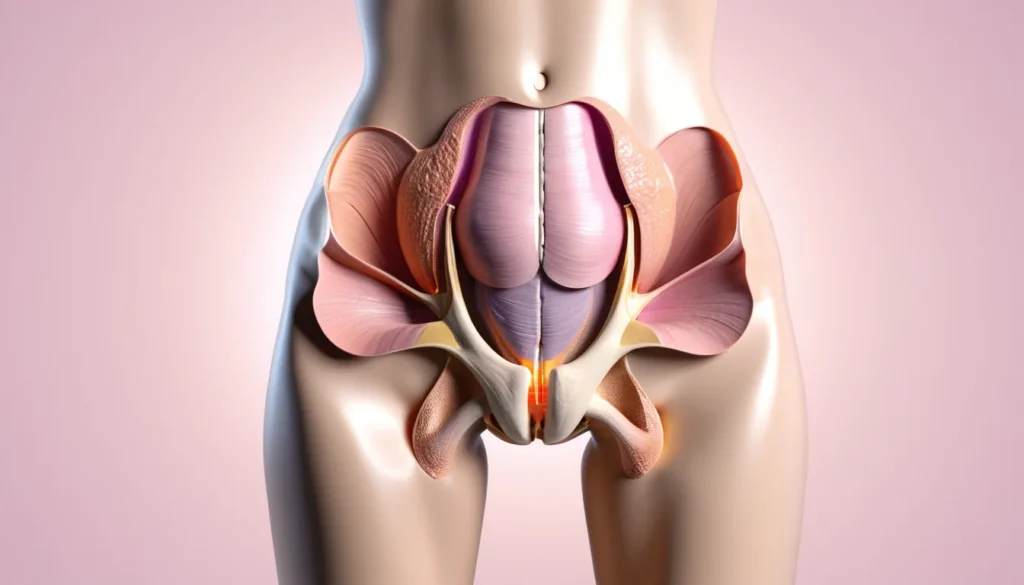
Amenorrhea is the medical term for a missing or absent period. It affects people with a uterus at various stages of life and can have many different causes. Some causes are completely normal — such as pregnancy, breastfeeding, or menopause. However, amenorrhea can sometimes signal an underlying health condition that needs attention. This article explains the two main types of amenorrhea, their causes, symptoms, diagnosis, and treatment options available to Canadians.
What Is Amenorrhea?
Amenorrhea simply means not having a menstrual period. It is not a disease on its own — rather, it is a sign that something else may be going on in the body. Doctors divide amenorrhea into two types: primary and secondary.
Understanding which type you have helps your doctor find the right cause and the right treatment. Both types are treatable in most cases, especially when caught early.
Primary Amenorrhea: When Periods Never Start
Primary amenorrhea is when a young person never gets their first period during puberty. If a teenager is developing normally in other ways but has not had a period by age 15, it is time to see a doctor. In addition, if a 13-year-old shows no signs of puberty at all — such as breast development or pubic hair — that is also a reason to seek medical advice.
Primary amenorrhea is less common than the secondary type. However, it is important to investigate early so any underlying condition can be managed before it affects long-term health.
Common Causes of Primary Amenorrhea
Several factors can prevent a first period from ever arriving. These include:
Hormonal imbalances — problems with the hypothalamus or pituitary gland can disrupt the signals that start puberty and menstruation
Chromosomal abnormalities — conditions like Turner syndrome affect how the ovaries develop and function
Structural differences — some people are born with an underdeveloped uterus, or with differences in vaginal anatomy that prevent menstruation
Intense physical activity — extreme exercise from a very young age can delay puberty
Anorexia or very low body weight — the body needs a minimum level of body fat to begin and maintain menstruation
Extreme stress — ongoing psychological stress can interfere with the hormones that trigger puberty
Hypothalamic tumours — growths near the hypothalamus can disrupt hormone production
If you are a parent concerned about your teenager’s development, speaking with your family doctor is the best first step. They can refer you to a specialist if needed through your provincial health plan.
Secondary Amenorrhea: When Periods Stop
Secondary amenorrhea occurs when someone who has previously had regular periods stops menstruating. Doctors generally define it as missing periods for at least three months in someone with previously regular cycles, or for six months in someone whose cycles were irregular.
Pregnancy is the most common cause of secondary amenorrhea, so a pregnancy test is usually the first step. Breastfeeding and perimenopause can also cause periods to stop temporarily — and this is completely normal.
Common Causes of Secondary Amenorrhea
When pregnancy and breastfeeding are ruled out, there are several other possible causes. Furthermore, many of these conditions are very treatable once identified.
Low body weight or rapid weight loss — a body mass index (BMI) below 19 significantly raises the risk of amenorrhea. This can result from an eating disorder or a serious physical illness
Excessive exercise — long-distance runners, ballet dancers, and elite athletes are particularly at risk of losing their periods due to intense training
Extreme stress — prolonged emotional or psychological stress can cause the brain to suppress reproductive hormones
Polycystic ovary syndrome (PCOS) — a hormonal condition that affects ovulation and is one of the most common causes of irregular or absent periods
Thyroid disorders — an underactive thyroid (hypothyroidism) slows many body functions, including the menstrual cycle
Premature ovarian insufficiency — sometimes called early menopause, this occurs when the ovaries stop functioning normally before age 40
Uterine scarring — damage to the lining of the uterus from procedures such as a D&C (dilation and curettage), or from fibroids, can interfere with menstruation
Certain medications — some drugs can stop periods as a side effect, including hormonal contraceptives (particularly progestin-only methods), antipsychotics, antidepressants, blood pressure medications, allergy medications, and chemotherapy drugs
Androgen insensitivity syndrome — a genetic condition in which elevated testosterone levels interfere with normal menstruation
Pituitary tumours — a benign or malignant tumour on the pituitary gland can disrupt the hormones that regulate the menstrual cycle
For more information on hormonal conditions, Health Canada provides reliable resources on women’s reproductive health.
Symptoms to Watch For
Amenorrhea itself — the absence of a period — is the main symptom. However, depending on the cause, other symptoms may also appear. These can include:
Hair loss or thinning hair
Headaches
Changes in vision
Excess facial hair
Pelvic pain or pressure
Acne that is new or worsening
Unexplained weight gain or weight loss
Milky discharge from the nipples unrelated to breastfeeding
These symptoms, especially when they appear together with a missing period, are a clear signal that you should speak with a healthcare provider. Do not wait to see if the problem resolves on its own.
How Is Amenorrhea Diagnosed?
Diagnosing amenorrhea starts with understanding your full health picture. Your doctor will likely ask about your menstrual history, sexual activity, any recent weight changes, your exercise habits, and any medications you currently take. They will also ask about the age when you got your first period and whether pregnancy is possible.
Tests Your Doctor May Order
The first test will almost always be a pregnancy test. After that, your doctor may recommend further investigation depending on your symptoms and history. As a result, you might be referred for some of the following:
Blood tests — to check hormone levels, including thyroid hormones, prolactin, estrogen, and FSH (follicle-stimulating hormone)
Ovarian function tests — to check how well the ovaries are working
Progesterone challenge test — to assess whether the uterine lining responds to hormones
Ultrasound — to look at the uterus and ovaries
MRI or CT scan — to check for tumours or structural abnormalities near the brain or reproductive organs
Hysteroscopy — a thin camera is used to examine the inside of the uterus
Genetic testing — if a chromosomal condition is suspected
According to the Mayo Clinic’s guide on amenorrhea diagnosis and treatment, working with your doctor to identify the root cause is essential for choosing the right treatment.
Treatment Options for Amenorrhea
Treatment for amenorrhea depends entirely on what is causing it. There is no single solution — the goal is always to treat the underlying cause, not just the missing period itself.
Lifestyle and Behavioural Changes
If excessive exercise is the cause, your doctor may recommend adjusting your workout routine and reviewing your diet. Reducing training intensity often allows periods to return on their own. Similarly, if low body weight is a factor, a supervised weight gain programme with support from a registered dietitian can help restore menstruation.
For those showing signs of an eating disorder such as anorexia, a team approach is best. This typically involves a psychiatrist, a nutritionist or registered dietitian, and your family doctor working together. Many provincial health plans offer referrals to these specialists at little or no cost.
Addressing Stress
If extreme stress is contributing to amenorrhea, psychological therapy can make a real difference. Cognitive behavioural therapy (CBT) and other counselling approaches have been shown to help regulate stress hormones. Talk to your family doctor about referrals available under your provincial mental health coverage.
Medical and Hormonal Treatments
An underactive thyroid is treated with synthetic thyroid hormone (levothyroxine or thyroxine), which can help restore normal periods. For those with PCOS who are overweight, losing even a small amount of weight can restart ovulation and menstruation. Hormonal therapy may be recommended for premature ovarian insufficiency to protect bone density and overall health.
If a medication is causing amenorrhea, your doctor may suggest switching to an alternative drug. Never stop or change a prescribed medication without speaking to your doctor first.
Surgical Options
In rare cases — such as when someone is born with structural differences in their reproductive organs, or when uterine scarring is significant — surgery may be considered. However, surgery does not always guarantee the return of regular periods, and your doctor will discuss realistic expectations with you beforehand.
For a broader overview of how hormonal conditions are managed, the World Health Organization’s sexual and reproductive health resources offer evidence-based guidance.
When to See a Doctor
You should speak with your family doctor or visit a walk-in clinic if you miss three or more consecutive periods without an obvious reason such as pregnancy. You should also seek care if you are 15 or older and have never had a period, or if you are 13 with no signs of puberty beginning.
In addition, see a doctor promptly if your missing periods are accompanied by pelvic pain, vision changes, unexplained hair loss, or discharge from the nipples. These symptoms may point to a condition that needs treatment sooner rather than later.
Most provincial health plans cover the initial assessment and many follow-up tests. Your family doctor can help coordinate your care and refer you to a gynaecologist or endocrinologist if needed. If you do not have a family doctor, a walk-in clinic is a good starting point — a nurse practitioner or physician there can order initial tests and help triage your care.
As always, this article is for general information only. Please consult a qualified healthcare provider for advice that is specific to your situation.
Frequently Asked Questions About Amenorrhea
What is the most common cause of amenorrhea?
The most common cause of amenorrhea is pregnancy. However, when pregnancy is ruled out, conditions such as polycystic ovary syndrome (PCOS), thyroid disorders, and significant weight loss are among the most frequent causes of a missing period. A doctor can run simple tests to identify the specific cause in your case.
Can stress cause amenorrhea?
Yes, extreme or prolonged stress can cause amenorrhea by disrupting the hormones that regulate the menstrual cycle. The brain reduces reproductive hormone signals when the body perceives it is under serious threat. Managing stress through therapy, rest, and lifestyle changes can often help restore normal periods.
How many missed periods count as amenorrhea?
Doctors generally consider it secondary amenorrhea if you miss periods for three consecutive months and your cycles were previously regular. If your cycles were already irregular, missing periods for six months is the typical threshold. Either way, it is worth speaking with your family doctor or visiting a walk-in clinic to find out the cause.
Can amenorrhea affect fertility?
Yes, amenorrhea can affect fertility because no period often means no ovulation, and ovulation is necessary for conception. However, the impact on fertility depends heavily on the underlying cause. Many causes of amenorrhea are treatable, and fertility can often be restored once the root problem is addressed.
Is amenorrhea dangerous?
Amenorrhea itself is not always dangerous, but the conditions causing it can be. Long-term amenorrhea can also lead to low bone density (osteoporosis) because oestrogen levels drop when periods are absent. This is why it is important to get a proper diagnosis rather than simply ignoring a missing period.
Can birth control cause amenorrhea?
Yes, certain hormonal contraceptives — particularly the progestin-only pill, the hormonal IUD, and the birth control injection — can cause periods to stop. This type of amenorrhea is generally considered safe and reversible. However, if you are concerned, speak with your doctor or pharmacist about what to expect from your specific method of contraception.
Key Takeaways
Amenorrhea means absent or missing periods and comes in two forms: primary (periods never start) and secondary (periods stop after previously occurring). Pregnancy is the most common reason for secondary amenorrhea and should always be ruled out first. Common causes include hormonal imbalances, low body weight, excessive exercise, stress, PCOS, and thyroid disorders. Symptoms such as hair loss, pelvic pain, vision changes, and excess facial hair alongside a missing period warrant prompt medical attention. Treatment depends on the underlying cause and can range from lifestyle adjustments to medication or, in rare cases, surgery.