Amelogenesis imperfecta is a rare genetic disorder that affects how tooth enamel forms. It causes teeth to be thin, soft, and discoloured — and it can affect both baby teeth and permanent teeth. In Canada, people with this condition often face significant dental challenges from a very young age. This article explains what amelogenesis imperfecta is, how it is inherited, and what options are available to help manage it.
What Is Amelogenesis Imperfecta?
Amelogenesis imperfecta is not a single disease. Rather, it is a group of inherited conditions that all share one thing in common: abnormal development of tooth enamel. The word “amelogenesis” refers to the natural process of enamel formation.
Tooth enamel is the hard outer layer that covers the crown of each tooth. It is actually the hardest substance in the entire human body. However, unlike bone, enamel cannot repair itself. It has no living cells. The only natural protection enamel receives comes from saliva, which helps keep teeth clean and mineralised.
When amelogenesis imperfecta is present, this process goes wrong at the genetic level. As a result, the enamel that forms is defective — often too thin, too soft, or poorly mineralised. This makes teeth extremely vulnerable to damage and decay. You can learn more about how enamel develops from Mayo Clinic’s overview of tooth and enamel health.
What Causes Amelogenesis Imperfecta?
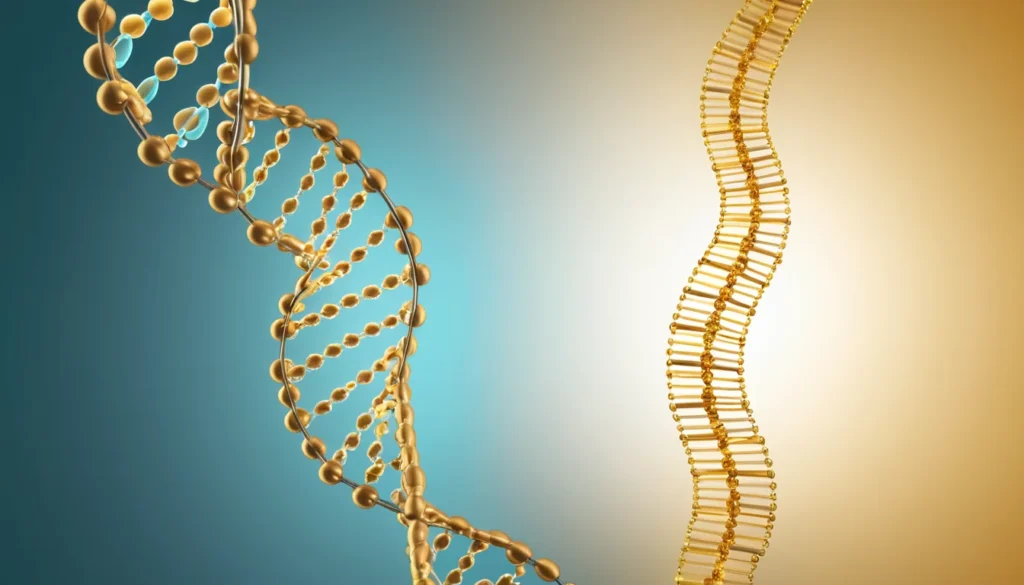
Amelogenesis imperfecta is caused by mutations in specific genes. These genes normally provide instructions for making proteins that are essential for healthy enamel development. When these genes mutate, the proteins they produce are either abnormal or simply not produced at all.
Key Genes Involved
Researchers have identified several genes linked to this condition. The most studied include:
AMELX — responsible for producing amelogenin, a major enamel protein
ENAM — produces enamelin, which helps enamel crystals grow properly
MMP20 — produces an enzyme called enamelysin, involved in enamel maturation
KLK4 — produces kallikrein-4, another enzyme important to enamel hardening
Mutations in these genes change the structure of key proteins — including amelogenin, enamelin, ameloblastin, and tuftelin. Furthermore, scientists believe other genes not yet identified may also play a role in some cases of amelogenesis imperfecta.
How It Is Inherited
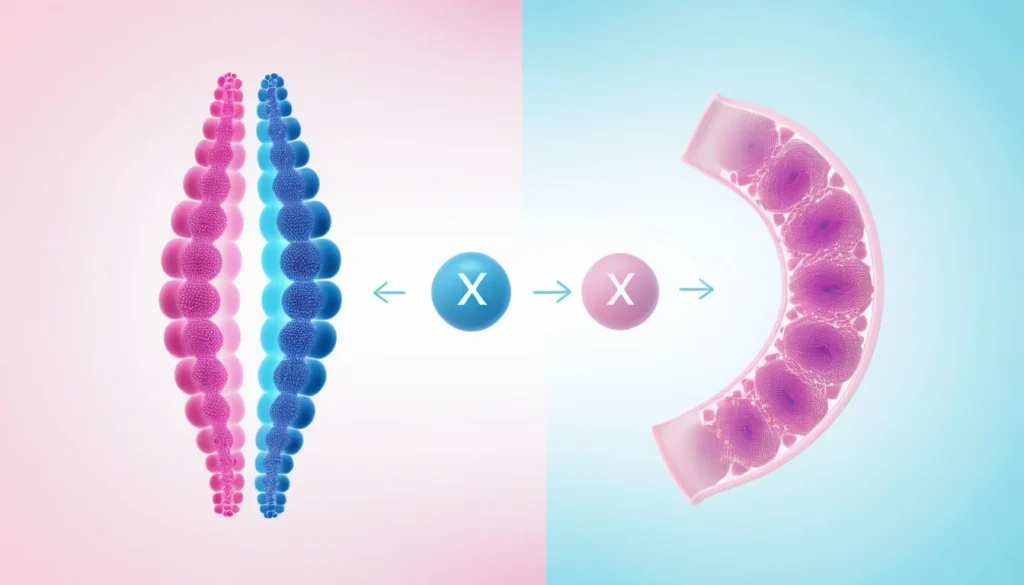
Amelogenesis imperfecta can be passed down through families in different ways. The inheritance pattern depends on which gene is affected. There are three main patterns:
X-linked inheritance — the mutated gene is on the X chromosome
Autosomal dominant — only one copy of the mutated gene is needed to cause the disorder
Autosomal recessive — two copies of the mutated gene are needed, one from each parent
In X-linked amelogenesis imperfecta, caused by mutations in the AMELX gene, males are usually more severely affected than females. This is because males have only one X chromosome. This X-linked form accounts for about 5% of all cases.
Types of Amelogenesis Imperfecta
Specialists have classified amelogenesis imperfecta into four main types, with 14 subtypes in total. Each type reflects a different kind of defect in the enamel. The subtypes further divide cases based on clinical appearance and inheritance pattern.
Type 1: Hypoplastic
In this type, the enamel does not form in sufficient quantity. Teeth may have pits, grooves, or missing patches of enamel. The enamel that does exist may be of normal hardness, but there simply is not enough of it to protect the tooth properly.
Type 2: Hypomaturation
Here, the enamel forms in normal amounts but does not harden properly. The enamel crystals do not mature fully. As a result, teeth are softer than normal and tend to chip and wear down easily.
Type 3: Hypocalcified
This type involves enamel that is very low in mineral content. The enamel may look normal at first but is extremely soft. It can be scraped off the tooth surface with a dental instrument — a telling sign during dental examination.
Type 4: Hypomaturation-Hypoplasia with Taurodontism
This is a combined form. It involves both hypomaturation and hypoplasia features, along with a separate dental abnormality called taurodontism — where the pulp chamber of the tooth is unusually large. This type is less common but more complex to manage.
In all four types, both baby teeth and permanent teeth are affected. Teeth are fragile, prone to breaking, and at high risk of cavities even with good oral hygiene. For a detailed overview of rare dental genetic conditions, visit Healthline’s guide to amelogenesis imperfecta.
Signs and Symptoms to Watch For
Amelogenesis imperfecta often becomes noticeable as soon as a child’s first teeth appear. Parents may notice that the teeth look unusual in colour or shape. In some cases, a dentist is the first to spot the signs during a routine check-up.
Common Symptoms
Discoloured teeth — teeth may appear yellow, brown, or grey because the enamel is so thin that the underlying tissue (dentine) shows through
Small or uneven teeth — teeth may look pitted, grooved, or misshapen
Sensitive teeth — thin or absent enamel leaves nerve-containing dentine exposed
Frequent cavities — even with good brushing habits, decay can develop quickly
Teeth that chip or break easily — even mild impact can cause damage
Open bite — in some cases, the back teeth do not come together properly
These symptoms can cause significant emotional and social challenges, especially in children and teenagers. Dental appearance affects confidence and quality of life. Therefore, early identification and support are very important.
Diagnosis and Dental Evaluation
There is no single test that diagnoses amelogenesis imperfecta on its own. Instead, diagnosis is based on clinical examination, dental X-rays, and a detailed family history. A dentist or paediatric dental specialist will look at the pattern of enamel defects across all teeth.
Genetic testing can sometimes confirm the diagnosis by identifying mutations in known genes. However, this is not always available or necessary for treatment planning. In Canada, referrals for genetic testing may be available through your provincial health plan, particularly when a hereditary condition is suspected.
It is important to note that amelogenesis imperfecta refers only to enamel development disorders that are genetic in origin. It does not include enamel damage caused by infections, medications, or nutritional deficiencies during tooth development — even though those conditions can look similar.
Treatment and Management Options
There is currently no cure for amelogenesis imperfecta. However, treatment can significantly improve dental function, appearance, and quality of life. The right approach depends on the type and severity of the condition, as well as the patient’s age.
Treatment for Children
For young children, the main goal is to protect the teeth and prevent pain and decay. Treatments may include:
Dental sealants to protect vulnerable enamel surfaces
Stainless steel crowns to cover and protect back teeth
Composite resin bonding to improve the appearance of front teeth
Fluoride treatments to strengthen remaining enamel where possible
Treatment for Adults
As patients grow older, more comprehensive dental work may be needed. Options for adults include:
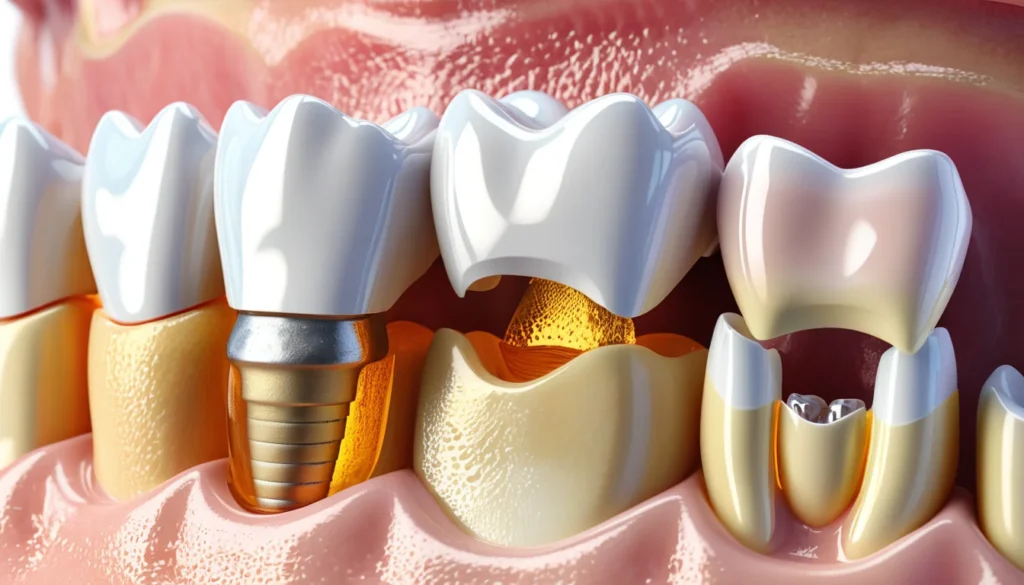
Porcelain crowns or veneers to restore tooth shape and colour
Orthodontic treatment to address bite problems
Dental implants in severe cases where teeth are lost
Full-mouth reconstruction for the most severely affected patients
Treatment for amelogenesis imperfecta can be extensive and costly. In Canada, some procedures may be covered under provincial dental programmes, employer benefits, or — for children — through initiatives like the Canada Dental Benefit. It is worth asking your family dentist about financial support options in your province. The Health Canada dental care information page is a helpful starting point for understanding available support.
When to See a Doctor or Dentist
If you notice that your child’s teeth look discoloured, pitted, or unusually small when they first come in, do not wait. Book an appointment with your family dentist as soon as possible. Early diagnosis allows for earlier treatment, which can prevent more serious damage down the road.
If you do not have a family dentist, a walk-in dental clinic or a referral through your family doctor are both good options. Your family doctor can also arrange a referral to a paediatric dentist or a medical geneticist if amelogenesis imperfecta is suspected. In some provinces, children have access to dental services through school-based programmes or public health units.
Adults who were never diagnosed but recognise these symptoms in themselves should also speak to a dentist. It is never too late to get help and improve oral health. As always, please consult your healthcare provider before making any decisions about dental treatment — every case is different.
Frequently Asked Questions About Amelogenesis Imperfecta
Is amelogenesis imperfecta a rare condition?
Yes, amelogenesis imperfecta is considered a rare genetic disorder. Estimates suggest it affects approximately 1 in 700 to 1 in 14,000 people worldwide, depending on the population studied. Because it presents differently across its many subtypes, it may sometimes go undiagnosed for years.
Can amelogenesis imperfecta be passed from parent to child?
Yes, amelogenesis imperfecta is an inherited condition, meaning it runs in families. It can be passed down through X-linked, autosomal dominant, or autosomal recessive inheritance patterns. If you have a family history of unusual dental enamel problems, mention this to your dentist or family doctor.
Does amelogenesis imperfecta affect both baby teeth and adult teeth?
Yes, amelogenesis imperfecta affects both primary (baby) teeth and permanent (adult) teeth. Because the condition is genetic, it influences the enamel-forming process from the very beginning of tooth development. This is why treatment often needs to begin in early childhood.
Is there a cure for amelogenesis imperfecta?
Currently, there is no cure for amelogenesis imperfecta. However, a range of dental treatments can protect the teeth, reduce pain, and greatly improve appearance and function. Early and ongoing dental care is the most effective way to manage the condition throughout life.
How is amelogenesis imperfecta diagnosed?
Diagnosis of amelogenesis imperfecta is typically made by a dentist based on a clinical examination, dental X-rays, and a review of family dental history. In some cases, genetic testing may be used to confirm which gene mutation is responsible. A referral to a paediatric dentist or medical geneticist may be arranged through your family doctor.
Is dental treatment for amelogenesis imperfecta covered in Canada?
Coverage varies depending on your province and your dental benefits plan. Some treatments for amelogenesis imperfecta may be covered under employer benefits, provincial programmes, or the federal Canada Dental Benefit for eligible children. Speak with your dentist and check with your provincial health authority to understand what support is available to you.
Key Takeaways
Amelogenesis imperfecta is a group of rare, inherited conditions that cause abnormal tooth enamel development.
It affects both baby and permanent teeth, making them soft, thin, discoloured, and prone to decay.
The condition is caused by mutations in genes such as AMELX, ENAM, MMP20, and KLK4.
There are four main types — hypoplastic, hypomaturation, hypocalcified, and a combined type with taurodontism.
It can be inherited through X-linked, autosomal dominant, or autosomal recessive patterns.
There is no cure, but dental treatment can significantly improve quality of life.
Early diagnosis is key — speak to your family dentist or family doctor if you notice unusual changes in a child’s teeth.
In Canada, some financial support for dental treatment may be available through provincial plans, employer benefits, or federal programmes.