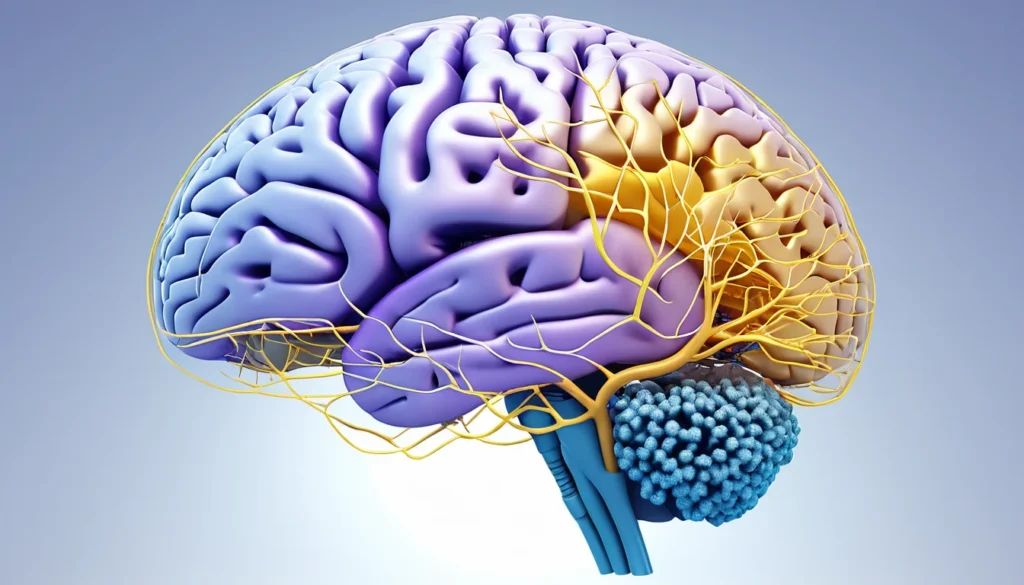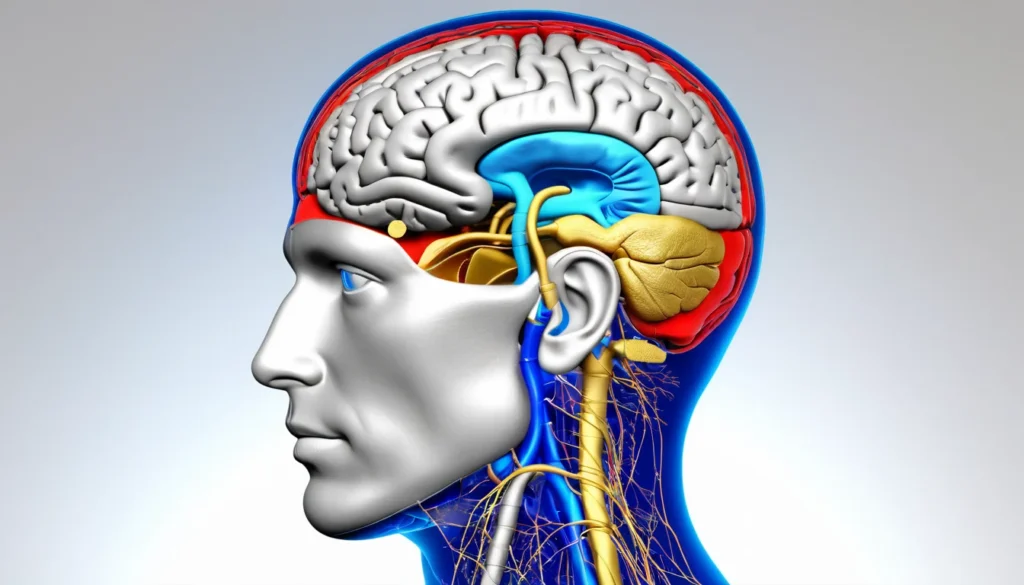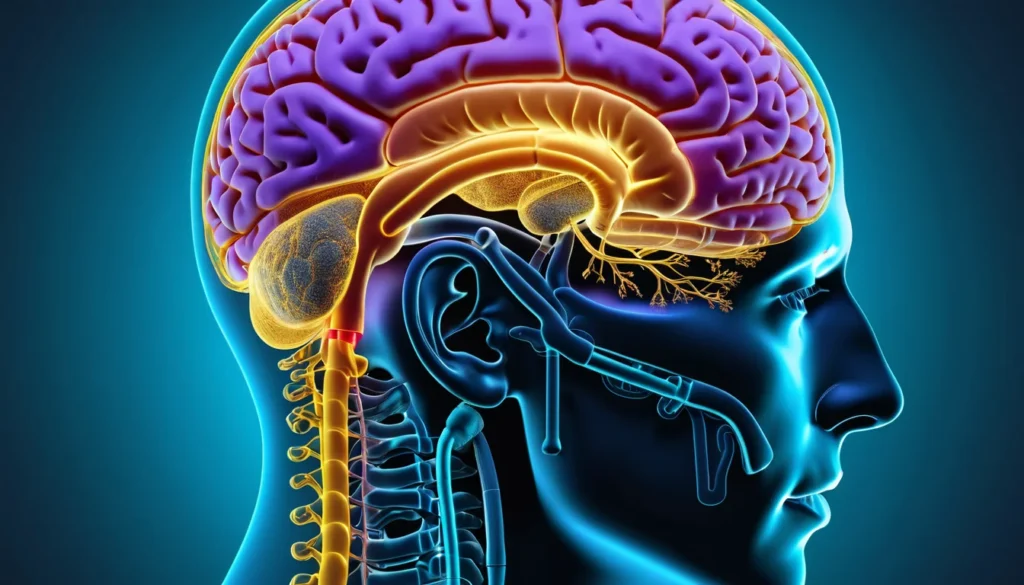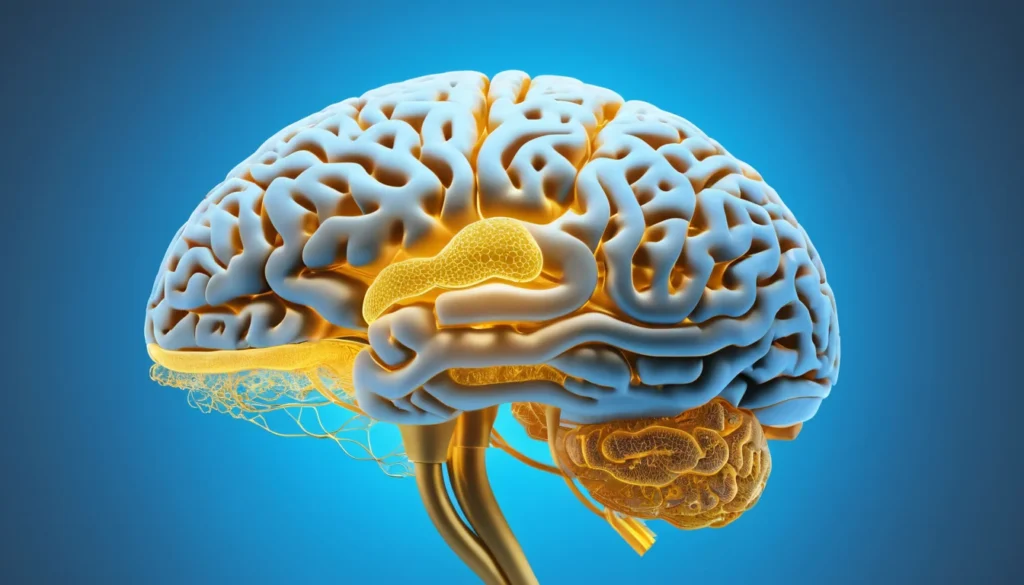
Alzheimer’s disease is a progressive brain condition that slowly destroys memory, thinking, and the ability to carry out everyday tasks. It is the most common form of dementia in older Canadians. Understanding the early warning signs can help you and your family act sooner and get the right support through your provincial health system.
What Is Alzheimer’s Disease?
Alzheimer’s disease is a degenerative condition that damages areas of the brain responsible for memory, language, judgement, and behaviour. Over time, the damage spreads and affects more of the brain.
This condition is more serious than the mild forgetfulness that many older adults experience. It goes beyond occasionally misplacing your keys. Alzheimer’s disease affects a person’s personality, their ability to think clearly, and their capacity to manage daily life.
Family members are often the first to notice the changes. However, the person living with the condition may also become aware that something is different. According to the World Health Organization’s dementia fact sheet, over 55 million people worldwide live with dementia, and Alzheimer’s accounts for the majority of cases.
Risk Factors for Alzheimer’s Disease
Several factors can increase a person’s chance of developing Alzheimer’s disease. Knowing these risk factors can help you make informed decisions about your health.
Age and Family History
Age is the single biggest risk factor. The likelihood of developing Alzheimer’s disease rises significantly after age 65. However, it is not a normal part of aging.
A family history of Alzheimer’s also increases your risk. This is especially true if a first-degree relative — a parent or sibling — was diagnosed, or if multiple family members have been affected.
Genetics
Carrying a gene called apolipoprotein E-4 (APOE-4) has been linked to a higher risk of developing Alzheimer’s disease. This appears to be particularly relevant for people of white European or Asian backgrounds. Genetic testing is available but is not routinely recommended without specialist guidance.
Cardiovascular Health
Your heart and brain are closely connected through your blood vessels. Poor cardiovascular health can cause significant damage to the brain over time.
The following conditions are associated with a higher risk of Alzheimer’s disease:
Stroke
Heart disease
Type 2 diabetes
High cholesterol
High blood pressure (hypertension)
Managing these conditions through your family doctor or a specialist can help protect your brain health in the long run.
Down Syndrome
People with Down syndrome have a significantly higher risk of developing Alzheimer’s disease as they age. Research suggests this is linked to a specific gene on chromosome 21. Families should discuss this risk with their healthcare provider early on.
Hormone Therapy
Some research has suggested that women over 65 who take combined estrogen and progestogen hormone replacement therapy (HRT) may have an increased risk of developing dementia, including Alzheimer’s disease. If you are currently taking HRT or considering it, speak with your doctor to weigh the benefits and risks for your specific situation.
Other Possible Risk Factors
Researchers are still studying several other potential contributors to Alzheimer’s disease. These have not been fully confirmed, but they are worth knowing about.
Smoking
Some studies suggest that smoking may increase the risk of dementia and Alzheimer’s disease. However, the evidence is not yet conclusive. Quitting smoking is still one of the best things you can do for your overall health.
Head Injuries
There is growing evidence that a serious head injury — especially one that causes loss of consciousness — may increase the risk of developing Alzheimer’s disease later in life. The risk appears to be higher in people who already have a family history of the condition.
High Homocysteine Levels
Homocysteine is an amino acid found naturally in the blood. High levels have been linked to heart disease. Some researchers believe elevated homocysteine may also be connected to a higher risk of Alzheimer’s disease.
High homocysteine levels are often caused by low levels of vitamin B12 and folic acid. A simple blood test can check your levels. Ask your family doctor if this test is right for you.
As a note, daily exposure to aluminium from cookware or deodorants has not been shown to increase the risk of Alzheimer’s disease.
What Causes Alzheimer’s Disease?
The exact cause of Alzheimer’s disease is not yet fully understood. Researchers believe it is likely a combination of factors rather than a single cause.
One key finding is that the disease involves a loss of chemical messengers in the brain called neurotransmitters. The most important of these is acetylcholine, which helps brain cells communicate with one another. When these messengers break down, the brain can no longer function normally.
For more detail on the science behind the condition, visit the Mayo Clinic’s overview of Alzheimer’s disease causes.
While most people with Alzheimer’s disease do not have a direct family history, having a close relative with the condition does increase your personal risk. Researchers continue to study the roles that genetics, lifestyle, and environment all play.
Symptoms of Alzheimer’s Disease
Memory loss is usually the first noticeable sign of Alzheimer’s disease. It is important to understand the difference between normal age-related forgetfulness and something more serious.
Normal Memory Loss vs. Alzheimer’s Disease
Normal memory lapses in older adults might include:
Forgetting part of an experience but remembering it later
Temporarily forgetting where you parked the car
Not recalling a person’s name right away but remembering it later
Misplacing everyday items like keys from time to time
Memory loss linked to Alzheimer’s disease tends to be more severe and includes:
Forgetting an entire experience, not just parts of it
Being unable to read a clock or drive a familiar route
Forgetting recent events, such as leaving the stove on
Completely forgetting a familiar person
The 10 Warning Signs
The Alzheimer’s Association has identified 10 key warning signs of Alzheimer’s disease. In the early stages, a person may still appear to function normally in social settings, making these signs easy to miss. Furthermore, friends and family members often notice the changes before the person does.
The 10 warning signs include:
Memory loss that disrupts daily life, such as forgetting recently learned information, names, or phone numbers
Difficulty completing familiar tasks, like preparing a meal or managing a bank account
Problems with language, including forgetting common words or substituting unusual ones
Disorientation to time and place, such as forgetting your home address or getting lost in a familiar neighbourhood
Poor or decreased judgement, for example wearing a winter coat in the middle of summer
Problems with abstract thinking, such as not being able to make sense of numbers or follow a simple plan
Misplacing items and being unable to retrace steps to find them
Changes in mood or behaviour, including sudden shifts from calm to tearfulness or anger
Changes in personality, becoming confused, suspicious, or unusually fearful
Loss of initiative, showing no interest in hobbies, family, or activities once enjoyed
Symptoms of Alzheimer’s disease tend to worsen gradually as the condition progresses. For a comprehensive breakdown of stages, Healthline’s guide to Alzheimer’s disease offers clear and reliable information.
When to See a Doctor
If you or someone you love is showing signs of memory loss or any of the warning signs listed above, it is important to seek medical attention. Do not wait for symptoms to get worse before reaching out.
Start by booking an appointment with your family doctor. They can conduct an initial assessment and refer you to a neurologist or geriatrician if needed. If you do not have a family doctor, most walk-in clinics across Canada can help with an initial evaluation and connect you to the right specialist.
Your provincial health plan covers most diagnostic assessments related to memory and cognitive health. Early diagnosis gives you and your family more time to plan, access support programmes, and explore available treatments. The sooner you act, the better the outcome for everyone involved.
It is also a good idea to keep a written record of the symptoms you have noticed — including when they started and how often they occur. This information will be very helpful for your doctor.
What are the earliest signs of Alzheimer’s disease?
The earliest sign of Alzheimer’s disease is usually short-term memory loss, such as forgetting recently learned information or repeating the same questions. Other early signs include difficulty finding the right words and trouble completing familiar daily tasks. If you notice these changes in yourself or a loved one, speak with your family doctor as soon as possible.
Is Alzheimer’s disease hereditary?
Alzheimer’s disease can run in families, but most people who develop it do not have a direct family history of the condition. Having a first-degree relative — such as a parent or sibling — with Alzheimer’s disease does increase your risk. Genetic factors like the APOE-4 gene can also play a role, but carrying the gene does not mean you will definitely develop the disease.
What is the difference between Alzheimer’s disease and dementia?
Dementia is an umbrella term for a group of symptoms that affect memory, thinking, and social abilities severely enough to interfere with daily life. Alzheimer’s disease is the most common cause of dementia, accounting for roughly 60 to 80 percent of cases. Not all dementia is caused by Alzheimer’s — other types include vascular dementia and Lewy body dementia.
At what age does Alzheimer’s disease usually start?
Alzheimer’s disease most commonly affects people over the age of 65, and the risk increases significantly with each decade after that. However, early-onset Alzheimer’s disease can occur in people in their 40s and 50s, though this is much less common. Age is the greatest known risk factor for developing Alzheimer’s disease.
Can Alzheimer’s disease be prevented?
There is currently no proven way to prevent Alzheimer’s disease, but certain lifestyle choices may help lower your risk. Staying physically active, eating a heart-healthy diet, managing blood pressure and cholesterol, and staying socially and mentally engaged are all steps that support brain health. Talk to your doctor about a prevention plan that suits your personal health history.
How is Alzheimer’s disease diagnosed in Canada?
In Canada, Alzheimer’s disease is typically diagnosed through a combination of medical history review, cognitive tests, blood tests, and brain imaging. Your family doctor will usually conduct a first assessment and refer you to a specialist such as a neurologist or geriatrician. Most of these services are covered under provincial health plans, so speak with your doctor early if you have concerns.
Key Takeaways
Alzheimer’s disease is the most common form of dementia and affects memory, behaviour, language, and judgement.
It is not a normal part of aging, though age is the biggest risk factor.
Key risk factors include family history, the APOE-4 gene, cardiovascular disease, diabetes, and high blood pressure.
Early signs include forgetting entire experiences, getting lost in familiar places, and changes in personality or behaviour.
There are 10 warning signs identified by the Alzheimer’s Association — knowing them can lead to earlier diagnosis.
Early diagnosis means earlier access to treatment, support programmes, and planning resources through your provincial health system.
If you are concerned about memory loss in yourself or a loved one, see your family doctor or visit a walk-in clinic as soon as possible.
This article is for informational purposes only and does not replace professional medical advice. Always consult your family doctor or a qualified healthcare provider if you have concerns about your health or the health of a loved one.