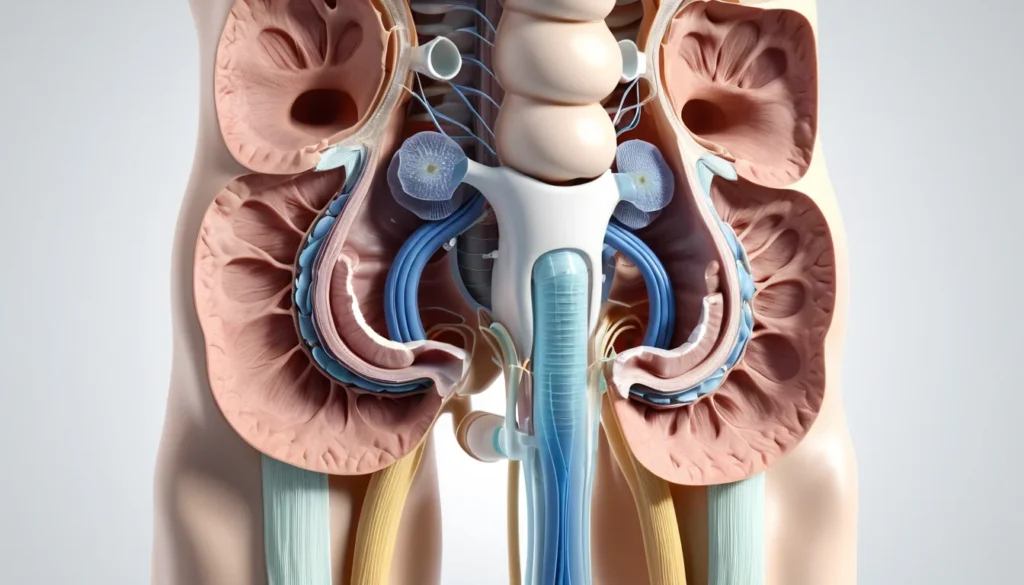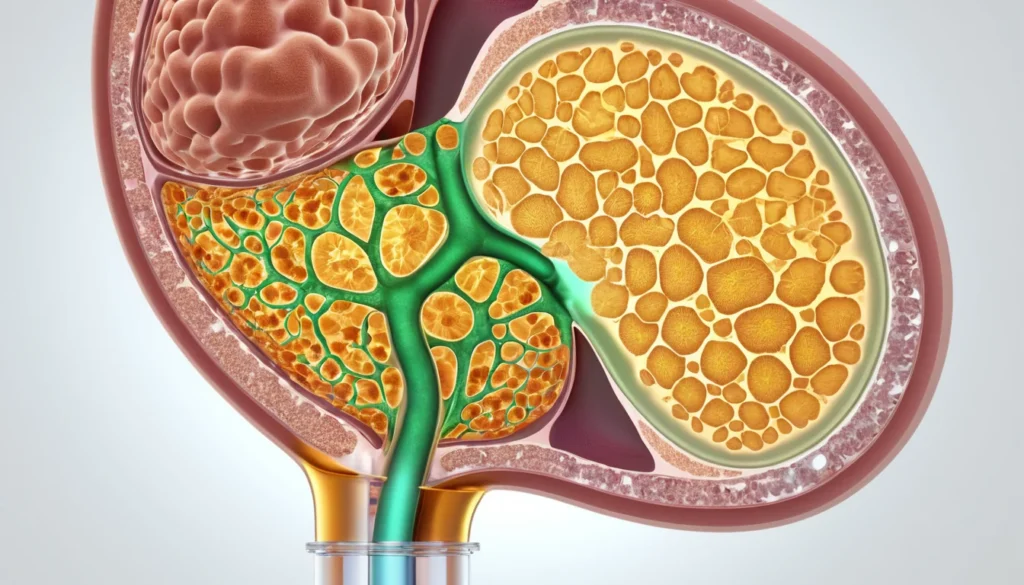
An ALT blood test is one of the most common ways doctors check how well your liver is working. ALT stands for alanine aminotransferase, an enzyme found mainly in the liver and kidneys. When liver cells are damaged, ALT spills into the bloodstream, causing levels to rise. This article explains what the ALT blood test measures, what high levels can mean, and when you should speak with your family doctor or visit a walk-in clinic.
What Is the ALT Blood Test?
The ALT blood test measures the amount of alanine aminotransferase in your blood. This enzyme goes by several names, including glutamate pyruvate transaminase (GPT) and alanine transaminase (ALAT). All of these terms refer to the same test.
ALT is found in many tissues, but it is most concentrated in the liver. Smaller amounts are also present in the kidneys, heart, and muscles. Because ALT is so strongly linked to the liver, it is a very useful marker for detecting liver problems early.
Your doctor may order this test as part of a routine blood panel, a liver function test, or to investigate symptoms like fatigue, yellowing of the skin, or abdominal pain. In Canada, this test is covered under most provincial health plans when ordered by a physician.
How Does the ALT Blood Test Work?
The test itself is simple and quick. A healthcare provider draws a small sample of blood, usually from a vein in your arm. The sample is then sent to a laboratory, where technicians measure the concentration of ALT in your blood.
Results are typically reported in units per litre (U/L). Most Canadian laboratories consider a normal ALT range to be between 7 and 56 U/L, though this can vary slightly depending on the lab and your age or sex. Your doctor will interpret your results in the context of your overall health.
In most cases, you do not need to fast before an ALT blood test. However, your doctor may ask you to fast if the test is part of a larger blood panel. Always follow the specific instructions given by your healthcare provider.
What Do High ALT Levels Mean?
A high ALT result means that liver cells may be damaged or inflamed. When liver cells break down, they release ALT into the bloodstream. Therefore, the higher the ALT level, the more liver cell damage is likely present.
Viral Hepatitis
Viral hepatitis is the most common cause of significantly elevated ALT levels. Both hepatitis A, B, and C can cause ALT to rise dramatically — sometimes to ten times the normal level or higher. In Canada, hepatitis C affects an estimated 250,000 people, and many are unaware they have it. Health Canada provides updated guidance on hepatitis screening and prevention.
If your doctor suspects viral hepatitis, they will likely order additional tests to identify the specific virus involved. Early detection leads to better treatment outcomes, so screening is important.
Liver Disease and Cirrhosis
Other liver conditions can also raise ALT levels, though often not as dramatically as viral hepatitis. These conditions include liver cirrhosis, fatty liver disease (also called non-alcoholic fatty liver disease, or NAFLD), and liver cancer.
In cirrhosis, the liver becomes scarred over time, and its ability to function is reduced. ALT levels may be only mildly or moderately elevated in cirrhosis, because fewer healthy liver cells remain to release the enzyme. Furthermore, in liver cancer, ALT elevation is variable and depends on how much of the liver is affected.
Heart Attack
A heart attack (myocardial infarction) can also cause ALT to rise, though usually to a lesser degree than liver disease. This happens because heart muscle cells also contain some ALT. However, doctors typically use other, more specific markers like troponin to diagnose heart attacks. An elevated ALT in this setting is usually a secondary finding.
Other Causes of Elevated ALT
Several other conditions and factors can raise your ALT levels. These include:
Alcohol use: Regular or heavy alcohol consumption is a leading cause of elevated ALT in Canada.
Medications: Certain prescription drugs, over-the-counter pain relievers (like acetaminophen), and herbal supplements can stress the liver and raise ALT.
Obesity: Excess body weight is closely linked to fatty liver disease, which raises ALT.
Type 2 diabetes: People with diabetes are at higher risk of fatty liver disease and elevated liver enzymes.
Intense exercise: Very strenuous physical activity can temporarily raise ALT due to muscle breakdown.
Celiac disease: In some cases, untreated celiac disease can cause mildly elevated ALT levels.
As a result, your doctor will always look at your full health picture before drawing conclusions from a single elevated ALT result.
What Do Normal or Low ALT Levels Mean?
A normal ALT result is a good sign that your liver is not under significant stress. However, a normal result does not completely rule out liver disease. In advanced cirrhosis, for example, so few healthy liver cells remain that ALT may actually fall back to normal or near-normal levels.
Low ALT levels are generally not a cause for concern. In some cases, very low levels have been associated with low vitamin B6 levels, but this is rarely clinically significant. Your doctor will let you know if further investigation is needed.
For a broader overview of how liver enzyme tests fit into overall liver health, the Mayo Clinic offers a detailed guide on liver function tests.
ALT Blood Test and Canadian Healthcare
In Canada, the ALT blood test is a standard part of many routine health assessments. Your family doctor may include it in your annual check-up, especially if you have risk factors for liver disease. These risk factors include heavy alcohol use, obesity, diabetes, or a family history of liver problems.
If you do not have a family doctor, you can ask for liver enzyme testing at a walk-in clinic. Most walk-in clinics across Canada can order blood work and refer you for further testing if needed. Provincial health plans in most provinces cover the cost of medically necessary blood tests, so there is typically no out-of-pocket charge.
In addition, some provinces offer specific programmes for hepatitis B and C screening, particularly for people at higher risk. Ask your local public health unit or family doctor about what is available in your province.
How to Keep Your ALT Levels Healthy
Keeping your liver healthy is one of the best ways to maintain normal ALT levels. Fortunately, many of the most effective strategies are straightforward lifestyle choices.
Limit Alcohol Consumption
Alcohol is one of the biggest threats to liver health. Canada’s Low-Risk Alcohol Drinking Guidelines recommend no more than two standard drinks per day for women and three for men, with regular alcohol-free days each week. Reducing alcohol intake can lower ALT levels significantly within weeks.
Maintain a Healthy Weight
Excess body fat, especially around the abdomen, is strongly linked to fatty liver disease and elevated ALT. Even a modest weight loss of five to ten percent of body weight can reduce liver fat and improve enzyme levels. Regular physical activity and a diet rich in vegetables, fruits, whole grains, and fibre are key steps.
Be Careful With Medications and Supplements
Many people do not realize that common medications and herbal supplements can harm the liver. Always follow the recommended dosage for over-the-counter drugs like acetaminophen (Tylenol). Talk to your pharmacist or doctor before starting any new supplement, especially if you already have liver concerns.
Get Vaccinated
Vaccines are available for hepatitis A and hepatitis B. These vaccines are highly effective and are part of routine immunization programmes in most Canadian provinces. Protecting yourself from viral hepatitis is one of the most direct ways to prevent liver damage and high ALT levels.
For more information on protecting your liver through lifestyle choices, Healthline has a practical guide on maintaining liver health.
When to See a Doctor
You should speak with your family doctor if you have any symptoms that suggest liver problems. These include unexplained fatigue, yellowing of the skin or eyes (jaundice), dark urine, pale stools, nausea, or pain in the upper right side of your abdomen.
If you do not have a family doctor, a walk-in clinic can order an ALT blood test and other liver function tests. Walk-in clinics are available in most Canadian cities and towns, and many are open evenings and weekends for your convenience.
You should also ask your doctor about ALT testing if you have known risk factors for liver disease, such as a history of heavy drinking, obesity, type 2 diabetes, or exposure to hepatitis viruses. Early detection of liver problems leads to much better health outcomes.
Always consult a qualified healthcare provider before drawing any conclusions from your blood test results. This article is for informational purposes only and is not a substitute for professional medical advice.
Frequently Asked Questions
What does a high result on an ALT blood test mean?
A high ALT blood test result usually means that liver cells have been damaged or are inflamed. Common causes include viral hepatitis, fatty liver disease, heavy alcohol use, and certain medications. Your doctor will review your full medical history to find the underlying cause.
What is a normal ALT level in adults?
For most Canadian laboratories, a normal ALT level falls between 7 and 56 units per litre (U/L). Normal ranges can vary slightly between labs and may differ based on your age and sex. Your doctor will tell you whether your specific result falls within the healthy range for you.
Do I need to fast before an ALT blood test?
In most cases, you do not need to fast before an ALT blood test. However, if your doctor orders it alongside a full blood panel, fasting may be required for the other components. Always follow the specific instructions your healthcare provider gives you before the test.
Can medications cause a high ALT level?
Yes, many medications can raise ALT levels, including acetaminophen (Tylenol), cholesterol-lowering drugs (statins), and some antibiotics. Herbal supplements can also stress the liver and affect your ALT blood test results. Always tell your doctor about every medication and supplement you are taking.
Can I get an ALT blood test at a walk-in clinic in Canada?
Yes, you can request an ALT blood test at most walk-in clinics across Canada. A doctor at the clinic can assess your symptoms and order blood work if it is medically appropriate. In most provinces, the test is covered under your provincial health plan when it is medically necessary.
How can I lower my ALT levels naturally?
You can often lower elevated ALT levels by reducing alcohol consumption, losing excess weight, eating a balanced diet rich in fibre, and exercising regularly. Avoiding unnecessary medications and supplements that stress the liver also helps. However, always speak with your doctor before making major changes, especially if your ALT blood test results are significantly elevated.
Key Takeaways
The ALT blood test measures alanine aminotransferase, an enzyme mainly found in the liver.
High ALT levels most commonly signal liver cell damage, with viral hepatitis being the leading cause of dramatic elevation.
Other causes include fatty liver disease, cirrhosis, liver cancer, alcohol use, medications, and obesity.
A normal ALT range for most Canadian labs is 7–56 U/L, though ranges can vary.
Lifestyle changes — including limiting alcohol, maintaining a healthy weight, and eating a high-fibre diet — can help keep ALT levels healthy.
The test is available through your family doctor or a walk-in clinic, and is covered by most provincial health plans when medically necessary.
Always discuss your results with a qualified healthcare provider for proper interpretation and next steps.