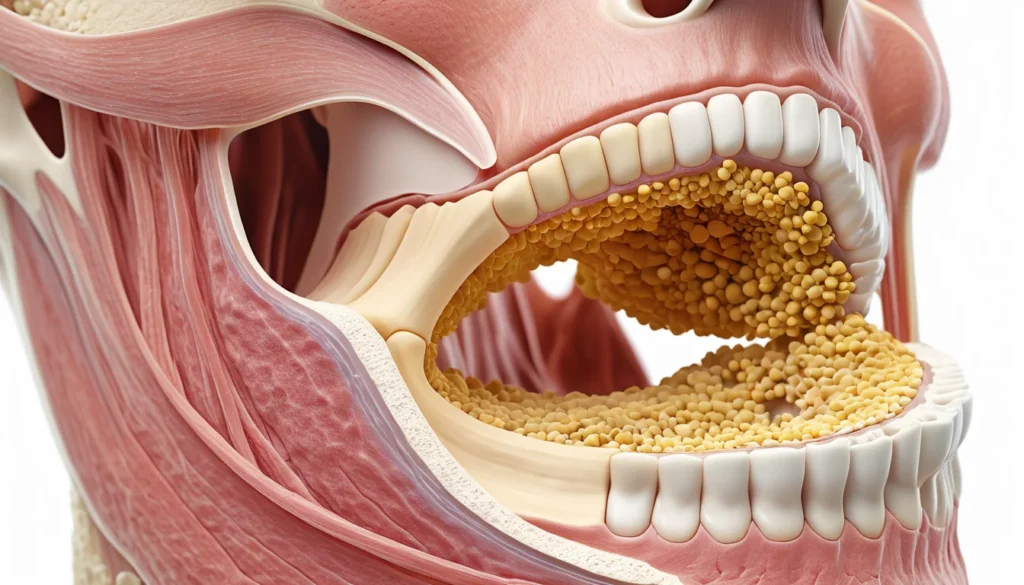
Allergic rhinosinusitis is a widespread condition affecting millions of Canadians, causing persistent inflammation inside the nose and sinuses triggered by an allergic reaction. From seasonal pollen surges in spring to year-round dust mite exposure, this condition can significantly disrupt your quality of life with symptoms like sneezing, nasal congestion, and itchy, watery eyes.
How Is Allergic Rhinosinusitis Diagnosed and Treated in Canada?
Understanding the causes behind sinus inflammation from allergies is the first step toward finding lasting relief. Whether you experience mild seasonal flare-ups or chronic allergic rhinosinusitis symptoms throughout the year, this comprehensive guide covers everything Canadian readers need to know — from diagnosis and treatment options to prevention strategies tailored to Canada’s unique climate and allergen patterns.
What Is Allergic Rhinosinusitis?
Treatment Options for Allergic Rhinosinusitis in Canadian Patients
| Treatment Option | How It Works | Key Benefits | Considerations |
|---|---|---|---|
| Intranasal Corticosteroids (e.g., fluticasone, mometasone) | Reduces nasal and sinus inflammation by suppressing immune response | First-line treatment; highly effective for nasal congestion, sneezing, and runny nose | Available over-the-counter in Canada; requires consistent daily use for full effect |
| Oral Antihistamines (e.g., cetirizine, loratadine) | Blocks histamine receptors to reduce allergic symptoms | Fast-acting relief for sneezing, itching, and runny nose; non-drowsy options available | Less effective for nasal congestion; widely available without a prescription in Canada |
| Allergen Immunotherapy (Allergy Shots or Sublingual Drops) | Gradually desensitizes the immune system to specific allergens | Long-term reduction in symptom severity; may reduce need for daily medications | Requires referral to an allergist; treatment course spans 3–5 years; covered variably by provincial health plans |
| Saline Nasal Irrigation (e.g., Neti pot, saline rinse) | Physically flushes allergens, mucus, and irritants from nasal passages | Safe, drug-free option; relieves congestion and supports sinus drainage | Must use distilled or previously boiled water to prevent infection risk |
| Decongestants (e.g., pseudoephedrine, oxymetazoline) | Narrows blood vessels in nasal passages to reduce swelling and congestion | Provides rapid short-term relief of nasal blockage | Nasal sprays should not be used more than 3 consecutive days; oral forms require pharmacist guidance in Canada |
Allergic rhinosinusitis happens when allergens enter your nose and trigger an immune response. Your body produces a chemical called histamine, which causes the familiar symptoms of nasal allergies. These symptoms include sneezing, a runny nose, and nasal congestion.
Inside your nose, special cells called mast cells react to allergens by releasing histamine. They also release other substances called eosinophils. Eosinophils stay in the nasal lining for up to 24 hours and can trigger a second wave of allergy symptoms later on.
Common Causes and Triggers
The causes of allergic rhinosinusitis are usually easy to identify. Allergens enter through your nasal passages and set off the immune response. In Canada, common triggers vary by season and environment.
Common allergens include:
Pollen from trees, grasses, and weeds
Dust and dust mites
Mould spores
Pet dander (from cats, dogs, and other animals)
Cigarette smoke and dry or cold air
For example, someone allergic to cat dander will react almost immediately when near a cat. Even after leaving the room, a second wave of symptoms can occur hours later as eosinophils release more inflammatory substances.
Types of Reactions: Early and Late Phase
Early Phase Reaction
The early phase reaction happens within minutes to a couple of hours after allergen exposure. This is the sudden, acute attack most people recognise. It continues as long as you remain near the allergen.
Late Phase Reaction
The late phase reaction follows hours after initial exposure. Even after the allergen is gone, eosinophils continue releasing inflammatory substances. This is why symptoms can linger well after you have left the source of the allergen.
People with chronic allergies may also start reacting to non-allergic triggers, such as cold air, smoke, or airborne particles. This is a sign that the nasal lining has become overly sensitive over time.
Symptoms of Allergic Rhinosinusitis
Symptoms can be mild or severe, and they tend to change depending on whether the reaction is in its early or late phase. However, both phases share many of the same signs.
Early Phase Symptoms
Clear, watery nasal discharge
Sneezing
Itchy nose, eyes, and ears
Watery, red eyes
Nasal congestion and difficulty breathing through the nose
Cough
Late Phase and Chronic Symptoms
Late phase symptoms are similar but often feel heavier and more uncomfortable. In addition, people with long-term or chronic allergic rhinosinusitis may experience:
Severe nasal congestion
Thicker, less clear nasal discharge
Reduced or lost sense of smell
Headaches — usually across the forehead, cheeks, or around the eyes
Facial pain or pressure
Chronic cough
Fatigue
Snoring
Furthermore, research shows that allergic rhinitis increases the risk of developing asthma by up to four times. People with chronic dust allergies, for example, face a higher risk of long-term respiratory problems. You can learn more about the link between allergies and asthma from Health Canada’s allergy and asthma resources.
How Is Allergic Rhinosinusitis Diagnosed?
Diagnosis starts with your medical history and a physical exam. Your doctor will ask about your symptoms and when they happen. They will also ask about any known allergens that seem to trigger your reactions.
Sometimes, symptoms only appear during certain seasons. In those cases, an allergist may recommend further testing. Tests can include:
Checking nasal mucus for eosinophils
Skin prick allergy tests
Blood tests to measure IgE antibody levels
These tests help pinpoint exactly which allergens are causing your allergic rhinosinusitis. Knowing your specific triggers makes treatment much more effective.
Treatment Options for Allergic Rhinosinusitis
There are several effective treatments available. Your doctor will likely recommend starting with the least invasive options first. Treatment depends on the severity and frequency of your symptoms.
Antihistamines
Antihistamines are usually the first choice for managing allergic rhinosinusitis. Common options include loratadine (Claritin), fexofenadine (Allegra), and diphenhydramine (Benadryl). They work well for sneezing and runny nose but are less effective at reducing nasal congestion on their own.
However, antihistamines can cause side effects. Older antihistamines like diphenhydramine often cause drowsiness and reduced alertness. Newer ones like loratadine and fexofenadine are less likely to make you sleepy. Always read the label before driving or operating machinery.
Decongestants
Decongestants like pseudoephedrine help reduce nasal swelling and congestion. They are often combined with an antihistamine for better results. However, they can raise blood pressure, increase heart rate, and disturb sleep. Therefore, people with heart conditions or high blood pressure should speak to a doctor before using them.
Nasal Corticosteroid Sprays
For ongoing or prolonged allergic rhinosinusitis, nasal corticosteroid sprays are often the most effective option. Examples include beclomethasone and mometasone. These sprays reduce inflammation directly in the nasal passages and are considered safe for long-term use based on over 20 years of research.
These sprays actually work better than antihistamines at controlling acute flare-ups. However, they can occasionally cause minor nasal bleeding or crusting. As always, follow your doctor’s instructions on how to use them properly.
Oral Corticosteroids
For severe allergy attacks, a short course of oral steroids like prednisone may be prescribed. These are powerful and block the allergic response effectively. However, they carry more side effects, including increased appetite, irritability, weight gain, and stomach irritation. Long-term use can lead to bone thinning, increased infection risk, and a higher chance of developing diabetes or cataracts.
Allergy Immunotherapy
Allergy shots (immunotherapy) may be recommended for people with severe or chronic allergic rhinosinusitis that does not respond well to other treatments. These injections gradually desensitise your immune system to specific allergens. However, there is a small risk of allergic reactions or anaphylaxis with each injection, so they are always given in a supervised medical setting.
For more information on allergy treatments, the Mayo Clinic’s overview of allergic rhinitis provides a helpful and detailed explanation.
Home Remedies and Environmental Controls
In addition to medications, some practical steps can reduce your exposure to allergens at home. These include:
Using a HEPA air filter in your bedroom and living area
Vacuuming frequently with a HEPA-filter vacuum
Using saline nasal sprays to thin and flush out mucus
Washing bedding weekly in hot water to kill dust mites
Keeping windows closed during high pollen season
Guaifenesin, found in some over-the-counter products, can also help thin nasal secretions. Speak to your pharmacist about what is available without a prescription.
Prevention Tips for Canadians
Preventing allergic rhinosinusitis entirely can be difficult, since most allergens float through the air. However, reducing your exposure significantly lowers the frequency and severity of attacks.
Here are some prevention strategies that work well in Canadian homes and climates:
Check local pollen counts during spring and fall — many provincial weather apps include this
Avoid outdoor activity on high-pollen days, especially in the morning
Shower after coming indoors to wash pollen off your skin and hair
Use a dehumidifier to reduce mould growth in basements and bathrooms
Avoid smoking indoors and reduce exposure to second-hand smoke
Keep pets out of bedrooms if you are sensitive to pet dander
People with seasonal allergies in Canada often find symptoms peak in spring (tree pollen), summer (grass pollen), and fall (ragweed). Knowing your trigger season helps you prepare in advance.
When to See a Doctor
If your symptoms are affecting your sleep, work, or daily activities, it is time to seek help. Talk to your family doctor or visit a walk-in clinic if you are unsure what is causing your symptoms. Many provincial health plans in Canada cover allergy testing and follow-up appointments.
You should seek care right away if you experience:
Difficulty breathing or chest tightness
Swelling of the face, lips, or throat
Signs of a sinus infection (fever, green or yellow discharge, severe facial pain)
Symptoms that do not improve with over-the-counter medications
An allergist or ear, nose, and throat (ENT) specialist can provide more targeted testing and treatment. Your family doctor can provide a referral through your provincial health plan. You can also find helpful guidance through Healthline’s guide to allergic rhinitis symptoms and treatment.
Always consult your doctor or a qualified healthcare provider before starting or changing any medication or treatment plan.
Frequently Asked Questions About Allergic Rhinosinusitis
What is the difference between allergic rhinitis and allergic rhinosinusitis?
Allergic rhinitis refers to inflammation of the nasal lining caused by allergens. Allergic rhinosinusitis is a broader term that includes inflammation of both the nasal passages and the sinuses. The two conditions often occur together and share many of the same symptoms, such as nasal congestion, sneezing, and headaches.
Can allergic rhinosinusitis lead to asthma?
Yes, having allergic rhinosinusitis can increase your risk of developing asthma by up to four times. The ongoing inflammation in the nasal and sinus passages can spread to the airways over time. Managing your allergic rhinosinusitis properly may help reduce this risk.
What is the best treatment for allergic rhinosinusitis in Canada?
The most effective treatment for ongoing allergic rhinosinusitis is usually a nasal corticosteroid spray, such as mometasone or beclomethasone. These are available by prescription through your family doctor or walk-in clinic. For milder symptoms, over-the-counter antihistamines and decongestants can also provide relief.
How do I know if I have allergic rhinosinusitis or a sinus infection?
Allergic rhinosinusitis typically causes clear, watery discharge, sneezing, and itchy eyes without fever. A sinus infection usually involves thick green or yellow mucus, facial pain, and sometimes a fever. If you are unsure, visit your family doctor or a walk-in clinic for an accurate diagnosis.
Are nasal steroid sprays safe to use every day for allergic rhinosinusitis?
Nasal corticosteroid sprays are considered safe for daily use and have been used for over 20 years with a strong safety record. They deliver medication directly to the nasal lining with minimal absorption into the rest of the body. However, you should follow your doctor’s instructions and report any side effects, such as nasal bleeding or irritation.
Can children get allergic rhinosinusitis?
According to Mayo Clinic’s guide to chronic sinusitis and nasal inflammation, this information is supported by current medical research.
For more information, read our guide on child allergies causes, symptoms, and treatment in Canada.
Yes, children can develop allergic rhinosinusitis, and it is actually quite common in Canadian kids. Symptoms in children may include a persistently runny nose, frequent sneezing, dark circles under the eyes, and difficulty sleeping. A paediatrician or family doctor can recommend age-appropriate treatments and allergy testing if needed.
Key Takeaways
Allergic rhinosinusitis is caused by allergens triggering an immune response in the nasal passages and sinuses. Common Canadian triggers include pollen, dust mites, mould, and pet dander. Symptoms range from sneezing and runny nose to headaches, facial pain, and fatigue. There are two reaction phases — early and late — both
Frequently Asked Questions
What is allergic rhinosinusitis?
Allergic rhinosinusitis is inflammation of the nasal passages and sinus cavities triggered by allergens such as pollen, dust mites, mould, or pet dander. It combines allergic rhinitis with sinus involvement, causing nasal congestion, facial pressure, and mucus buildup. It is one of the most common chronic respiratory conditions in Canada.
What are the symptoms of allergic rhinosinusitis?
Common symptoms include nasal congestion, runny nose, sneezing, itchy or watery eyes, facial pressure or pain, reduced sense of smell, and postnasal drip. Fatigue and headaches are also frequent. Symptoms may worsen seasonally during high pollen periods or year-round when triggered by indoor allergens like dust or mould.
How is allergic rhinosinusitis treated in Canada?
Treatment typically includes antihistamines, intranasal corticosteroid sprays, and nasal saline rinses. Decongestants provide short-term relief. For persistent cases, allergen immunotherapy (allergy shots or sublingual drops) may be recommended. A Canadian allergist or ENT specialist can create a personalized plan based on your specific allergen triggers and symptom severity.
Can allergic rhinosinusitis be prevented?
While it cannot be fully prevented, symptoms can be significantly reduced by avoiding known allergens, using HEPA air purifiers, washing bedding regularly in hot water, keeping windows closed during high pollen counts, and monitoring local air quality reports. Starting antihistamines before allergy season begins can also help minimize symptom severity.
When should you see a doctor for allergic rhinosinusitis?
See a doctor if symptoms last more than 10 days, over-the-counter medications provide no relief, you experience severe facial pain, vision changes, high fever, or recurrent sinus infections. A physician or allergist can confirm the diagnosis through skin-prick testing and recommend prescription treatments or specialist referrals available through Canada’s healthcare system.