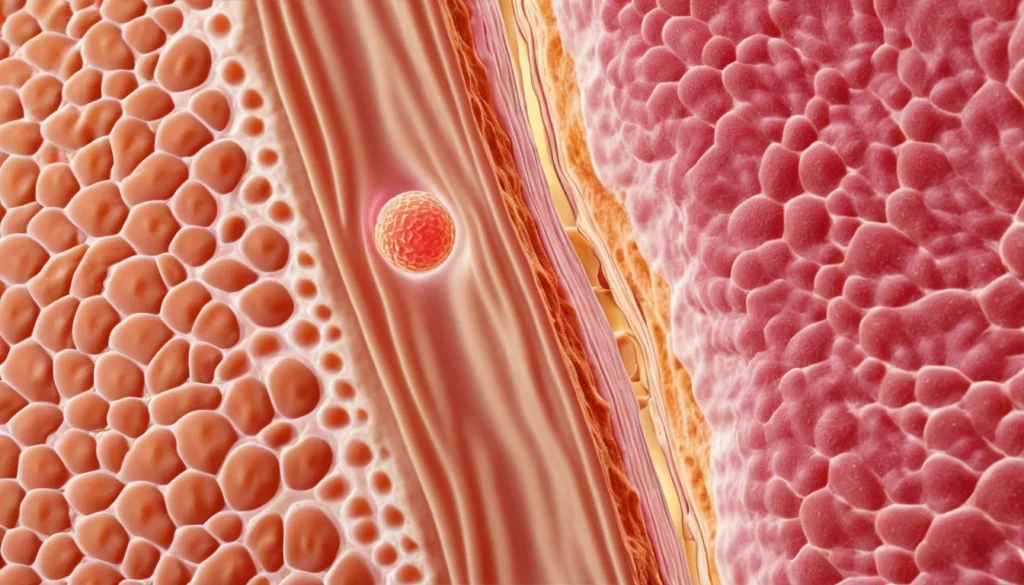
Allergic contact dermatitis is a skin condition that causes a red, itchy rash when your skin touches a substance you are allergic to. It affects millions of Canadians and can range from mildly annoying to seriously uncomfortable. Understanding what triggers it, how to spot it, and how to treat it can make a big difference in your daily life. This article covers everything you need to know, including when to visit your family doctor or a walk-in clinic.
What Is Allergic Contact Dermatitis?
Allergic contact dermatitis is a type of skin inflammation. It happens when your immune system overreacts to a substance that has touched your skin. That substance is called an allergen.
Not everyone reacts to the same allergens. Your immune system first becomes sensitised after an initial exposure. After that, even brief contact with the allergen can trigger a reaction. The longer the allergen stays on your skin, the more severe the reaction tends to be.
It is important to understand that allergic contact dermatitis is not the same as irritant contact dermatitis. Irritant contact dermatitis happens when a chemical directly damages the skin. Allergic contact dermatitis, however, involves your immune system. Both conditions can look similar, which is why a proper diagnosis matters. You can learn more about how the immune system responds to allergens from Health Canada’s official health resources.
What Causes Allergic Contact Dermatitis?
The cause of allergic contact dermatitis is always an allergen — a foreign substance your immune system has decided to fight. Your immune system produces proteins called antibodies, specifically immunoglobulin E (IgE), to attack the allergen. These antibodies attach to special cells called mast cells.
When you touch the allergen again, these mast cells release chemicals called mediators. Histamine is one of the most well-known mediators. These chemicals cause the swelling, redness, and itching you feel on your skin.
Common Allergens That Trigger Reactions
Many everyday substances can act as allergens. Some of the most common triggers include:
Nickel — found in jewellery, belt buckles, and watch straps
Fragrances — in perfumes, lotions, and soaps
Latex — in rubber gloves and some medical supplies
Poison ivy and poison oak — common outdoor triggers across Canada
Preservatives — found in cosmetics and skincare products
Household and industrial cleaning products — including solvents and degreasers
Certain topical medications — such as antibiotic creams
People who already have eczema or other skin conditions are more likely to develop allergic contact dermatitis. Their skin barrier is weaker, which makes it easier for allergens to get in and trigger a response.
Recognising the Symptoms of Allergic Contact Dermatitis
The symptoms of allergic contact dermatitis usually appear one to two days after contact with the allergen. This delay is what separates it from irritant contact dermatitis, which tends to cause symptoms right away.
The rash typically appears only where the allergen touched the skin. However, in some cases it can spread slightly beyond that area. Once symptoms start, they can last for several weeks before fully clearing up.
Common Symptoms to Watch For
Red, inflamed skin
Intense itching or burning sensation
Blisters that may weep or crust over
Swelling in the affected area
A raised, hive-like rash (sometimes called urticaria)
Dry, scaly, or cracked skin if the condition becomes chronic
In contrast, the main symptom of irritant contact dermatitis is pain rather than itching. Irritant dermatitis also often affects the hands, which are frequently exposed to harsh substances at work or at home. Furthermore, irritant dermatitis tends to cover a larger area of skin than the allergic type.
How Is Allergic Contact Dermatitis Diagnosed?
A dermatologist or your family doctor can usually diagnose allergic contact dermatitis by looking at your skin and asking about your history. Blood tests and X-rays are not typically needed. Your doctor will want to know what products or materials you have recently been in contact with.
In some cases, a patch test may be recommended. During a patch test, small amounts of common allergens are applied to your skin using adhesive patches. After 48 hours, a doctor checks for reactions. This test is the most reliable way to identify your specific allergen. According to the Mayo Clinic’s guide to contact dermatitis, patch testing is considered the gold standard for diagnosing allergic contact dermatitis.
A thorough medical history is just as important as the physical exam. Your doctor will ask about your job, hobbies, skincare routine, and any recent changes to products you use. Be as detailed as possible — even seemingly minor details can help identify the cause.
Treatment Options for Allergic Contact Dermatitis
The most effective treatment for allergic contact dermatitis is to find the allergen and avoid it completely. Without doing this, the rash is likely to keep coming back. However, there are also several treatments to relieve symptoms while your skin heals.
Home Care and Self-Treatment
There is a lot you can do at home to ease the discomfort of a reaction. Try these steps as soon as you notice a rash:
Wash the affected skin immediately with cool water and mild soap to remove the allergen
Apply cool, wet compresses for 30 minutes to calm blistered or swollen skin
Use soothing lotions or take a cool oatmeal bath to relieve itching
Take oral antihistamines (such as diphenhydramine or cetirizine) to reduce itching — these are available without a prescription at most Canadian pharmacies
Apply a thin layer of over-the-counter hydrocortisone cream to small affected areas
Avoid scratching, as this can lead to infection and scarring
It is important not to use antihistamine lotions directly on your skin. These topical antihistamines can actually cause their own allergic contact reaction, which would make your situation worse.
Medical Treatments
If home care is not enough, your doctor may prescribe stronger treatments. The most common medical option is a corticosteroid. These medications reduce inflammation in the skin and help clear up the rash more quickly.
Corticosteroids come in creams, ointments, and oral pills or injections for more serious reactions. Prescription-strength topical corticosteroids are more powerful than the hydrocortisone cream you can buy at the pharmacy. Your doctor will recommend the right strength based on the severity of your reaction and where it is on your body.
In some cases, a doctor may also recommend immunosuppressant creams called calcineurin inhibitors. These are especially helpful for sensitive areas like the face or skin folds where corticosteroids can cause thinning. For ongoing or severe cases, a referral to a dermatologist through your provincial health plan may be appropriate. You can read more about skin inflammation and treatment approaches at Healthline’s overview of allergic contact dermatitis.
When to See a Doctor or Visit a Walk-In Clinic
Most mild cases of allergic contact dermatitis can be managed at home. However, you should see your family doctor if the rash does not improve after a few days of self-care, or if it keeps getting worse.
Visit a walk-in clinic or urgent care centre if you cannot reach your family doctor quickly and your symptoms are bothering you. If you do not have a family doctor, walk-in clinics across Canada can assess your skin and recommend treatment. Most provincial health plans cover these visits.
Go to the emergency department of your nearest hospital if:
The itching is severe and uncontrollable
The rash is spreading rapidly across your body
You have swelling of the face, lips, or throat
You are having difficulty breathing
Signs of infection appear, such as increased warmth, pus, or fever
As always, speak with a qualified healthcare provider before starting any new treatment. Your doctor knows your full medical history and is best placed to give you personalised advice.
Preventing Allergic Contact Dermatitis
Prevention is the most powerful tool when it comes to allergic contact dermatitis. Once you know your triggers, avoiding them is the single best way to stop reactions from happening.
Here are some practical steps to protect your skin:
Read ingredient labels on skincare, cosmetic, and cleaning products before using them
Wear protective gloves when handling chemicals, cleaning products, or known allergens
Choose fragrance-free and hypoallergenic products when possible
Wash your hands and skin thoroughly after outdoor activities, especially if you have been near plants like poison ivy
Inform your dentist, hairdresser, or healthcare providers about known allergies before procedures
Keep a simple diary of products you use — this can help identify new triggers quickly
If your job exposes you to allergens regularly, talk to your employer about protective equipment and safer product alternatives. Occupational dermatitis is a recognised workplace health issue in Canada, and you may have rights under provincial workplace safety regulations.
Frequently Asked Questions About Allergic Contact Dermatitis
What does allergic contact dermatitis look like?
Allergic contact dermatitis usually looks like a red, itchy rash with possible blisters or swelling. It appears only where the allergen touched the skin and typically shows up one to two days after exposure. The rash can become dry and scaly if the condition goes untreated for a long time.
How long does allergic contact dermatitis last?
Once you stop contact with the allergen and start treatment, most cases of allergic contact dermatitis clear up within two to four weeks. However, if you continue to be exposed to the trigger, the rash can become chronic and last much longer. Prompt identification and avoidance of the allergen speeds up recovery significantly.
Is allergic contact dermatitis contagious?
No, allergic contact dermatitis is not contagious. You cannot pass it on to another person through touch or close contact. It is purely a reaction between your own immune system and a specific allergen.
What is the difference between allergic and irritant contact dermatitis?
Allergic contact dermatitis involves an immune system reaction to a specific allergen and usually causes intense itching. Irritant contact dermatitis is caused by direct chemical damage to the skin, and pain is the main symptom. Allergic reactions also tend to be delayed by one to two days, while irritant reactions often happen immediately.
Can allergic contact dermatitis go away on its own?
Mild cases of allergic contact dermatitis may improve on their own once you stop touching the allergen. However, treatment with cool compresses, soothing lotions, or antihistamines can speed up healing and reduce discomfort. If the rash is severe or does not improve, see your family doctor or visit a walk-in clinic for further assessment.
What common household products can cause allergic contact dermatitis?
Many common household products can trigger allergic contact dermatitis, including scented soaps, laundry detergents, cleaning sprays, rubber gloves, and certain cosmetics. Nickel in everyday jewellery and belt buckles is also one of the most frequent causes in Canada. Switching to fragrance-free or hypoallergenic products can significantly reduce your risk.
Key Takeaways
Allergic contact dermatitis is a skin reaction triggered by direct contact with an allergen your immune system has become sensitised to.
Symptoms — including redness, itching, and blistering — typically appear one to two days after exposure and can last several weeks.
The most effective treatment is identifying and completely avoiding the allergen.
Home remedies such as cool compresses, oatmeal baths, oral antihistamines, and over-the-counter hydrocortisone cream can relieve mild symptoms.
For more severe cases, your doctor may prescribe corticosteroid creams or other medications.
See your family doctor or walk-in clinic if symptoms do not improve after a few days of self-care.
Go to the emergency department if you experience severe swelling, breathing difficulty, or signs of infection.
Always speak with a healthcare professional before starting any new treatment for skin conditions.