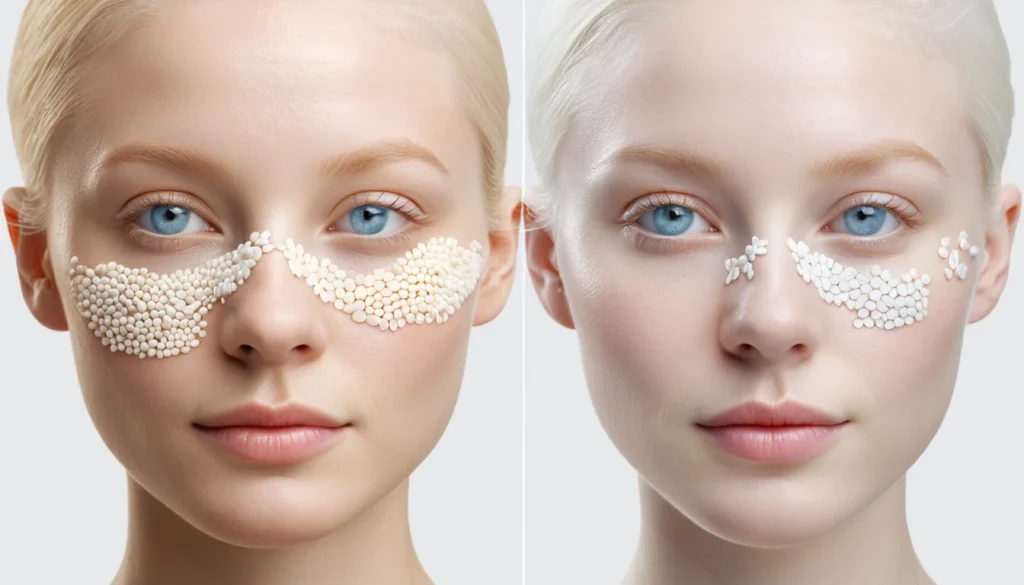
Albinism is a genetic condition that affects the production of melanin — the pigment that gives colour to your skin, hair, and eyes. People with albinism are born with little or no melanin, which can affect their appearance and, in all cases, their vision. In Canada, albinism occurs across all ethnic backgrounds. Understanding this condition can help families seek the right support early.
What Is Albinism?
Albinism belongs to a group of genetic disorders that affect how the body produces melanin. Melanin does more than determine skin and hair colour — it also plays a key role in the development of the optic nerves, which connect your eyes to your brain.
Because melanin is essential for eye development, all forms of albinism cause some degree of vision problems. There is currently no cure for albinism. However, people with this condition can take steps to protect their eyes and skin, and lead full, healthy lives.
Albinism does not affect intellectual development. However, people with albinism may sometimes feel socially isolated or face discrimination because of their appearance. Support from family, schools, and community programmes can make a meaningful difference.
Symptoms of Albinism
The signs of albinism are not always obvious at birth. Some babies show clear changes in skin and hair colour right away. Others may only show eye-related symptoms at first. Regardless of how albinism affects appearance, all people with this condition experience some form of vision difficulty.
Skin Changes
The most recognisable sign of albinism is very light or milky-white skin. However, skin colour can vary — from nearly white to close to the colour of a parent or sibling without albinism.
In some people, skin pigmentation never changes. In others, melanin production may slowly increase during childhood or adolescence, leading to slight darkening. With sun exposure, some people may develop:
Freckles
Moles with or without pigment
Larger freckle-like spots (called lentigines)
The ability to tan slightly
Hair Colour
Hair colour in people with albinism can range from very white to dark brown. People of African or Asian descent with albinism may have blonde, reddish, or light brown hair. Hair colour may also change as a person enters early adulthood.
Eye Colour
Eye colour in albinism can range from very light blue to brown, and it may shift with age. Because the iris lacks pigment, it becomes partially transparent. This means the eyes cannot fully block incoming light.
In certain lighting, light-coloured eyes may appear reddish or pinkish. This happens because light reflects off the back of the eye and passes back through the iris — similar to the red-eye effect you see in photographs.
Vision Problems Linked to Albinism
Vision problems are a core feature of albinism. They occur because melanin is needed for the normal development of nerve pathways between the eye and the brain. The retina may also not develop fully.
Common vision symptoms in people with albinism include:
Nystagmus — rapid, involuntary back-and-forth eye movements
Strabismus — difficulty focusing both eyes on the same point at the same time (also called crossed eyes or a lazy eye)
Severe nearsightedness or farsightedness
Photophobia — sensitivity to bright light
Astigmatism — blurred vision caused by an irregular-shaped cornea
These vision challenges can often be managed with glasses, contact lenses, or other low-vision aids. An eye doctor — called an ophthalmologist — can work with your family to find the best approach. Learn more about albinism symptoms from the Mayo Clinic.
Causes of Albinism
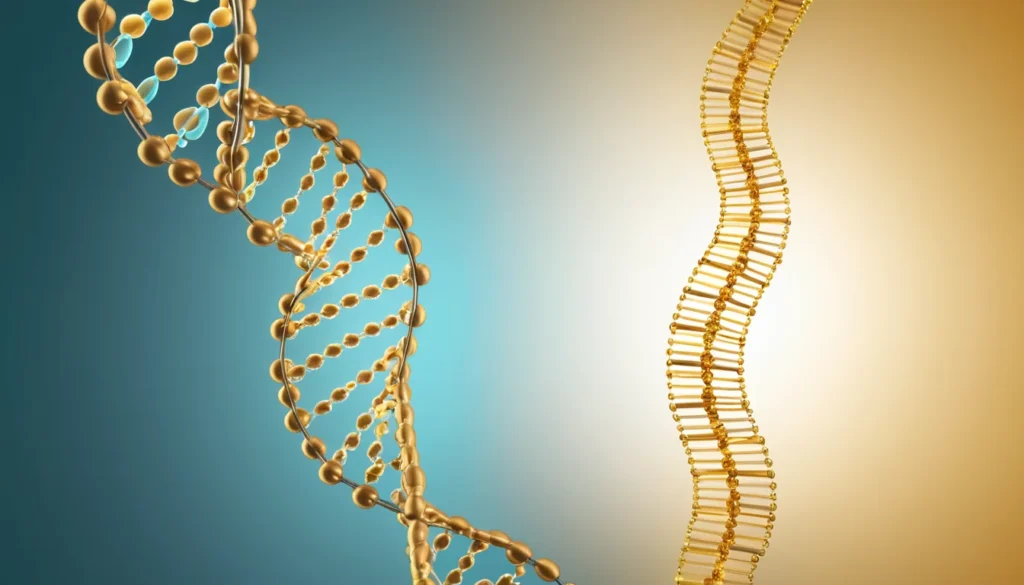
Albinism is caused by a mutation — or change — in one of several genes that control melanin production. Melanin is made by cells called melanocytes, found in the skin and eyes. A genetic mutation can reduce or completely stop melanin production.
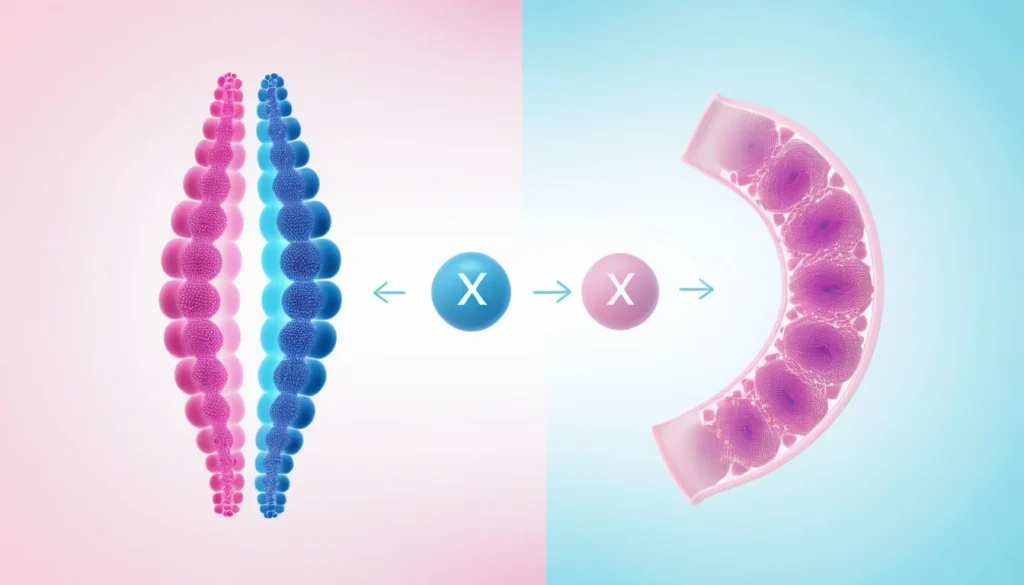
In most types of albinism, a person must inherit two copies of the mutated gene — one from each parent — to develop the condition. If a person inherits only one copy, they are called a carrier. Carriers do not usually develop albinism themselves, but they can pass the gene on to their children.
This pattern is called autosomal recessive inheritance. It means both parents can have normal skin and hair colour yet still have a child with albinism. Healthline explains the genetics of albinism in more detail.
Types of Albinism
Doctors classify albinism based on which gene is affected. Each type has its own set of features, though all types involve some degree of vision problems.
Oculocutaneous Albinism (OCA)
This is the most common category. It affects the skin, hair, and eyes. There are several subtypes:
OCA Type 1 — caused by a mutation on chromosome 11. Most people with this type are born with milky-white skin, white hair, and blue eyes. Some never develop any pigment. Others may gain some melanin during childhood, and their hair may lighten to golden blonde or light brown.
OCA Type 2 — caused by a mutation on chromosome 15. This type is more common among people of sub-Saharan African descent. Hair colour may be blonde or light brown, and some pigmentation may develop over time.
OCA Type 3 — more common in people of African descent. It often results in reddish-brown skin, ginger or reddish hair, and hazel or brown eyes.
OCA Type 4 — similar in appearance to OCA Type 2. It is more frequently seen in people of East Asian descent.
Ocular Albinism
Ocular albinism mainly affects the eyes. Skin and hair colour may appear normal or only slightly lighter than other family members. This type is much less common than oculocutaneous albinism and is more often seen in males.
Rare Syndromes Associated With Albinism
Two rare genetic syndromes can include albinism as one of their features:
Hermansky-Pudlak Syndrome — includes albinism along with bleeding problems and, in some cases, lung or bowel disease.
Chediak-Higashi Syndrome — includes albinism along with immune system problems, making it harder for the body to fight infection.
These syndromes are very rare but serious. They require careful, ongoing medical care.
Sun Safety and Skin Cancer Risk
People with albinism have very little melanin to protect their skin from the sun’s ultraviolet (UV) rays. As a result, they have a significantly higher risk of developing skin cancer, including melanoma.
Sun protection is essential for anyone with albinism in Canada — especially during summer, or at higher altitudes and latitudes where UV exposure can be intense. Key steps include:
Applying broad-spectrum SPF 30+ sunscreen daily
Wearing long sleeves, wide-brimmed hats, and UV-protective clothing
Wearing UV-blocking sunglasses to protect both skin and eyes
Avoiding peak sun hours, typically between 11 a.m. and 3 p.m.
Checking skin regularly for new or changing spots
Your provincial health plan may cover some dermatology visits. Talk to your family doctor about a referral if you are concerned about skin changes. Visit Health Canada’s sun safety resources for more guidance.
When to See a Doctor
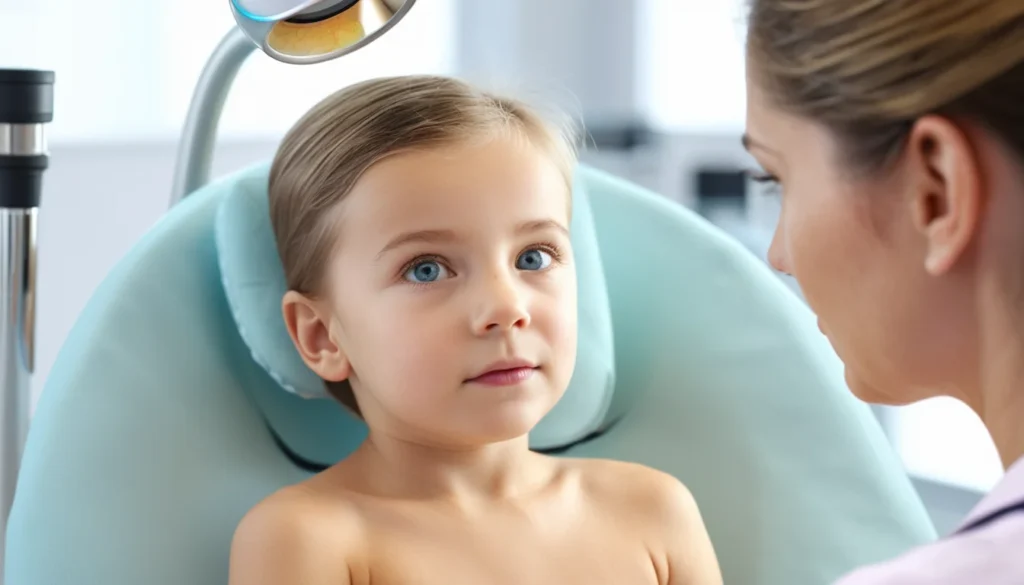
If your baby is born with noticeably light skin or hair, your family doctor will likely refer you to a paediatric ophthalmologist — a specialist in children’s eye health. Regular eye check-ups are an important part of managing albinism from an early age.
In some cases, the first sign of albinism is nystagmus — those rapid, involuntary eye movements. This can appear even when skin colour seems relatively normal. If you notice your baby’s eyes moving back and forth in a repetitive way, speak to your family doctor right away.
You should also see a doctor if your child — or you — experience any of the following:
Frequent nosebleeds
Repeated or unusual infections
Easy or unexplained bruising
These symptoms may point to Hermansky-Pudlak or Chediak-Higashi syndrome and need prompt medical attention. If you do not have a family doctor, a walk-in clinic can assess your symptoms and provide a referral to the right specialist. Most provincial health plans cover these visits.
Living With Albinism in Canada
Albinism does not limit a person’s intelligence, creativity, or potential. Many people with albinism live active, independent lives. However, they may benefit from some practical support — especially related to vision and sun safety.
In Canadian schools, students with albinism may qualify for accommodations such as large-print materials, preferential seating, or assistive technology through their provincial education system. Families are encouraged to work with their child’s school and healthcare team to build a support plan.
Social stigma can be a real challenge. Connecting with organisations like the Albinism Fellowship of Canada can provide community support, resources, and advocacy for people and families living with this condition.
Frequently Asked Questions About Albinism
Is albinism a rare condition in Canada?
Albinism affects people of all ethnicities and backgrounds across Canada. Globally, it is estimated to occur in about 1 in 17,000 to 1 in 20,000 people, though rates vary by population. It is considered uncommon, but it is not extremely rare.
Can people with albinism see normally?
No — all forms of albinism cause some degree of vision problems. Common issues include nystagmus, sensitivity to light, and reduced visual acuity. However, glasses, contact lenses, and low-vision aids can greatly improve daily functioning for people with albinism.
Is albinism hereditary?
Yes, albinism is a genetic condition passed down through families. In most cases, a child must inherit one mutated gene from each parent to develop albinism. Parents who carry the gene may have normal colouring themselves but can still pass the condition to their children.
Does albinism affect life expectancy?
Albinism itself does not shorten life expectancy. However, the increased risk of skin cancer means that sun protection and regular skin checks are very important. Rare forms like Hermansky-Pudlak Syndrome can involve other serious health complications that require ongoing care.
How is albinism diagnosed?
A doctor can often suspect albinism based on a physical examination of the skin, hair, and eyes. An ophthalmologist will assess vision and eye development, which helps confirm the diagnosis. Genetic testing can also identify the specific type of albinism present.
Is there a treatment or cure for albinism?
There is currently no cure for albinism. Treatment focuses on managing symptoms — particularly vision problems — and protecting the skin from sun damage. Regular follow-up with an ophthalmologist, a dermatologist, and your family doctor is the best approach to staying healthy with albinism.
Key Takeaways
Albinism is a genetic condition caused by reduced or absent melanin production.
It affects skin, hair, and eye colour — but always affects vision, regardless of how much pigment is present.
The most common types fall under oculocutaneous albinism (OCA Types 1–4).
People with albinism face a higher risk of skin cancer and must practise strict sun safety.
Albinism does not affect intelligence or limit a person’s potential.
Early diagnosis and regular eye care — through your family doctor, a paediatrician, or a specialist — can significantly improve quality of life.
If you have concerns about your child’s skin, hair, or eye movements, speak with your family doctor or visit a walk-in clinic covered under your provincial health plan.
This article is for general information only and does not replace professional medical advice. Always speak with your family doctor or a qualified healthcare provider if you have concerns about albinism or any other health condition.