Agraphesthesia is a neurological condition where a person cannot identify letters, numbers, or shapes traced on their skin without looking. It is also known as agraphaesthesia or graphanesthesia. This article explains what agraphesthesia is, what causes it, how doctors test for it, and when you should speak with a healthcare provider in Canada.
What Is Agraphesthesia?
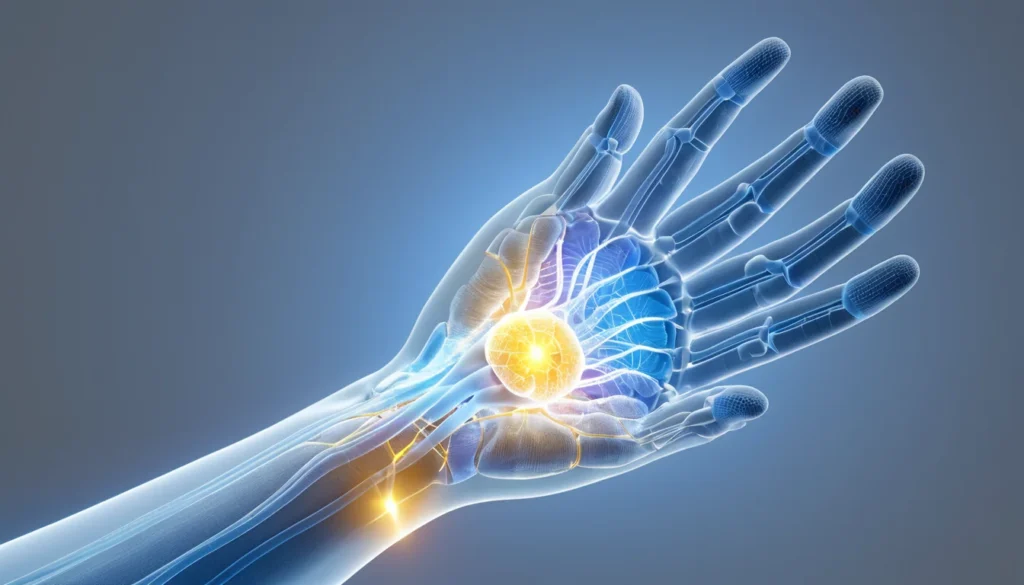
Agraphesthesia is the inability to recognise symbols — such as letters or numbers — drawn on the skin by touch alone. A doctor or examiner traces a shape on the patient’s skin, usually on the hand or forearm, while the patient keeps their eyes closed. A person with normal sensation should be able to identify what was drawn. Someone with agraphesthesia cannot.
The term comes from Greek roots: a (without), grapho (to write), and aisthesis (sensation). In medical literature, it is also called agraphaesthesia — both spellings are correct and used interchangeably. It is closely related to another condition called astereognosis, which is the inability to identify objects by touch alone.
This type of sensory loss is considered a cortical sensory deficit. This means the problem is not simply with the skin’s nerve endings. Instead, the issue lies in how the brain processes and interprets tactile (touch) information. For this reason, agraphesthesia is an important clue for neurologists when diagnosing certain brain or spinal cord conditions.
How Agraphesthesia Differs from Other Sensory Problems
It is important to understand that agraphesthesia is not the same as general numbness. A person with agraphesthesia may still feel pressure, temperature, or pain normally. However, their brain struggles to interpret the finer details of touch — such as the shape of a letter drawn with a fingertip.
This distinction helps doctors locate where a problem might exist in the nervous system. For example, if a patient feels the touch but cannot interpret its pattern, this points toward the parietal lobe of the brain. The parietal lobe is the area responsible for processing sensory information. Damage or disruption in this region often leads to agraphesthesia.
In contrast, conditions like peripheral neuropathy affect the nerves in the hands and feet directly. This can cause numbness or tingling, but it is a different kind of sensory loss. Agraphesthesia, therefore, tells doctors something specific and valuable about how the brain is functioning.
Graphesthesia: The Opposite Ability
Graphesthesia is the normal ability to identify what is written or drawn on the skin. Doctors test this ability as part of a standard neurological examination. When this ability is absent or impaired, the finding is called agraphesthesia. Think of graphesthesia as the skill, and agraphesthesia as the loss of that skill.
This test is simple, non-invasive, and very informative. It costs nothing and requires no special equipment. That makes it a practical and widely used tool in both hospital settings and family doctor offices across Canada.
Common Causes of Agraphesthesia
Agraphesthesia does not happen on its own without a cause. It is always a symptom of an underlying condition affecting the brain or nervous system. Understanding the possible causes helps explain why this symptom is taken seriously by healthcare providers.
Neurological Conditions
The most common cause of agraphesthesia is damage to the parietal lobe of the brain. This damage can result from a stroke, which is one of the leading causes of sudden neurological symptoms in Canada. A stroke cuts off blood flow to part of the brain, and if that part includes the parietal lobe, agraphesthesia may result.
Brain tumours are another possible cause. A tumour growing near the sensory cortex can press on brain tissue and disrupt normal function. In addition, traumatic brain injury (TBI) — such as from a car accident or a fall — can damage the parietal regions and lead to this symptom.
Furthermore, conditions like multiple sclerosis (MS) can cause agraphesthesia. MS damages the myelin sheath — the protective coating around nerve fibres — which slows or blocks nerve signals. Canada has one of the highest rates of MS in the world, making this an especially relevant cause for Canadians to be aware of. You can learn more from the World Health Organization’s overview of multiple sclerosis.
Other Possible Causes
In some cases, agraphesthesia may be linked to peripheral nerve damage, though this is less common. Conditions such as severe diabetic neuropathy can occasionally impair higher-level tactile processing. However, this is less typical than cortical causes.
Certain medications that affect the central nervous system may also interfere with sensory processing temporarily. In addition, spinal cord injuries or lesions — depending on their location — can interrupt the sensory pathways that carry information to the brain’s parietal lobe.
It is also worth noting that in older adults, some degree of sensory change is normal with ageing. However, true agraphesthesia is not considered a normal part of ageing and should always be investigated by a doctor.
How Doctors Test for Agraphesthesia
Testing for agraphesthesia is a straightforward part of a neurological physical examination. Your doctor — whether a family physician, neurologist, or specialist at a walk-in clinic — can perform this test during a regular visit.
The Graphesthesia Test
During the test, you will be asked to close your eyes or look away. The examiner then uses their fingertip or a blunt instrument to trace a number, letter, or simple shape on your palm, the back of your hand, or your forearm. You are then asked to identify what was drawn.
The test is usually done on both sides of the body. This is important because agraphesthesia may only affect one side, which gives the doctor valuable clues about where in the brain or nervous system the problem might be. A finding on the right hand, for instance, may point to an issue on the left side of the brain.
According to the Mayo Clinic’s guide on stroke symptoms, sensory disturbances — including difficulty interpreting touch — are important warning signs that should be evaluated promptly.
Additional Diagnostic Tests
If agraphesthesia is detected, your doctor will likely order further tests to find the underlying cause. These may include a brain MRI or CT scan to check for structural problems such as a tumour, stroke, or lesion. Blood tests may also be ordered to rule out metabolic or inflammatory causes.
In some cases, a referral to a neurologist is the appropriate next step. In Canada, your family doctor can provide this referral through your provincial health plan, which typically covers specialist consultations when medically necessary. Wait times vary by province, but your doctor can help you navigate the system efficiently.
Symptoms and Signs to Watch For
Agraphesthesia itself is a sign rather than a condition with its own set of symptoms. However, it rarely appears alone. It is usually accompanied by other neurological signs that together paint a clearer picture for your healthcare provider.
You or someone you care for might notice difficulty with tasks that require fine touch discrimination. For example, identifying coins in a pocket by touch, or feeling the texture of fabric, may become harder. These are related sensory skills, and difficulty with them alongside agraphesthesia strengthens the case for a neurological investigation.
Other symptoms that may appear alongside agraphesthesia include:
Weakness or numbness on one side of the body
Difficulty with balance or coordination
Changes in vision or speech
Memory or cognitive changes
Unexplained clumsiness or dropping objects
Tingling or unusual sensations in the hands or feet
If these symptoms appear suddenly — especially weakness, speech problems, or vision changes — this may indicate a stroke. In that case, call 911 immediately. Time is critical with stroke treatment in Canada. The faster you receive care, the better the outcome.
When to See a Doctor
If you suspect you or a loved one may have agraphesthesia, it is important to speak with a healthcare provider. Do not wait to see if the symptom resolves on its own, especially if it appeared suddenly or alongside other neurological signs.
In Canada, your family doctor is always the best first point of contact. They can perform a basic neurological screening, order appropriate tests, and refer you to a specialist if needed. If you do not have a family doctor, a walk-in clinic can assess your symptoms and initiate the referral process. Many provinces also offer nurse practitioner-led primary care clinics that can help.
You should seek urgent medical care if agraphesthesia appears suddenly alongside any of the following:
Sudden weakness or paralysis on one side of the body
Difficulty speaking or understanding speech
Sudden severe headache with no known cause
Loss of vision in one or both eyes
Confusion or loss of consciousness
These are potential signs of a stroke or other serious neurological emergency. In Canada, call 911 right away or go to your nearest emergency department. Provincial health plans — such as OHIP in Ontario or MSP in British Columbia — cover emergency care without any out-of-pocket cost to you.
For non-urgent concerns, the Health Canada guide on accessing health care services can help you understand your options for finding a family doctor or specialist in your province.
Always consult a qualified healthcare provider for any medical concerns. The information in this article is for educational purposes only and is not a substitute for professional medical advice, diagnosis, or treatment.
Frequently Asked Questions About Agraphesthesia
What is agraphesthesia in simple terms?
Agraphesthesia is the inability to identify letters, numbers, or shapes drawn on your skin when your eyes are closed. It is a neurological sign that suggests the brain is having difficulty processing touch information. Doctors use the agraphesthesia test as part of a standard neurological examination to help identify underlying conditions.
What causes agraphesthesia?
Agraphesthesia is most commonly caused by damage or disruption to the parietal lobe of the brain, which processes sensory information. Common causes include stroke, brain tumours, multiple sclerosis, and traumatic brain injury. In some cases, spinal cord lesions or severe nerve damage may also contribute to agraphesthesia.
Is agraphesthesia the same as numbness?
No, agraphesthesia is not the same as general numbness. A person with agraphesthesia can often still feel pressure and temperature normally. The difference is that their brain cannot interpret the finer details of touch, such as the pattern of a letter drawn on the skin.
How do doctors test for agraphesthesia?
Doctors test for agraphesthesia by tracing letters, numbers, or shapes on a patient’s skin — usually the palm or hand — while the patient keeps their eyes closed. The patient is then asked to identify what was drawn. This simple, non-invasive test is a standard part of a neurological physical examination and can be done at a family doctor’s office or walk-in clinic.
Can agraphesthesia be treated?
There is no single treatment for agraphesthesia itself, because it is a symptom of an underlying condition rather than a disease on its own. Treatment focuses on addressing the root cause — for example, managing multiple sclerosis or recovering from a stroke. In some cases, sensory rehabilitation therapy can help improve tactile recognition over time.
Should I be worried if I have agraphesthesia?
Agraphesthesia is always worth discussing with a doctor, as it points to a possible issue with the brain or nervous system. It is not a normal finding, and identifying the underlying cause early leads to better outcomes. If agraphesthesia appears suddenly along with weakness, speech changes, or confusion, seek emergency care immediately.
Key Takeaways
Agraphesthesia is the inability to identify letters or shapes traced on the skin when the eyes are closed.
It is also known as agraphaesthesia and is closely related to other tactile sensory deficits.
The most common causes include stroke, multiple sclerosis, brain tumours, and traumatic brain injury.
It is a cortical sensory deficit, meaning the problem lies in how the parietal lobe of the brain processes touch.
The test for agraphesthesia is simple, non-invasive, and can be done during a routine visit to your family doctor or walk-in clinic.
Agraphesthesia is always a symptom of an underlying condition — never ignore it.
If symptoms appear suddenly alongside weakness, confusion, or speech changes, call 911 immediately — this may be a stroke.
Your provincial health plan covers investigation and specialist referral when agraphesthesia is identified by your doctor.
Always speak with a qualified healthcare provider for personalised medical advice.