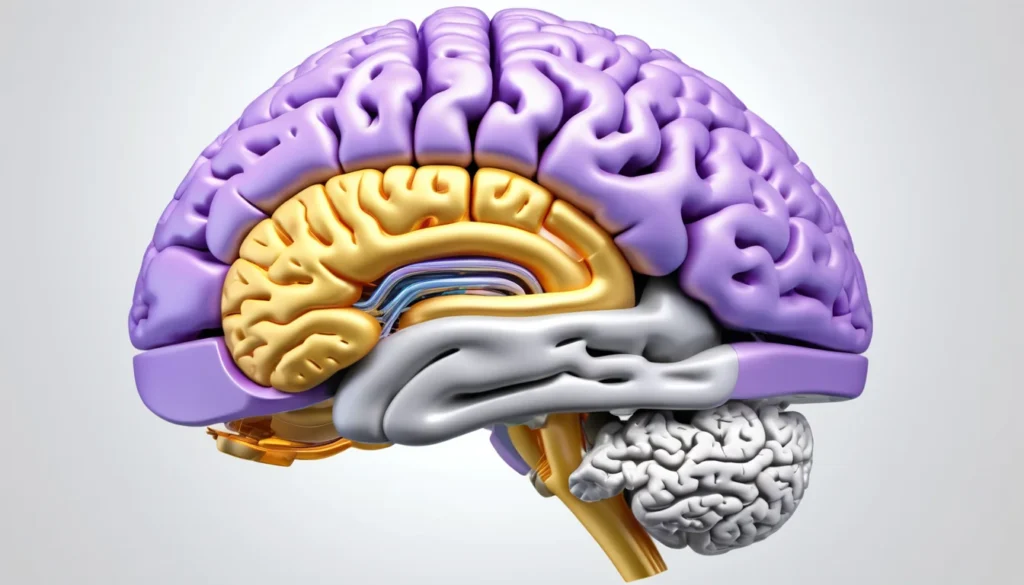
Aggressive behaviour is more than just losing your temper. It is a pattern of actions, words, or attitudes that can harm others — or yourself. For many Canadians, aggressive behaviour is a sign that something deeper is going on with their mental or physical health. This article explains what aggressive behaviour is, what causes it, how it shows up in daily life, and what treatments are available through Canada’s healthcare system.
What Is Aggressive Behaviour?
Aggressive behaviour refers to any action aimed at opposing, threatening, or harming another person — whether that harm is real or imagined. It is not always loud or violent. In fact, aggression takes many different forms.
Doctors and mental health professionals define aggressive behaviour as a trait or pattern that goes beyond normal frustration. When it becomes frequent, intense, or hard to control, it may be a medical symptom worth taking seriously.
In addition, aggressive behaviour is closely linked to three basic human drives: meeting our basic needs, controlling our environment, and asserting our identity. When these drives are blocked or threatened, some people respond with aggression.
The Most Visible Forms of Aggression
The most obvious form of aggressive behaviour is physical — things like hitting, pushing, or rage episodes. These actions tend to get the most attention because they are dramatic and potentially dangerous.
However, aggression does not always look like a physical outburst. It can also appear as raised fists that never land, a cold stare, or a slammed door. These are still forms of aggression that deserve attention.
Subtle Forms of Aggressive Behaviour
Aggressive behaviour also shows up in quieter, less obvious ways. These subtle forms are just as important to recognise. They include:
Facial expressions: scowling, glaring, or mimicking someone mockingly
Verbal aggression: sarcasm, insults, threats, or spreading rumours
Passive aggression: silent treatment, deliberate delays, or indirect sabotage
Emotional aggression: guilt-tripping, manipulation, or intimidation
These behaviours can be just as harmful as physical aggression. They damage relationships, erode trust, and can cause lasting psychological harm to the people on the receiving end.
What Causes Aggressive Behaviour?
Aggressive behaviour rarely comes from nowhere. In most cases, there is an underlying cause — biological, psychological, or social. Understanding the root cause is the first step toward effective treatment.
Furthermore, many people living with aggressive behaviour are not aware of what is driving it. A qualified healthcare provider can help identify the cause and recommend the right support.
Mental Health Conditions
Aggressive behaviour is a recognised symptom of several psychiatric and neurological conditions. According to Mayo Clinic’s overview of intermittent explosive disorder, sudden aggressive outbursts can be a medical condition requiring professional care.
Conditions commonly linked to aggressive behaviour include:
Psychopathy and personality disorders
Neuroses and anxiety disorders
Psychoses, including schizophrenia
Epilepsy, particularly certain seizure types
Post-traumatic stress disorder (PTSD)
Bipolar disorder
In many of these conditions, aggression is not the primary symptom. Instead, it is a secondary effect — the result of inner distress, fear, or confusion that the person cannot otherwise express.
Substance Use and Addiction
Alcohol and drug use are among the most common triggers of aggressive behaviour in Canada. Substances lower inhibitions and impair judgment, making it harder for a person to manage their impulses.
Chronic substance use can also change the brain over time. As a result, a person may become more reactive and aggressive even when they are not actively using. Health Canada’s substance use resources offer guidance for individuals and families affected by addiction.
Latent Aggression and Hidden Emotional Pain
Not all aggression is obvious. Many mental health issues have their roots in what professionals call latent aggression — a hidden, underlying anger that a person may not even be aware of.
This buried aggression often shows up as anxiety or guilt instead. The person may not act out physically, but they carry a constant sense of tension or unease. Over time, this can contribute to depression, relationship problems, and other mental health challenges.
How Aggressive Behaviour Affects Daily Life
Aggressive behaviour has a ripple effect. It does not only affect the person showing it — it affects everyone around them. Families, friendships, workplaces, and communities all feel the impact.
Children who grow up in homes with frequent aggression are more likely to struggle with emotional regulation themselves. Partners and family members of someone with aggressive behaviour often experience anxiety, low self-esteem, and even trauma.
Impact on Relationships
Aggressive behaviour is one of the leading reasons couples and families seek counselling in Canada. It breaks down communication and creates an atmosphere of fear or walking on eggshells.
However, with the right support, many people with aggressive behaviour learn healthier ways to communicate. Recognising the problem is always the first step.
Impact on Mental Health
People who struggle with aggressive behaviour often feel shame, guilt, or confusion after an episode. This emotional cycle — aggression followed by guilt — can make the underlying problem worse if left untreated.
In addition, aggressive behaviour is linked to higher rates of depression and social isolation. Many people withdraw from others because they are afraid of their own reactions.
Treatment Options for Aggressive Behaviour
The good news is that aggressive behaviour is treatable. Treatment works best when it targets the root cause. In Canada, several options are available through your provincial health plan or private insurance.
According to the World Health Organization’s mental health fact sheet, most mental health conditions that involve aggressive behaviour respond well to a combination of therapy and, when needed, medication.
Treating the Underlying Cause
When aggressive behaviour is linked to a known condition — such as alcohol use disorder, epilepsy, or a psychiatric diagnosis — treating that condition is the first priority.
For example, someone whose aggression is driven by alcohol dependency may need a structured withdrawal programme and ongoing addiction counselling. Someone with bipolar disorder may need mood-stabilising medication. The treatment plan depends on the individual.
Medication Options
In many cases, medication plays an important role in managing aggressive behaviour. A psychiatrist or family doctor may recommend:
Tranquilisers to reduce acute agitation and anxiety
Antipsychotics (neuroleptics) for conditions like psychosis or severe personality disorders
Mood stabilisers for bipolar-related aggression
Antidepressants when aggression is linked to depression or anxiety
Medication is not a cure on its own. It works best as part of a broader care plan that includes therapy and lifestyle support. Always discuss medication options with a qualified doctor before starting or stopping any treatment.
Psychotherapy and Counselling
Psychotherapy is one of the most effective long-term tools for managing aggressive behaviour. A trained therapist helps the person understand the roots of their aggression and develop healthier coping strategies.
Common approaches include Cognitive Behavioural Therapy (CBT), anger management programmes, and family therapy. Many of these services are covered, at least partially, through provincial mental health programmes or employee assistance plans (EAPs).
Lifestyle and Environmental Changes
Beyond medication and therapy, changes to daily life can also make a big difference. These include:
Reducing stress through regular physical activity
Getting enough sleep each night
Limiting alcohol and recreational drug use
Building a supportive social network
Practising mindfulness or relaxation techniques
Mental health professionals often describe this as mental hygiene — the everyday habits that keep your mind healthy, just as brushing your teeth keeps your mouth healthy. Building these habits supports tolerance, self-awareness, and emotional resilience.
When to See a Doctor
You should speak to a healthcare provider if aggressive behaviour — yours or someone else’s — is becoming frequent, intense, or difficult to manage. In Canada, your family doctor is a great first point of contact. They can assess the situation, rule out medical causes, and refer you to the right specialist.
If you do not have a family doctor, a walk-in clinic can provide an initial assessment and referral. Most provinces also have mental health crisis lines available 24 hours a day, seven days a week.
Seek emergency help right away if aggressive behaviour puts anyone at immediate risk of harm. Call 911 or go to your nearest emergency department. Do not wait.
Furthermore, if you are a parent concerned about aggressive behaviour in a child or teenager, your family doctor or a paediatrician can connect you with child and youth mental health services in your province.
Frequently Asked Questions About Aggressive Behaviour
What are the main causes of aggressive behaviour in adults?
Aggressive behaviour in adults is often caused by underlying mental health conditions, substance use, chronic stress, or neurological issues such as epilepsy. It can also stem from unresolved trauma or deeply buried emotional pain. A doctor or mental health professional can help identify the specific cause and recommend the right treatment.
Is aggressive behaviour a mental illness?
Aggressive behaviour is not a mental illness on its own, but it is a recognised symptom of several psychiatric conditions, including personality disorders, psychosis, and PTSD. In some cases, aggressive behaviour may be the first visible sign that someone needs mental health support. A proper diagnosis from a qualified professional is essential.
Can aggressive behaviour be treated without medication?
Yes, in many cases aggressive behaviour can be effectively managed through psychotherapy, anger management programmes, and lifestyle changes such as reducing alcohol use and improving sleep. However, for some conditions, medication is an important part of the treatment plan. Your doctor will help determine what approach is right for your situation.
How do I help a family member with aggressive behaviour?
Supporting a loved one with aggressive behaviour starts with encouraging them — calmly and without blame — to speak with a family doctor or mental health professional. Set clear boundaries to protect your own safety and wellbeing. Many Canadian provinces offer family counselling services that can help you navigate this difficult situation.
When does aggressive behaviour become dangerous?
Aggressive behaviour becomes dangerous when it involves threats of violence, physical harm, or actions that put others at risk. If you or someone around you is in immediate danger, call 911 right away. Do not try to manage a violent situation on your own.
Is aggressive behaviour covered under provincial health plans in Canada?
Many treatments for aggressive behaviour — including visits to a family doctor, psychiatrist referrals, and some therapy programmes — are covered under provincial health plans. However, private psychotherapy sessions may not be fully covered. Check with your province’s health authority or your employer’s benefits plan for details on what is available to you.
Key Takeaways
Aggressive behaviour includes physical acts, verbal attacks, and subtle behaviours like sarcasm and intimidation.
It is often a symptom of an underlying condition — not simply a character flaw.
Common causes include mental health disorders, substance use, trauma, and neurological conditions.
Effective treatment combines addressing the root cause, medication when appropriate, and psychotherapy.
Lifestyle changes — such as reducing stress, limiting alcohol, and getting enough sleep — support long-term improvement.
Canadians can access help through their family doctor, walk-in clinics, or provincial mental health services.
Always consult a qualified healthcare provider before starting any treatment for aggressive behaviour.
This article is for informational purposes only and does not replace professional medical advice. If you are concerned about aggressive behaviour — in yourself or someone you know — please speak with your family doctor or a qualified mental health professional.