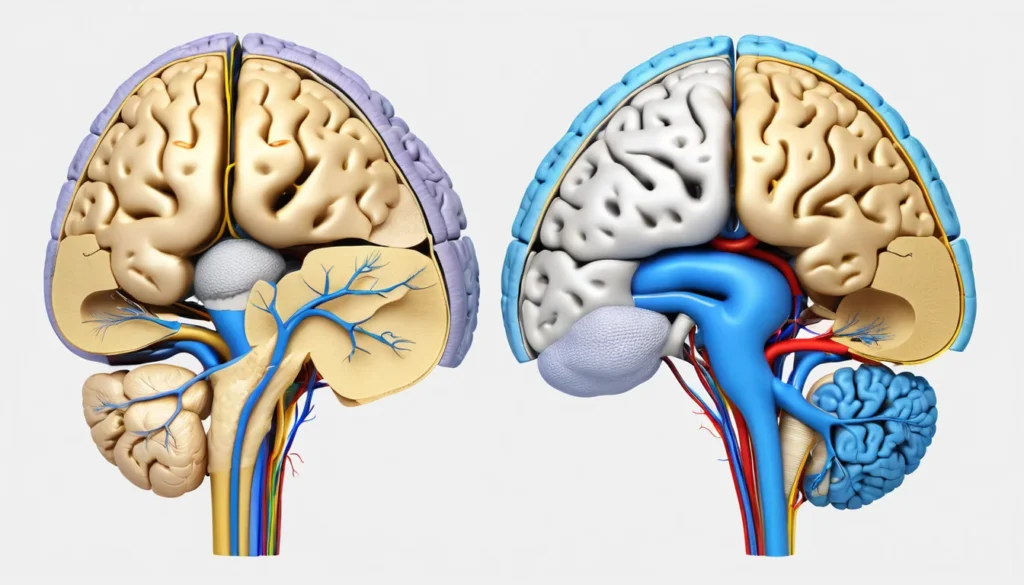
Agenesis of the corpus callosum is a rare congenital brain condition — meaning it is present at birth. It occurs when the corpus callosum, a band of nerve fibres that connects the two halves of the brain, either fails to form fully or does not form at all. This condition can appear on its own or alongside other brain and body differences. Understanding it can help Canadian families seek the right support early.
What Is Agenesis of the Corpus Callosum?
The corpus callosum is a C-shaped structure made up of millions of nerve fibres. These fibres act like a bridge, carrying messages between the left and right sides of the brain. Without this bridge, communication between the two brain hemispheres becomes limited or absent.
In agenesis of the corpus callosum, this structure either never forms, forms only partly, or forms in an unusual way. The condition affects roughly 0.7% of the population, though exact numbers are hard to pin down. It appears to be slightly more common in boys than in girls.
There are three main types:
Complete agenesis: The corpus callosum is entirely absent.
Partial agenesis (hypoplasia): Only part of the corpus callosum forms. Usually, the front portion develops but the back does not.
Atypical agenesis: The structure forms in an unusual or irregular way.
What Causes Agenesis of the Corpus Callosum?
The exact cause is not always known. However, researchers believe several factors can interfere with normal brain development during pregnancy. The corpus callosum typically forms between weeks 12 and 22 of fetal development. Any disruption during this window can prevent it from forming correctly.
Genetic Factors
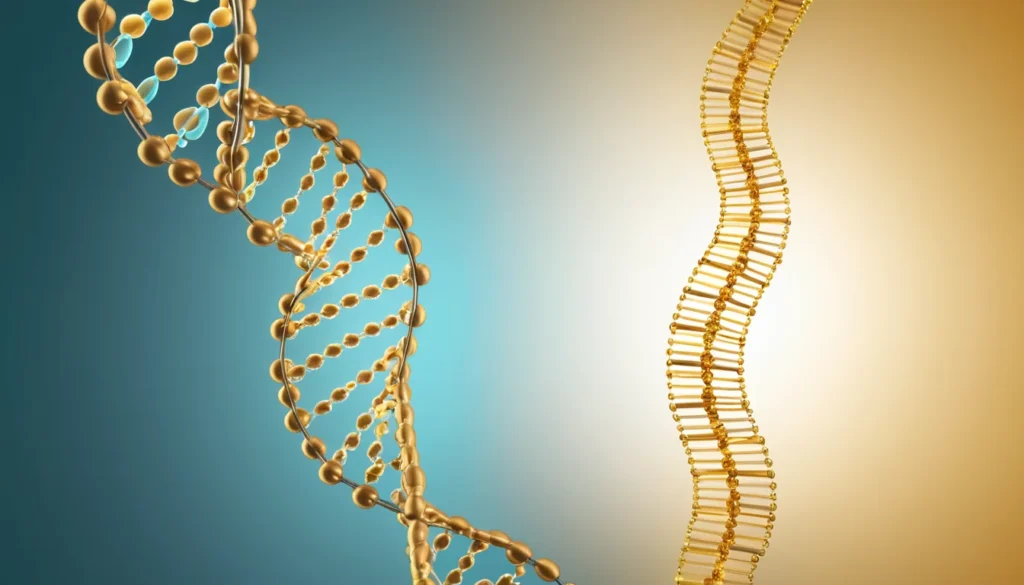
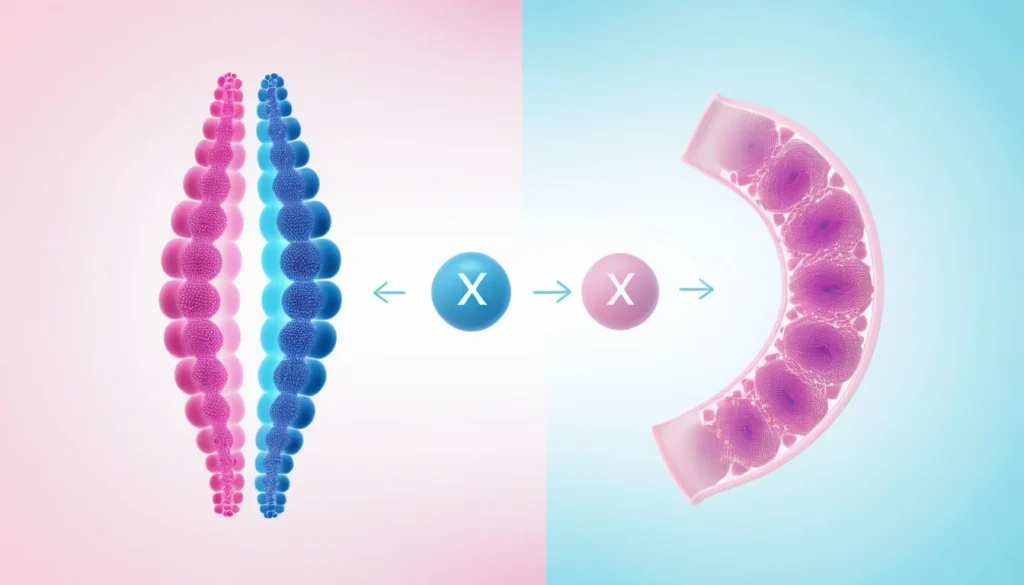
In some cases, agenesis of the corpus callosum is inherited. It can be passed down as an autosomal recessive trait or through X-linked dominant inheritance. This means a parent may carry a gene that increases the risk in their child, even if the parent shows no symptoms themselves.
The condition is also more common in children with certain chromosomal differences. These include trisomy 8, trisomy 13, and trisomy 18. In these situations, extra chromosomal material disrupts normal brain development.
Environmental and Developmental Factors
Certain events during pregnancy can also raise the risk. For example, infections or physical trauma to the fetus during key stages of development may prevent the nerve fibres from forming properly. When these fibres fail to cross over to the other side of the brain, they instead form abnormal clusters known as Probst nodules, located near the brain’s lateral ventricles.
Exposure to harmful substances is another known risk. Health Canada warns about the dangers of alcohol use during pregnancy, including its link to fetal alcohol spectrum disorder and related brain conditions. Alcohol exposure in the womb is one factor associated with agenesis of the corpus callosum.
Other possible causes include:
Errors in gene transcription during fetal development
Prolonged exposure to heavy metals during pregnancy
Brain cysts or other structural abnormalities that block development
Severe metabolic disorders in the mother or fetus
Signs and Symptoms to Watch For
Symptoms of agenesis of the corpus callosum vary widely from person to person. Some individuals have very mild effects, while others face significant developmental challenges. This makes the condition tricky to identify without medical testing.
In many cases, symptoms do not become obvious until childhood. However, in more severe cases, signs may appear in the newborn period.
Common Symptoms in Children
Parents and caregivers may notice the following signs:
Low muscle tone (hypotonia): The child may feel unusually floppy or weak.
Poor coordination: Difficulty with balance and controlled movement.
Delayed motor milestones: Late sitting, standing, or walking compared to typical development.
Speech and swallowing difficulties: Problems forming words or swallowing safely.
Social and behavioural challenges: Difficulty adapting to new situations or connecting with peers.
Seizures: These can range from mild to severe. In some children, a first seizure is what prompts further neurological investigation.
Spasticity: Stiff or tight muscles that affect movement.
Intellectual disability: Varying degrees of cognitive delay may be present.
It is important to remember that symptoms depend heavily on whether other brain or body conditions are present alongside the corpus callosum difference.
Associated Conditions
Agenesis of the corpus callosum rarely appears alone. In fact, about 85% of cases involve other differences in the central nervous system. Furthermore, roughly 62% of those affected have differences in the gastrointestinal or urinary systems as well.
Other conditions that may occur alongside agenesis of the corpus callosum include:
Hydrocephalus (fluid build-up in the brain), seen in about 30% of cases
Dandy-Walker malformation (a problem with the cerebellum and fluid spaces of the brain)
Arnold-Chiari malformation (brain tissue extending into the spinal canal)
Encephalocele (a neural tube defect where brain tissue protrudes through the skull)
Hypertelorism (wider-than-normal spacing between the eyes)
Interhemispheric cysts (fluid-filled sacs between the brain’s two halves)
The Mayo Clinic provides helpful resources on brain development conditions that can accompany structural brain differences like this one.
How Is It Diagnosed?
Diagnosis of agenesis of the corpus callosum can happen before or after birth. During pregnancy, a routine ultrasound may reveal signs of the condition, usually in the second trimester. If an abnormality is suspected, further imaging is recommended.
After birth, a CT scan or MRI of the brain provides a clearer picture. MRI is generally preferred because it gives detailed images of soft brain tissue without radiation. In Canada, your family doctor or paediatrician can refer your child to a paediatric neurologist or a children’s hospital for these tests.
Because symptoms can be subtle or delayed, some children are not diagnosed until they are school-aged. A child who struggles with learning, coordination, or social behaviour may eventually receive this diagnosis after neurological imaging is done.
Treatment and Support in Canada
There is currently no cure for agenesis of the corpus callosum. The corpus callosum cannot grow or repair itself after birth. However, this does not mean there is nothing to be done. Many individuals with this condition lead fulfilling lives with the right support in place.
Treatment focuses on managing symptoms and supporting development. A team of specialists typically works together to create an individual care plan. In Canada, this kind of coordinated care is often available through children’s hospitals and developmental paediatric programmes.
Therapies and Programmes
Depending on the individual’s needs, support may include:
Physiotherapy: To improve muscle strength, coordination, and motor skills.
Occupational therapy: To help with daily activities and independence.
Speech-language therapy: To address communication and swallowing difficulties.
Special education programmes: Available through provincial school boards to support children with learning needs.
Behavioural therapy: To support social skills and adaptive behaviour.
Seizure management: Anti-seizure medications, monitored by a neurologist.
Provincial health plans across Canada generally cover many of these services, especially when accessed through a referral from your family doctor. Families can also connect with community organisations and support groups for additional resources.
Healthline offers an overview of living with agenesis of the corpus callosum, including practical information about daily life and long-term outcomes.
Outlook and Prognosis
The long-term outlook for someone with agenesis of the corpus callosum depends on the type of agenesis and whether other conditions are present. In isolated cases — where the corpus callosum difference is the only finding — many children develop well and live independently as adults.
In more complex cases, the presence of additional brain differences, seizures, or intellectual disability can affect the overall prognosis. Early intervention is key. The sooner a child receives appropriate therapy and support, the better their chances of reaching their full potential.
As a result, regular follow-up with a paediatric neurologist and a developmental team is strongly recommended. Annual or biannual reviews help track development and adjust the care plan as the child grows.
When to See a Doctor
If you notice that your child is not meeting developmental milestones, it is important to speak with your family doctor. Signs like low muscle tone, delayed walking or speech, unusual movements, or first-time seizures all warrant prompt medical attention.
Your family doctor can refer you to a paediatric specialist, or you can visit a walk-in clinic for an initial assessment if your regular doctor is unavailable. In Canada, early referral to a children’s hospital or developmental paediatrics team can make a significant difference in outcomes.
If your child has already been diagnosed with agenesis of the corpus callosum and you have new concerns, do not hesitate to contact your care team. Always consult a qualified healthcare provider before making any decisions about your child’s health or treatment plan.
Frequently Asked Questions
Can a child with agenesis of the corpus callosum live a normal life?
Many children with agenesis of the corpus callosum go on to live full and independent lives, especially in mild or isolated cases. Outcomes vary widely depending on the severity of the condition and whether other brain differences are present. Early therapy and strong support systems make a meaningful difference.
Is agenesis of the corpus callosum hereditary?
Agenesis of the corpus callosum can be inherited in some cases, either through autosomal recessive or X-linked dominant patterns. However, it can also occur without any family history, due to environmental or developmental factors during pregnancy. A genetic counsellor can help families understand their specific situation.
How is agenesis of the corpus callosum diagnosed in Canada?
In Canada, agenesis of the corpus callosum is typically diagnosed through brain imaging, most often an MRI or CT scan. Prenatal diagnosis may occur during a routine ultrasound in the second trimester. Your family doctor can refer you to a paediatric neurologist for a full assessment.
What is the difference between complete and partial agenesis of the corpus callosum?
Complete agenesis means the corpus callosum is entirely absent, while partial agenesis — also called hypoplasia — means only part of it formed, usually the front section. Partial agenesis can sometimes result in milder symptoms than complete agenesis, but this varies from person to person.
Can agenesis of the corpus callosum be detected before birth?
Yes, agenesis of the corpus callosum can sometimes be detected during a prenatal ultrasound, typically between weeks 18 and 22 of pregnancy. However, a follow-up MRI is often needed to confirm the diagnosis and check for other associated conditions. Speak with your obstetrician or midwife if you have concerns.
Is there a cure for agenesis of the corpus callosum?
There is currently no cure for agenesis of the corpus callosum, as the structure cannot regenerate once it has failed to form. However, many therapeutic programmes — including physiotherapy, speech therapy, and special education — can greatly improve a child’s quality of life and development. Always work with a healthcare team to build the best support plan for your child.
Key Takeaways
Agenesis of the corpus callosum is a rare congenital condition where the brain’s main connector between its two halves is partially or completely absent.
It can be caused by genetic factors, chromosomal differences, or harmful exposures during pregnancy, such as alcohol.
Symptoms vary widely and may include low muscle tone, delayed milestones, seizures, and social or behavioural challenges.
Diagnosis is confirmed through brain imaging (MRI or CT scan), and prenatal detection is possible through ultrasound.
There is no cure, but early intervention through physiotherapy, speech therapy, and education programmes can significantly improve outcomes.
Canadian families should speak with their family doctor or visit a walk-in clinic if they notice developmental concerns in their child.
Always consult a qualified healthcare provider for advice specific to your child’s needs.