Adrenal cancer is a rare but serious condition that affects the small glands sitting just above each kidney. When caught early, it can often be treated successfully. This article explains what adrenal cancer is, who is at risk, what symptoms to watch for, and what treatment options are available through the Canadian healthcare system.
What Is Adrenal Cancer?
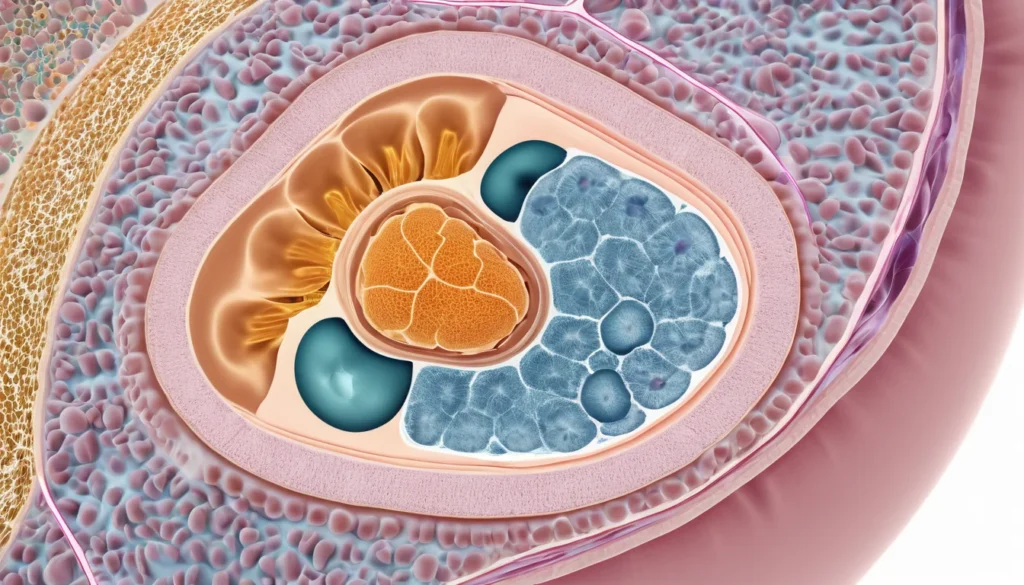
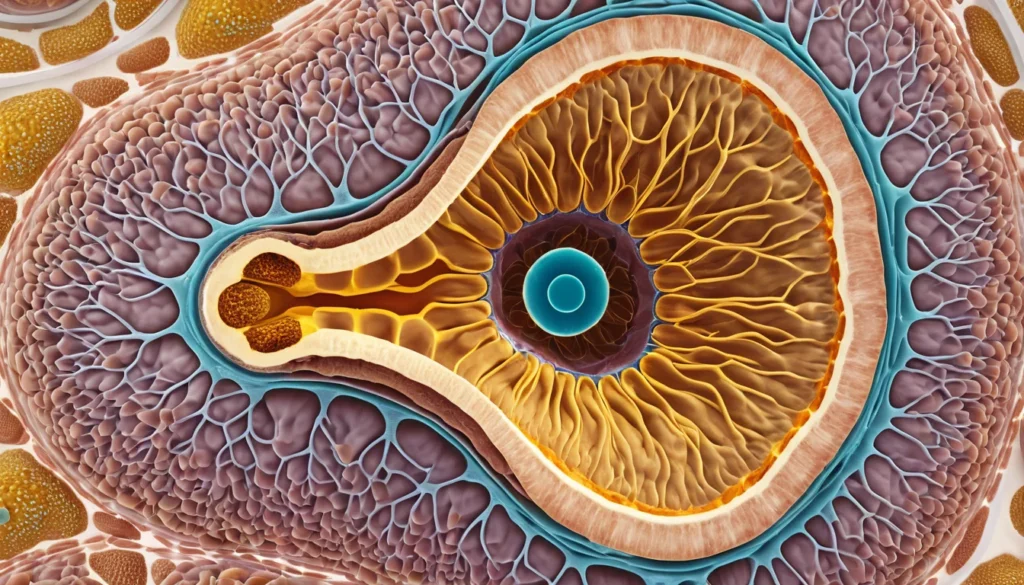
Your body has two adrenal glands, one on top of each kidney. These glands produce important hormones that help control blood pressure, metabolism, and your body’s response to stress. Adrenal cancer starts in the outer layer of these glands, called the adrenal cortex.
The medical term for a cancerous adrenal tumour is adrenocortical carcinoma. A non-cancerous growth is called a benign adenoma. It is important to know the difference, because treatment and outlook vary greatly between the two.
However, not every cancer found in the adrenal glands starts there. Cancers from the breast, stomach, kidney, or skin can spread — or metastasize — to the adrenal glands. These are not considered true adrenal cancer. For more background on how cancer spreads, visit the Canadian Cancer Society’s adrenal gland cancer page.
How Common Is Adrenal Cancer?
Adrenal cancer is extremely rare. Studies suggest it affects roughly one person per million each year. In Canada, that means only a handful of new cases are diagnosed across the country annually.
Furthermore, research shows that adrenal cancer is diagnosed more often in women than in men. It can affect people at any age, but it tends to appear in two groups: children under five and adults in their 40s and 50s.
What Causes Adrenal Cancer?
Researchers have not yet identified a single clear cause of adrenal cancer. Therefore, understanding risk factors becomes especially important. Genetic mutations appear to be the main driver. These mutations can be inherited, or they can develop on their own without any family history.
Genetic Conditions That Raise Your Risk
Certain inherited conditions are closely linked to a higher risk of developing adrenal cancer. These include:
Beckwith-Wiedemann Syndrome: A growth disorder that causes enlarged organs. People with this condition have a higher risk of adrenal, kidney, and liver cancer.
Li-Fraumeni Syndrome: An inherited condition that significantly raises the risk of many cancers, including adrenal cancer.
Familial Adenomatous Polyposis (FAP): A hereditary condition marked by many polyps in the large intestine. It raises the risk of colorectal and adrenal cancer.
Multiple Endocrine Neoplasia Type 1 (MEN1): A hereditary disorder that causes multiple tumours — both benign and malignant — in hormone-producing glands. Adrenal tumours are common in people with MEN1.
If you have a family history of any of these conditions, speak with your family doctor about genetic screening. Many provincial health plans in Canada cover referrals to genetic counselling when there is a clear medical reason.
Signs and Symptoms of Adrenal Cancer
Many symptoms of adrenal cancer are caused by the tumour producing too many hormones. Adrenal tumours can release excess amounts of cortisol, aldosterone, estrogen, or androgen into the bloodstream. As a result, the body experiences a range of unusual changes.
Large tumours can also press on nearby organs, causing pain or discomfort in the abdomen or back.
Symptoms Caused by Excess Androgens or Estrogens
These hormone-related symptoms are often easier to spot in children, because the physical changes stand out more clearly during development. Signs to watch for include:
Unusual growth of pubic, underarm, or facial hair
Sudden or rapid growth of the genitals
Breast enlargement in boys (gynaecomastia)
Early puberty in children
In adult women, excess androgens may cause increased facial hair or a deepening of the voice. In adult men, excess estrogen can lead to breast tissue growth.
Symptoms Caused by Excess Cortisol or Aldosterone
These are hormones that regulate blood pressure, blood sugar, and fluid balance. When a tumour produces too much of them, you may notice:
High blood pressure (hypertension)
High blood sugar (hyperglycaemia)
Unexplained weight gain
Irregular menstrual periods
Easy bruising
Depression or mood changes
Frequent urination
Muscle cramps or weakness
Many of these symptoms are common and can have other causes. However, if you notice several of them together, it is worth discussing them with a healthcare provider. You can learn more about adrenal gland disorders at the Mayo Clinic’s adrenal cancer resource.
How Is Adrenal Cancer Diagnosed?
Diagnosing adrenal cancer can be a lengthy process, partly because it is so rare. Your doctor will start by asking about your symptoms, personal health history, and family medical history. Be sure to mention every symptom, even ones that seem minor or unrelated.
After this initial assessment, your doctor may order a combination of tests. The diagnostic process can involve:
Blood tests: To check hormone levels and look for abnormalities
Urine analysis: To detect excess hormones being filtered by the kidneys
Ultrasound: To get an initial image of the adrenal glands and kidneys
CT scan (computed tomography): To produce detailed cross-section images of the abdomen
MRI (magnetic resonance imaging): To get a clearer picture of soft tissue and tumour boundaries
Fine needle biopsy: A small sample of tissue is taken from the adrenal gland using a thin needle, guided by ultrasound, and examined under a microscope
Adrenal angiography: Imaging of the blood vessels supplying the adrenal glands
In Canada, your family doctor or specialist will coordinate these tests through your provincial health plan. Wait times vary by province, so ask your doctor about the expected timeline and next steps.
Treatment Options for Adrenal Cancer
The good news is that adrenal cancer can often be treated successfully when it is found early. There are three main treatment approaches used in Canada today.
1. Surgery
Surgery is usually the first-choice treatment. The procedure is called an adrenalectomy, which means the entire adrenal gland — and the tumour with it — is removed. If the cancer has spread to nearby lymph nodes, the surgeon will remove those as well.
The adrenal glands are not essential for survival. However, once one or both glands are removed, you will likely need hormone replacement therapy for the rest of your life. Your specialist will manage this as part of your ongoing care.
2. Radiation Therapy
Radiation therapy uses powerful X-ray beams to destroy cancer cells. It can be used on its own or combined with surgery. In addition, radiation may be used after surgery to target any remaining cancer cells and reduce the risk of the cancer coming back.
3. Chemotherapy
Depending on the stage of the cancer, chemotherapy may be recommended. Chemotherapy drugs are usually given intravenously — that is, through a drip directly into a vein. They work by targeting and killing fast-growing cancer cells throughout the body.
Your oncology team will discuss which combination of treatments is right for your specific situation. For a broader overview of cancer treatment in Canada, the Health Canada website provides resources on cancer care and support services.
When to See a Doctor
If you notice any of the symptoms described in this article — especially a combination of high blood pressure, unexplained weight gain, easy bruising, and hormonal changes — do not wait. Book an appointment with your family doctor as soon as possible.
If you do not have a family doctor, a walk-in clinic can be a good first step. The clinic doctor can order initial blood work and refer you to a specialist if needed. Most provincial health plans cover these visits at no direct cost to you.
Early diagnosis makes a real difference with adrenal cancer. The sooner a tumour is found, the more treatment options are available. Always consult a qualified healthcare professional for any health concerns — this article is for informational purposes only and is not a substitute for medical advice.
Frequently Asked Questions About Adrenal Cancer
What are the early warning signs of adrenal cancer?
Early signs of adrenal cancer can include unexplained weight gain, high blood pressure, easy bruising, and hormonal changes such as irregular periods or unusual hair growth. Because many of these symptoms are common, adrenal cancer is often caught late. See your family doctor if you notice several of these symptoms together.
Is adrenal cancer curable?
Yes, adrenal cancer can be curable, especially when it is diagnosed at an early stage. Surgery to remove the tumour gives the best chance of a full recovery. However, outcomes depend on the size of the tumour, whether it has spread, and the overall health of the patient.
How rare is adrenal cancer in Canada?
Adrenal cancer affects roughly one person per million each year, making it one of the rarest cancers. In Canada, this translates to only a small number of new diagnoses annually across all provinces and territories. Because it is so rare, it is often diagnosed at a specialist centre with experience in complex cancers.
Can adrenal cancer run in families?
Yes, certain inherited genetic conditions — such as Li-Fraumeni Syndrome and Beckwith-Wiedemann Syndrome — are linked to a higher risk of adrenal cancer. However, genetic mutations can also occur spontaneously with no family history. If adrenal or other rare cancers run in your family, ask your doctor about a referral to genetic counselling.
What is the difference between an adrenal tumour and adrenal cancer?
Not all adrenal tumours are cancerous. A benign adenoma is a non-cancerous growth that is usually small and does not spread. Adrenal cancer, or adrenocortical carcinoma, is a malignant tumour that can grow large and spread to other parts of the body. Your doctor will use imaging and biopsy results to tell the difference.
Does provincial health insurance cover adrenal cancer treatment in Canada?
Yes, core treatments for adrenal cancer — including surgery, radiation, and chemotherapy — are covered under provincial and territorial health plans across Canada. However, coverage details vary by province. Ask your oncologist or a hospital social worker about what is included in your specific plan and what additional support may be available.
Key Takeaways
Adrenal cancer starts in the outer layer of the adrenal glands, which sit above the kidneys.
It is extremely rare, affecting about one in a million people per year.
There is no single known cause, but inherited genetic conditions are the main risk factor.
Common symptoms include high blood pressure, hormonal changes, easy bruising, and unexplained weight gain.
Diagnosis involves blood tests, urine tests, imaging, and sometimes a biopsy.
Treatment options include surgery, radiation therapy, and chemotherapy — all covered by provincial health plans in Canada.
Early diagnosis greatly improves the chances of successful treatment.
If you have concerning symptoms, speak with your family doctor or visit a walk-in clinic as a first step.