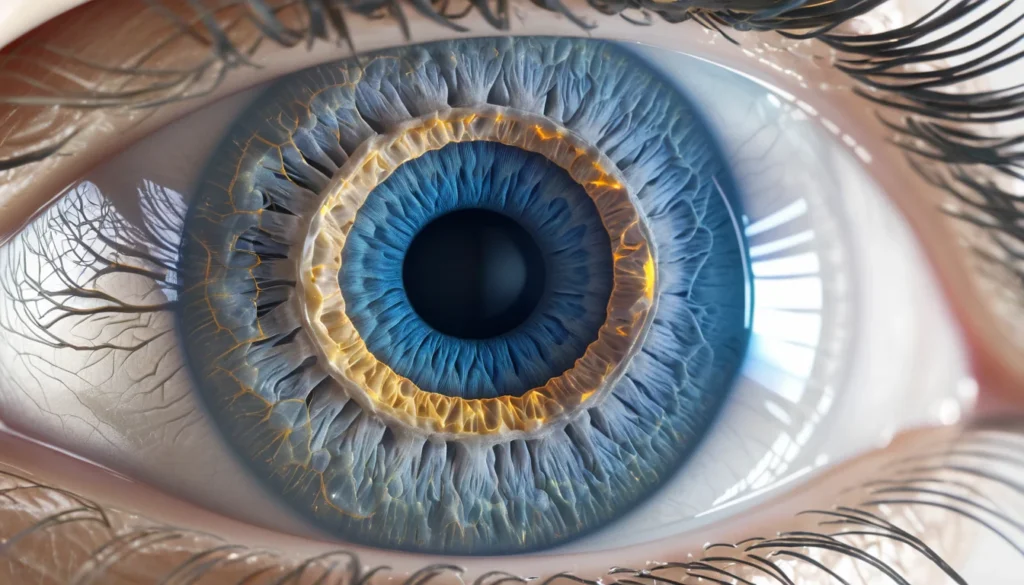
Adie syndrome is a neurological condition that affects one or both pupils in the eye. The pupil becomes abnormally large and responds very poorly — or not at all — to light. In addition, the eye often has trouble focusing at different distances. This article explains what Adie syndrome is, what causes it, how it is diagnosed, and what Canadians can do if they notice symptoms.
What Is Adie Syndrome?
Adie syndrome is a rare condition of the nervous system. It mainly affects the pupil of the eye, causing it to stay dilated (wide open) even in bright light. A healthy pupil gets smaller in bright light and larger in dim light. However, with Adie syndrome, this normal reaction is lost or greatly reduced.
The condition is also sometimes called Adie’s tonic pupil syndrome or simply Adie’s pupil. It is named after the British neurologist William John Adie, who described it in the 1930s. The word “tonic” refers to the slow, sluggish way the affected pupil reacts — if it reacts at all.
In many cases, Adie syndrome also affects the reflexes in the legs and arms. When both pupil problems and reduced reflexes occur together, doctors may use the term Holmes-Adie syndrome. For most people, the condition is not dangerous. However, it can cause noticeable vision problems and sensitivity to light.
Adie Syndrome Symptoms to Watch For
The most obvious sign of Adie syndrome is one pupil that is much larger than the other. This difference in pupil size is called anisocoria. The affected pupil reacts very slowly to bright light, while the normal pupil reacts quickly. As a result, the two pupils look very unequal in size, especially in a well-lit room.
Vision and Focusing Problems
Many people with Adie syndrome also have trouble with accommodation. Accommodation is the eye’s ability to adjust focus when you look from something far away to something up close. When this is affected, nearby objects can appear blurry. Furthermore, reading or doing close-up work can become difficult and tiring.
Some people also experience photophobia, which means sensitivity to bright light. Because the pupil cannot shrink properly in response to light, too much light enters the eye at once. This can cause discomfort or a feeling of glare, especially when moving from a dark room into a sunny area outdoors.
Reflex Changes
In some cases, Adie syndrome also reduces or eliminates the deep tendon reflexes. These are the reflexes a doctor tests by tapping the knee or ankle with a small rubber hammer. If your knee doesn’t “kick” the way it normally should, this could be a related sign. However, this symptom alone does not cause pain or major disability for most people.
Other Possible Symptoms
In rarer situations, Adie syndrome can affect the body’s autonomic nervous system. This is the part of the nervous system that controls automatic functions like sweating, blood pressure, and digestion. Therefore, some people may notice unusual sweating patterns or other subtle changes. These symptoms vary widely from person to person.
What Causes Adie Syndrome?
Adie syndrome happens when nerve cells in or near the eye are damaged. Specifically, the ciliary ganglion — a small cluster of nerve cells behind the eye — is affected. These nerves control how the pupil reacts to light and how the eye focuses. When they are damaged, the pupil loses its normal ability to respond.
In many cases, doctors cannot find a clear cause. This is called an idiopathic condition, meaning it occurs without a known reason. However, in other cases, Adie syndrome may develop after certain events or illnesses. According to the Mayo Clinic, damage to these nerves can result from a variety of underlying factors.
Known Triggers and Associated Conditions
Some causes that have been linked to Adie syndrome include:
Viral or bacterial infections that affect the nervous system
Trauma or injury to the eye or the area around it
Surgery near the eye socket or surrounding tissue
Autoimmune conditions, where the body’s immune system mistakenly attacks its own nerve tissue
Certain cancers that affect the nervous system (in rare cases)
Diabetic neuropathy, which is nerve damage caused by long-term diabetes
Adie syndrome is more common in women than in men. It most often appears in people between the ages of 20 and 40. However, it can occur at any age. The condition usually starts in one eye and may eventually affect the other eye over many years.
How Is Adie Syndrome Diagnosed?
A doctor will usually begin by examining the eye under bright and dim lighting conditions. Watching how the pupils respond — or fail to respond — gives important clues. In addition, the doctor may test your reflexes and ask about any other symptoms you have noticed.
The Dilute Pilocarpine Test
One common diagnostic tool is the dilute pilocarpine eye drop test. A very weak solution of pilocarpine is placed in both eyes. A healthy pupil will not react much to this diluted solution. However, a tonic pupil affected by Adie syndrome will constrict (shrink) noticeably. This happens because the damaged nerve endings become unusually sensitive to chemicals over time — a process called denervation supersensitivity.
This test is simple, safe, and can usually be done in an eye doctor’s office or an outpatient clinic. It is one of the most reliable ways to confirm Adie syndrome without more invasive procedures.
Additional Tests
Depending on your symptoms, your doctor may order further tests. These could include blood tests, imaging scans like an MRI, or a referral to a neurologist. The goal is to rule out other conditions that can also cause pupil changes, such as a brain aneurysm or multiple sclerosis. Healthline provides a helpful overview of the diagnostic process for Adie syndrome and related eye conditions.
Treatment Options for Adie Syndrome
Currently, there is no cure for Adie syndrome. However, most people manage their symptoms well with the right support. Treatment focuses on reducing discomfort and protecting vision. The approach depends on how severe your symptoms are.
Glasses and Contact Lenses
If Adie syndrome affects your ability to focus, corrective lenses may help. Glasses or contact lenses can compensate for the focusing difficulty caused by poor accommodation. Your optometrist or ophthalmologist can prescribe the right lenses after a full eye examination. In some cases, reading glasses alone may be enough to manage the blurriness with close-up work.
Pilocarpine Eye Drops
Low-dose pilocarpine eye drops can be used regularly to help constrict the dilated pupil. This can reduce light sensitivity and improve comfort in bright environments. Your eye doctor will advise on the correct dosage and how often to use them. These drops are generally well tolerated and widely available in Canada.
Tinted Lenses and Sun Protection
For people who experience photophobia, tinted or photochromic lenses can make a real difference. These lenses darken automatically in sunlight and lighten indoors. Wearing good-quality sunglasses outdoors is also strongly recommended. This simple step can greatly reduce discomfort when spending time outside.
Managing Reduced Reflexes
If Adie syndrome has affected your deep tendon reflexes, no specific treatment is usually needed. The reflex changes do not typically cause pain or limit daily activity. Your doctor will monitor this during routine check-ups. In most cases, it remains a stable finding that does not worsen significantly over time.
Living With Adie Syndrome in Canada
Most people with Adie syndrome lead full, active lives. The condition is not life-threatening in the vast majority of cases. However, it is important to have regular eye examinations and follow-up care. Your provincial health plan may cover some of these visits, depending on where you live in Canada.
If you have been diagnosed with Adie syndrome, consider letting close family members know. This is useful in emergency situations, since unequal pupils can sometimes alarm first responders. Carrying a medical card or note that explains your condition can prevent unnecessary concern or confusion during an emergency.
Furthermore, if you drive, it is worth speaking to your eye doctor about whether your vision meets provincial licensing standards. Light sensitivity and focusing difficulties could affect nighttime driving or other driving conditions. Your doctor can advise you on any adjustments you may need to make. Health Canada provides resources on managing chronic health conditions and navigating provincial health services across the country.
When to See a Doctor
You should see a doctor promptly if you notice that one of your pupils is significantly larger than the other. While Adie syndrome is usually not dangerous, unequal pupils can sometimes signal a serious problem — such as a brain aneurysm or stroke — that needs immediate attention. Therefore, do not ignore this symptom.
If you notice a sudden change in pupil size, especially if it comes with a severe headache, vision changes, or weakness on one side of your body, call 911 or go to your nearest emergency department right away. These can be signs of a medical emergency.
For less urgent concerns — such as gradual blurring of vision, light sensitivity, or a slowly developing difference in pupil size — start by booking an appointment with your family doctor. They can examine you and refer you to an ophthalmologist or neurologist if needed. If you do not have a family doctor, a walk-in clinic is a good first step. Most provinces also have telehealth lines where a registered nurse can help you decide how urgently you need to be seen.
Always consult a qualified healthcare professional for a proper diagnosis and personalised advice. The information in this article is for general educational purposes only and is not a substitute for professional medical guidance.
Frequently Asked Questions About Adie Syndrome
Is Adie syndrome dangerous?
Adie syndrome is not considered dangerous for most people. It is generally a benign condition, meaning it does not threaten your life or cause serious disability. However, it is important to get a proper diagnosis to rule out other causes of an enlarged pupil that may be more serious.
Can Adie syndrome go away on its own?
Adie syndrome does not typically resolve on its own. The pupil abnormality tends to be permanent, though it may change slightly over time. Many people find that over the years, the affected pupil gradually becomes smaller, sometimes even smaller than the unaffected one.
What is the difference between Adie syndrome and Holmes-Adie syndrome?
Adie syndrome refers specifically to the tonic pupil condition affecting the eye. Holmes-Adie syndrome is a broader term used when Adie syndrome occurs alongside reduced or absent deep tendon reflexes, such as the knee-jerk reflex. Both conditions are neurological and generally benign.
Who is most likely to develop Adie syndrome?
Adie syndrome is most commonly diagnosed in women between the ages of 20 and 40, though it can affect anyone. The exact reason it is more common in women is not fully understood. In many cases, no specific cause is ever identified.
How is Adie syndrome different from a normal dilated pupil?
A normal pupil dilates in dim light and constricts quickly in bright light. With Adie syndrome, the pupil stays large and reacts very slowly or not at all to light changes. This sluggish response — known as a tonic pupil — is the key feature that distinguishes Adie syndrome from ordinary pupil dilation.
Can Adie syndrome affect both eyes?
Adie syndrome usually begins in one eye, making it easy to notice the difference in pupil size. However, the condition can spread to affect the other eye over time, sometimes over a period of many years. When both eyes are affected, the size difference between pupils may become less obvious.
Key Takeaways
Adie syndrome is a neurological condition that causes one or both pupils to be enlarged and slow to react to light.
It is also known as Adie’s tonic pupil and, when combined with reduced reflexes, as Holmes-Adie syndrome.
Common symptoms include a dilated pupil, difficulty focusing up close, and sensitivity to bright light.
The exact cause is often unknown, but nerve damage from infection, injury, or autoimmune conditions may be responsible.
Diagnosis is confirmed using a dilute pilocarpine eye drop test performed by an eye specialist.
There is no cure, but symptoms can be managed with corrective lenses, pilocarpine drops, and tinted glasses.
The condition is generally benign, but sudden changes in pupil size should always be assessed by a doctor right away.
Canadian residents can start by seeing their family doctor or visiting a walk-in clinic for an initial assessment and referral.