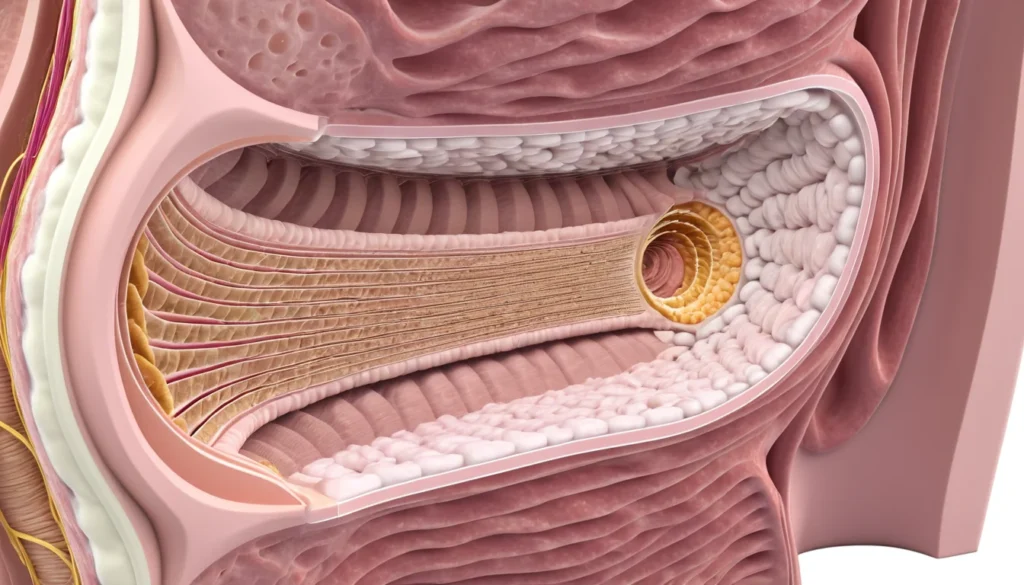
Adhesions are bands of fibrous scar tissue that form inside the body, causing organs or tissues that are normally separate to stick together. They can develop after surgery, infection, or injury — and in some cases, they are present from birth. Adhesions are more common than many people realize, and they can lead to serious problems if left untreated. This article explains what adhesions are, why they happen, and what treatment options are available to Canadians.
What Are Adhesions?
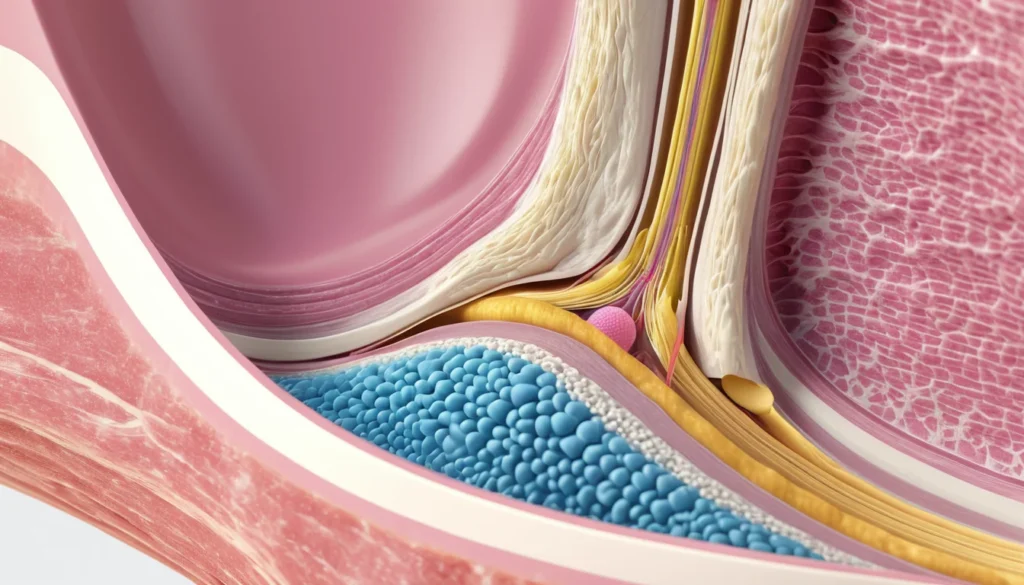
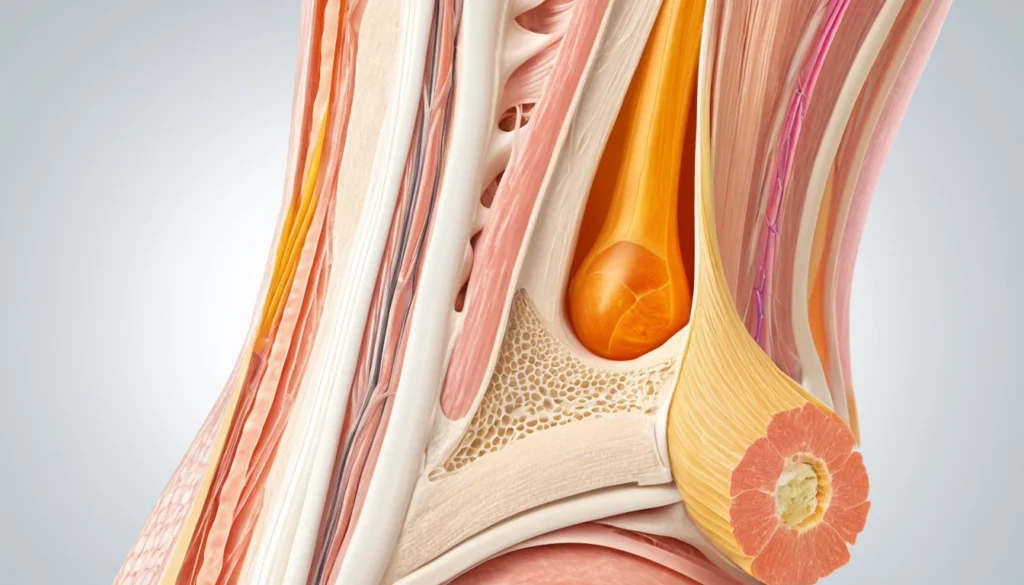
Normally, the organs and tissues inside your body have smooth surfaces that allow them to move freely. Adhesions form when fibrous tissue grows between surfaces that should not be connected. Think of it like internal scar tissue that acts as a glue between organs.
These bands of tissue most often develop in the abdominal and chest cavities. They can also affect the lining around the heart and the reproductive organs. In most cases, adhesions form silently — meaning a person may not feel any symptoms at all. However, in other cases, they can cause significant pain or even life-threatening complications.
According to Mayo Clinic, adhesions are one of the most common complications following abdominal and pelvic surgery. They affect a large number of people worldwide each year.
What Causes Adhesions?
Adhesions form as part of the body’s natural healing response. When tissue is damaged, the body rushes to repair it. Sometimes, this repair process goes a little too far and creates unwanted connections between nearby structures.
Surgery
Surgery is the most common cause of internal adhesions. Any procedure that involves opening the abdominal or pelvic cavity can trigger adhesion formation. This includes operations on the bowel, appendix, uterus, ovaries, or gallbladder. Even with the most careful surgical technique, adhesions can still develop afterwards.
Infection and Inflammation
Serious infections inside the body can also lead to adhesions. For example, peritonitis — an infection of the lining of the abdomen — is a well-known cause. Pelvic inflammatory disease (PID), which often results from untreated sexually transmitted infections, can lead to adhesions around the fallopian tubes and ovaries.
Conditions like appendicitis, if they cause a rupture or abscess, can also trigger adhesion formation in the surrounding tissue. In addition, Crohn’s disease and other inflammatory bowel conditions can play a role.
Injury and Burns
Trauma to the body — such as a serious abdominal injury or a deep burn — can also cause adhesions to form. As the damaged tissue heals, fibrous bands may develop between nearby structures. This type of adhesion can sometimes be just as problematic as those caused by surgery or infection.
Congenital Adhesions
In some cases, adhesions are present from birth. These are called congenital adhesions. A well-known example is the adhesion between the foreskin and the head of the penis in young boys, which is seen in a condition called phimosis. Most congenital adhesions are minor and resolve on their own, but some require medical attention.
Where Do Adhesions Form in the Body?
Adhesions can form almost anywhere inside the body. However, certain locations are far more common than others. Understanding where adhesions typically develop helps explain the wide range of symptoms they can cause.
Abdominal and Pelvic Adhesions
Abdominal adhesions are the most frequently seen type. They develop in the lining of the abdomen, known as the peritoneum. These adhesions often involve the bowel and can cause serious complications over time. Pelvic adhesions commonly affect the ovaries, fallopian tubes, uterus, and surrounding structures in women.
For example, adhesions between the ovary or fallopian tube and the appendix can cause chronic pelvic pain. This type of adhesion is a recognized cause of female infertility in Canada and around the world. Furthermore, adhesions involving the gallbladder and the colon can create abnormal connections that allow bile to leak into the intestine, leading to a condition known as gallstone ileus.
Chest Adhesions
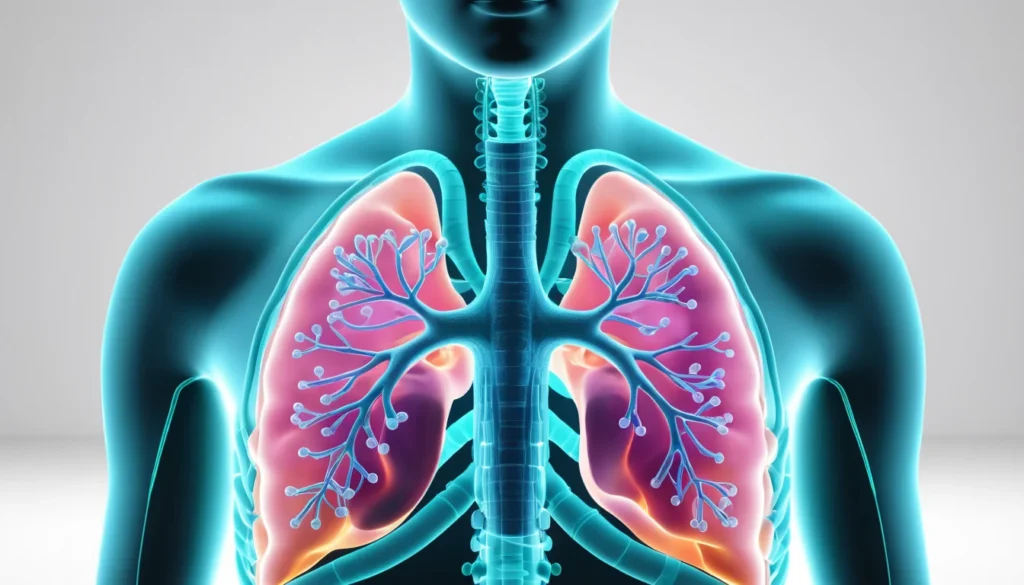
Adhesions can also form in the chest cavity, particularly around the lungs or the lining of the heart. These are less common but can cause breathing difficulties or chest pain. They often follow chest infections, surgery, or conditions like pleurisy or pericarditis.
Adhesions in the Uterus
A specific type of adhesion can form inside the uterus itself. This is known as Asherman’s syndrome. It usually develops after uterine surgery, such as a dilation and curettage (D&C) procedure. Asherman’s syndrome can affect a woman’s menstrual cycle and fertility. According to Healthline, it is an important but often overlooked cause of infertility.
Symptoms of Adhesions
Many people with adhesions never experience any symptoms at all. In these cases, the adhesions are often discovered accidentally during an unrelated medical procedure or surgery. However, when adhesions do cause symptoms, those symptoms depend heavily on which organs or tissues are affected.
Abdominal Pain and Cramping
Chronic or recurring abdominal pain is one of the most common symptoms. The pain may be dull and persistent, or it may come in waves. It is often made worse by movement or eating. Some people describe it as a pulling or tugging sensation deep inside the belly.
Bowel Obstruction
One of the most serious complications of abdominal adhesions is bowel obstruction. This happens when adhesions physically block the intestine, preventing food and fluid from passing through. Symptoms include severe cramping, bloating, nausea, vomiting, and an inability to pass gas or have a bowel movement. A bowel obstruction is a medical emergency that requires immediate attention.
Infertility and Pelvic Pain
In women, pelvic adhesions are a significant cause of infertility. Adhesions around the fallopian tubes can block the passage of eggs, preventing conception. Women may also experience chronic pelvic pain, painful periods, or pain during intercourse. These symptoms should always be investigated by a healthcare provider.
Other Symptoms
Depending on their location, adhesions can also cause difficulty breathing, urinary problems, or pain that radiates to the back or legs. Because these symptoms overlap with many other conditions, adhesions can sometimes be difficult to diagnose without imaging or surgery.
How Are Adhesions Diagnosed?
Diagnosing adhesions can be challenging. Unlike many conditions, they do not always show up clearly on standard imaging tests. Your family doctor will start by reviewing your medical history and performing a physical examination.
Imaging tests such as ultrasound, CT scan, or MRI may be ordered to look for signs of complications. However, these tests can miss smaller adhesions. In many cases, adhesions are only confirmed during a surgical procedure called laparoscopy. During a laparoscopy, a surgeon inserts a small camera into the abdomen to look directly at the internal organs.
It is important to be open and detailed with your doctor about your symptoms and your surgical history. This information is essential for reaching the right diagnosis in a timely way.
Treatment Options for Adhesions
Not all adhesions require treatment. If they are not causing symptoms, many doctors recommend a watchful waiting approach. However, when adhesions cause significant pain, infertility, or bowel obstruction, treatment becomes necessary.
Surgery to Remove Adhesions
The main treatment for problematic adhesions is surgery. The procedure used to cut or remove adhesions is called adhesiolysis. It can be performed using traditional open surgery or, more commonly today, through minimally invasive laparoscopic surgery. Laparoscopic surgery uses small incisions and a camera, which means less pain and a shorter recovery time.
Surgery is most often recommended for two main situations. The first is when adhesions are causing infertility, particularly adhesions of the fallopian tubes due to a condition called salpingitis. The second is when adhesions have caused a bowel obstruction, which can be life-threatening if not corrected quickly.
Managing Symptoms Without Surgery
For some patients, managing symptoms without surgery is the preferred approach. This may involve pain medication, physiotherapy, or dietary changes to ease bowel-related symptoms. In cases of mild adhesions, these strategies can provide meaningful relief without the risks that come with surgery.
It is worth noting that adhesions can unfortunately return even after surgical removal. Therefore, your doctor will discuss the risks and benefits of surgery carefully before recommending it. The Health Canada website offers helpful resources on surgical procedures and patient rights in Canada.
When to See a Doctor
You should speak with your family doctor if you experience ongoing abdominal pain, pelvic pain, or changes in your bowel habits — especially if you have had abdominal or pelvic surgery in the past. These symptoms may or may not be caused by adhesions, but they always deserve a proper medical evaluation.
If you do not have a family doctor, a walk-in clinic is a good first step. Walk-in clinics are available in most Canadian communities and can provide an initial assessment. Your provincial health plan typically covers visits to both family doctors and walk-in clinics for medically necessary concerns.
Seek emergency care right away if you experience sudden and severe abdominal pain, vomiting, inability to pass gas or stool, or a swollen and rigid belly. These can be signs of a bowel obstruction, which is a serious medical emergency.
Always consult a qualified healthcare provider before making any decisions about your health. This article is meant to provide general information only and is not a substitute for professional medical advice.
Frequently Asked Questions About Adhesions
Can adhesions go away on their own?
Most adhesions do not go away on their own once they have fully formed. However, minor adhesions — especially those present from birth — may loosen over time without any treatment. If your adhesions are not causing symptoms, your doctor may simply monitor them rather than recommend surgery right away.
Are adhesions dangerous?
Adhesions can become dangerous if they cause a bowel obstruction, which is a medical emergency. In other cases, such as when they affect the fallopian tubes, they can lead to infertility. Many adhesions, however, never cause any problems at all and are found only by accident during other medical procedures.
How do I know if I have adhesions after surgery?
Symptoms that may suggest adhesions after surgery include chronic abdominal or pelvic pain, bloating, and changes in bowel habits. However, these symptoms can have many causes. The only way to confirm the presence of adhesions is through imaging tests or a laparoscopic procedure performed by a surgeon.
Can adhesions cause infertility?
Yes, adhesions are a recognized cause of infertility in women. When adhesions form around the fallopian tubes or ovaries, they can block the normal movement of eggs. Treatment — often through laparoscopic surgery — can sometimes restore fertility, though results vary from person to person.
What does adhesion pain feel like?
Pain caused by adhesions is often described as a dull, aching, or pulling sensation deep inside the abdomen or pelvis. It may come and go, or it may be constant. Some people notice that the pain worsens after eating, during physical activity, or at certain times in their menstrual cycle.
Is adhesion surgery covered in Canada?
In most cases, surgery to treat medically necessary adhesions is covered under provincial health plans across Canada. Coverage details can vary depending on your province or territory. It is always a good idea to confirm coverage with your provincial health authority or speak with your family doctor before proceeding with any procedure.
Key Takeaways
Adhesions are bands of fibrous scar tissue that cause organs or tissues inside the body to stick together abnormally.
They most commonly form after abdominal or pelvic surgery, but can also result from infection, injury, burns, or be present from birth.
Many adhesions cause no symptoms, but they can lead to chronic pain, bowel obstruction, or infertility.
Diagnosis can be difficult and often requires laparoscopic surgery to confirm.
Treatment is usually only recommended when adhesions cause significant symptoms, and surgery (adhesiolysis) is the primary option.
If you have ongoing abdominal or pelvic pain — especially after previous surgery — speak with your family doctor or visit a walk-in clinic.
Bowel obstruction caused by adhesions is a medical emergency. Seek emergency care immediately if you have sudden severe pain, vomiting, and inability to pass stool or gas.
Always consult a qualified Canadian healthcare provider for advice that is specific to your situation.