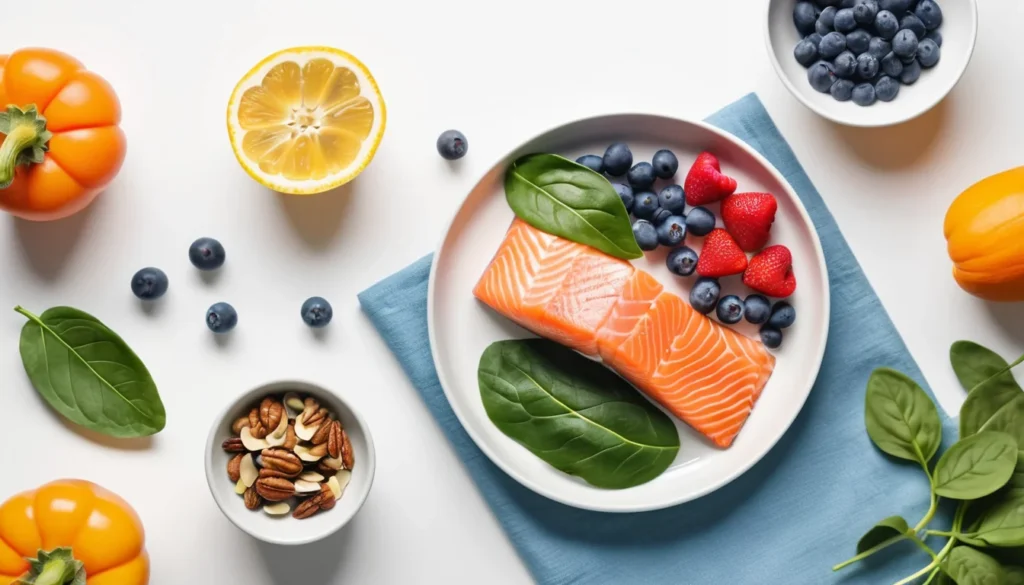
An ADHD diet won’t cure attention deficit hyperactivity disorder, but choosing the right foods may help manage its core symptoms — and growing research supports this approach for Canadians of all ages. Studies suggest that what we eat directly affects brain function, mood, and focus, which are the very areas that ADHD disrupts most. By understanding which nutrients matter and how to include them in daily meals, you can take a practical step toward better symptom management.
How an ADHD Diet Works to Support Brain Function
In this guide, we break down the best ADHD foods to eat, the key role of omega-3 for ADHD, and which foods to limit if you or your child has been diagnosed. Whether you’re exploring dietary changes alongside medication or looking for natural strategies recommended by Canadian health professionals, this evidence-based resource will help you build an effective nutrition plan.
What Is ADHD?
Key Food Categories in an ADHD Diet: Benefits and Considerations
| Food Category | Examples | Potential Benefits for ADHD | Considerations |
|---|---|---|---|
| Protein-Rich Foods | Eggs, lean meats, legumes, Greek yogurt, tofu | Supports dopamine and norepinephrine production; may improve focus and reduce hyperactivity | Aim for protein at breakfast and lunch to support attention throughout the school or work day |
| Omega-3 Fatty Acids | Salmon, sardines, walnuts, flaxseed, chia seeds | Linked to improved attention, reduced impulsivity, and better brain function | Health Canada recommends 2 servings of fatty fish per week; consider a supplement if dietary intake is low |
| Complex Carbohydrates | Oats, quinoa, whole grain bread, brown rice, lentils | Provides steady blood glucose levels, helping to sustain concentration and mood stability | Avoid refined carbohydrates and sugary snacks that can cause energy spikes and crashes |
| Iron and Zinc-Rich Foods | Red meat, pumpkin seeds, chickpeas, fortified cereals, spinach | Low iron and zinc levels are associated with more severe ADHD symptoms; adequate intake may support neurotransmitter function | Consult a Canadian-registered dietitian before supplementing; excess iron can be harmful |
| Foods to Limit | Artificial dyes, high-sugar snacks, processed foods, energy drinks | Reducing these may help decrease hyperactivity and improve behaviour in some children and adults | Health Canada advises reading food labels; artificial colours such as tartrazine (Yellow No. 5) may worsen symptoms in sensitive individuals |
ADHD is a behavioural condition that makes it hard to focus, stay still, or control impulses. It affects both children and adults, and it impacts men and women equally.
Common symptoms include mood changes, anxiety, impulsivity, hostility, and sleep problems. Many people with ADHD also experience headaches, migraines, and stomach discomfort.
ADHD is not fully curable. However, symptoms often improve with treatment, lifestyle changes, and — according to growing research — targeted nutritional support. According to Health Canada, managing chronic conditions like ADHD often requires a combination of medical and lifestyle approaches.
Some researchers believe ADHD involves a functional deficiency of two key fats: EPA and DHA. These are both omega-3 fatty acids. Iron and zinc deficiencies also appear alongside ADHD in many cases, though experts are still working to understand the exact relationship.
What Causes ADHD?
The exact cause of ADHD is not fully understood. However, current research points strongly to genetics as the main factor.
Other possible contributing factors include:
Significant emotional stress, such as the loss of a parent or family separation
Mild seizure disorders, such as mild forms of epilepsy
Middle ear infections that lead to hearing problems
Vision problems that go undetected
Medical conditions that affect normal brain function
It is important to get a proper diagnosis from a qualified healthcare provider. A family doctor or paediatrician can assess symptoms and rule out other conditions before an ADHD diagnosis is confirmed.
How an ADHD Diet Works
The brain depends on healthy fats to function properly. In particular, the central nervous system needs specific fats to build and maintain nerve cell membranes. This is why nutrition plays a key role in the ADHD diet conversation.
Two omega-3 fatty acids are especially important for brain health:
EPA (eicosapentaenoic acid): This fat helps produce compounds called eicosanoids, which regulate many processes in the brain and body.
DHA (docosahexaenoic acid): This is the main building block of nerve cell membranes. It directly influences how brain cells communicate with each other.
Both EPA and DHA are omega-3 fats. The body can produce them from a plant-based omega-3 called ALA (alpha-linolenic acid). However, genetic or environmental factors can interfere with this conversion process. As a result, some people simply cannot make enough EPA and DHA from plant sources alone.
The Omega-6 to Omega-3 Balance
Most Canadians eat far too many omega-6 fats and not enough omega-3 fats. Many processed and packaged foods are high in omega-6 fats, saturated fats, and hydrogenated fats. At the same time, they are low in omega-3s and other key nutrients.
The ideal ratio of omega-6 to omega-3 in your diet is roughly 5:1. However, the modern Canadian diet often tips much further toward omega-6. This imbalance may worsen inflammation and affect brain function, especially in people with ADHD.
Foods that are high in omega-6 fats (LA) include:
Sunflower oil
Safflower oil
Soybean oil
Palm oil
Peanuts and peanut oil
Sesame oil
These foods are not harmful on their own. However, eating too much of them while eating too little omega-3 can create an imbalance that affects brain health.
Best Foods for an ADHD Diet
If you are building an ADHD diet, focus on foods that are rich in omega-3 fats, iron, zinc, and antioxidants. These nutrients all support healthy brain function and may help reduce some ADHD symptoms.
Omega-3 Rich Foods
Foods high in ALA (plant-based omega-3) include:
Canola seeds and canola oil
Flaxseeds and flaxseed oil
Walnuts and walnut oil
Spinach
Fresh basil, coriander, mint, and parsley
Olive oil contains only a small amount of ALA. However, it is still a smart choice because it is rich in heart-healthy monounsaturated fats.
Foods high in EPA and DHA (marine omega-3s) include:
Fatty fish such as salmon, trout, mackerel, sardines, herring, and anchovies
Shellfish and other seafood
Fresh tuna also contains EPA and DHA. However, canned or processed tuna loses a significant amount of these essential fats during preparation. Furthermore, some fish — including shark and swordfish — contain high levels of neurotoxic substances like lead and mercury. These fish should be avoided by everyone, and especially by children under 16 or anyone with ADHD.
For more guidance on safe fish consumption in Canada, visit Health Canada’s food safety resources.
DHA from Eggs and Liver
DHA is also found in meaningful amounts in chicken liver and egg yolks. Both of these foods are affordable and easy to find at any Canadian grocery store. They make a practical addition to a weekly meal plan.
However, if you are already taking a nutritional supplement that is high in vitamin A, eat these foods in smaller amounts. Too much vitamin A can be harmful.
Antioxidant-Rich Foods
When you increase your intake of polyunsaturated fats (PUFAs) like EPA and DHA, your body also produces more free radicals. Free radicals are unstable molecules that can damage cells, including brain cells. Antioxidants help protect against this damage.
When free radical levels are significantly higher than antioxidant levels, the result is called oxidative stress. Oxidative stress is linked to a range of health problems, including worsening symptoms in people with ADHD.
Key antioxidants for brain health include:
Vitamin E: Found in flaxseed oil, sunflower oil, nuts, and almonds
Selenium: Found in fish, shellfish, liver, eggs, mushrooms, and lentils
Flavonoids and anthocyanins: Found in berries, red grapes, and colourful vegetables
Carotenoids: Found in carrots, sweet potatoes, and leafy greens
Eating a variety of fruits and vegetables every day is one of the simplest ways to keep your antioxidant intake high. Green tea and small amounts of red wine (for adults) also provide antioxidant compounds.
According to the Mayo Clinic’s overview of ADHD, a well-rounded diet is one of several strategies that can support overall brain health in people with ADHD.
Iron and ADHD: Why It Matters
Iron deficiency during childhood is closely linked to an increased risk of ADHD. Getting enough iron supports healthy brain development and may help reduce the severity of ADHD symptoms.
Ferritin — the protein that stores iron in your body — plays an important role here. Research suggests that children with ADHD often have lower ferritin levels than children without the condition. Improving iron levels may help ease cognitive difficulties and reduce some behavioural symptoms.
Good food sources of iron include:
Red meat (beef, lamb)
Poultry (chicken, turkey)
Fish and shellfish
Lentils and beans
Spinach and other dark leafy greens
Fortified cereals
Eating vitamin C-rich foods alongside iron-rich foods — for example, squeezing lemon juice on spinach — helps your body absorb iron more effectively.
Foods to Limit on an ADHD Diet
Just as some foods may support brain health, others may make ADHD symptoms worse. While research is still ongoing, many healthcare providers suggest limiting the following:
Highly processed foods: These are often high in omega-6 fats, artificial additives, and refined sugars.
Artificial food dyes and preservatives: Some studies suggest a link between synthetic dyes and increased hyperactivity in children.
Refined sugars and sugary drinks: These can cause energy spikes and crashes that may worsen focus and mood.
Hydrogenated and trans fats: Found in many packaged snacks and fast foods, these fats offer no nutritional benefit and may harm brain health.
Switching from processed snacks to whole foods does not have to happen overnight. Small, steady changes are often the most sustainable.
When to See a Doctor
If you think you or your child may have ADHD, the first step is to speak with your family doctor. They can refer you to a specialist such as a paediatrician, psychologist, or psychiatrist for a full assessment.
If you do not have a family doctor, a walk-in clinic can help with an initial assessment and referral. Many provinces also offer mental health programmes with shorter wait times. Check your provincial health plan for covered services in your area.
Dietary changes can support ADHD management, but they are not a replacement for medical treatment. Always speak with a healthcare provider before starting your child — or yourself — on a new supplement or making major diet changes.
Frequently Asked Questions
Does diet really affect ADHD symptoms?
Research suggests that an ADHD diet rich in omega-3 fatty acids, iron, and antioxidants may help support brain function and reduce some symptoms. Diet alone is not a treatment, but it can be a helpful part of an overall management plan. Always speak with your doctor before making significant dietary changes.
What are the best omega-3 foods for ADHD?
The best sources of omega-3 fats for an ADHD diet include fatty fish like salmon, trout, sardines, and mackerel, as well as flaxseeds, walnuts, and canola oil. These foods provide EPA and DHA, the two omega-3 fats most closely linked to brain health. Aim to include fatty fish in your meals at least twice a week.
Can children with ADHD take omega-3 supplements?
Omega-3 supplements are widely available in Canada and are generally considered safe for children. However, you should always consult your child’s doctor or paediatrician before starting any supplement. Dosage and quality can vary significantly between products.
Is iron deficiency linked to ADHD in children?
Yes, iron deficiency in childhood is associated with an increased risk of ADHD and more severe behavioural symptoms. Many children with ADHD have lower-than-normal ferritin levels, which indicates low iron stores. A doctor can check iron levels with a simple blood test.
What foods should people with ADHD avoid?
People following an ADHD diet are often advised to limit highly processed foods, artificial food dyes, refined sugars, and foods high in hydrogenated fats. These may worsen hyperactivity, mood swings, and difficulty concentrating. Replacing packaged snacks with whole foods is a practical first step.
Does sugar cause ADHD or make it worse?
According to Health Canada’s guidance on managing chronic health conditions, this information is supported by current medical research.
For more information, read our guide on common child allergies and their impact on health in Canada.
Sugar does not cause ADHD, but high sugar intake may worsen symptoms like impulsivity and poor focus by causing energy spikes and crashes. Reducing sugary drinks and snacks is a simple change that may help stabilise energy and mood. This is one of the most commonly recommended adjustments in an ADHD diet plan.
Key Takeaways
An ADHD diet focuses on nutrients that support healthy brain function, especially omega-3 fatty acids, iron, zinc, and antioxidants. EPA and DHA are the two most important omega-3 fats for brain health. The best sources are fatty fish like salmon, sardines, and trout. Most Canadians eat too many omega-6 fats and not enough omega-3s. Rebalancing this ratio may help support focus and behaviour. Antioxidants from fruits, vegetables, nuts, and seeds help protect brain cells from oxidative damage. Iron deficiency is closely linked to ADHD symptoms in children. Include iron-rich foods like meat, lentils, and leafy greens in daily meals. Avoid shark and swordfish due to high mercury and lead levels — especially for children and anyone with ADHD. Diet supports ADHD management but
Frequently Asked Questions
What is an ADHD diet?
An ADHD diet is an eating plan designed to support brain function and reduce ADHD symptoms through nutritional choices. It emphasizes whole foods rich in protein, omega-3 fatty acids, and complex carbohydrates while limiting sugar and processed foods. It complements — but does not replace — medical treatment prescribed by a healthcare provider.
What foods help manage ADHD symptoms?
Foods that help manage ADHD symptoms include lean proteins like eggs, chicken, and legumes, which support dopamine production. Omega-3-rich foods such as salmon, walnuts, and flaxseeds promote brain health. Complex carbohydrates like oats and vegetables provide steady energy, while iron and zinc-rich foods support neurotransmitter function.
Can an ADHD diet replace medication in Canada?
No, an ADHD diet cannot replace medication. While nutrition positively supports brain function and may reduce some symptoms, Health Canada-approved medications remain the most evidence-based treatment for ADHD. Dietary changes should be used alongside — not instead of — treatments prescribed by a licensed Canadian physician or psychiatrist.
What foods should people with ADHD avoid?
People with ADHD should limit artificial food dyes, added sugars, and highly processed snack foods, which may worsen hyperactivity and inattention in some individuals. Caffeine and high-sodium foods can also disrupt sleep and focus. Identifying personal food sensitivities through a dietitian can help pinpoint specific dietary triggers.
When should you see a doctor about ADHD symptoms in Canada?
See a doctor if you or your child experiences persistent inattention, impulsivity, or hyperactivity lasting over six months that interferes with school, work, or relationships. Canadian family physicians, pediatricians, or psychiatrists can provide formal ADHD assessments and create a comprehensive treatment plan that may include dietary guidance.