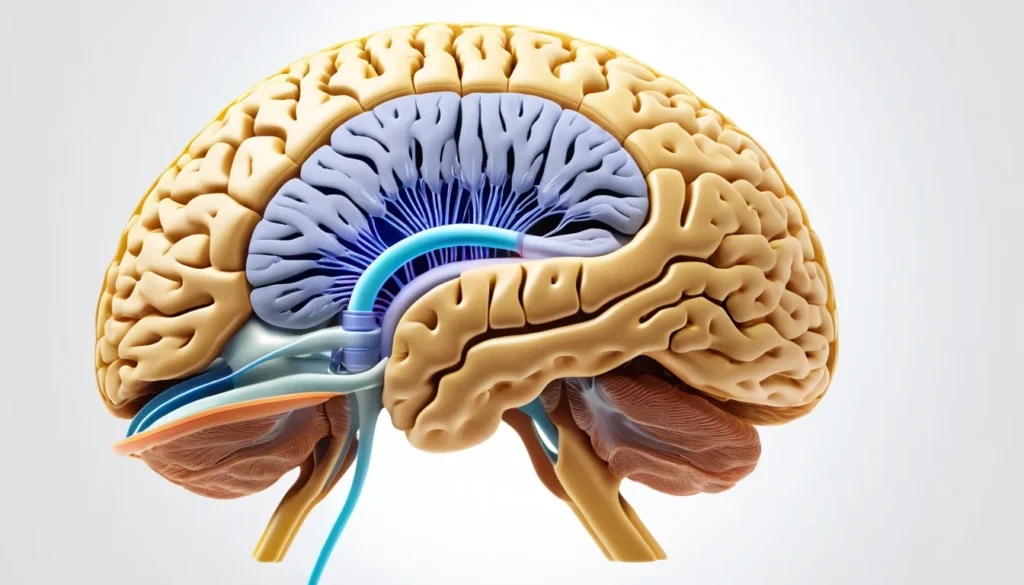
The ADH hormone — also called antidiuretic hormone or vasopressin — plays a critical role in keeping your body’s water balance in check. It is made in the brain and tells your kidneys how much water to hold onto or release. When ADH hormone levels are too high or too low, serious health problems can follow. This article explains what ADH does, what can go wrong, and when you should speak with your family doctor or visit a walk-in clinic.
What Is the ADH Hormone?
ADH stands for antidiuretic hormone. It is also widely known as vasopressin. Your body produces this hormone in a part of the brain called the hypothalamus. It is then stored and released by the posterior pituitary gland, a small structure at the base of your brain.
The word “antidiuretic” tells you exactly what this hormone does. “Anti” means against, and “diuretic” refers to the loss of water through urine. In other words, ADH hormone works against water loss. It signals your kidneys to absorb more water back into the bloodstream instead of flushing it out as urine.
This process is essential for survival. Without it, your body would lose water too quickly and become dangerously dehydrated. For more detail on how hormones work in the body, visit Mayo Clinic’s overview of diabetes insipidus and ADH.
How Does the ADH Hormone Control Water Balance?
Your kidneys filter large amounts of blood every day. As part of this process, they produce urine. The ADH hormone acts on tiny tubes inside your kidneys called tubules. It tells these tubules to pull water back into the body before the urine is expelled.
When your body is dehydrated — for example, after exercise or on a hot day — ADH hormone levels rise. This causes your kidneys to return more water to the bloodstream. As a result, your urine becomes darker and more concentrated.
On the other hand, when you drink a large amount of water, your body does not need to conserve as much. Therefore, ADH levels drop. Your kidneys then release more water as urine, which becomes pale and dilute. This back-and-forth process helps keep your body’s fluid levels stable at all times.
What Triggers ADH Release?
Several things prompt your body to release more ADH hormone. The most common trigger is an increase in the concentration of particles in your blood — a sign that you need more water. In addition, low blood pressure and low blood volume also stimulate ADH release.
Other triggers include:
Physical or emotional stress
Pain or nausea
Certain medications, including some used to treat seizures or depression
Surgery or general anaesthesia
Low blood sugar
Alcohol, however, suppresses ADH release. This is why drinking alcohol causes you to urinate more frequently and can leave you feeling dehydrated the next morning.
What Happens When ADH Hormone Levels Are Too Low?
When your body does not produce enough ADH hormone, or when the kidneys do not respond to it properly, a condition called diabetes insipidus can develop. This condition has nothing to do with the more well-known diabetes mellitus, which involves blood sugar. The shared name can cause confusion, but the two are separate conditions.
Diabetes insipidus is defined by two main symptoms:
Polyuria — producing very large amounts of urine, sometimes up to 20 litres per day
Polydipsia — feeling an intense and constant thirst
Without enough ADH hormone, the kidneys cannot reabsorb water properly. As a result, enormous amounts of very dilute urine pass through the body. To compensate, the person feels extremely thirsty and drinks large quantities of fluid.
Types of Diabetes Insipidus
There are two main types of diabetes insipidus. The first is central diabetes insipidus, where the brain does not produce or release enough ADH. This can happen due to a head injury, brain surgery, a tumour, or an autoimmune condition.
The second type is nephrogenic diabetes insipidus. In this case, the kidneys do not respond to ADH even when levels are normal. This form can be inherited or caused by certain medications, such as lithium, which is used to treat bipolar disorder.
Both types require proper diagnosis and medical management. Health Canada recommends speaking with a healthcare provider if you notice sudden changes in how often you urinate or how thirsty you feel.
What Happens When ADH Hormone Levels Are Too High?
Too much ADH hormone is just as problematic as too little. When the body secretes too much ADH — even when it is not needed — a condition called SIADH develops. SIADH stands for Syndrome of Inappropriate Antidiuretic Hormone secretion. It is sometimes referred to as Schwartz-Bartter syndrome.
In SIADH, the kidneys hold onto too much water. This dilutes the sodium in the blood to dangerously low levels. Sodium is a key electrolyte that helps your nerves and muscles function properly. Low sodium in the blood is called hyponatraemia, and it can cause serious symptoms.
Symptoms of SIADH
Because SIADH lowers blood sodium levels, symptoms often affect the brain and nervous system. These symptoms can include:
Nausea and vomiting
Headache
Confusion or difficulty thinking clearly
Muscle cramps or weakness
Seizures in severe cases
Reduced urination despite normal or high fluid intake
SIADH can be triggered by many things, including certain cancers, lung infections like pneumonia, brain injuries, or medications. Furthermore, it is more common in older adults, particularly those living in long-term care settings.
How Is SIADH Diagnosed and Treated?
A doctor diagnoses SIADH through blood and urine tests. The tests look for low blood sodium alongside urine that is too concentrated for the body’s current state. Treatment depends on the underlying cause. In many cases, restricting fluid intake is the first step. In more severe cases, medications or intravenous saline may be needed.
Your provincial health plan covers blood work and most diagnostic testing for hormone-related conditions. Ask your family doctor for a referral if you are concerned about your symptoms.
How Is the ADH Hormone Tested?
Doctors can measure ADH hormone levels through a simple blood test. However, because ADH levels can change quickly in response to stress or posture, the test requires careful preparation. Your doctor will give you specific instructions, which may include resting quietly before the sample is drawn.
In addition to a direct ADH blood test, your doctor may order related tests to get the full picture. These include:
Serum osmolality — measures the concentration of particles in your blood
Urine osmolality — measures the concentration of your urine
Serum sodium — checks for abnormal sodium levels
Water deprivation test — used to diagnose diabetes insipidus by seeing how your body responds to not drinking fluids
These tests are usually covered under provincial health insurance plans. Your family doctor can order them and discuss the results with you. For a detailed breakdown of how ADH testing works, Healthline’s guide to antidiuretic hormone testing is a helpful resource.
When to See a Doctor
You should speak with your family doctor if you notice any of the following signs, as they could point to an ADH hormone imbalance:
Urinating far more than usual, especially at night
Feeling constantly thirsty no matter how much you drink
Unexplained confusion, headaches, or muscle weakness
Sudden and significant changes in how much urine you produce
Swelling, especially in the legs or face, combined with reduced urination
If you do not have a family doctor, a walk-in clinic is a great place to start. Nurse practitioners and physicians at walk-in clinics can order blood work and refer you to a specialist if needed. Most provinces also have telehealth lines available 24 hours a day.
Do not ignore these symptoms. ADH hormone disorders are treatable, but early diagnosis leads to better outcomes. Always consult a qualified healthcare professional before drawing any conclusions about your health based on symptoms alone.
Frequently Asked Questions About ADH Hormone
What does the ADH hormone do in the body?
The ADH hormone tells your kidneys how much water to keep and how much to release as urine. It helps maintain proper fluid balance and prevents dehydration. When ADH levels are normal, your urine output and thirst levels stay regulated.
What happens when ADH hormone is low?
When ADH hormone levels are too low, the kidneys cannot hold onto water properly. This leads to diabetes insipidus, a condition marked by excessive urination and extreme thirst. Treatment depends on the underlying cause and may include medication or hormone replacement.
What happens when ADH hormone is too high?
Too much ADH hormone causes the body to retain excess water, which dilutes blood sodium to dangerously low levels. This condition is called SIADH and can cause nausea, confusion, and in severe cases, seizures. It requires medical evaluation and treatment.
Is ADH hormone the same as vasopressin?
Yes, ADH hormone and vasopressin are two names for the same substance. Doctors and scientists use both terms interchangeably. Vasopressin is the chemical name, while antidiuretic hormone (ADH) describes what it does in the body.
How is an ADH hormone disorder diagnosed in Canada?
A Canadian doctor can diagnose an ADH hormone disorder through blood and urine tests covered by most provincial health plans. Common tests include serum sodium, blood osmolality, and urine osmolality. Your family doctor or a walk-in clinic can order these tests and refer you to an endocrinologist if needed.
Can stress affect ADH hormone levels?
Yes, physical and emotional stress can raise ADH hormone levels in the body. Pain, nausea, surgery, and certain medications are also known triggers. In most healthy people, these changes are temporary and the body returns to normal once the stress is resolved.
Key Takeaways
The ADH hormone (antidiuretic hormone, or vasopressin) controls how much water your kidneys hold onto or release.
It is produced in the brain and released by the posterior pituitary gland.
Too little ADH leads to diabetes insipidus — a condition causing excessive urination and intense thirst.
Too much ADH causes SIADH, which lowers blood sodium and can lead to confusion, nausea, and seizures.
Blood and urine tests can measure ADH levels and related markers. Most are covered under provincial health plans in Canada.
If you notice unusual thirst, changes in urination, or unexplained confusion, speak with your family doctor or visit a walk-in clinic.
ADH disorders are manageable with proper medical care and early diagnosis.