Adenosine is a naturally occurring compound found in every cell of your body. It plays a key role in heart health, energy production, and even how well you sleep. Doctors also use adenosine as a medical tool — particularly during specialized heart tests — to help diagnose conditions affecting your coronary arteries. This article explains what adenosine is, how it works, and why it matters for your health.
What Is Adenosine?
Adenosine is a nucleoside, which means it is a molecule made up of a sugar and a nitrogen-containing base. In this case, the base is called adenine. Together, they form adenosine — a compound your body makes naturally and uses constantly.
You will find adenosine in every living cell in your body. It is one of the building blocks of adenosine triphosphate (ATP), which is the main energy currency your cells use to do their work. Without adenosine, your body could not produce the energy it needs to function.
Beyond energy, adenosine acts as a signalling molecule. It sends messages between cells, telling them to slow down, relax, or adjust how they are working. This is especially important in the heart and blood vessels.
How Adenosine Affects Your Heart
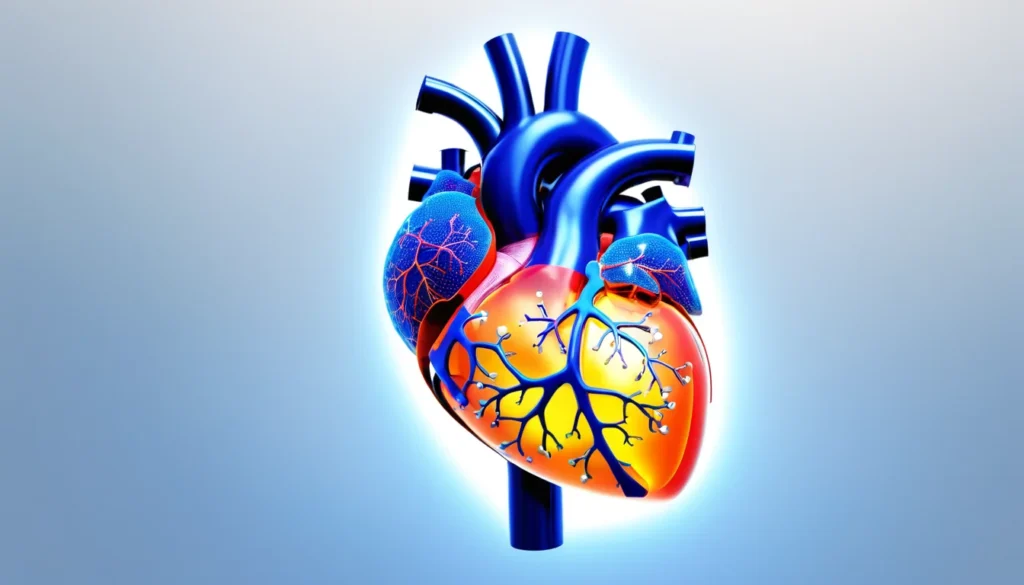
One of adenosine’s most important jobs is dilating the coronary arteries. Dilation means widening. When the coronary arteries widen, more blood can flow to the heart muscle. This increased blood flow delivers more oxygen where the heart needs it most.
Adenosine achieves this by binding to special receptors on the walls of blood vessels. When it attaches to these receptors, the smooth muscle in the artery walls relaxes. As a result, the arteries open up and blood flows more freely.
This effect is temporary and controlled. Your body breaks down adenosine very quickly — within seconds. Therefore, its effects do not last long, which makes it very useful in medical settings where precise, short-term control is needed.
Adenosine and Heart Rhythm
Adenosine also affects your heart’s electrical system. It can slow down the heart rate by reducing electrical activity in the atrioventricular (AV) node — the part of your heart that controls the timing between the upper and lower chambers.
Because of this property, doctors sometimes use adenosine as a fast-acting treatment for a type of abnormal heart rhythm called supraventricular tachycardia (SVT). SVT causes the heart to beat very fast without warning. A small dose of adenosine, given through an IV, can reset the heart’s rhythm within seconds.
This use is well-established and considered safe when given by trained medical professionals in a monitored setting. For more information on heart rhythm disorders, visit the Mayo Clinic’s guide to supraventricular tachycardia.
Adenosine in Cardiac Stress Testing
One of the most important medical uses of adenosine is in cardiac stress testing. Normally, a stress test involves exercising on a treadmill to make the heart work harder. However, not everyone can safely exercise at that intensity — for example, people with joint problems, lung conditions, or limited mobility.
In these cases, doctors use adenosine as a pharmacological stress agent. This means adenosine does the work that exercise would normally do. It dilates the coronary arteries, mimicking what happens during physical activity. This allows doctors to see how blood flows through the heart under stress-like conditions — without the patient having to exercise at all.
The Thallium Stress Test
Adenosine is commonly used alongside a thallium stress test, also called myocardial perfusion imaging. In this test, a small amount of a radioactive tracer — often thallium or a similar substance — is injected into the bloodstream. The tracer travels to the heart and highlights areas that are receiving blood and areas that are not.
When adenosine is given at the same time, it causes the healthy coronary arteries to dilate. Blood flow increases to the healthy parts of the heart. However, in areas where an artery is blocked or narrowed, blood flow does not increase as expected. The imaging scan picks up this difference clearly.
This gives your cardiologist a detailed map of which parts of your heart muscle are getting enough blood — and which parts may be at risk. It is a powerful, non-invasive way to detect coronary artery disease (CAD) before it causes a heart attack.
According to Health Canada, heart disease remains one of the leading causes of death in Canada. Early detection through tests like the thallium stress test plays a crucial role in saving lives.
What to Expect During the Test
If your doctor orders an adenosine stress test, here is what you can generally expect. A nurse will place an IV line in your arm. Adenosine will be given slowly through the IV over about four to six minutes.
During this time, you may feel some temporary side effects. These can include flushing (a warm feeling in your face or chest), shortness of breath, a brief feeling of chest tightness, or a headache. These effects are normal and pass quickly — usually within a minute or two after the infusion stops.
Your heart rate and blood pressure will be monitored closely throughout the procedure. The medical team will be with you the entire time to ensure your safety and comfort.
Adenosine’s Role in the Body Beyond the Heart
Adenosine does not only work in the heart. It plays several other important roles throughout the body. Understanding these roles helps paint a fuller picture of why this molecule matters.
Sleep Regulation
Adenosine is a key player in your sleep-wake cycle. As you go about your day, adenosine builds up gradually in your brain. The more it accumulates, the sleepier you feel. This is your body’s natural way of signalling that it is time to rest.
When you sleep, your brain clears out the accumulated adenosine. This is why you wake up feeling refreshed after a good night’s sleep. Interestingly, caffeine works by blocking adenosine receptors in the brain. This prevents adenosine from sending its sleepiness signal — which is why your morning coffee keeps you alert. For a deeper look at how sleep chemistry works, explore this resource from Healthline on caffeine and sleep.
Inflammation and Immune Response
Adenosine also helps regulate inflammation in the body. It can act as a natural anti-inflammatory agent by dampening the immune system’s response in certain situations. Researchers are actively studying how this property might one day be used to treat inflammatory conditions like arthritis or even cancer.
Furthermore, adenosine helps protect tissues during times of low oxygen — for example, during a heart attack. It signals surrounding cells to conserve energy and reduce damage. This protective role has made it an area of great interest in cardiovascular research.
Adenosine as a Medication in Canada
In Canada, adenosine is available as a prescription medication and is used in hospital and clinic settings only. It is not something you would take at home. It comes in an injectable form and is administered by trained healthcare professionals.
The two main medical uses approved in Canada are:
Treatment of SVT — to quickly restore a normal heart rhythm during an episode of rapid heartbeat
Cardiac stress testing — used alongside imaging tests like thallium scans to assess blood flow to the heart
Your provincial health plan may cover these procedures if they are ordered by your family doctor or cardiologist. Coverage varies by province, so it is a good idea to check with your provincial health authority or speak with your doctor about what is covered under your plan.
Possible Side Effects of Adenosine
Because adenosine acts so quickly and is broken down fast, most side effects are brief. However, it is important to know what to watch for. Common side effects include:
Flushing or warmth in the face and chest
Shortness of breath or a feeling of chest pressure
Headache or dizziness
Nausea
A brief slowing of the heart rate
In rare cases, more serious reactions can occur, such as bronchospasm (tightening of the airways) in people with asthma. This is why adenosine is always given in a medical setting where staff can respond immediately if needed.
People with certain conditions — including significant heart block, severe asthma, or low blood pressure — may not be suitable candidates for adenosine. Your doctor will review your health history carefully before recommending this treatment or test.
When to See a Doctor
You should speak with your family doctor if you have concerns about your heart health. Warning signs that deserve prompt attention include chest pain, unexplained shortness of breath, a racing or irregular heartbeat, or feeling faint without a clear reason.
Your family doctor can assess your symptoms and refer you to a cardiologist if needed. If you do not have a family doctor, a walk-in clinic can provide an initial assessment and help connect you with the right specialist. In Canada, most provinces have resources to help unattached patients find a regular family doctor through provincial health registries.
If you experience sudden, severe chest pain or a rapid heartbeat that does not stop, call 911 immediately or go to your nearest emergency department. Do not wait for a clinic appointment in these situations.
As always, speak with a qualified healthcare provider before making any decisions about your heart health or medical treatment. Only your doctor can assess your individual situation and recommend the right approach for you.
Frequently Asked Questions About Adenosine
What is adenosine used for in medicine?
Adenosine is used medically in two main ways. First, it treats a rapid heart rhythm called supraventricular tachycardia (SVT) by quickly resetting the heart’s electrical signal. Second, adenosine is used during cardiac stress tests to widen the coronary arteries and help doctors assess blood flow to the heart.
Is adenosine safe?
Adenosine is considered safe when given by trained medical professionals in a monitored setting. Because the body breaks down adenosine within seconds, most side effects — such as flushing or shortness of breath — are very brief. However, it is not suitable for everyone, so your doctor will review your health history before using it.
What does adenosine feel like when given during a stress test?
Most people feel a warm or flushed sensation, mild chest pressure, or brief shortness of breath when adenosine is given during a cardiac stress test. These feelings can be uncomfortable but are temporary and usually pass within one to two minutes. The medical team will monitor you closely throughout the procedure.
How does adenosine relate to caffeine?
Caffeine works by blocking adenosine receptors in the brain. Adenosine naturally builds up during the day and makes you feel sleepy — but when caffeine blocks those receptors, the sleepiness signal cannot get through. This is why drinking coffee or tea keeps you feeling more alert and awake.
Can I request an adenosine stress test in Canada?
Yes, but an adenosine stress test must be ordered by a doctor — typically a cardiologist or your family doctor — based on your symptoms and risk factors. In Canada, this type of test may be covered under your provincial health plan if it is deemed medically necessary. Speak with your doctor to find out if it is right for you.
What is the difference between adenosine and ATP?
Adenosine is a molecule made of a sugar and the base adenine. ATP (adenosine triphosphate) is adenosine with three phosphate groups attached — and it is the main energy-carrying molecule in your cells. When your cells use energy, ATP releases those phosphate groups and adenosine is left behind as a byproduct.
Key Takeaways
Adenosine is a naturally occurring molecule found in every cell of your body.
It plays a vital role in dilating the coronary arteries, helping the heart receive more blood and oxygen.
Doctors use adenosine during cardiac stress tests (such as thallium scans) to evaluate blood flow in the heart without requiring physical exercise.
Adenosine can also treat supraventricular tachycardia (SVT), a type of rapid heart rhythm.
Beyond the heart, adenosine regulates sleep, helps control inflammation, and protects tissues during low-oxygen events.
In Canada, adenosine is a prescription-only medication used in hospital or clinic settings by trained professionals.
Side effects are usually brief and mild, but the medication is not suitable for everyone.
If you have concerns about your heart health, speak with your family doctor or visit a walk-in clinic for an assessment.