Adenomyosis is a condition where the tissue that normally lines the inside of the uterus — called the endometrium — grows into the muscular wall of the uterus itself. This can cause heavy, painful periods and significant discomfort during daily life. In Canada, many women live with this condition for years before receiving a proper diagnosis. This article explains what adenomyosis is, what causes it, and what treatment options are available to you.
What Is Adenomyosis?
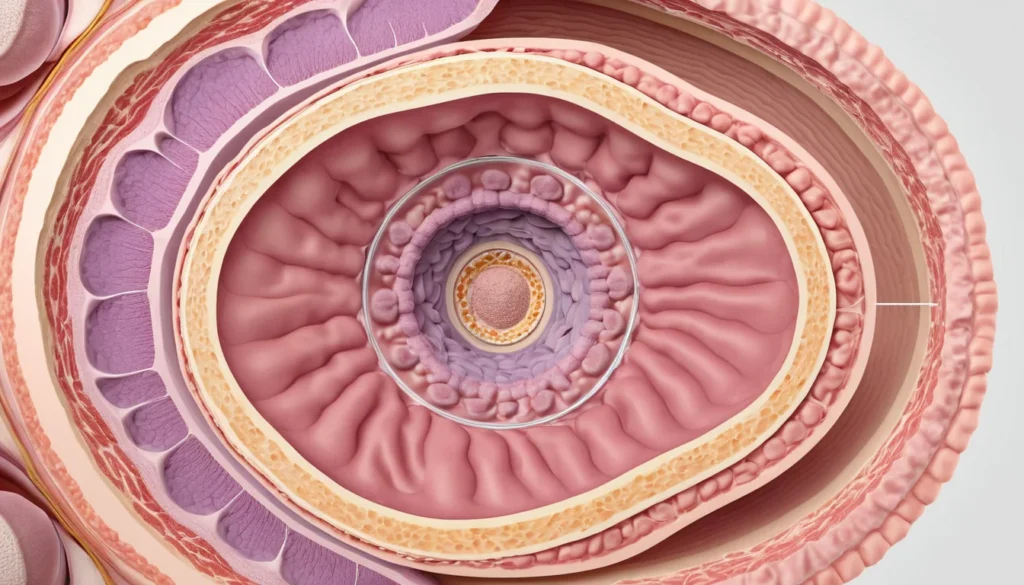
The uterus has two main layers. The inner layer is called the endometrium, and it sheds during your period each month. The outer layer is called the myometrium — it is the thick muscle wall of the uterus.
In adenomyosis, endometrial tissue grows directly into the myometrium. When your period comes, that misplaced tissue still responds to hormones and bleeds — but it has nowhere to go. As a result, the uterine wall becomes swollen, thickened, and tender.
Adenomyosis is sometimes described as a form of endometriosis, though they are not exactly the same. In endometriosis, tissue grows outside the uterus entirely. In adenomyosis, the tissue stays within the uterine wall. However, both conditions can occur together in the same person.
Common Symptoms of Adenomyosis
Symptoms can range from mild to severe. Some people have no symptoms at all, while others experience significant pain and heavy bleeding every month.
The most common symptoms of adenomyosis include:
Heavy menstrual bleeding — soaking through pads or tampons quickly, or passing large clots
Prolonged periods — bleeding that lasts longer than seven days
Severe menstrual cramps — pain that gets worse over time
Pelvic pressure or bloating — a feeling of heaviness in the lower abdomen
Pain during intercourse — particularly around the time of your period
An enlarged uterus — your doctor may detect this during a pelvic exam
It is important to note that heavy or painful periods are not something you simply have to endure. These symptoms deserve proper medical attention, and effective treatment options do exist.
Can Adenomyosis Affect Fertility?
Adenomyosis may make it harder to conceive or carry a pregnancy. The thickened, inflamed uterine wall can interfere with how a fertilised egg implants. However, many people with adenomyosis do become pregnant successfully, especially with the right medical support.
If you are trying to conceive and suspect you may have this condition, speak with your family doctor or ask for a referral to a gynaecologist as soon as possible.
What Causes Adenomyosis?
Researchers do not yet fully understand what causes adenomyosis. However, several theories exist about how it develops.
One common theory is that endometrial tissue invades the uterine muscle during a uterine surgery, such as a C-section or fibroid removal. Another theory suggests that endometrial cells are present in the uterine muscle from birth. Furthermore, some researchers believe that inflammation after childbirth may trigger the condition.
Adenomyosis is most often diagnosed in people in their 40s and 50s, particularly those who have given birth before. However, it can affect younger people as well, including teenagers and those who have never been pregnant.
Risk Factors to Know
Certain factors may increase the likelihood of developing adenomyosis. These include:
Previous uterine surgeries, including C-sections or dilation and curettage (D&C)
Having given birth one or more times
Being between the ages of 40 and 50
A personal history of endometriosis or uterine fibroids
That said, adenomyosis can develop in anyone with a uterus, regardless of these risk factors. For more information on uterine health conditions, visit the Health Canada official health resources.
How Is Adenomyosis Diagnosed?
Diagnosing adenomyosis can take time. Many of its symptoms overlap with other conditions, such as endometriosis, uterine fibroids, or even polycystic ovary syndrome (PCOS). This is one reason why many Canadians wait years before receiving a diagnosis.
Your family doctor or gynaecologist will typically start with a pelvic exam. A soft, slightly enlarged, and tender uterus can be one sign of adenomyosis. However, imaging tests are usually needed to confirm the diagnosis.
Imaging and Testing Options
The two main imaging tools used to diagnose adenomyosis are:
Ultrasound — A transvaginal ultrasound gives a detailed view of the uterine wall and can show signs of adenomyosis. This is usually the first test ordered.
MRI (Magnetic Resonance Imaging) — An MRI provides a more detailed image and is especially helpful when the diagnosis is uncertain. It is the most accurate non-surgical method for diagnosing adenomyosis.
In some cases, a definitive diagnosis is only confirmed after a hysterectomy, when the uterine tissue is examined in a lab. Therefore, treatment decisions are often made based on symptoms and imaging alone.
If you are waiting for specialist care, walk-in clinics can help manage symptoms in the short term and arrange referrals under your provincial health plan.
Treatment Options for Adenomyosis
The good news is that there are several effective treatment options for adenomyosis. The right choice depends on your symptoms, your age, and whether you want to have children in the future.
Treatment generally falls into two categories: managing symptoms with medication, or surgical options for more severe cases.
Medication and Hormonal Therapies
Many people find relief through hormonal treatments that reduce or stop menstruation. These include:
Hormonal IUD (intrauterine device) — A hormonal IUD, such as Mirena, releases progestin locally. It can significantly reduce bleeding and pain and is one of the most commonly recommended options in Canada.
Birth control pills or patches — Combined hormonal contraceptives can help regulate and reduce period-related symptoms.
GnRH agonists — These medications temporarily stop the body from producing estrogen, putting you in a temporary menopause-like state. They are effective but are typically used short-term due to side effects.
Progestin-only therapies — Pills or injections containing progestin can help thin the uterine lining and reduce symptoms.
Anti-inflammatory medications — Nonsteroidal anti-inflammatory drugs (NSAIDs) like ibuprofen can ease pain during your period, though they do not treat the underlying condition.
In addition, iron supplements may be recommended if heavy bleeding has led to iron-deficiency anaemia. Your family doctor can check your iron levels with a simple blood test covered under most provincial health plans.
Surgical Options
For those who do not respond to medication or who have completed their families, surgery may be considered.
Endometrial ablation — This procedure destroys the uterine lining and can reduce heavy bleeding. However, it is not recommended for people who may want to become pregnant in the future.
Hysterectomy — The surgical removal of the uterus is the only permanent cure for adenomyosis. It is typically considered when other treatments have not worked and symptoms are severely affecting quality of life.
Discussing all options thoroughly with a gynaecologist is essential before making any decisions. You have the right to a second opinion within the Canadian healthcare system. For a deeper look at surgical options, Mayo Clinic’s adenomyosis treatment guide offers a helpful overview.
Living With Adenomyosis
Managing adenomyosis is an ongoing process. Many Canadians live full, active lives with this condition by working closely with their healthcare team and making some lifestyle adjustments.
Heat therapy — such as a heating pad on the lower abdomen — can help ease cramps during your period. Regular, gentle exercise like walking or yoga can also reduce pelvic tension and improve overall wellbeing. Furthermore, tracking your symptoms in a journal or period-tracking app can help your doctor identify patterns and adjust your treatment plan.
Mental health matters too. Chronic pain and heavy periods can take a toll on your mood, relationships, and ability to work. Do not hesitate to ask your family doctor for a referral to a counsellor or psychologist. Many provincial health plans offer some coverage for mental health support.
Connecting with others who share your experience can also help. Online communities and patient advocacy groups for endometriosis and adenomyosis are active across Canada and can provide valuable peer support.
When to See a Doctor About Adenomyosis
You should speak with a healthcare provider if you notice any of the following:
Periods that are significantly heavier than usual or last longer than seven days
Severe cramps that interfere with your daily activities or work
Pelvic pain that continues outside of your period
Pain during or after intercourse
Difficulty getting pregnant after trying for 12 months or more
Start by booking an appointment with your family doctor. If you do not have a family doctor, a walk-in clinic can assess your symptoms and refer you to a gynaecologist through your provincial health plan. You do not have to suffer in silence — early diagnosis leads to better outcomes.
As always, this article is for informational purposes only. Please consult your doctor or a qualified healthcare professional for advice specific to your situation. You can also explore Healthline’s detailed adenomyosis resource for further reading.
Frequently Asked Questions About Adenomyosis
What is the difference between adenomyosis and endometriosis?
Adenomyosis occurs when endometrial tissue grows into the muscular wall of the uterus. Endometriosis, on the other hand, involves endometrial-like tissue growing outside the uterus entirely, such as on the ovaries or fallopian tubes. Both conditions can cause painful, heavy periods, and they can occur together in the same person.
Can adenomyosis go away on its own?
Adenomyosis does not typically go away on its own, but symptoms often improve significantly after menopause. This is because the condition is fuelled by estrogen, and estrogen levels drop naturally after menopause. Until then, medical or surgical treatments can help manage symptoms effectively.
Is adenomyosis a serious condition?
Adenomyosis is not life-threatening, but it can seriously affect your quality of life. Severe pain and heavy bleeding can interfere with work, relationships, and mental health. With proper treatment, most people are able to manage their symptoms well.
Can you get pregnant if you have adenomyosis?
Many people with adenomyosis do conceive and carry healthy pregnancies. However, the condition can make fertility more challenging in some cases. Speaking with a gynaecologist or fertility specialist early is a good step if you are planning to become pregnant.
How is adenomyosis treated in Canada?
In Canada, adenomyosis is treated through a combination of hormonal therapies, pain management, and in more severe cases, surgery. A hormonal IUD is often a first-line treatment recommended by Canadian gynaecologists. Hysterectomy remains the only permanent cure and is considered when other options have not provided relief.
What does adenomyosis pain feel like?
Adenomyosis pain is often described as intense menstrual cramping that worsens over time. Many people also feel a heavy pressure or bloating in the lower abdomen, especially during their period. Some experience ongoing pelvic discomfort or sharp pain during intercourse as well.
Key Takeaways
Adenomyosis occurs when endometrial tissue grows into the muscular wall of the uterus, causing heavy and painful periods.
Common symptoms include heavy bleeding, severe cramps, pelvic pressure, and pain during intercourse.
The exact cause is not fully understood, but hormones, previous uterine surgeries, and childbirth may play a role.
Diagnosis is usually made through ultrasound or MRI, ordered by your family doctor or gynaecologist.
Effective treatments range from hormonal therapies and pain management to surgical options, depending on your needs and goals.
If symptoms are affecting your quality of life, speak with your family doctor or visit a walk-in clinic to start the referral process under your provincial health plan.
You are not alone — and with the right support, adenomyosis can be managed effectively.