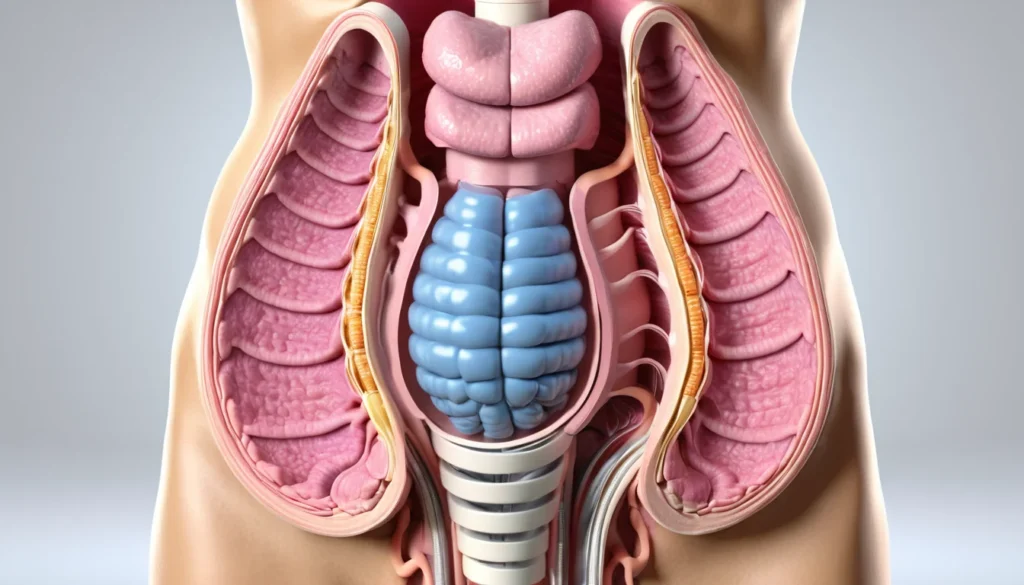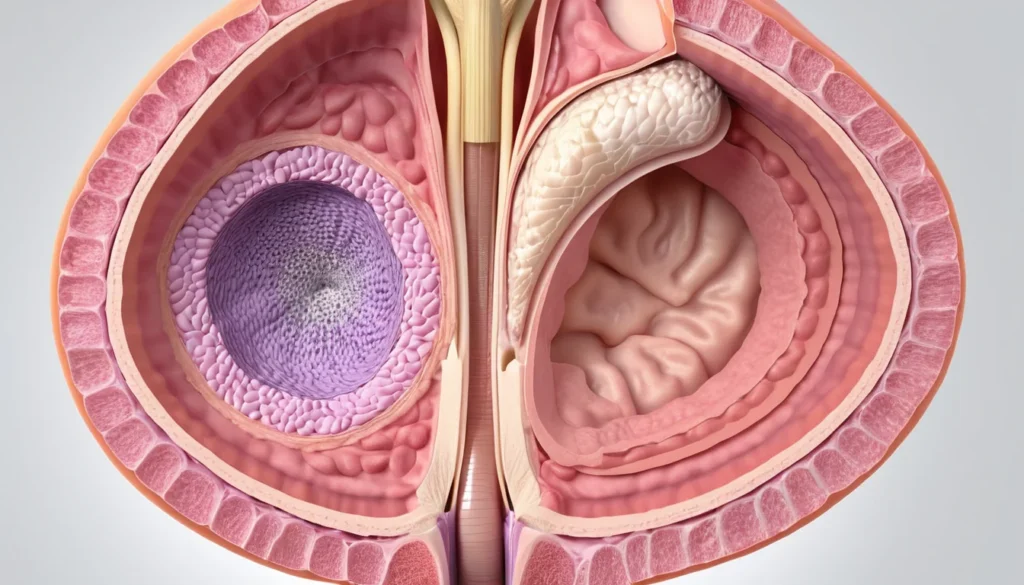
Adenomyosis is a condition where the tissue that normally lines the inside of the uterus begins to grow into the muscular wall of the uterus itself. This can cause the uterus to become enlarged, tender, and painful. For many Canadian women, adenomyosis leads to heavy menstrual bleeding, severe cramps, and ongoing pelvic discomfort. This article explains what adenomyosis is, what causes it, how it is diagnosed, and what treatment options are available through the Canadian healthcare system.
What Is Adenomyosis?
The uterus has two main layers. The inner layer is called the endometrium, which is the lining that sheds each month during a period. The outer layer is made of thick muscle called the myometrium.
In adenomyosis, endometrial tissue — the same kind that lines the uterus — grows directly into this muscle wall. Each month, this misplaced tissue responds to hormones just like normal endometrial tissue does. However, unlike normal tissue, it has nowhere to go. As a result, it causes inflammation, swelling, and scarring inside the uterine muscle.
Adenomyosis can affect the entire uterine wall or only part of it. In some cases, the tissue forms a concentrated mass called an adenomyoma. This is a tumour made primarily of glandular tissue combined with smooth muscle tissue. Although the word “tumour” can sound alarming, adenomyomas are not cancerous.
According to Mayo Clinic’s overview of adenomyosis, this condition is most commonly found in women in their 40s and 50s, though it can affect younger women as well.
Common Symptoms of Adenomyosis
Some women with adenomyosis have no symptoms at all. However, many experience a range of signs that can significantly affect daily life and overall well-being.
The most commonly reported symptoms include:
Heavy or prolonged menstrual bleeding — periods that soak through pads or tampons quickly
Severe menstrual cramps — pain that feels sharper or more intense than typical period discomfort
Chronic pelvic pain — a dull, aching pressure in the lower abdomen that lasts throughout the month
An enlarged uterus — some women notice their lower abdomen feels bloated or tender to the touch
Pain during sex — particularly with deep penetration
Spotting between periods — light bleeding outside of a normal menstrual cycle
These symptoms often worsen over time. Therefore, it is important not to dismiss heavy bleeding or persistent pelvic pain as simply “bad periods.” Many Canadian women live with undiagnosed adenomyosis for years before receiving proper care.
How Adenomyosis Differs from Endometriosis
Adenomyosis and endometriosis are related but different conditions. In endometriosis, tissue similar to the uterine lining grows outside the uterus — on the ovaries, fallopian tubes, or other pelvic organs. In adenomyosis, that same type of tissue grows within the uterine muscle wall itself.
Both conditions can cause painful periods and heavy bleeding. Furthermore, some women have both conditions at the same time. However, they require different diagnostic approaches and may need different treatments.
What Causes Adenomyosis?
Researchers do not yet fully understand what causes adenomyosis. However, several theories exist about how and why it develops.
Possible Causes and Risk Factors
One common theory suggests that adenomyosis begins during foetal development. Endometrial tissue may be deposited within the uterine muscle before birth and become active during the reproductive years when hormone levels rise.
Another theory involves uterine inflammation after childbirth. This inflammation may disrupt the boundary between the inner lining and the muscle wall, allowing endometrial cells to migrate inward.
Some researchers also believe that stem cells in the uterine muscle wall may develop abnormally, leading to adenomyosis.
Known risk factors include:
Age — adenomyosis is more common in women between 35 and 50 years old
Prior pregnancies — women who have given birth appear to be at higher risk
Previous uterine surgery — including caesarean sections or procedures to remove fibroids
Oestrogen levels — the condition tends to improve after menopause, when oestrogen declines
In addition, some studies suggest a link between adenomyosis and conditions such as uterine fibroids or endometriosis, though the exact relationship is still being researched.
How Is Adenomyosis Diagnosed?
Diagnosing adenomyosis can be challenging. For many years, a definitive diagnosis required a hysterectomy — surgical removal of the uterus — so that the tissue could be examined under a microscope.
Today, however, doctors use imaging tools that allow them to identify adenomyosis without surgery in most cases.
Diagnostic Tools Used in Canada
Your family doctor may begin by reviewing your symptoms and performing a pelvic exam. If your uterus feels enlarged or tender, they will likely refer you for further testing.
The most common diagnostic tools include:
Transvaginal ultrasound — a wand-shaped device is gently inserted into the vagina to produce detailed images of the uterus
MRI (Magnetic Resonance Imaging) — this provides a clearer picture of the uterine wall and helps distinguish adenomyosis from fibroids
These tests are generally covered under provincial health plans across Canada, though wait times may vary depending on your province or territory. Your family doctor or gynaecologist will guide you through the referral process.
For more information on diagnostic imaging in Canada, you can visit Health Canada’s official health information portal.
Treatment Options for Adenomyosis
There is no one-size-fits-all treatment for adenomyosis. The right approach depends on how severe your symptoms are, your age, and whether you plan to have children in the future.
Treatment options range from medication and hormonal therapy to surgical procedures. Many women manage their symptoms effectively without surgery, especially if they are approaching menopause.
Non-Surgical Treatments
For mild to moderate symptoms, doctors often recommend non-surgical options first. These include:
Anti-inflammatory medications — such as ibuprofen, taken a few days before and during your period to reduce pain and bleeding
Hormonal birth control — pills, patches, or the hormonal IUD (intrauterine device) can reduce or stop menstrual bleeding and relieve pain
GnRH agonists — these medications temporarily lower oestrogen levels and can shrink the affected tissue, though they are generally used short-term due to side effects
Progestin therapy — progestin-only pills or injections can help manage symptoms by thinning the uterine lining
The hormonal IUD, in particular, has shown strong results for many women. It is widely available through family doctors and gynaecologists across Canada and is covered under most provincial drug benefit programmes for eligible patients.
Surgical Treatments
When symptoms are severe and do not respond to other treatments, surgery may be considered. Options include:
Endometrial ablation — a procedure that destroys the uterine lining; suitable for women who do not wish to become pregnant
Uterine artery embolisation — a minimally invasive procedure that cuts off blood supply to the affected tissue
Hysterectomy — surgical removal of the uterus; this is the only permanent cure for adenomyosis and is generally considered when other options have not worked
A hysterectomy is a major decision. Therefore, it is important to discuss all available options thoroughly with your gynaecologist before proceeding. Healthline’s guide on adenomyosis treatments offers a helpful overview of what to expect from each approach.
Living with Adenomyosis in Canada
Adenomyosis can affect your physical health, emotional well-being, and daily activities. Many women report missing work or social events due to heavy bleeding or pain. This can lead to feelings of frustration, anxiety, or isolation.
Fortunately, support is available. Speaking openly with your family doctor is a strong first step. They can refer you to a gynaecologist, connect you with pain management resources, or discuss mental health support if needed.
In addition, some lifestyle changes may help manage symptoms. Staying active, eating a balanced diet rich in fibre and anti-inflammatory foods, and reducing stress can all support your overall health. These changes will not cure adenomyosis, but they may help you feel better day to day.
If you are trying to conceive, speak with your doctor about your options. Adenomyosis can sometimes affect fertility, though many women with the condition do successfully become pregnant. A referral to a fertility specialist may be appropriate in some cases.
When to See a Doctor
You should speak with a healthcare provider if you experience any of the following:
Periods that are unusually heavy or last longer than seven days
Severe cramping that does not improve with over-the-counter pain relievers
Ongoing pelvic pain outside of your menstrual cycle
Bleeding between periods
Pain during or after sex
Start by booking an appointment with your family doctor. If you do not have a family doctor, a walk-in clinic can assess your symptoms and provide a referral if needed. Early diagnosis and treatment of adenomyosis can make a significant difference in your quality of life.
Always consult a qualified healthcare professional before starting or stopping any treatment. Your doctor knows your full health history and is best placed to guide your care.
Frequently Asked Questions About Adenomyosis
Can adenomyosis go away on its own?
Adenomyosis does not typically go away on its own during the reproductive years. However, symptoms often improve significantly after menopause, when oestrogen levels drop and the misplaced tissue can no longer respond to hormonal signals. If your symptoms are manageable, your doctor may recommend monitoring adenomyosis rather than treating it aggressively.
Is adenomyosis the same as fibroids?
No, adenomyosis and uterine fibroids are different conditions, though they can occur at the same time. Fibroids are non-cancerous growths made mostly of muscle tissue that develop in or around the uterus. Adenomyosis involves endometrial-type tissue growing within the uterine muscle wall itself. Both can cause heavy bleeding and pelvic pain, but they require different treatments.
Does adenomyosis affect fertility?
Adenomyosis can sometimes make it harder to become pregnant or carry a pregnancy to term, though many women with the condition do conceive naturally. The condition may affect implantation or uterine function in some cases. If you are trying to conceive and have been diagnosed with adenomyosis, ask your doctor about a referral to a fertility specialist.
How is adenomyosis diagnosed in Canada?
In Canada, adenomyosis is most commonly diagnosed using transvaginal ultrasound or MRI imaging. Your family doctor will typically perform a pelvic exam first and then refer you to a gynaecologist or for imaging if adenomyosis is suspected. These diagnostic tests are generally covered under provincial health plans, though wait times may vary by province.
What is the best treatment for adenomyosis?
The best treatment for adenomyosis depends on your symptoms, age, and whether you want to have children in the future. Many women find relief with hormonal treatments such as the hormonal IUD or birth control pills. For severe symptoms that do not respond to other options, a hysterectomy provides a permanent solution and is the only definitive cure for adenomyosis.
Is adenomyosis a serious condition?
Adenomyosis is not life-threatening and is not cancerous, but it can seriously affect your quality of life. Heavy bleeding, chronic pain, and fatigue can interfere with work, relationships, and daily activities. The good news is that effective treatments are available, and most women with adenomyosis are able to manage their symptoms successfully with the right medical support.
Key Takeaways
Adenomyosis occurs when endometrial-type tissue grows into the muscular wall of the uterus, causing it to enlarge and become inflamed. Common symptoms include heavy periods, severe cramps, chronic pelvic pain, and pain during sex. The exact cause is not fully known, but hormones, prior pregnancies, and uterine surgery may increase risk. Diagnosis is typically done through transvaginal ultrasound or MRI, covered under most provincial health plans. Treatment options range from hormonal therapy and anti-inflammatory medications to surgical procedures, including hysterectomy. Adenomyosis often improves after menopause without surgery. If you have heavy or painful periods, speak with your family doctor or