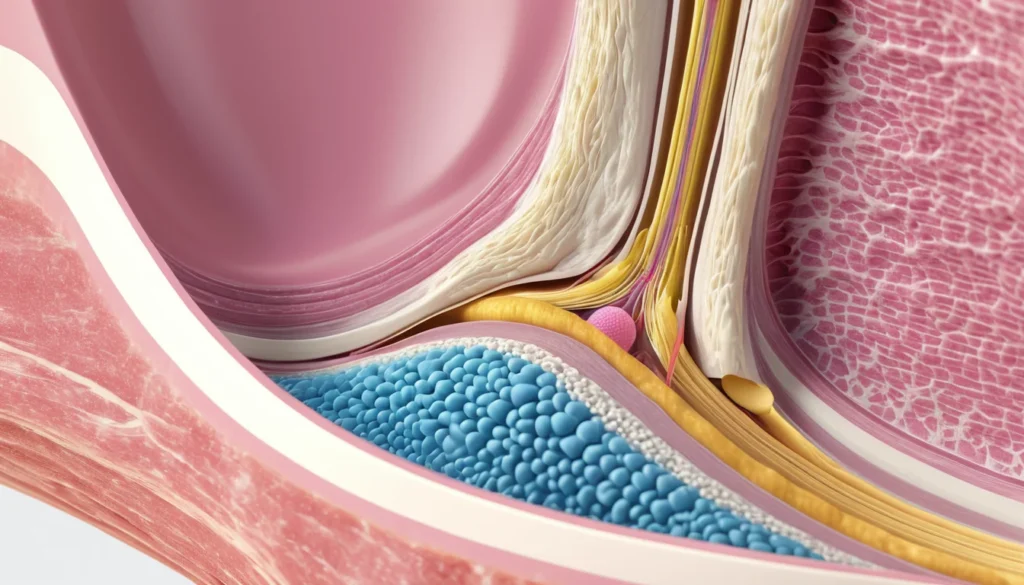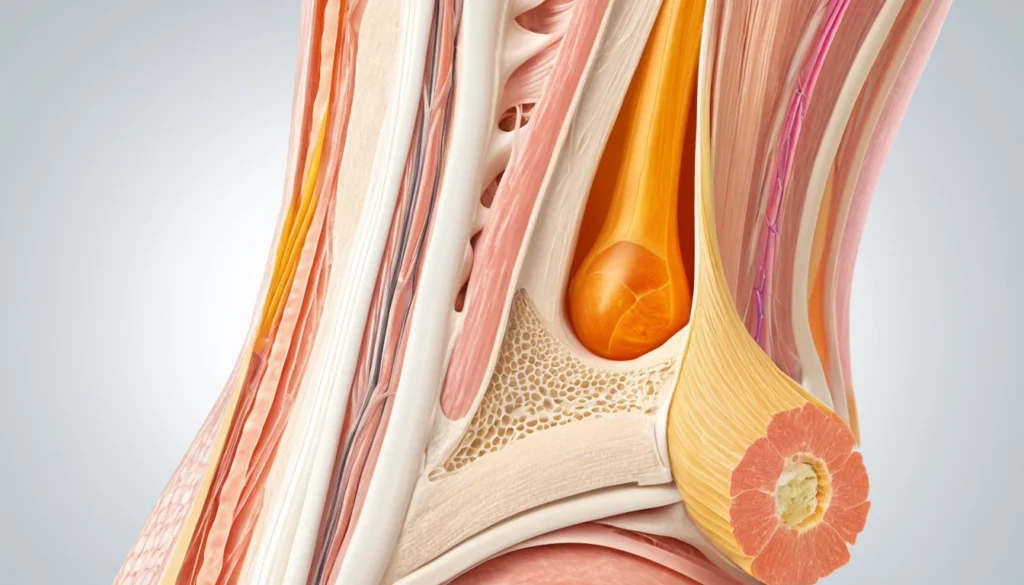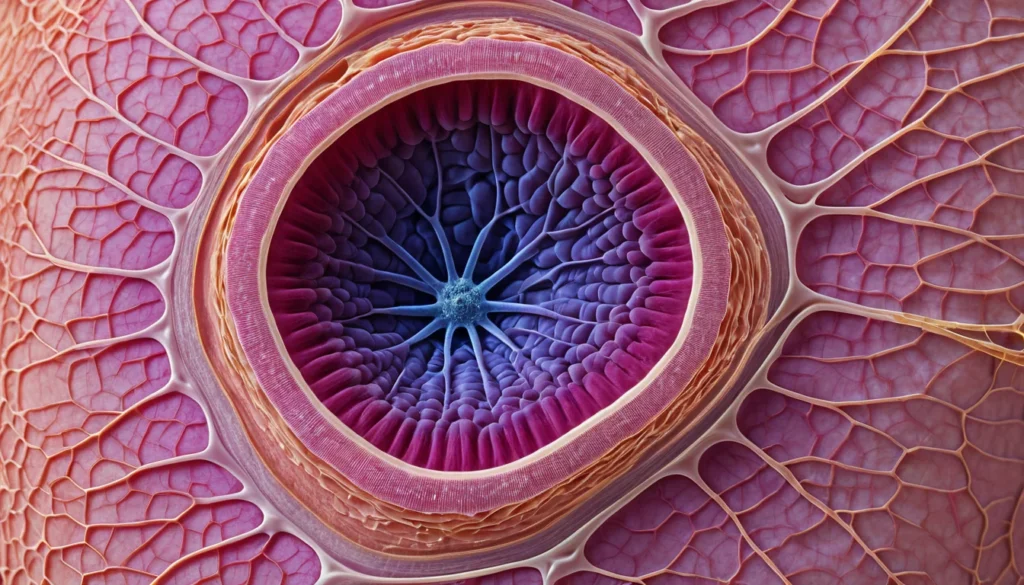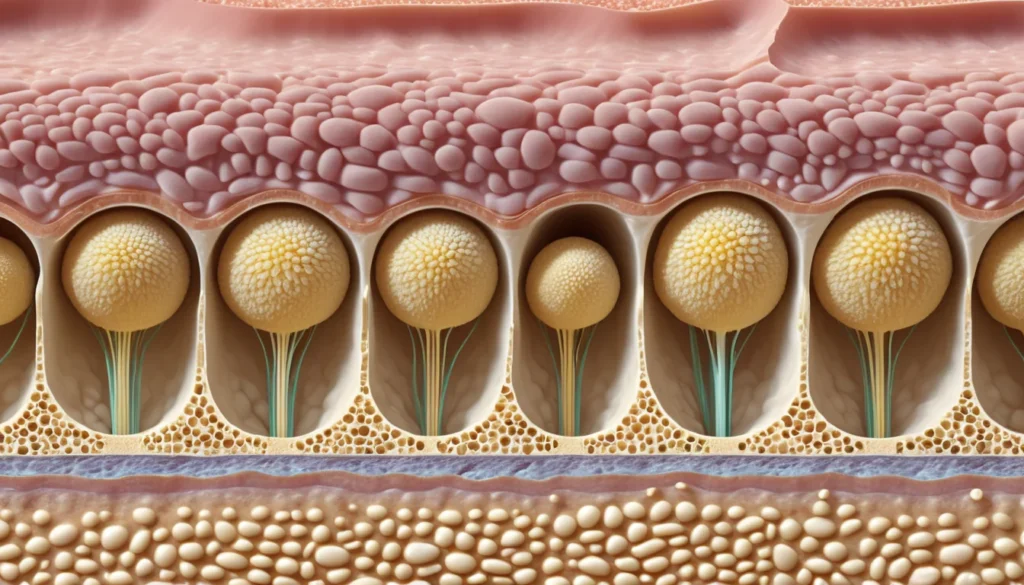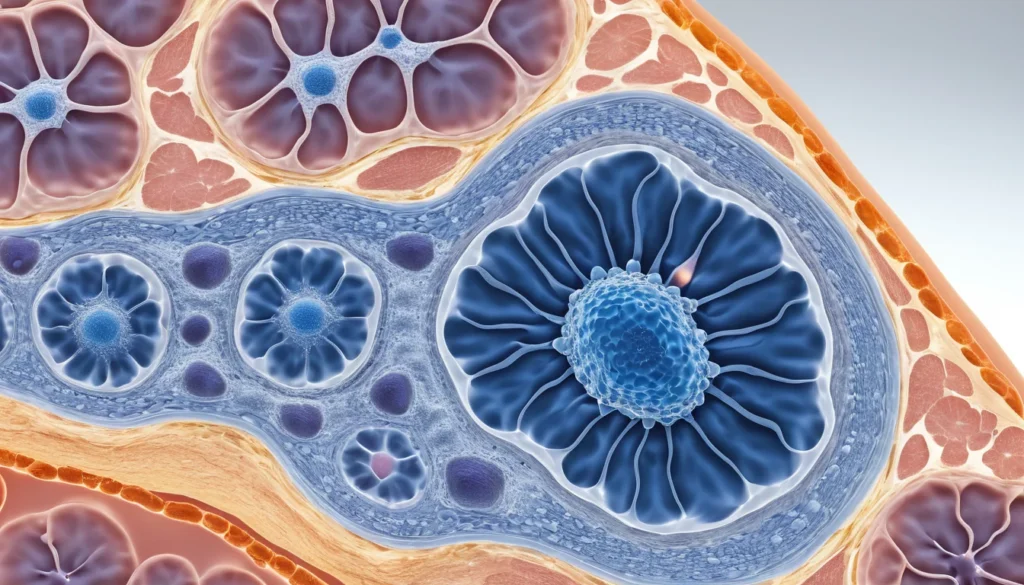
Adenomatosis is a condition where gland tissue grows in an abnormal way, forming multiple nodules or clusters across one or more glands in the body. It involves a process called multinodular adenomatous hyperplasia, which means the cells that make up a gland begin to multiply more than they should. This article explains what adenomatosis is, what causes it, how it is diagnosed, and what your treatment options look like in Canada. As always, speak with your family doctor if you have concerns about any new or unusual symptoms.
What Is Adenomatosis?
Adenomatosis refers to the abnormal overgrowth of glandular tissue, either in the outer lining or the inner working tissue of a gland. The word comes from “adeno,” meaning gland, and “-osis,” meaning a process or condition. In simple terms, it describes a situation where gland cells multiply too much, forming benign (non-cancerous) nodules in more than one spot.
Glands are organs that produce and release substances like hormones, enzymes, or fluids. When their cells grow in an uncontrolled but non-cancerous way, the result is hyperplasia — too many cells. Adenomatosis takes this a step further by producing multiple nodules across the gland’s surface or deeper tissue.
It is important to understand that adenomatosis is not the same as cancer. However, in some cases, close monitoring is necessary. Certain forms of adenomatosis can increase the risk of developing cancer over time, which is why early detection matters.
Types of Adenomatosis
Adenomatosis can affect several different glands in the body. Therefore, there are different forms of the condition depending on which gland is involved. Understanding the type helps doctors choose the right monitoring and treatment approach.
Pulmonary Adenomatosis
This form affects the lungs. It involves the abnormal growth of glandular cells along the lung’s air sacs. Pulmonary adenomatosis has been studied as a precursor to certain types of lung adenocarcinoma, a form of lung cancer. For this reason, doctors take it seriously even when it causes few symptoms early on.
Mammary Adenomatosis
This form affects breast tissue. It can appear as a firm lump or area of thickening in the breast. Mammary adenomatosis is usually benign, but it requires imaging and sometimes a biopsy to rule out more serious conditions. Women who notice any breast changes should visit their family doctor or a walk-in clinic promptly.
Multiple Endocrine Neoplasia (MEN)
Multiple Endocrine Neoplasia is a group of inherited conditions that cause adenomatosis in two or more endocrine glands at the same time. The endocrine system includes glands like the thyroid, parathyroid, pituitary, and adrenal glands. MEN is a genetic condition, meaning it runs in families. According to the Mayo Clinic’s overview of multiple endocrine neoplasia, these tumours are most often benign but can become cancerous in some cases.
Gastric and Colorectal Adenomatosis
Some forms of adenomatosis affect the digestive tract. Familial adenomatous polyposis (FAP), for example, involves hundreds of polyps growing in the colon. These polyps start as benign growths, but without treatment they almost always become cancerous over time. Canadians with a family history of colorectal polyps should speak to their doctor about screening options covered under their provincial health plan.
What Causes Adenomatosis?
The causes of adenomatosis vary depending on the type. However, several key factors are known to play a role in its development. Researchers continue to study why some people develop this condition and others do not.
Genetic Factors
Many forms of adenomatosis have a strong genetic component. For example, familial adenomatous polyposis is caused by a mutation in the APC gene. Multiple Endocrine Neoplasia is also passed down through families. If a close relative has been diagnosed with any form of adenomatosis, you may be at higher risk. Genetic counselling is available in Canada through referrals from your family doctor.
Hormonal Influences
Hormonal changes can trigger or worsen glandular overgrowth. This is especially true in breast and thyroid adenomatosis. Elevated levels of certain hormones can stimulate gland cells to divide more quickly than normal. In addition, hormonal therapies or imbalances may contribute to the development of nodular glandular tissue.
Environmental and Lifestyle Factors
Some environmental exposures may increase the risk of glandular changes. These include long-term exposure to certain chemicals, radiation, or chronic inflammation. Lifestyle factors such as smoking, poor diet, and obesity are also linked to a higher risk of abnormal tissue growth. Eating a diet rich in fibre, vegetables, and whole grains can support overall glandular health.
Symptoms of Adenomatosis
The symptoms of adenomatosis depend greatly on which gland is affected and how advanced the condition is. In many cases, adenomatosis causes no symptoms at all in its early stages. This makes regular screening especially important for those at higher risk.
However, when symptoms do appear, they may include:
A lump or swelling near a gland (for example, in the neck, breast, or abdomen)
Changes in hormone levels, leading to fatigue, weight changes, or mood shifts
Digestive issues such as bloating, cramping, or changes in bowel habits
Respiratory symptoms like a persistent cough or shortness of breath (in pulmonary forms)
Discomfort or a feeling of pressure in the affected area
Unexplained weight loss in more advanced cases
Furthermore, some types of adenomatosis may affect hormone production. As a result, you might notice symptoms that seem unrelated to a specific gland, such as sweating, heart palpitations, or high blood pressure. These symptoms should always be discussed with a healthcare provider.
How Is Adenomatosis Diagnosed?
Diagnosing adenomatosis usually involves a combination of physical examination, imaging, and laboratory tests. Your family doctor will likely start by reviewing your personal and family medical history. From there, they may refer you to a specialist such as an endocrinologist, gastroenterologist, or respirologist depending on which gland is involved.
Imaging Tests
Ultrasound is often the first imaging tool used to examine glandular tissue. It is non-invasive and widely available across Canadian hospitals and diagnostic imaging centres. CT scans or MRI scans may also be ordered for a more detailed picture. These tests help doctors see the size, number, and location of any nodules.
Blood and Hormone Tests
Blood tests can measure hormone levels and detect signs of inflammation or abnormal glandular activity. For example, in thyroid adenomatosis, a TSH (thyroid-stimulating hormone) test is commonly ordered. Elevated or suppressed hormone levels can indicate that the gland is not working properly. These tests are covered under most provincial health plans in Canada.
Biopsy
In some cases, a small tissue sample is taken from the abnormal gland tissue. This is called a biopsy. A pathologist then examines the sample under a microscope to determine whether the cells are benign or potentially cancerous. According to Healthline’s guide to biopsy procedures, biopsies are the most reliable way to confirm a diagnosis and rule out malignancy.
Treatment Options for Adenomatosis
Treatment for adenomatosis depends on the type, location, severity, and whether the condition poses a cancer risk. In many cases, the approach is to monitor rather than immediately treat. However, when treatment is needed, several options are available in Canada.
Watchful Waiting
For mild or stable cases, your doctor may recommend regular monitoring through imaging and blood tests. This approach is called watchful waiting or active surveillance. It avoids the risks of surgery or medication while keeping a close eye on any changes. Your provincial health plan typically covers the follow-up tests needed for ongoing monitoring.
Medications
Hormonal therapies or medications that regulate glandular activity may be prescribed. For example, thyroid adenomatosis is sometimes treated with medications that suppress TSH production. In other forms, anti-inflammatory drugs or targeted therapies may help reduce glandular overgrowth. Your specialist will discuss the best option based on your specific situation.
Surgery
In more advanced cases or when cancer risk is high, surgery may be recommended to remove the affected gland or nodules. For familial adenomatous polyposis, surgical removal of part or all of the colon may be necessary. Surgery is performed in accredited Canadian hospitals and is covered under provincial health insurance plans. Recovery times vary depending on the extent of the procedure.
Genetic Counselling and Family Screening
For inherited forms of adenomatosis, genetic counselling is an important part of the overall care plan. Genetic counsellors can help families understand their risk and decide whether testing is appropriate. In Canada, you can access genetic counselling services through a referral from your family doctor. Health Canada’s health services portal can help you locate services in your province or territory.
When to See a Doctor
You should see a doctor if you notice any unexplained lump, swelling, or persistent discomfort near a gland. Changes in your energy levels, weight, or bowel habits that last more than two weeks are also worth discussing with a healthcare provider. Do not wait to see if symptoms go away on their own.
In Canada, you have several options for accessing care. Your family doctor is the best first point of contact for a thorough assessment and referral. If you do not have a family doctor, a walk-in clinic can evaluate your symptoms and order initial tests. For urgent symptoms such as sudden swelling, difficulty breathing, or significant pain, visit your nearest emergency department or call 911.
Early diagnosis leads to better outcomes. Therefore, regular check-ups and open conversations with your healthcare provider are key parts of managing your long-term health.
Frequently Asked Questions About Adenomatosis
Is adenomatosis the same as cancer?
No, adenomatosis is not cancer. It refers to benign (non-cancerous) overgrowth of glandular tissue. However, some forms of adenomatosis can increase your risk of developing cancer over time, so regular monitoring by your doctor is important.
Can adenomatosis go away on its own?
In some mild cases, adenomatosis may remain stable without treatment. However, it does not typically go away on its own without medical management. Your doctor will recommend the best approach, which may include monitoring, medication, or surgery depending on the type and severity.
Is adenomatosis hereditary?
Several forms of adenomatosis have a strong genetic component and run in families. Conditions such as Multiple Endocrine Neoplasia and familial adenomatous polyposis are caused by specific gene mutations. If adenomatosis runs in your family, speak to your doctor about genetic counselling and screening options.
What glands can adenomatosis affect?
Adenomatosis can affect many different glands, including the lungs, breasts, thyroid, parathyroid, pituitary, adrenal glands, and the lining of the digestive tract. The symptoms and treatment options depend on which gland is involved. A specialist referral from your family doctor can help identify the affected area.
How is adenomatosis diagnosed in Canada?
Diagnosis typically involves a physical exam, blood tests, imaging such as ultrasound or MRI, and sometimes a biopsy. Most of these tests are covered under provincial health plans across Canada. Your family doctor can order initial tests and refer you to the appropriate specialist.
What is the treatment for adenomatosis?
Treatment for adenomatosis ranges from watchful waiting and medication to surgery, depending on the type and severity. Many Canadians with stable, low-risk adenomatosis are simply monitored with regular imaging and blood tests. For higher-risk cases, your specialist will discuss surgical or medical treatment options with you.
Key Takeaways
Adenomatosis is a condition involving abnormal, non-cancerous overgrowth of glandular tissue, often forming multiple nodules.
It can affect many glands, including the thyroid, breasts, lungs, and digestive tract.
Common causes include genetic mutations, hormonal imbalances, and environmental factors.
Many cases cause no symptoms early on, making regular screening especially important for those with a family history.
Diagnosis involves imaging, blood tests, and sometimes a biopsy, most of which are covered by provincial health plans in Canada.
Treatment ranges from active monitoring to medication or surgery, depending on the type and risk level.
Always consult your family doctor or visit a walk-in clinic if you notice any unexplained lumps, swelling, or persistent changes in your health. Early action leads to better outcomes.
This article is for informational purposes only and does not replace professional medical advice. Please consult your family doctor or a qualified healthcare provider for diagnosis and treatment tailored to your individual needs. For more information on glandular health and related conditions, visit the World Health Organization’s health topics library.