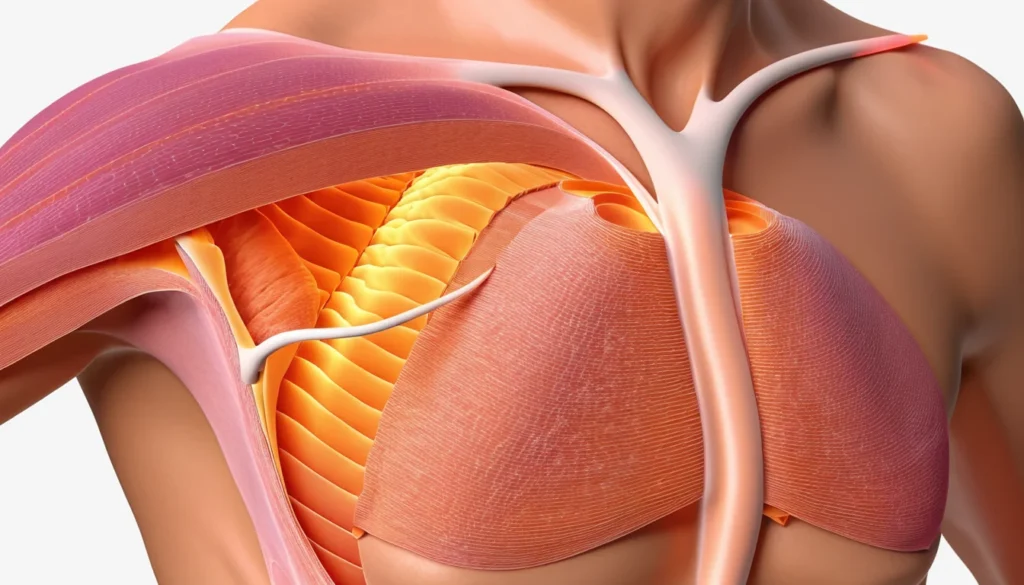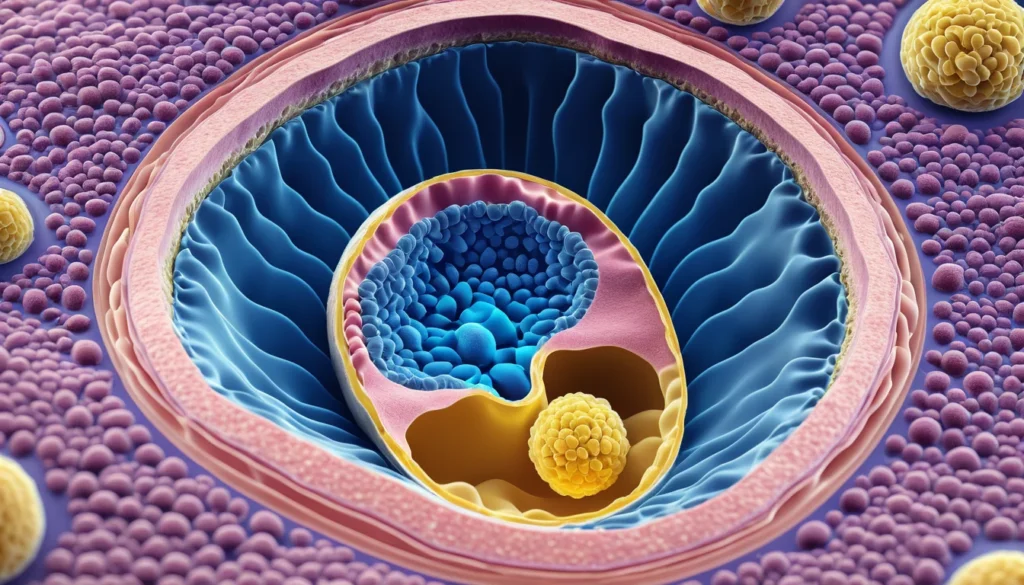
An adenoma is a benign (non-cancerous) tumour that grows from glandular tissue. It can develop in many parts of the body, including the colon, kidneys, liver, breast, prostate, and pancreas. While most adenomas are harmless, some can grow large or turn cancerous over time. Understanding what an adenoma is — and when to seek care — can make a real difference in your health outcomes.
What Is an Adenoma?
The word “adenoma” comes from the Greek word for gland. An adenoma is a tumour made up of epithelial cells — the cells that line glands and organs throughout your body. It reproduces the structure of the gland it grows from, which is why doctors can often identify where it started.
Adenomas are classified as benign, meaning they do not invade nearby tissue or spread to other parts of the body the way cancers do. However, benign does not always mean harmless. Some adenomas can press on nearby organs, disrupt hormone production, or, in some cases, become malignant (cancerous) over time.
According to Mayo Clinic, benign tumours like adenomas are among the most common types of abnormal growths found in the body. Early detection remains one of the best ways to manage them effectively.
Where Can an Adenoma Develop?
One of the most important things to understand about an adenoma is that it can grow almost anywhere in the body that has glandular tissue. This makes it a wide-ranging concern across many medical specialties.
Common locations where adenomas develop include:
Colon and rectum: Colon polyps are often adenomas. They are one of the most frequently detected types in Canada.
Thyroid gland: Thyroid adenomas can affect hormone levels and may cause noticeable symptoms.
Adrenal glands: These adenomas sometimes produce excess hormones, leading to conditions like Cushing’s syndrome.
Pituitary gland: A pituitary adenoma can affect growth, reproduction, and metabolism.
Liver: Hepatic adenomas are less common but can occur, especially in people who take certain medications.
Breast, kidneys, and prostate: These organs can also develop adenomas, often detected during routine screening.
Furthermore, adenomas can also grow in the mucous membranes of the uterus and digestive tract. The location of an adenoma largely determines how it is found and how it is treated.
Types of Adenoma
Tubular and Villous Adenomas
In the colon, adenomas are often described by their shape. Tubular adenomas are the most common and tend to carry a lower risk of becoming cancerous. Villous adenomas, on the other hand, have a finger-like, feathery structure and carry a higher risk of turning malignant.
Tubulovillous adenomas combine features of both types. Your doctor will assess the type and size of a colon adenoma to determine how closely you need to be monitored.
Functioning and Non-Functioning Adenomas
Adenomas in endocrine glands — such as the thyroid, pituitary, or adrenal glands — are often described as either “functioning” or “non-functioning.” A functioning adenoma actively produces hormones, which can lead to a wide range of symptoms. A non-functioning adenoma does not produce hormones, so it may go unnoticed for a long time.
For example, a functioning pituitary adenoma might cause abnormal growth or changes in reproductive health. Therefore, any suspected hormonal imbalance should be investigated promptly.
Multiple Adenomas
In some cases, a person may develop multiple adenomas at once. This is particularly important in the colon, where multiple adenomas significantly increase the risk of colorectal cancer. Certain inherited conditions, such as familial adenomatous polyposis (FAP), cause hundreds of colon adenomas to form and require careful, lifelong monitoring.
Symptoms of an Adenoma
Many adenomas cause no symptoms at all, especially when they are small. In fact, a large number are discovered by chance during routine tests or imaging done for another reason. However, symptoms can appear depending on the size and location of the adenoma.
General signs to watch for include:
A lump or swelling you can feel under the skin
Changes in bowel habits or blood in the stool (for colon adenomas)
Unexplained weight gain or loss
Fatigue or weakness
Hormonal symptoms such as irregular periods, unusual hair growth, or changes in blood pressure
Headaches or vision problems (for pituitary adenomas)
In addition, some adenomas in the digestive tract can cause discomfort, bloating, or a feeling that the bowel has not fully emptied. These symptoms should never be ignored.
As noted by Healthline’s overview of adenomas, many people live with an adenoma for years without knowing it. This highlights the importance of regular health check-ups and screening programmes.
How Is an Adenoma Diagnosed?
Diagnosing an adenoma usually involves a combination of physical examination and medical tests. Your family doctor or specialist will choose the right approach based on where the adenoma is suspected to be.
Physical Examination
For adenomas close to the surface — such as those in the thyroid or breast — a doctor may detect a lump through physical palpation (pressing gently on the area). For adenomas in the rectum or lower bowel, a rectal examination may be performed. These are quick, in-office procedures.
Imaging Tests
Ultrasound is one of the most commonly used tools to confirm the presence of an adenoma and assess its size and character. CT scans and MRI scans provide more detailed images, especially for deeper adenomas in the liver, kidneys, or brain. These tests are widely available through provincial health plans across Canada.
Biopsy
A biopsy is the definitive way to confirm that a tumour is benign. During a biopsy, a small sample of tissue is taken and examined under a microscope. This test confirms whether the growth is truly an adenoma or whether it has begun to develop cancerous cells.
In some cases, a colonoscopy allows doctors to both visualise and remove colon adenomas at the same time — making it a powerful diagnostic and treatment tool in one procedure.
Treatment Options for Adenoma
Treatment for an adenoma depends on its type, size, location, and the risk it poses to your health. Not all adenomas require immediate treatment. However, those that are large, symptomatic, or at risk of becoming cancerous will typically need to be removed.
Surgical Removal
For adenomas in solid organs such as the kidneys, liver, or adrenal glands, surgical removal is the standard treatment. A surgeon will remove the adenoma while preserving as much of the surrounding healthy tissue as possible. Recovery time varies depending on the complexity of the procedure.
Endoscopic Removal
Adenomas located in the mucous membranes — such as those in the colon or uterus — can often be removed using an endoscope. This is a thin, flexible tube with a camera and surgical tools attached. Endoscopic removal is minimally invasive and usually does not require a hospital stay overnight.
For colon adenomas, this procedure is called a polypectomy. It is performed during a colonoscopy and is covered under most provincial health plans in Canada.
Monitoring and Watchful Waiting
Some small, non-functioning adenomas that pose little immediate risk may simply be monitored over time. Your doctor will schedule regular imaging tests to check whether the adenoma is growing. As a result, catching any changes early becomes the primary goal of this approach.
For information on cancer screening programmes available in your province, you can visit Health Canada for guidance on national health initiatives and resources.
Can an Adenoma Become Cancerous?
This is one of the most important questions people ask after receiving an adenoma diagnosis. The honest answer is: it depends.
Most adenomas remain benign throughout a person’s life. However, some do have the potential to transform into a malignant tumour called an adenocarcinoma. The larger the adenoma, the greater the risk of this transformation. Multiple adenomas — especially in the colon — also carry a significantly higher cancer risk.
Villous adenomas in the colon, for instance, have a notably higher rate of malignant transformation compared to tubular adenomas. This is why doctors take adenoma size and type into account when deciding on a treatment plan. Furthermore, people with a family history of colorectal cancer or inherited polyposis conditions should be screened earlier and more frequently.
The good news is that removing an adenoma before it becomes cancerous is highly effective. Regular screening, particularly colonoscopy for those over 50 or those with risk factors, remains one of the best tools available to Canadians for preventing colorectal cancer.
When to See a Doctor
You should speak with your family doctor if you notice any unusual lumps, changes in bowel habits, unexplained hormonal symptoms, or any other signs that concern you. Do not wait for symptoms to get worse before seeking care.
If you do not have a family doctor, a walk-in clinic can be a good first step. A healthcare provider there can assess your symptoms, order initial tests, and refer you to a specialist if needed. Most provinces also offer nurse practitioner-led clinics that can help with this kind of assessment.
In addition, if you are 50 or older, or have a family history of colon cancer or polyps, ask your doctor about getting a colonoscopy. In many provinces, colorectal cancer screening is offered through organised provincial screening programmes. Early detection truly saves lives.
As always, this article is for informational purposes only. Please consult a qualified healthcare provider for personal medical advice, diagnosis, or treatment.
Frequently Asked Questions About Adenoma
What is an adenoma and is it dangerous?
An adenoma is a benign tumour that grows from glandular tissue. Most adenomas are not immediately dangerous, but some can grow large enough to cause symptoms or, in certain cases, become cancerous over time. Regular monitoring by a doctor is important to catch any changes early.
Can an adenoma turn into cancer?
Yes, some adenomas can transform into a malignant tumour called an adenocarcinoma, though this does not happen in every case. The risk is higher with larger adenomas, multiple adenomas, or certain types such as villous adenomas in the colon. Removing an adenoma early is the most effective way to prevent cancerous change.
How is an adenoma treated?
Treatment for an adenoma depends on its location and size. Adenomas in the colon are often removed during a colonoscopy, while those in solid organs may require surgery. Some small adenomas are simply monitored over time with regular imaging tests.
What are the symptoms of an adenoma?
Many adenomas cause no symptoms and are found by chance. When symptoms do occur, they may include a noticeable lump, changes in bowel habits, hormonal imbalances, or fatigue, depending on where the adenoma is located. If you notice any of these signs, speak with your family doctor or visit a walk-in clinic.
Are colon adenomas common in Canada?
Yes, colon adenomas are among the most commonly detected benign growths in Canada. They are typically found during routine colonoscopies, which are recommended for adults over 50 or those with a family history of colorectal cancer. Provincial screening programmes across Canada aim to catch these growths before they become a serious concern.
Do I need surgery if I have an adenoma?
Not always — many adenomas are removed through minimally invasive procedures such as endoscopy rather than open surgery. However, adenomas in solid organs like the liver or kidneys may require a surgical procedure. Your doctor will recommend the most appropriate approach based on the type and size of your adenoma.
Key Takeaways
An adenoma is a benign tumour that grows from glandular tissue and can develop in many organs, including the colon, thyroid, liver, and kidneys.
Most adenomas are non-cancerous, but larger adenomas and certain types carry a higher risk of becoming malignant over time.
Diagnosis usually involves physical examination, ultrasound or other imaging, and a biopsy to confirm the benign nature of the growth.
Treatment ranges from endoscopic removal for colon adenomas to surgical removal for those in solid organs; small adenomas may simply be monitored.
Multiple adenomas, especially in the colon, significantly increase the risk of colorectal cancer and require close follow-up.
Canadians over 50 or those with a family history of colon cancer should discuss colorectal screening with their family doctor or through their provincial health programme.
Always consult a healthcare professional for personal medical advice. A family doctor, specialist, or walk-in clinic can guide you toward the right care.