Adenoid removal surgery, also called an adenoidectomy, is one of the most common procedures performed on children in Canada. It involves removing small tissue pads at the back of the nasal passage. Doctors recommend it when enlarged adenoids cause breathing problems, repeated ear infections, or disrupted sleep. This article explains what the surgery involves, who needs it, what to expect, and how to recover safely.
What Are Adenoids?
Adenoids are small lumps of tissue that sit at the back of the throat, high up behind the nose. They are part of the immune system and help the body fight infection — especially in early childhood.
However, adenoids can become swollen or enlarged. This often happens after repeated infections. In some children, they stay enlarged even after the illness has passed.
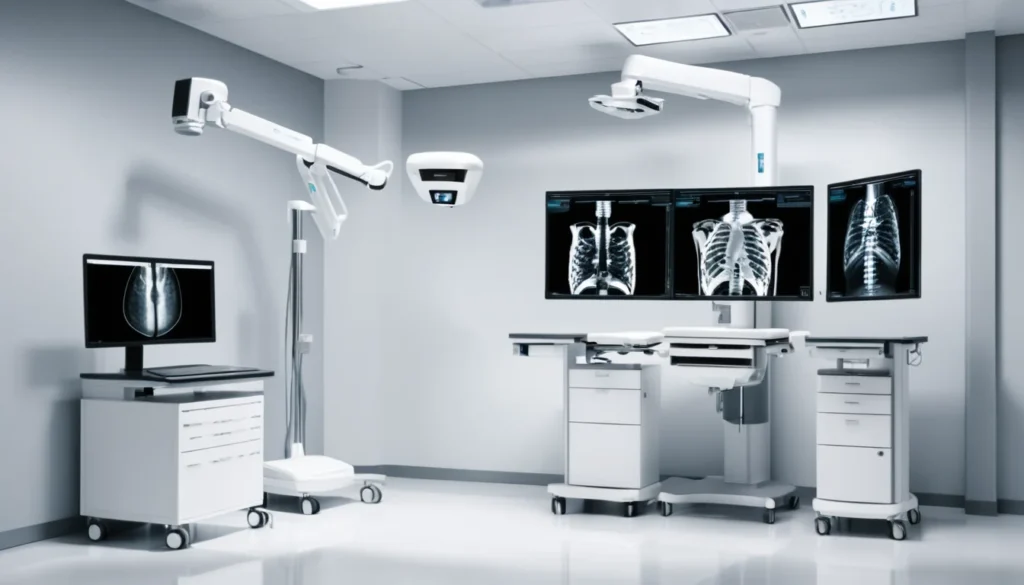
Unlike tonsils, you cannot see adenoids simply by opening your mouth. A doctor uses a small camera or X-ray to check their size. In Canada, your family doctor can refer your child to an ear, nose, and throat (ENT) specialist for this assessment.
Why Do Adenoids Cause Problems?
When adenoids swell, they can block the nasal airway. This makes it hard to breathe through the nose. As a result, children often breathe through their mouths instead.
Enlarged adenoids can also block the Eustachian tubes — the small passages that connect the middle ear to the throat. When these tubes are blocked, fluid builds up in the ear. This condition is called otitis media with effusion, or “glue ear.” It can affect hearing and lead to repeated ear infections.
What Is Adenoid Removal Surgery?
Adenoid removal surgery is a short procedure performed under general anaesthetic. The surgeon removes the adenoid tissue through the mouth. There are no cuts on the outside of the body.
The surgery typically takes between 30 and 45 minutes. Most children go home the same day. In Canada, this procedure is usually performed at a hospital or surgical day centre, covered under most provincial health plans.
Furthermore, adenoid removal is often done at the same time as a tonsillectomy (removal of the tonsils) or the insertion of ear tubes (grommets). Your ENT specialist will recommend the best combination of treatments for your child.
How Is the Procedure Performed?
The surgeon uses a small instrument called a curette to scrape away the adenoid tissue. In some cases, they may use heat energy (electrocautery) or a microdebrider — a tiny rotating blade — to remove the tissue more precisely.
The anaesthetic team monitors your child throughout the procedure. After surgery, your child wakes up in a recovery room with nursing staff nearby. Most children are ready to go home within a few hours.
Who Needs Adenoid Removal Surgery?
Not every child with enlarged adenoids needs surgery. Doctors consider surgery when symptoms are persistent and affect quality of life. Your child’s ENT specialist will weigh the risks and benefits carefully.
According to Mayo Clinic’s overview of enlarged adenoids, surgery is most often recommended when other treatments have not worked.
Common Reasons for Surgery
Blocked nasal breathing: The child breathes mainly through the mouth, especially at night.
Sleep-disordered breathing: Loud snoring, restless sleep, or pauses in breathing during sleep (sleep apnoea).
Glue ear: Fluid in the middle ear that affects hearing and does not clear on its own.
Repeated ear infections: Frequent episodes that do not respond to antibiotics.
Recurrent sinus infections: Chronic sinus problems linked to blocked adenoids.
Speech or developmental concerns: Hearing loss from glue ear that may affect speech development in young children.
In addition, adenoid removal surgery is sometimes recommended for adults, though this is less common. Adults with chronic nasal obstruction or recurring infections may also benefit from the procedure.
Risks and Benefits of Adenoid Removal Surgery
Like all surgical procedures, adenoid removal surgery carries some risks. However, serious complications are rare. It is considered a very safe and well-established procedure.
Potential Risks
Bleeding: A small amount of bleeding is normal. Heavy bleeding after surgery is uncommon but requires prompt medical attention.
Infection: Infection at the surgical site is rare. Doctors sometimes prescribe antibiotics as a precaution.
Reaction to anaesthetic: Anaesthetic reactions are uncommon and are closely monitored by the surgical team.
Temporary voice changes: Some children develop a slightly nasal-sounding voice after surgery. This usually resolves within a few weeks.
Regrowth: In rare cases, adenoid tissue can grow back. This is more likely in very young children.
Benefits of the Surgery
Improved nasal breathing, especially during sleep.
Reduced frequency of ear infections.
Better hearing in children with glue ear.
Improved sleep quality and daytime behaviour.
Fewer sinus infections and colds.
For most families, the benefits of surgery outweigh the risks. Research supports adenoid removal surgery as an effective treatment. For more information, visit the Health Canada official health resources page.
Preparing Your Child for Surgery
Good preparation helps surgery go smoothly. Your surgical team will give you specific instructions before the procedure. Following them carefully is very important.
Your child must not eat or drink anything for several hours before the operation. This is a standard safety requirement for procedures done under general anaesthetic. Your surgeon’s office will confirm the exact fasting times.
What to Bring and Expect
Bring a favourite comfort item, such as a stuffed animal or blanket, to help your child feel calm. Arrive at the hospital or surgical centre on time, as the nursing team will need to check your child’s health before the procedure.
Talk to your child honestly about what will happen. Use simple, calm language. Reassure them that the team will keep them safe and that you will be there when they wake up.
In addition, inform the surgical team about any medications your child takes. Some medications, such as blood thinners or anti-inflammatory drugs like ibuprofen, may need to be paused before surgery.
Recovery After Adenoid Removal Surgery
Recovery from adenoid removal surgery is usually quick. Most children return to normal activity within one to two weeks. However, every child heals at their own pace.
It is normal for children to have a sore throat, mild pain, or a blocked nose for several days after surgery. These symptoms improve gradually. Acetaminophen (such as Tylenol) or ibuprofen can help manage discomfort, as directed by your doctor.
Eating and Drinking After Surgery
Encourage your child to drink plenty of fluids as soon as they are ready. Cold drinks and smooth foods — like yoghurt, ice cream, or soup — are usually easiest to manage. Avoid hard, crunchy, or spicy foods for at least a week.
Your child may not feel very hungry at first. This is normal. Focus on keeping them hydrated. Dehydration can slow recovery and increase pain.
Activity and Rest
Rest is important in the first few days. Keep your child home from school or daycare for at least five to seven days. Avoid strenuous physical activity, swimming, and contact sports for two full weeks after surgery.
Furthermore, keep your child away from people with colds or infections during recovery. Their immune system needs time to adjust. Most children feel significantly better within 10 to 14 days.
Signs of a Normal Recovery
Mild sore throat or ear pain for up to two weeks.
Low-grade fever in the first 24 to 48 hours.
Bad breath for a few days.
Slightly nasal voice that improves within a few weeks.
Fatigue and reduced appetite for several days.
You can learn more about what to expect after this type of procedure from Healthline’s guide to adenoid removal and recovery.
When to See a Doctor
Always follow up with your child’s doctor after adenoid removal surgery. Most surgical teams schedule a check-up within two to four weeks of the procedure.
However, contact your family doctor, a walk-in clinic, or go to your nearest emergency department right away if your child experiences any of the following after surgery:
Heavy bleeding from the mouth or nose that does not stop.
High fever (above 38.5°C / 101.3°F) that lasts more than two days.
Severe pain that does not improve with pain medication.
Difficulty swallowing or signs of dehydration (no tears, dry mouth, no urination).
Breathing difficulty or noisy breathing that gets worse.
Stiff neck or signs of a severe infection.
If you are unsure whether symptoms are normal, do not wait. In Canada, you can call your provincial health line — such as Ontario’s Telehealth (1-866-797-0000) or BC’s HealthLink 811 — for free guidance from a registered nurse, any time of day or night.
It is also important to speak with your family doctor before surgery if your child has any bleeding disorders, allergies, or complex health history. Your doctor can help coordinate care and ensure your child is the right candidate for the procedure.
Frequently Asked Questions
How do I know if my child needs adenoid removal surgery?
Your child may need adenoid removal surgery if they have persistent trouble breathing through the nose, frequent ear infections, hearing problems, or poor sleep. A family doctor can refer you to an ENT specialist who will assess the adenoids and recommend the right treatment. Not all children with enlarged adenoids need surgery, so a specialist’s opinion is important.
Is adenoid removal surgery covered by provincial health plans in Canada?
Yes, in most provinces, adenoid removal surgery is covered under the provincial health plan when it is medically necessary. Your family doctor or ENT specialist will provide the referral and documentation needed. However, coverage details can vary, so check with your provincial health authority for specific information.
At what age can a child have adenoid removal surgery?
Adenoid removal surgery can be performed in children as young as one to two years old, though it is most common between the ages of three and seven. The surgeon will assess whether your child is old enough and healthy enough for general anaesthetic. Age alone is not the deciding factor — symptoms and overall health matter most.
How long does recovery from adenoid removal surgery take?
Most children recover from adenoid removal surgery within one to two weeks. The first few days can involve a sore throat, mild pain, and low energy. Children can typically return to school after five to seven days and resume full physical activity after two weeks.
Can adenoids grow back after surgery?
Yes, in rare cases, adenoid tissue can regrow after adenoid removal surgery. This is more likely in very young children whose immune tissue is still developing. If symptoms return after surgery, speak with your family doctor or ENT specialist for re-evaluation.
Will adenoid removal surgery affect my child’s immune system?
Adenoids play a role in immune defence during early childhood, but removing them does not significantly weaken the immune system. The body has many other immune tissues that compensate after adenoid removal surgery. Most children do not experience more illnesses after the procedure — in fact, many get sick less often.
Key Takeaways
Adenoid removal surgery (adenoidectomy) removes swollen adenoid tissue at the back of the nasal passage.
It is one of the most common childhood surgeries in Canada and is considered very safe.
Surgery is recommended when enlarged adenoids cause breathing problems, ear infections, hearing loss, or poor sleep.
The procedure is short, performed under general anaesthetic, and most children go home the same day.
Recovery takes one to two weeks, with most children returning to school within five to seven days.
In Canada, the surgery is typically covered by provincial health plans when medically necessary.
Always consult your family doctor or an ENT specialist to decide whether surgery is right for your child.
If you notice heavy bleeding, high fever, or breathing difficulty after surgery, seek medical care immediately.
This article is for informational purposes only and does not replace professional medical advice. Always speak with your family doctor or a qualified healthcare provider before making decisions about your child’s health or treatment.