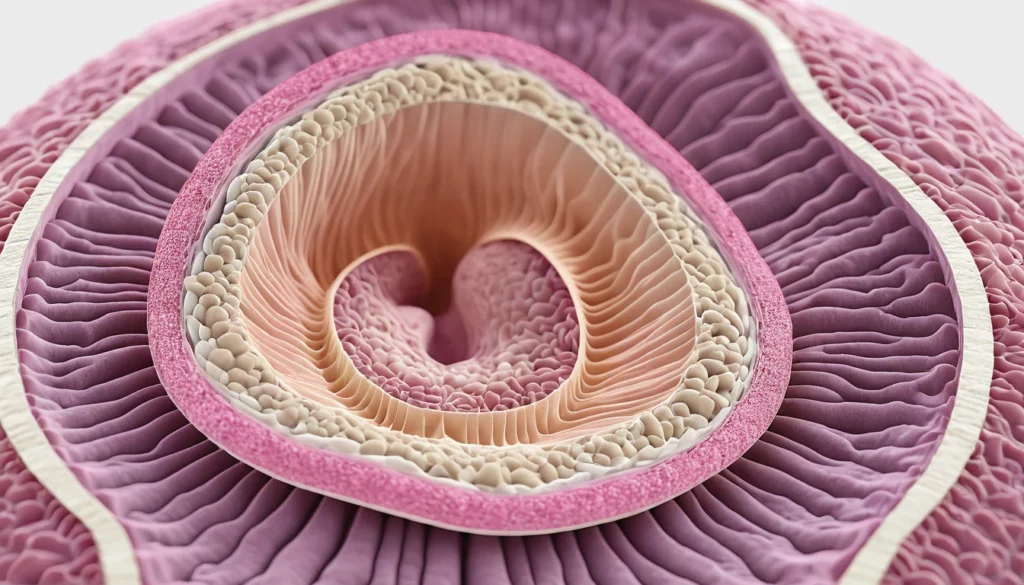
An adenofibroma is a benign, non-cancerous tumour made up of two types of tissue: glandular tissue and fibrous connective tissue. It most commonly develops in the breast, though it can sometimes appear in the ovary. While the word “tumour” can sound alarming, an adenofibroma is not cancer. However, any new lump or growth should always be checked by a healthcare provider.
What Is an Adenofibroma?
The term adenofibroma combines two words: “adeno,” meaning gland, and “fibroma,” meaning a growth of fibrous tissue. Together, they describe a tumour that contains both an overgrowth of glandular cells (called an adenoma) and a growth of tough, fibrous connective tissue (called a fibroma).
These two tissue types mix together to form a single, usually well-defined mass. Because it is benign, an adenofibroma does not invade nearby tissue or spread to other parts of the body. In addition, most people with this type of growth live completely normal lives without complications.
Adenofibromas belong to a broader family of benign breast and glandular tumours. They are closely related to fibroadenomas, which are among the most common benign breast lumps found in women. However, the two are not exactly the same, and a proper diagnosis is needed to tell them apart.
Where Does an Adenofibroma Develop?
The most common location for an adenofibroma is the breast. It can also develop in the ovary, though this is less frequent. Both locations contain glandular tissue, which is why these tumours tend to form there.
Adenofibroma of the Breast
In the breast, an adenofibroma typically feels like a smooth, rubbery lump. It often moves slightly when pressed, which is sometimes described as feeling like a “breast mouse.” The lump is usually painless, though some people may notice mild tenderness, especially around their menstrual cycle.
These tumours can range in size. Some are very small and barely noticeable. Others can grow large enough to be felt easily or even seen. In most cases, they grow slowly and remain stable over time. For example, many breast adenofibromas stay the same size for years without causing any problems.
They are most commonly found in women between the ages of 15 and 35, though they can occur at any age. Hormonal changes, particularly those involving estrogen, are thought to play a role in their development. Therefore, they may change in size during pregnancy or with hormonal therapy.
Adenofibroma of the Ovary
When an adenofibroma forms on the ovary, it is less common but still benign. Ovarian adenofibromas are often found incidentally — meaning they are discovered during an ultrasound or imaging test done for another reason. Many people have no symptoms at all.
In some cases, a larger ovarian adenofibroma may cause pelvic discomfort, bloating, or a feeling of pressure. Furthermore, if the tumour grows large enough, it may affect nearby organs. Because ovarian growths can be harder to detect without imaging, regular check-ups with your family doctor are important.
What Causes an Adenofibroma?
The exact cause of an adenofibroma is not fully understood. However, researchers believe that hormones — especially estrogen — play a significant role. This would explain why these tumours are more common in women of reproductive age and why they sometimes shrink after menopause.
Genetics may also be a factor. Some people appear to have a higher tendency to develop benign glandular tumours, possibly due to inherited traits. In addition, certain lifestyle factors such as diet and hormone exposure (for example, from birth control or hormone replacement therapy) may influence their development.
It is important to note that having an adenofibroma does not mean you are at higher risk for cancer. According to Mayo Clinic’s overview of benign breast tumours, most fibroadenomas and related tumours do not increase cancer risk in a meaningful way. However, your doctor may still recommend monitoring the growth over time.
How Is an Adenofibroma Diagnosed?
Diagnosing an adenofibroma usually involves a combination of physical examination and imaging. Your family doctor or a specialist will start by feeling the lump and asking about your symptoms and medical history. From there, they may order further tests to get a clearer picture.
Imaging Tests
An ultrasound is often the first imaging test used for younger women with a breast lump. It can show the size, shape, and texture of the growth. A mammogram may also be recommended, particularly for women over 40 or those with risk factors for breast disease.
For suspected ovarian adenofibromas, a pelvic ultrasound is the standard first step. In some cases, an MRI may be used to get more detailed images. These tests help your doctor understand the nature of the growth before deciding on next steps.
Biopsy
In many cases, a biopsy is needed to confirm the diagnosis. A biopsy involves taking a small sample of tissue from the lump and examining it under a microscope. This is the only way to know for certain whether a growth is benign or not.
A needle biopsy is a common and minimally invasive procedure. It is usually done in an outpatient setting, meaning you go home the same day. Results typically come back within a week or two. Your doctor will walk you through what the results mean and what to do next.
For more information on how breast lumps are evaluated, you can visit Healthline’s guide to fibroadenomas and benign breast lumps.
Treatment Options for Adenofibroma
Because an adenofibroma is benign, it does not always require treatment. In many cases, your doctor may simply recommend a “watchful waiting” approach. This means monitoring the lump through regular check-ups and imaging to make sure it is not growing or changing.
Active Monitoring
Active monitoring is often the first choice for small, stable adenofibromas that are not causing symptoms. Your doctor may schedule follow-up ultrasounds every six to twelve months. If the lump stays the same size and causes no problems, no further action may be needed.
This approach is common within Canadian healthcare. Your family doctor can coordinate these follow-ups, or you may be referred to a specialist such as a breast surgeon or gynecologist. Provincial health plans generally cover the cost of diagnostic imaging and specialist visits when referred by a physician.
Surgical Removal
Surgery may be recommended if the adenofibroma is large, growing quickly, or causing discomfort. It is also an option for people who feel anxious about having a lump and want it removed for peace of mind. The procedure is typically straightforward and done under local or general anaesthetic.
A lumpectomy — the surgical removal of the lump — is the most common procedure. Recovery time is generally short. As a result, most people return to their normal activities within a week or two. Your surgeon will explain what to expect before and after the procedure.
Minimally Invasive Options
Some people may be eligible for a minimally invasive procedure called vacuum-assisted excision. This uses a special needle device to remove the lump without a traditional surgical cut. It leaves little to no scarring and is done as an outpatient procedure. However, it is not available everywhere in Canada, so ask your doctor whether it is an option for you.
When to See a Doctor
You should see your family doctor if you notice any new lump in your breast or pelvic area. Even if you think it might be nothing, it is always best to have it checked. Early evaluation helps rule out anything serious and gives you peace of mind.
In Canada, you can book an appointment with your family doctor or visit a walk-in clinic if you do not have a regular physician. Walk-in clinics can do an initial assessment and refer you for imaging or specialist care if needed. Most provincial health plans cover these visits.
See a doctor promptly if you notice any of the following:
A new or changing lump in your breast or abdomen
Sudden pain or tenderness in the breast or pelvic area
Nipple discharge that is unusual or bloody
Swelling, skin changes, or dimpling on the breast
Unexplained bloating or pelvic pressure that does not go away
These symptoms do not necessarily mean something is seriously wrong. However, they are worth investigating. Your doctor is the best person to help you understand what is going on and what steps to take next. Always consult a qualified healthcare provider before drawing any conclusions about a new growth or symptom.
For general guidance on breast health, Health Canada’s breast health resources offer reliable, Canadian-specific information.
Frequently Asked Questions About Adenofibroma
Is an adenofibroma the same as a fibroadenoma?
An adenofibroma and a fibroadenoma are very closely related benign tumours, but they are not exactly the same. Both contain glandular and fibrous tissue, but an adenofibroma tends to have a greater proportion of glandular tissue. A proper biopsy and pathology report is needed to tell them apart accurately.
Can an adenofibroma turn into cancer?
In the vast majority of cases, an adenofibroma does not turn into cancer. These tumours are considered benign, meaning they do not invade surrounding tissue or spread. However, your doctor may still recommend regular monitoring to make sure the growth stays stable over time.
Does an adenofibroma need to be removed?
Not always. Many adenofibromas are simply monitored through regular check-ups and imaging if they are small and not causing symptoms. Surgical removal may be recommended if the adenofibroma is large, growing, or causing discomfort. Your doctor will help you decide the best approach for your situation.
What does an adenofibroma feel like?
A breast adenofibroma typically feels like a smooth, firm, rubbery lump that moves slightly when pressed. It is usually painless, though some people notice mild tenderness. If you feel any new lump in your breast, it is important to have it evaluated by a doctor or at a walk-in clinic.
Who is most likely to develop an adenofibroma?
Adenofibromas are most commonly found in women between the ages of 15 and 35, though they can occur at any age. Hormonal factors, particularly estrogen, are thought to contribute to their development. They may also be influenced by genetics or hormonal therapies such as birth control or hormone replacement therapy.
Is an adenofibroma covered by provincial health insurance in Canada?
In most provinces, diagnostic tests such as ultrasounds, mammograms, and biopsies are covered under provincial health plans when ordered by a physician. Surgical removal of an adenofibroma is also generally covered if it is deemed medically necessary. Check with your provincial health authority or family doctor to confirm what is covered in your area.
Key Takeaways
An adenofibroma is a benign tumour made up of glandular and fibrous connective tissue.
It most commonly develops in the breast, but can also occur in the ovary.
Hormones, particularly estrogen, are thought to play a role in its development.
Diagnosis usually involves a physical exam, imaging (such as an ultrasound), and sometimes a biopsy.
Treatment ranges from active monitoring to surgical removal, depending on the size and symptoms.
An adenofibroma is not cancer and does not typically increase your cancer risk.
Always see your family doctor or visit a walk-in clinic if you notice a new or changing lump.
Provincial health plans in Canada generally cover diagnostic tests and specialist referrals for this condition.