Adenocarcinoma is a type of cancer that forms in glandular tissue. It can develop in many organs throughout the body, including the lungs, colon, breast, prostate, and stomach. Understanding what adenocarcinoma is, how it behaves, and what warning signs to watch for can help Canadians take action early — and early action saves lives.
What Is Adenocarcinoma?
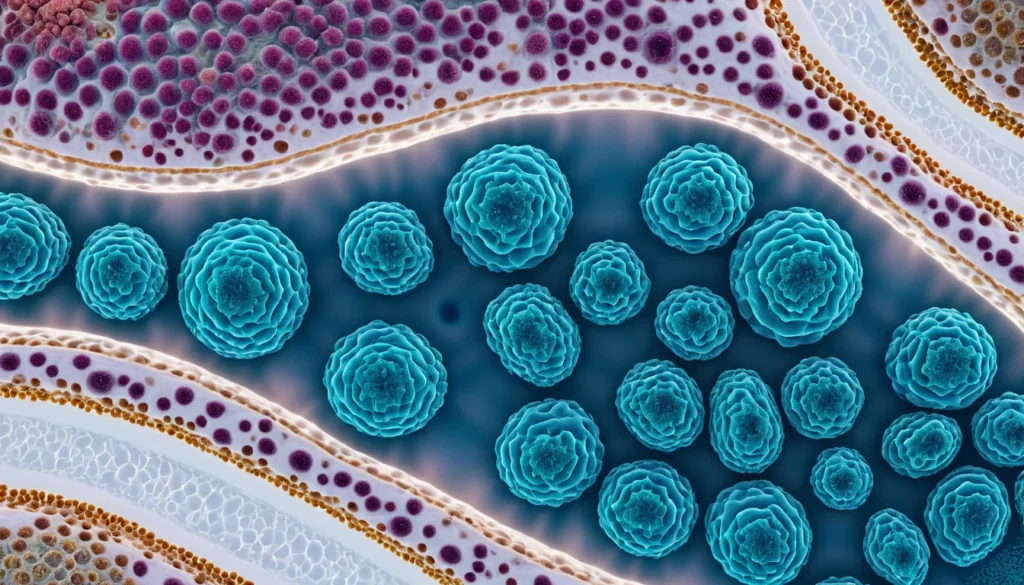
Adenocarcinoma is a malignant tumour that grows from epithelial cells. These are the cells that line the surfaces of organs and form glands. Glands are small structures found in most organs of the body. They produce fluids, hormones, and other substances your body needs to function.
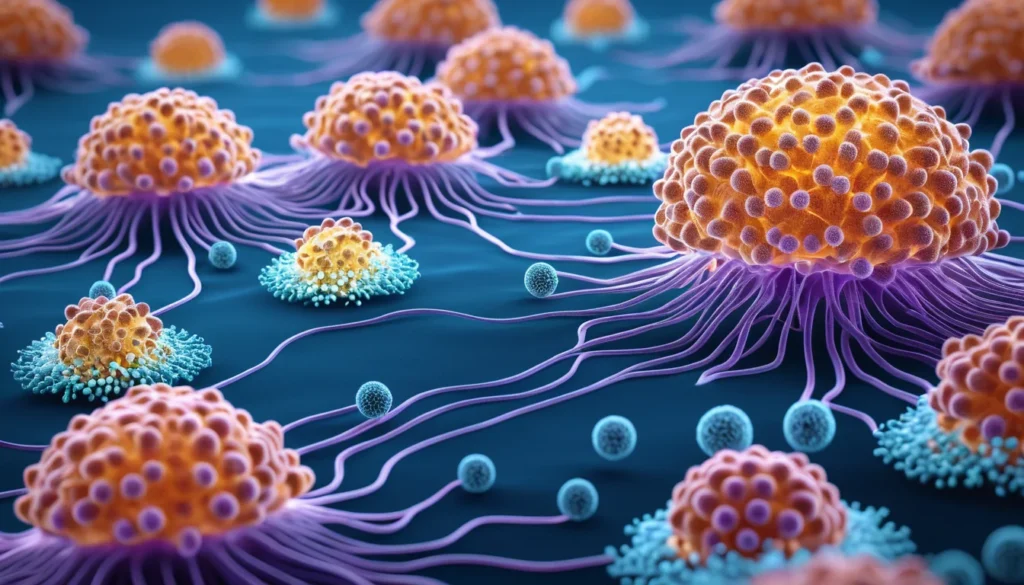
When the DNA inside these glandular cells mutates, they can begin to grow out of control. As a result, a tumour forms. Because glandular tissue exists in so many organs, adenocarcinoma can appear in many different locations. In fact, it is one of the most common forms of cancer worldwide.
According to the World Health Organization’s cancer fact sheet, cancer is among the leading causes of death globally. Adenocarcinoma accounts for a large portion of all diagnosed cancers.
Where Does Adenocarcinoma Develop?
Adenocarcinoma can develop in almost any organ that contains glandular tissue. However, certain locations are more common than others. Knowing these sites can help you understand your own health risk.
Lungs
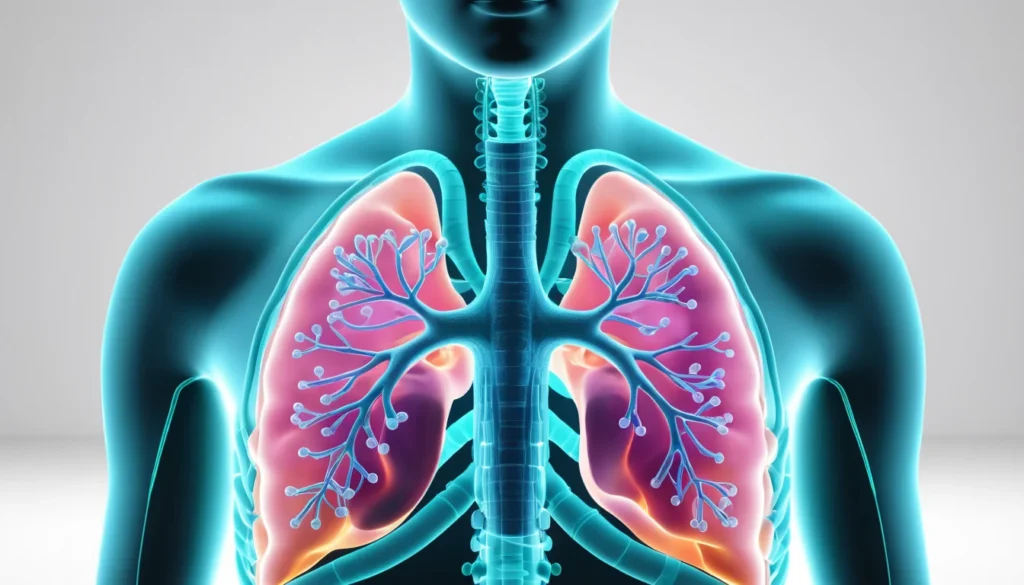
Lung adenocarcinoma is the most common type of lung cancer in Canada. It tends to form in the outer parts of the lung. Unlike some other lung cancers, it often affects non-smokers as well as smokers.
Colon and Rectum
Colorectal adenocarcinoma is the most frequent type of colorectal cancer. It starts in the glands that line the inner wall of the colon or rectum. Most colorectal cancers begin as small growths called polyps, which can be detected early through screening.
Breast
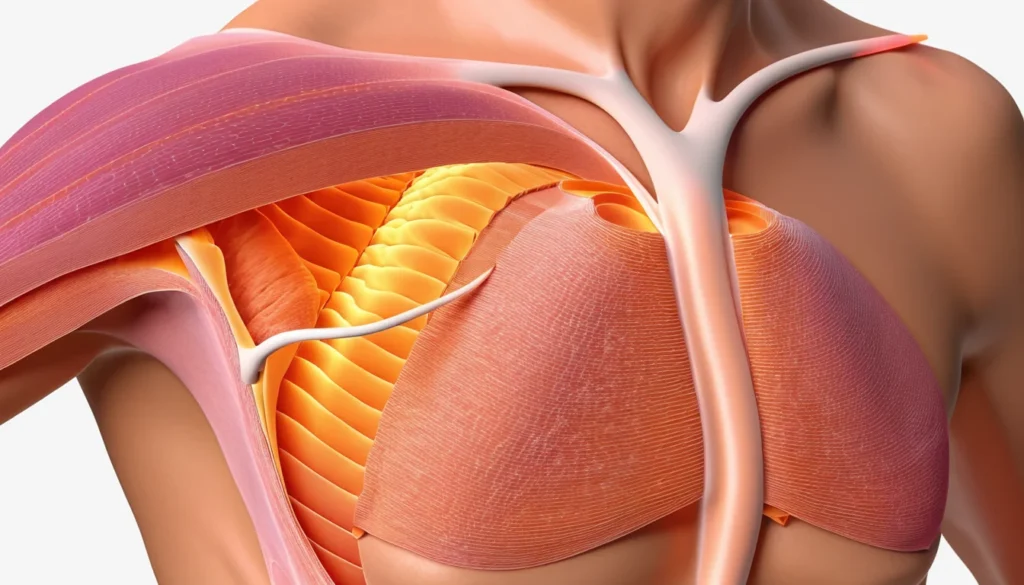
Most breast cancers are a form of adenocarcinoma. They begin in the glandular tissue of the breast, either in the milk ducts or the milk-producing lobules. Early detection through mammograms greatly improves outcomes.
Prostate
Nearly all prostate cancers are adenocarcinomas. They grow in the gland cells that produce prostate fluid. Prostate adenocarcinoma is one of the most common cancers diagnosed in Canadian men.
Stomach and Pancreas
Stomach adenocarcinoma forms in the mucus-producing cells lining the stomach wall. Pancreatic adenocarcinoma begins in the cells that produce digestive enzymes. Both of these types are often diagnosed at a later stage, which makes awareness especially important.
Common Symptoms of Adenocarcinoma
Symptoms of adenocarcinoma vary widely depending on which organ is affected. Furthermore, early-stage adenocarcinoma often causes no symptoms at all. This is why regular screening and check-ups are so valuable.
However, there are general warning signs that may appear as the cancer grows. If you notice any of these, speak to your family doctor or visit a walk-in clinic as soon as possible.
Unexplained weight loss: Losing weight without trying can be a sign that something is wrong internally.
Persistent fatigue: Feeling constantly tired, even after rest, is a common sign of many cancers.
Pain or discomfort: Ongoing pain in the chest, abdomen, or back should never be ignored.
Changes in bowel or bladder habits: Blood in the stool or urine, or changes in frequency, can be warning signs.
A lump or thickening: A new lump under the skin, especially in the breast or lymph nodes, needs medical attention.
Persistent cough or hoarseness: A cough that won’t go away, or a change in voice, may signal lung or throat involvement.
Difficulty swallowing: This can be a sign of adenocarcinoma in the oesophagus or stomach.
These symptoms do not always mean cancer is present. In addition, many other conditions can cause the same signs. Nevertheless, it is always better to get checked and rule out serious causes.
Risk Factors for Adenocarcinoma
Several factors can raise your risk of developing adenocarcinoma. Some of these you cannot change, such as age or family history. However, others relate to lifestyle choices that you do have control over.
Factors You Cannot Change
Age: The risk of most cancers increases as you get older. Many adenocarcinomas are more common in people over 50.
Family history: Having a close relative with cancer raises your risk. Genetic mutations like BRCA1 and BRCA2 increase the risk of breast and ovarian adenocarcinoma.
Sex: Some adenocarcinomas, like prostate cancer, only affect men. Others, like breast cancer, are far more common in women.
Factors You Can Influence
Smoking: Tobacco use is a major risk factor for lung, stomach, and pancreatic adenocarcinoma.
Diet: A diet low in fibre and high in processed meat increases colorectal cancer risk.
Obesity: Carrying excess weight raises the risk of several adenocarcinomas, including colon and breast cancers.
Alcohol consumption: Heavy drinking is linked to a higher risk of stomach and colorectal adenocarcinoma.
Exposure to carcinogens: Long-term contact with chemicals, asbestos, or radiation can damage DNA in glandular cells.
Chronic inflammation: Conditions like Crohn’s disease or chronic acid reflux (Barrett’s oesophagus) can increase the risk of adenocarcinoma in affected areas.
Making healthy lifestyle choices does not guarantee you will never get cancer. However, reducing known risk factors is one of the most powerful things you can do to protect your long-term health.
How Is Adenocarcinoma Diagnosed?
Diagnosing adenocarcinoma involves several steps. Your doctor will begin with a physical exam and ask about your symptoms and medical history. From there, further tests are usually needed to confirm a diagnosis.
Imaging Tests
Doctors often use imaging tests to look inside the body for tumours. These include X-rays, CT scans, MRI scans, and ultrasounds. These tools help identify the size and location of a potential tumour.
Biopsy
A biopsy is the most definitive way to diagnose adenocarcinoma. During a biopsy, a small sample of tissue is removed from the suspicious area. A pathologist then examines the tissue under a microscope to check for cancer cells.
Blood Tests and Tumour Markers
Some types of adenocarcinoma release specific proteins into the bloodstream. These are called tumour markers. For example, PSA (prostate-specific antigen) is used to screen for prostate cancer. However, blood tests alone are not enough to confirm a diagnosis.
For more detailed information on cancer diagnosis methods, visit the Mayo Clinic’s guide to cancer diagnosis and treatment.
Treatment Options for Adenocarcinoma
Treatment for adenocarcinoma depends on the type, location, and stage of the cancer. It also depends on your overall health and personal preferences. Canadian patients work with a team of specialists to create an individualized treatment plan.
Surgery
Surgery is often the first line of treatment when the tumour is localized. The goal is to remove the tumour and some of the surrounding healthy tissue. In some cases, nearby lymph nodes are also removed to prevent spread.
Chemotherapy
Chemotherapy uses powerful drugs to kill cancer cells or stop them from growing. It can be used before surgery to shrink a tumour, or after surgery to destroy remaining cells. Chemotherapy may also be used when surgery is not possible.
Radiation Therapy
Radiation therapy uses high-energy rays to target and destroy cancer cells. It is often used in combination with surgery or chemotherapy. Radiation can also relieve pain and other symptoms in advanced cases.
Targeted Therapy and Immunotherapy
Newer treatments focus on the specific genetic mutations that drive cancer growth. Targeted therapy blocks the signals that tell cancer cells to grow and divide. Immunotherapy helps the body’s own immune system recognize and attack cancer cells. These treatments are now available for several types of adenocarcinoma in Canada.
To learn more about cancer treatment options available to Canadians, visit Health Canada’s information on cancer therapies.
Adenocarcinoma and the Canadian Healthcare System
In Canada, cancer care is covered under provincial and territorial health plans. If you receive a diagnosis of adenocarcinoma, your family doctor will refer you to a specialist. This may include an oncologist, surgeon, or other cancer care professional.
Cancer centres exist in every province. These centres offer multidisciplinary care, which means a team of specialists works together on your case. Wait times and services can vary by province, so it is important to ask your doctor about local resources.
If you do not have a family doctor, a walk-in clinic can be a good first step. A walk-in clinic doctor can order initial tests and help direct you to the right specialist. Many provinces also have dedicated cancer screening programmes that you can access directly.
When to See a Doctor
You should see a doctor if you notice any unexplained changes in your body that last more than two weeks. This includes unusual lumps, ongoing pain, changes in bowel habits, or unexplained weight loss. Do not wait to see if symptoms go away on their own.
If you have a family history of adenocarcinoma or other cancers, speak to your family doctor about a screening plan. Screening catches cancer early, when it is most treatable. Your doctor can recommend the right screening tests based on your age, sex, and personal risk factors.
If you do not have a regular family doctor, visit a walk-in clinic or contact your provincial health line. In Ontario, for example, you can call Telehealth Ontario at 1-866-797-0000. Similar telephone health services are available in every province and territory.
Remember, this article provides general health information only. Always consult a qualified healthcare provider for personal medical advice, diagnosis, or treatment.
Frequently Asked Questions About Adenocarcinoma
What is the difference between adenocarcinoma and other types of cancer?
Adenocarcinoma specifically starts in glandular cells that line organs and produce fluids or secretions. Other cancers, like squamous cell carcinoma, begin in flat surface cells. Because adenocarcinoma can arise in so many organs, it is one of the most common cancer types diagnosed in Canada.
Is adenocarcinoma curable?
Whether adenocarcinoma is curable depends on the type, location, and stage at the time of diagnosis. When caught early, many forms of adenocarcinoma respond well to treatment, and some patients achieve full remission. Advanced adenocarcinoma is more difficult to treat, but modern therapies can still extend life and improve quality of life significantly.
What are the early warning signs of adenocarcinoma?
Early adenocarcinoma often causes no symptoms at all, which is why regular screening is so important. When symptoms do appear, they may include unexplained weight loss, persistent fatigue, a new lump, or changes in bowel or bladder habits. Any symptom that is new, unusual, or lasts longer than two weeks should be assessed by a doctor.
How fast does adenocarcinoma spread?
The speed at which adenocarcinoma spreads varies greatly depending on the organ involved and the specific tumour’s characteristics. Some forms, like pancreatic adenocarcinoma, tend to grow and spread quickly. Others, like some prostate adenocarcinomas, may grow very slowly over many years.
Can adenocarcinoma be prevented?
There is no guaranteed way to prevent adenocarcinoma, but you can lower your risk through healthy lifestyle choices. Not smoking, eating a high-fibre diet, maintaining a healthy weight, and limiting alcohol all reduce your risk of developing several types of adenocarcinoma. Regular cancer screening is also one of the best ways to detect problems before they become serious.
Is adenocarcinoma the same as lung cancer?
Adenocarcinoma is not the same as lung cancer, but it is the most common type of lung cancer in Canada. Lung adenocarcinoma is just one of many locations where this glandular cancer can develop. The term adenocarcinoma simply describes where the cancer starts — in glandular tissue — regardless of which organ is involved.
Key Takeaways
Adenocarcinoma is a cancer that forms in the glandular cells lining many organs of the body. It can develop in the lungs, colon, breast, prostate, stomach, and pancreas, among other locations. Early-stage adenocarcinoma often has no symptoms, making regular screening essential. Risk factors include smoking, poor diet