Adenine is one of the most important molecules in the human body. It is a purine base — a type of nitrogen-containing compound — that forms part of your DNA and RNA. Without adenine, your cells could not store genetic information, produce energy, or repair themselves properly. In this article, we explain what adenine is, what it does, and why it matters for your overall health.
What Is Adenine?
Adenine is a chemical compound found in every living cell. It belongs to a group of molecules called purine bases, which act as building blocks for nucleic acids — the substances that make up DNA and RNA.
You may also see adenine referred to as vitamin B4, although most modern scientists no longer classify it as a true vitamin. This is because your body can produce adenine on its own, whereas most vitamins must come from food.
However, adenine still plays a critical role in keeping your body healthy. It works quietly behind the scenes in nearly every cell, every single day.
How Adenine Fits Into Your DNA and RNA
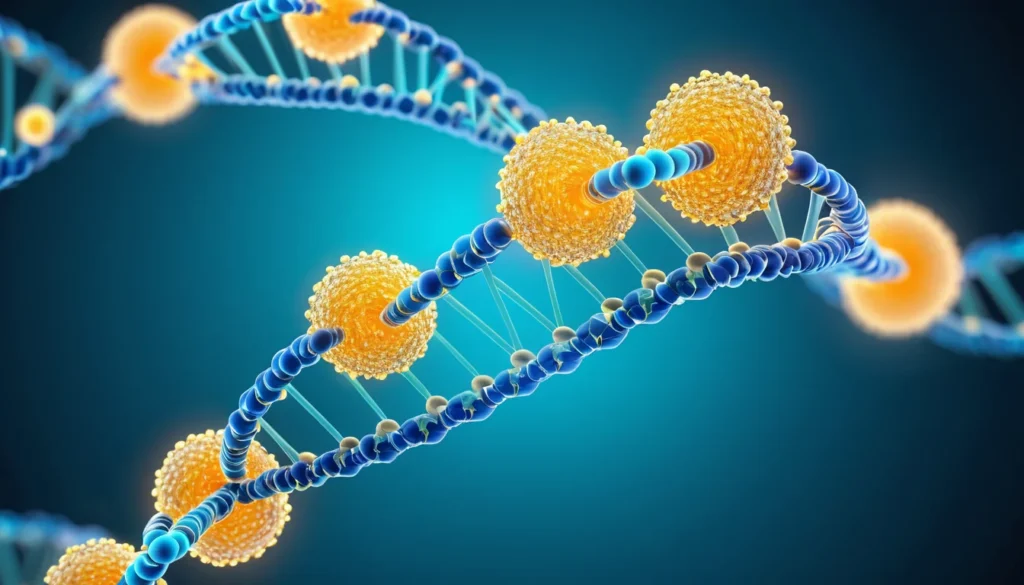
Your DNA is like a long instruction manual for your body. It tells your cells how to grow, function, and repair themselves. Adenine is one of four chemical “letters” that make up this instruction manual.
In DNA, adenine always pairs with another base called thymine. In RNA, it pairs with uracil instead. This pairing is very precise and essential. If the pairing goes wrong, genetic errors can occur.
According to the World Health Organization, maintaining healthy DNA is fundamental to preventing cellular disease, including certain cancers. Adenine’s role in DNA structure makes it a key player in this protection.
In addition, RNA carries messages from your DNA to the rest of your cell. Adenine helps build the RNA strands that carry those messages accurately.
Adenine and Genetic Repair
Your DNA gets damaged every day. Sunlight, pollution, stress, and normal cellular activity all cause small breaks or errors in your genetic code.
Your body has repair systems that fix these errors quickly. Adenine is a core part of those repair systems. Without enough adenine available, DNA repair becomes slower and less effective.
This is one reason why researchers study adenine closely in relation to aging and disease prevention.
Adenine and Energy Production
One of adenine’s most important jobs is helping your body produce energy. It forms part of a molecule called adenosine triphosphate, or ATP. Think of ATP as your body’s rechargeable battery.
Every time your muscles contract, your heart beats, or your brain fires a signal, ATP provides the power. Your body makes and uses hundreds of billions of ATP molecules every single day.
Without adenine, your cells could not build ATP properly. As a result, every organ in your body would suffer from an energy shortage.
Adenine in the NAD+ Molecule
Adenine also forms part of another important energy-related molecule called NAD+ (nicotinamide adenine dinucleotide). NAD+ helps your cells convert food into usable energy.
NAD+ has received a lot of attention in recent years for its possible role in healthy aging. Some researchers believe that keeping NAD+ levels high may help slow certain effects of aging at the cellular level.
For example, Healthline’s overview of NAD+ and cellular health explains how this adenine-containing molecule supports metabolism and longevity research.
However, much of this research is still ongoing. It is always best to speak with your family doctor before starting any supplements related to NAD+ or energy metabolism.
Adenine as Vitamin B4: What You Need to Know
The label “vitamin B4” for adenine is now largely historical. Early nutritional scientists grouped it with B vitamins because they believed it had to come from food. Later research showed that the body produces its own adenine through a process called de novo synthesis — meaning it builds the molecule from scratch.
Therefore, adenine is not considered an essential dietary nutrient in the way that vitamin B12 or vitamin D are. You do not need to take an adenine supplement to meet your daily needs in most cases.
That said, some foods do contain purines, which your body can convert into adenine. These foods include:
Meat and poultry
Fish and seafood
Legumes such as lentils and beans
Whole grains
Some vegetables, including mushrooms and spinach
A balanced diet — one that aligns with Health Canada’s Food Guide — will generally provide your body with enough purine-containing foods to support adenine production.
Can You Have Too Much or Too Little Adenine?
Your body tightly regulates adenine levels through several metabolic pathways. In healthy people, serious adenine deficiency is rare.
However, certain genetic conditions can affect how the body handles purines. One example is adenine phosphoribosyltransferase (APRT) deficiency, a rare inherited disorder. People with this condition cannot properly recycle adenine, which can lead to kidney stones and kidney damage over time.
On the other hand, excess purines in the diet can raise uric acid levels in some people. High uric acid is a known risk factor for gout, a painful type of arthritis.
Adenine in Medical Research and Treatment
Beyond its natural role in the body, adenine has practical uses in modern medicine. Researchers and pharmacists use adenine in several important ways.
First, adenine is a component of many antiviral medications. Some drugs used to treat HIV and hepatitis B are built around molecules that mimic adenine. These drugs interfere with how viruses copy their own genetic material, slowing the infection.
Second, adenine is used in blood banking. Adding adenine to stored red blood cells helps them survive longer outside the body. This improves the safety and availability of Canada’s blood supply.
Third, adenine-based compounds are being studied as potential treatments for cancer, metabolic disease, and even neurological conditions. While most of this research is still in early stages, it highlights just how central adenine is to human biology.
Adenine and Antiviral Drugs
Some of the most effective antiviral drugs in use today are called nucleoside analogues. These are synthetic molecules that look like natural bases — including adenine — to a virus.
When a virus tries to copy its genetic material using these fake building blocks, the copying process stops. This prevents the virus from multiplying.
This approach has been used successfully in treating HIV, hepatitis B, and certain herpes infections. It represents one of the most important applications of adenine-based chemistry in modern pharmacology.
When to See a Doctor
Most Canadians do not need to think about adenine levels directly. Your body manages this molecule automatically as part of normal cellular function.
However, you should speak with your family doctor or visit a walk-in clinic if you experience any of the following:
Recurring kidney stones, especially at a young age
Unexplained fatigue or muscle weakness that does not improve with rest
A family history of rare metabolic or genetic disorders involving purines
Symptoms of gout, including sudden joint pain, redness, and swelling
Questions about antiviral medications that may involve adenine analogues
Your provincial health plan covers visits to your family doctor and most walk-in clinics across Canada. If you have concerns about your genetic health or metabolic function, a referral to a specialist — such as a geneticist or nephrologist — may also be available through your provincial coverage.
Always consult a qualified healthcare provider before making changes to your diet or starting new supplements, especially those related to purine metabolism or energy compounds like NAD+.
Frequently Asked Questions About Adenine
What is adenine and why is it important?
Adenine is a purine base and one of the four chemical building blocks of DNA and RNA. It plays a key role in storing genetic information, producing cellular energy through ATP, and supporting DNA repair. Without adenine, your cells could not function or replicate properly.
Is adenine the same as vitamin B4?
Yes, adenine is sometimes called vitamin B4, although this name is largely outdated. Unlike true vitamins, adenine is produced naturally by your body, so you do not need to get it from food or supplements. Most modern nutrition guidelines do not list adenine as an essential vitamin.
What foods contain adenine or purines that support adenine production?
Foods rich in purines — which your body can convert into adenine — include meat, poultry, fish, legumes, whole grains, mushrooms, and spinach. Eating a balanced diet as recommended by Health Canada’s Food Guide will generally provide enough purines to support healthy adenine levels. Most Canadians do not need to focus specifically on adenine intake.
Can adenine deficiency cause health problems?
True adenine deficiency is very rare in healthy people because the body produces it through a process called de novo synthesis. However, a rare genetic condition called APRT deficiency can disrupt how the body recycles adenine, leading to kidney stones and kidney damage. If you have a family history of metabolic disorders, speak with your family doctor about genetic testing.
How is adenine used in medicine?
Adenine is used in several areas of modern medicine, including antiviral drugs for HIV and hepatitis B, and as an additive to preserve donated blood in blood banks. Adenine-based compounds are also being studied as potential treatments for cancer and metabolic diseases. Its wide medical use reflects how central adenine is to human biology.
Does adenine have anything to do with gout?
Adenine itself does not directly cause gout, but it is a purine base, and the breakdown of purines produces uric acid in the body. When uric acid builds up too much, it can form crystals in the joints, leading to gout. If you are prone to gout, your doctor may recommend limiting high-purine foods and monitoring your uric acid levels.
Key Takeaways
Adenine is a purine base and essential building block of DNA and RNA in every human cell.
It is sometimes called vitamin B4, but your body produces it naturally without needing it from food.
Adenine forms part of ATP, your body’s main energy molecule, and NAD+, which supports metabolism and healthy aging research.
A balanced diet following Health Canada’s Food Guide provides adequate purines to support adenine production.
Adenine has important uses in antiviral medications and in preserving donated blood in blood banks.
Rare genetic conditions like APRT deficiency can affect how the body handles adenine, potentially leading to kidney problems.
If you have concerns about purine metabolism, gout, kidney stones, or metabolic disorders, speak with your family doctor or visit a walk-in clinic covered under your provincial health plan.