Your adductor muscles are a group of powerful muscles located in your inner thigh. They pull your legs toward the centre of your body and play a key role in nearly every movement you make, from walking to climbing stairs. Understanding how these muscles work can help you prevent injuries and recover faster when something goes wrong. This guide covers everything everyday Canadians need to know about the adductor muscles.
What Are the Adductor Muscles?
The word “adductor” comes from the Latin word meaning “to draw toward.” In the body, adductor muscles are any muscles that move a body part toward the midline — the imaginary line running down the centre of your body. However, when most people say “adductors,” they mean the inner thigh muscles specifically.
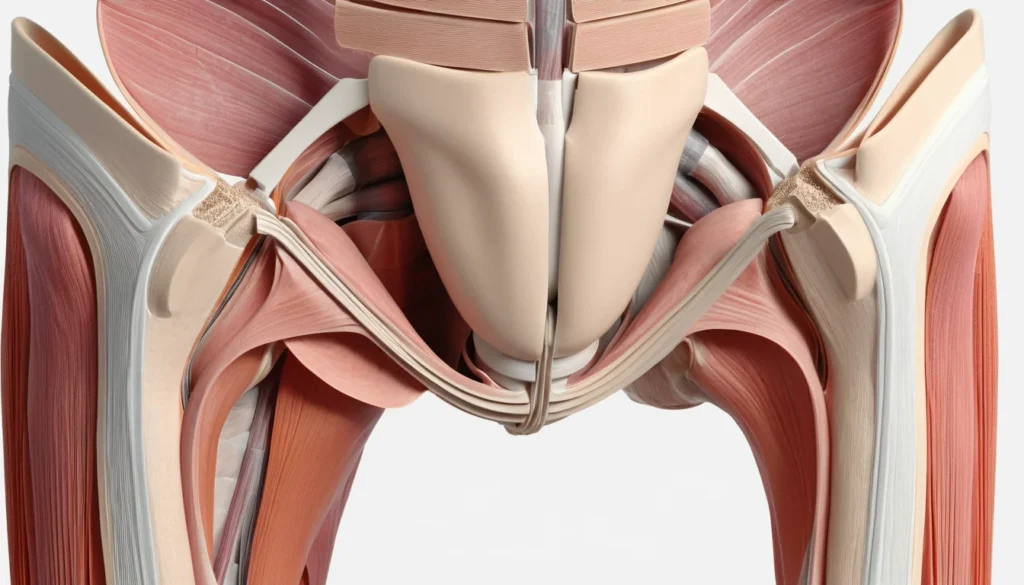
There are five main adductor muscles in the thigh. Together, they form a large muscle group that controls how your legs move toward each other. These muscles attach to your pelvis at the top and run down to your femur (thigh bone) and, in some cases, all the way to your knee.
The Five Main Adductor Muscles
Each of the five adductors has a specific role. Here is a simple breakdown:
Adductor longus: The most visible of the group. It runs from the pubic bone to the middle of the femur.
Adductor brevis: A shorter muscle that sits behind the adductor longus. It helps with thigh movement and hip flexion.
Adductor magnus: The largest adductor muscle. It covers a wide area and has two parts — one works like a hip extensor, the other like a true adductor.
Gracilis: A long, thin muscle that crosses both the hip and the knee. It helps with both adduction and knee flexion.
Pectineus: A flat muscle near the top of the inner thigh. It assists with adduction and hip flexion.
In addition to the thigh, the body has adductor muscles in the shoulder, thumb, and big toe. However, this article focuses on the thigh adductors, as these are the ones most often injured.
How the Adductor Muscles Function
The primary job of the adductor muscles is adduction — pulling the thigh inward toward the body’s midline. However, their role goes far beyond this single movement. These muscles also help stabilize your pelvis when you walk, run, or stand on one leg.
Think about kicking a soccer ball with the inside of your foot. That motion relies heavily on your adductors. The same is true when you squeeze your knees together or change direction quickly while running. Without strong adductors, your hips and pelvis would be unstable.
Adductors and Core Stability
Many Canadians are surprised to learn how closely the adductors work with the core muscles. The adductor magnus, in particular, connects directly to the pelvis. As a result, weakness in the adductors can lead to poor posture, lower back pain, and hip problems over time.
Furthermore, the gracilis muscle crosses the knee joint. This means the adductors can also affect knee stability. Keeping these muscles strong and flexible supports your entire lower body, not just your inner thigh.
Common Adductor Muscle Injuries
Adductor muscle injuries are very common, especially in active Canadians. The most frequent injury is an adductor strain, also called a groin strain. This happens when the muscle is overstretched or torn, usually during sudden movements like sprinting, lunging, or changing direction quickly.
Groin strains are especially common in sports like hockey, soccer, skating, and basketball — all popular activities across Canada. However, you do not need to be an athlete to injure your adductors. Even slipping on ice or stepping awkwardly can cause a strain.
Grades of Adductor Strain
Doctors classify adductor strains into three grades based on severity:
Grade 1 (Mild): A small number of muscle fibres are torn. You may feel tightness or mild pain in the inner thigh, but you can still walk normally.
Grade 2 (Moderate): A larger portion of the muscle fibres are damaged. You will likely feel significant pain, swelling, and bruising. Walking may be difficult.
Grade 3 (Severe): The muscle is completely torn. This is a serious injury that causes intense pain, major bruising, and significant loss of function. Surgery is sometimes needed.
For more information on muscle strains, visit the Mayo Clinic’s guide to muscle strains.
Other Adductor Conditions
Beyond strains, the adductor muscles can also be affected by other conditions. Adductor tendinopathy is a chronic condition where the tendons connecting the adductors to the bone become irritated and painful. This often develops gradually from overuse rather than a single injury.
Osteitis pubis is another condition linked to the adductors. It involves inflammation at the pubic bone where the adductor muscles attach. This condition is more common in distance runners and hockey players. It can cause deep groin or lower abdominal pain that worsens with exercise.
Causes and Risk Factors
Anyone can injure their adductor muscles, but certain factors increase your risk. Understanding these risk factors can help you take steps to protect yourself.
Physical Risk Factors
Weak adductors: Muscles that are not conditioned are more likely to tear under stress.
Poor flexibility: Tight inner thigh muscles are more vulnerable to overstretching.
Muscle imbalance: If your abductors (outer hip muscles) are much stronger than your adductors, you are at higher risk of injury.
Previous groin injury: A past strain significantly increases the chance of re-injury if the muscle has not fully healed.
Fatigue: Tired muscles have less ability to absorb force and are easier to injure.
Activity and Lifestyle Risk Factors
High-impact sports: Hockey, soccer, skating, and martial arts all place high demands on the adductors.
Skipping warm-up: Cold muscles are far less flexible and more prone to tears.
Sudden increase in activity: Starting a new exercise programme too quickly overwhelms the muscles before they adapt.
Slippery surfaces: Canada’s icy winters make unexpected slips a common cause of groin strains.
According to Healthline’s anatomy resource on the adductor longus, the adductor longus is the most commonly strained of all the adductor muscles, particularly in athletes who play cutting sports.
Symptoms of an Adductor Muscle Injury
Recognizing the symptoms of an adductor injury early is important. Getting proper treatment quickly helps prevent a minor strain from becoming a more serious problem.
Common symptoms of an adductor muscle strain include:
Sharp or aching pain in the inner thigh or groin
Pain that gets worse when you squeeze your legs together
Tenderness when you press on the inner thigh
Swelling or bruising in the groin area
Weakness in the leg or difficulty walking
A popping or snapping sensation at the moment of injury (in more severe cases)
It is worth noting that groin pain can sometimes come from other sources, such as a hernia, hip joint problem, or referred pain from the lower back. Therefore, it is always a good idea to have persistent groin pain properly assessed by a healthcare provider.
Treatment and Recovery for Adductor Muscle Injuries
Most mild to moderate adductor muscle strains heal well with conservative (non-surgical) treatment. The key is to start the right steps quickly and be patient throughout the recovery process.
Immediate First Aid: The PRICE Method
In the first 48 to 72 hours after an adductor injury, follow the PRICE method:
Protection: Avoid activities that cause pain. Use crutches if needed.
Rest: Give your body time to begin healing. Avoid sport and heavy activity.
Ice: Apply an ice pack wrapped in a cloth to the injured area for 15 to 20 minutes every two to three hours. Do not apply ice directly to the skin.
Compression: A compression bandage around the thigh can help reduce swelling.
Elevation: Where possible, keep the leg raised above heart level to reduce swelling.
Physiotherapy and Rehabilitation
After the initial rest period, gentle rehabilitation exercises become very important. A physiotherapist can design a programme to gradually rebuild the strength and flexibility of the adductor muscles. Skipping this step is one of the most common reasons people re-injure themselves.
Rehabilitation typically starts with gentle range-of-motion exercises, then progresses to strengthening exercises like side-lying leg lifts and resistance band work. Finally, sport-specific movements are added before the person returns to full activity. The entire process can take anywhere from two weeks for a Grade 1 strain to six months or more for a Grade 3 tear.
Strengthening Exercises for the Adductors
Once your injury has healed, regular strengthening exercises can greatly reduce the risk of future strains. Some effective exercises include:
Side-lying adduction: Lie on your side and lift the bottom leg upward toward the ceiling. This directly targets the adductors.
Sumo squats: A wide-stance squat that engages the inner thigh muscles.
Copenhagen planks: An advanced exercise where you support your body using one knee or ankle on a bench. This is excellent for building adductor strength.
Ball squeezes: Sit in a chair and squeeze a soft ball between your knees. Hold for a few seconds and release.
Always begin new exercises gently and increase intensity gradually. Stop any exercise that causes pain and speak to a physiotherapist or your family doctor before starting a new programme.
When to See a Doctor
Many mild adductor strains can be managed at home with rest and ice. However, some situations require professional medical attention. You should see your family doctor or visit a walk-in clinic if:
The pain is severe or you cannot walk normally
You felt or heard a popping sound at the time of injury
Swelling or bruising is significant
Your symptoms are not improving after one to two weeks of home care
You are not sure whether the pain is coming from your muscle or somewhere else (such as a hernia or hip problem)
You have recurring groin injuries
Your family doctor may refer you to a physiotherapist, sports medicine specialist, or orthopaedic surgeon depending on the severity of the injury. In Canada, many provincial health plans cover physiotherapy through a referral, so check with your provincial health authority to understand what is available to you. For general guidance on musculoskeletal health, Health Canada provides helpful resources for Canadians.
This article is for informational purposes only and does not replace professional medical advice. Always consult your family doctor, walk-in clinic, or another qualified healthcare provider for diagnosis and treatment of any medical concern.
Frequently Asked Questions About Adductor Muscles
What are the adductor muscles and where are they located?
The adductor muscles are a group of five muscles located in the inner thigh. They run from the pelvis down to the femur and knee, and their main job is to pull the leg toward the centre of the body. The adductor muscles also help stabilize the hip and pelvis during walking and running.
How long does an adductor muscle strain take to heal?
Healing time for an adductor muscle strain depends on its severity. A mild Grade 1 strain may heal within two to four weeks with rest and gentle rehabilitation. A severe Grade 3 tear can take four to six months or longer, especially if surgery is required.
What is the difference between an adductor strain and a groin strain?
An adductor strain and a groin strain are essentially the same injury. The groin is the area where the inner thigh meets the pelvis, and most groin strains involve one or more of the adductor muscles being overstretched or torn. The terms are often used interchangeably by healthcare providers and patients alike.
Can I exercise with an adductor muscle injury?
Light movement is often encouraged during recovery from a mild adductor muscle strain, but you should avoid any activity that causes pain. A physiotherapist can guide you through safe rehabilitation exercises to rebuild strength without re-injuring the muscle. Always get clearance from your family doctor or physiotherapist before returning to sport or intense exercise.
How can I prevent adductor muscle injuries?
The best way to prevent adductor muscle injuries is to keep the muscles strong and flexible through regular exercise. Always warm up before physical activity, and gradually increase the intensity of your training programme rather than jumping into high-intensity exercise too quickly. Hip strengthening and stretching routines are especially helpful for Canadians who play hockey, soccer, or other sports that involve quick directional changes.