Adduction is the movement that brings a limb or body part closer to the centre line of your body. It is one of the most basic movements your muscles and joints perform every day. Understanding adduction can help you protect your joints, recover from injury, and stay active throughout your life. This article explains what adduction is, how it works, which muscles are involved, and when it matters for your health.
What Is Adduction?
Adduction describes any movement that pulls a body part toward the midline of your body. The midline is an imaginary vertical line running from the top of your head down through the centre of your body. When you bring your arm down to your side from a raised position, that is adduction. When you close your legs together from a spread position, that is also adduction.
The word comes from the Latin adducere, meaning “to lead toward.” In medical and physiotherapy settings, health professionals use this term regularly. You may hear it at a walk-in clinic or from a physiotherapist after a muscle or joint injury.
Adduction is always described as the opposite of abduction. Abduction moves a limb away from the midline. Adduction brings it back. These two movements work together to give your joints their full range of motion.
How Adduction Works in Your Body
Your body performs adduction through a coordinated effort between muscles, tendons, and joints. Specific muscles called adductors create the pulling force needed to move a limb inward. These muscles attach to bones and contract to produce the movement.
Joints that allow adduction include the hip, shoulder, wrist, and even the fingers and toes. Not every joint in your body can perform adduction. For example, your elbow is a hinge joint. It can only bend and straighten, so adduction does not apply there.
The range of adduction your joint can achieve depends on your flexibility, muscle strength, and overall joint health. Regular movement and exercise help maintain a healthy range of motion over time. According to Mayo Clinic, maintaining joint mobility is an important part of long-term musculoskeletal health.
Key Muscles Involved in Adduction
Different muscles control adduction depending on which part of the body is moving. Knowing which muscles are responsible can help you understand injury patterns and rehabilitation exercises.
Hip Adductor Muscles
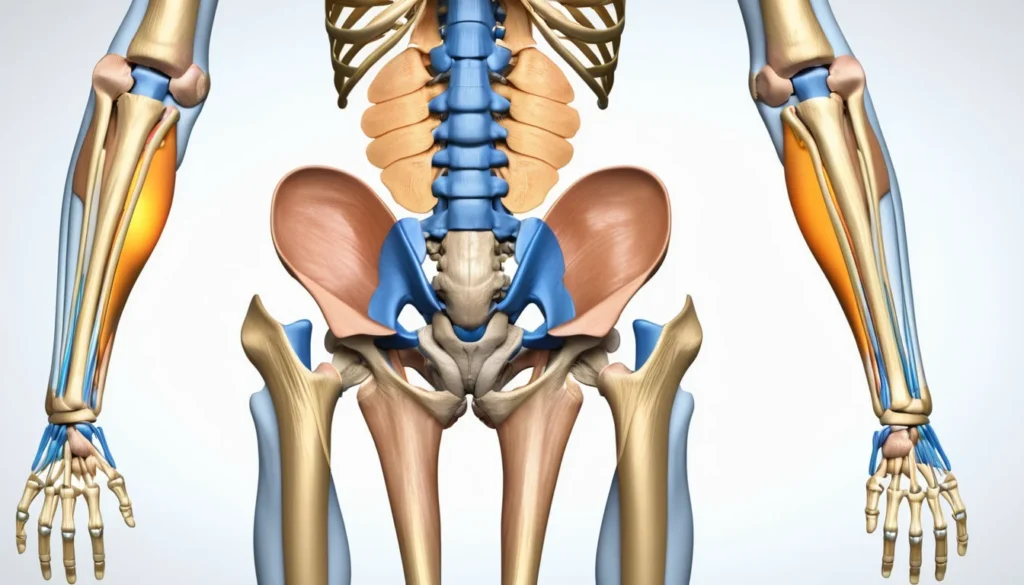
The hip has the most well-known group of adductor muscles in the body. These muscles sit along the inner thigh and include the adductor longus, adductor brevis, adductor magnus, gracilis, and pectineus. Together, they pull your leg toward the centre of your body.
These muscles are heavily used in sports like soccer, hockey, and horseback riding. Groin strains — a very common sports injury — often involve damage to one or more of these adductor muscles. In fact, groin injuries are among the most frequent injuries seen in Canadian recreational and competitive athletes.
Shoulder Adductor Muscles
At the shoulder, adduction is controlled primarily by the pectoralis major (chest muscle), the latissimus dorsi (the large back muscle), and the teres major. These muscles work together to bring your arm down and toward your body.
When you do a pull-up or a rowing exercise, your shoulder adductors are doing much of the work. Strengthening these muscles helps support your shoulder joint and can reduce the risk of rotator cuff problems over time.
Finger and Toe Adduction
Even your fingers and toes perform adduction. The interosseous muscles in your hand pull your fingers together toward the middle finger. Similarly, small muscles in your foot draw your toes together. These fine movements are essential for grip strength and balance.
Adduction in Everyday Life and Exercise
You use adduction constantly without even thinking about it. Walking requires your hip adductors to stabilize your pelvis with every step. Sitting down, climbing stairs, and changing direction while walking all involve adduction at the hip.
In fitness and rehabilitation settings, adduction exercises are common tools. A physiotherapist may prescribe adductor strengthening after a groin injury or hip surgery. These exercises help restore normal movement patterns and prevent re-injury.
Common adduction exercises include:
Side-lying leg raises (inward): Lying on your side and lifting the lower leg upward.
Cable hip adduction: Using a cable machine at the gym to pull your leg inward against resistance.
Sumo squats: A wide-stance squat that engages the inner thigh adductors.
Ball squeezes: Squeezing a soft ball between your knees while seated, commonly used in rehab programmes.
Seated adductor machine: Found in most gyms, this machine isolates the inner thigh muscles directly.
These exercises are frequently included in physiotherapy programmes across Canada, particularly after hip replacements or groin injuries. Always get guidance from a qualified health professional before starting a new exercise programme, especially after an injury.
Adduction and Common Injuries
When the adductor muscles are overloaded or overstretched, injury can result. Understanding these injuries can help you recognize symptoms early and seek appropriate care.
Groin Strains
A groin strain is a tear in one of the hip adductor muscles or their tendons. It typically happens during sudden movements like sprinting, kicking, or changing direction quickly. Pain in the inner thigh and groin area is the main symptom, along with swelling and difficulty walking.
Groin strains are graded from mild (Grade 1) to severe (Grade 3, a complete muscle tear). Most Grade 1 and 2 strains heal with rest, ice, compression, and physiotherapy. Grade 3 tears may require surgical consultation. Your family doctor or a walk-in clinic can assess the injury and refer you to a physiotherapist if needed.
Adductor Tendinopathy
Adductor tendinopathy is a chronic condition where the tendon connecting the adductor muscle to the bone becomes irritated or degenerated. It causes a dull, aching pain in the groin that worsens with activity. This condition is more common in adults who are physically active and may develop gradually over weeks or months.
Treatment usually involves a structured physiotherapy programme, activity modification, and sometimes shockwave therapy. Rest alone is rarely enough to resolve this condition. Early treatment leads to better outcomes, so it is important not to ignore persistent groin pain.
Shoulder Adductor Injuries
The muscles that perform shoulder adduction, particularly the pectoralis major, can be strained or torn during heavy lifting or contact sports. A pec tear causes sudden, sharp chest pain and weakness when pushing or pulling. This type of injury often requires imaging and sometimes surgical repair.
Furthermore, overuse of the shoulder adductors without adequate rest can contribute to shoulder impingement syndrome. This is a condition where soft tissues in the shoulder are pinched during movement. Healthline provides a helpful overview of shoulder impingement and its treatment options.
Adduction in Rehabilitation and Physiotherapy
Adduction plays a central role in many rehabilitation programmes. After hip surgery, knee replacement, or a groin injury, restoring adductor strength is a key milestone in recovery. Physiotherapists across Canada design progressive exercise programmes to rebuild this strength safely.
In addition, adductor weakness is linked to a higher risk of future injury. Research shows that athletes with weaker hip adductors are more likely to develop groin problems. Therefore, strengthening these muscles as part of a regular fitness routine makes good preventive sense.
Patients recovering from a stroke or neurological condition may also need to relearn adduction movements. In these cases, rehabilitation focuses on retraining the brain and muscles to work together again. This type of therapy is available through provincial health programmes and hospital-based rehab centres across Canada.
For more information on movement and rehabilitation, the Health Canada website offers resources on physical health and accessing rehabilitation services in your province.
When to See a Doctor
Most mild adductor muscle soreness after exercise is normal and resolves within a few days. However, some symptoms need prompt medical attention. You should see a doctor if you experience any of the following:
Sudden, sharp pain in the inner thigh or groin during activity
Significant swelling or bruising around the hip or inner thigh
Weakness or difficulty walking after a groin injury
Persistent pain that does not improve after one to two weeks of rest
A popping or snapping sensation at the time of injury
Pain that wakes you up at night or occurs at rest
Your first step should be to contact your family doctor or visit a walk-in clinic. They can perform a physical assessment, order imaging if needed, and refer you to a physiotherapist or specialist. Many provincial health plans in Canada cover physiotherapy referrals through a family physician. Do not try to push through significant pain — early treatment nearly always leads to a faster and more complete recovery.
It is always a good idea to consult a qualified healthcare professional before starting any new exercise programme or if you have concerns about joint or muscle pain. Every person’s situation is different, and a professional can give you guidance tailored to your specific needs.
Frequently Asked Questions About Adduction
What is the difference between adduction and abduction?
Adduction moves a limb toward the midline of the body, while abduction moves it away. For example, raising your arm out to the side is abduction, and lowering it back down to your side is adduction. These two movements are opposites and work together to give joints their full range of motion.
What muscles perform adduction at the hip?
The main muscles that perform adduction at the hip are the adductor longus, adductor brevis, adductor magnus, gracilis, and pectineus. These muscles are located along the inner thigh. They are commonly called the “groin muscles” and are frequently injured in sports that involve running and kicking.
Is adduction a normal part of walking?
Yes, adduction is a key part of normal walking. Your hip adductor muscles help stabilize your pelvis with every step you take. Without proper adduction control, your gait can become uneven, which may lead to hip, knee, or lower back problems over time.
How do I strengthen my adductor muscles?
You can strengthen your adductor muscles through exercises like side-lying leg raises, sumo squats, seated ball squeezes, and cable hip adduction. It is best to start with bodyweight exercises and gradually add resistance as your strength improves. A physiotherapist can design a safe adductor strengthening programme tailored to your fitness level.
Can adductor injuries heal on their own?
Mild adductor strains often heal with rest, ice, and gentle movement over one to three weeks. However, more serious injuries — such as a Grade 2 or 3 adductor tear — typically require physiotherapy and medical supervision to heal properly. Ignoring a significant adductor injury can lead to chronic pain and a higher risk of re-injury.
Does adduction training help prevent groin injuries?
Yes, research shows that strengthening the adductor muscles can significantly reduce the risk of groin injuries, particularly in athletes. Adduction-focused exercises are commonly included in injury prevention programmes for soccer players, hockey players, and other athletes. Speak with a physiotherapist or sports medicine professional about adding adductor training to your routine.
Key Takeaways
Adduction is the movement that brings a limb or body part toward the midline of your body.
It is the opposite of abduction, and both movements work together to maintain a full range of joint motion.
The hip adductor muscles — located along the inner thigh — are the most clinically important group of adductor muscles in the body.
Groin strains and adductor tendinopathy are common injuries that affect these muscles, especially in active Canadians and athletes.
Adduction exercises are a central part of rehabilitation programmes after hip surgery, groin injury, and certain neurological conditions.
Strengthening your adductor muscles regularly can help prevent future injury and support healthy joint function.
If you experience sudden groin pain, swelling, or weakness that does not improve, visit your family doctor or a walk-in clinic for a proper assessment.
Always consult a qualified healthcare professional before starting a new exercise or rehabilitation programme.