Addison’s disease is a rare but serious hormonal disorder that affects the adrenal glands. It impacts roughly 1 in 100,000 people in Canada and around the world. This article explains what Addison’s disease is, what causes it, how it is diagnosed, and how it is treated — so you can recognize the warning signs and get the right help.
What Is Addison’s Disease?
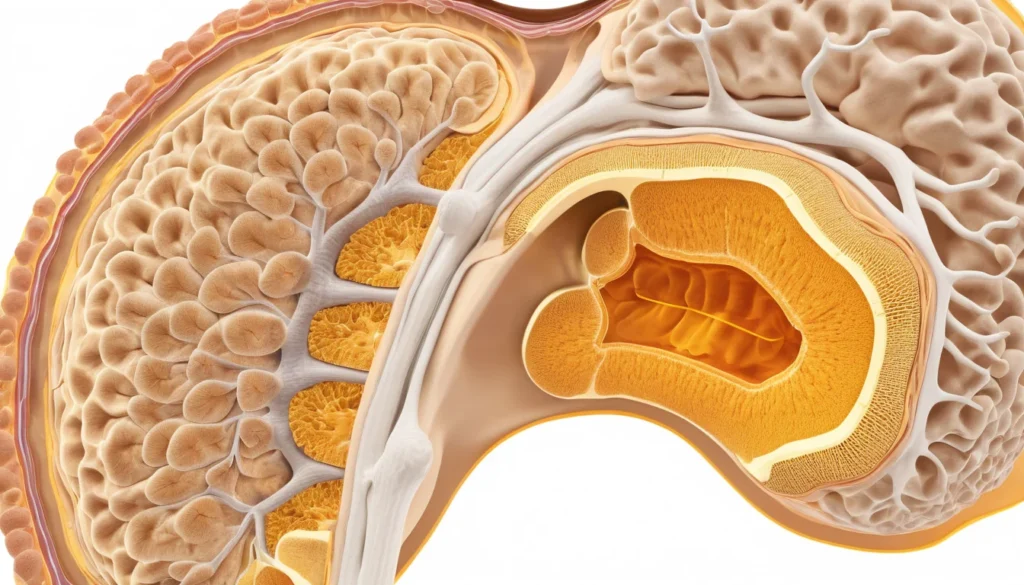
Addison’s disease occurs when the adrenal glands stop producing enough of certain key hormones. The adrenal glands are two small glands that sit on top of your kidneys. They are responsible for making hormones your body needs every day to function properly.
The most important hormone affected is cortisol. Cortisol helps your body manage stress, control blood sugar, regulate blood pressure, and fight infection. In many cases, the adrenal glands also fail to produce enough aldosterone, a hormone that helps keep your sodium and potassium levels balanced.
Because both of these hormones drop to dangerously low levels, Addison’s disease is also known as chronic adrenal insufficiency. Without proper treatment, it can become life-threatening. However, with the right care, most people with this condition live full and active lives.
For a detailed overview of adrenal hormone function, visit the Mayo Clinic’s guide to Addison’s disease.
What Causes Addison’s Disease?
The causes of Addison’s disease have changed significantly over the past century. In the past, tuberculosis was the most common cause of adrenal gland damage in Canada and worldwide. Today, that is rarely the case thanks to improved public health measures and access to care.
Autoimmune Disease: The Most Common Cause Today
The leading cause of Addison’s disease today is an autoimmune reaction. This means your immune system mistakenly attacks your own adrenal glands. Over time, this damage prevents the glands from making enough cortisol and aldosterone.
This autoimmune form often occurs alongside other autoimmune conditions. For example, some people with Addison’s disease also have chronic thyroid inflammation (called Hashimoto’s thyroiditis), type 1 diabetes, or premature ovarian insufficiency. When two or more of these conditions appear together, doctors call it autoimmune polyendocrine syndrome.
Other Possible Causes
In some cases, Addison’s disease is linked to a rare inherited problem with how the body processes certain fatty acids. This is known as a long-chain fatty acid metabolism disorder. Other less common causes include fungal infections, cancer that has spread to the adrenal glands, and certain medications.
In all of these situations, both adrenal glands are affected. As a result, hormone production drops significantly across the board.
Recognizing the Symptoms of Addison’s Disease
The symptoms of Addison’s disease develop slowly over time. This can make the condition difficult to spot in its early stages. Many people go months or even years without a correct diagnosis.
Common Early Symptoms
The most frequently reported symptoms include:
Extreme fatigue, especially in the evenings
Muscle weakness that worsens over time
Low blood pressure, which may cause dizziness when standing
Loss of appetite and unintentional weight loss
Low blood sugar (hypoglycaemia), particularly between meals
Strong salt cravings, caused by aldosterone deficiency
Skin Changes to Watch For
One of the most distinctive signs of Addison’s disease is a darkening of the skin. This brownish pigmentation appears in areas that bend or fold, such as the knuckles, elbows, and knees. It also shows up on mucous membranes inside the mouth.
Importantly, this darkening happens regardless of sun exposure. It is caused by rising levels of a hormone called ACTH, which stimulates pigment-producing cells in the skin. If you notice unusual skin darkening alongside fatigue and low blood pressure, speak to your family doctor right away.
Psychological and Mental Symptoms
Addison’s disease does not only affect the body. Many people also experience mental and emotional fatigue, difficulty concentrating, and low mood. These symptoms are easy to dismiss or attribute to stress or poor sleep. However, they are a real and important part of the condition.
Learn more about how adrenal hormones affect overall health from Healthline’s overview of Addison’s disease.
How Is Addison’s Disease Diagnosed?
Diagnosing Addison’s disease requires specific blood tests and imaging. Your family doctor or an endocrinologist (a hormone specialist) will lead this process.
The ACTH Stimulation Test
The key diagnostic test for Addison’s disease is the ACTH stimulation test. A doctor injects a synthetic form of ACTH into your bloodstream and then measures how your adrenal glands respond. In a healthy person, cortisol and aldosterone levels rise significantly within one hour. In someone with Addison’s disease, these levels stay low.
In addition, doctors look for naturally elevated ACTH levels in the blood. When the adrenal glands fail, the pituitary gland in the brain works harder by releasing more ACTH. This is the body’s way of trying to stimulate more hormone production — but it doesn’t work if the adrenal glands are too damaged.
Additional Tests
Your doctor may also order the following:
Anti-adrenal antibody tests — to check for the autoimmune form of the disease
A full hormonal panel — to assess overall endocrine function
A CT scan or ultrasound of the adrenal region — to look for structural changes, damage, or tumours
Blood sugar and electrolyte tests — to check sodium, potassium, and glucose levels
In Canada, these tests are typically covered under provincial health plans. Ask your family doctor for a referral to an endocrinologist if Addison’s disease is suspected.
Treating Addison’s Disease
There is no cure for Addison’s disease, but it is very manageable with the right treatment plan. Most people with this condition live long, healthy lives when they follow their prescribed treatment carefully.
Lifelong Hormone Replacement Therapy
The cornerstone of treatment is daily hormone replacement taken by mouth. Doctors prescribe a corticosteroid medication (such as hydrocortisone) to replace cortisol. If aldosterone is also low, a medication called fludrocortisone is added to replace it.
These medications are taken every day for life. They are generally very effective at controlling symptoms when taken as directed. Your doctor will adjust the dose based on your individual needs and how you respond to treatment.
Managing Stress and Illness: Sick Day Rules
When the body is under physical or emotional stress — such as during an illness, surgery, or injury — it normally produces extra cortisol. However, people with Addison’s disease cannot do this on their own. Therefore, they must temporarily increase their medication dose during these times.
This is sometimes called the “sick day rule.” Your endocrinologist or family doctor will give you clear instructions on how to adjust your dose when you are unwell. Following this advice is critical to preventing a medical emergency called an adrenal crisis.
Diet and Lifestyle
People with Addison’s disease are generally advised to follow a normal-sodium diet. Unlike most Canadians who are told to reduce salt, people with this condition often need a steady and adequate intake of sodium because aldosterone helps retain it. Always follow your doctor’s specific dietary advice.
Adrenal Crisis: A Medical Emergency
An adrenal crisis is a sudden and severe worsening of adrenal insufficiency. It can be triggered by infection, physical trauma, surgery, or even severe emotional stress. This is a life-threatening emergency that requires immediate medical attention.
Signs of an Adrenal Crisis
Symptoms of an adrenal crisis come on quickly and may include:
Severe dehydration
Sudden abdominal pain
Vomiting and diarrhoea
Extreme weakness or collapse
Dangerously low blood pressure
Loss of consciousness
If you or someone you know has Addison’s disease and shows these signs, call 911 immediately. An adrenal crisis requires urgent intravenous (IV) fluids and stress-dose corticosteroids in a hospital setting. Do not wait to see if symptoms improve on their own.
The World Health Organization’s health fact sheets provide further context on endocrine conditions and global health priorities.
When to See a Doctor
If you have been feeling unusually tired, dizzy, or have noticed changes in your skin colour or a strong craving for salty foods, it is worth speaking to a healthcare provider. These symptoms may seem minor at first, but they can be early signs of Addison’s disease.
You can start by visiting your family doctor, who can order initial blood tests and refer you to an endocrinologist if needed. If you do not have a family doctor, a walk-in clinic is a good first step. Many provinces also offer telehealth lines where you can speak with a nurse or doctor by phone at no cost.
Early diagnosis makes a significant difference. The sooner Addison’s disease is identified and treated, the easier it is to manage day to day. As always, speak with a qualified healthcare professional before making any changes to your health routine or medications. This article is for informational purposes only and is not a substitute for personalized medical advice.
Frequently Asked Questions About Addison’s Disease
What is Addison’s disease and how common is it in Canada?
Addison’s disease is a rare hormonal condition in which the adrenal glands fail to produce enough cortisol and, in many cases, aldosterone. It affects approximately 1 in 100,000 people, making it uncommon but important to recognize. Canadians with unexplained fatigue, low blood pressure, or unusual skin darkening should ask their family doctor about adrenal function testing.
What are the first signs of Addison’s disease?
The earliest signs of Addison’s disease are often extreme fatigue, muscle weakness, and low blood pressure that causes dizziness when standing up. Some people also notice a brownish darkening of the skin, especially at skin folds and inside the mouth. These symptoms develop gradually, which can make Addison’s disease easy to overlook in its early stages.
Is Addison’s disease life-threatening?
Addison’s disease itself is manageable with daily medication, but an adrenal crisis — a sudden, severe episode — can be life-threatening if not treated immediately. Triggers include illness, surgery, injury, or severe stress. People diagnosed with Addison’s disease are taught to recognize the warning signs and to seek emergency care right away if a crisis occurs.
How is Addison’s disease treated in Canada?
In Canada, Addison’s disease is treated with lifelong oral hormone replacement therapy, typically hydrocortisone to replace cortisol and fludrocortisone to replace aldosterone. Treatment is managed by an endocrinologist, with referrals usually made through a family doctor. Most provincial health plans cover the necessary medications and specialist visits.
Can you live a normal life with Addison’s disease?
Yes, most people with Addison’s disease live full and active lives with the right treatment. Taking daily hormone replacement medication consistently is key to staying healthy. People with this condition do need to take extra precautions during illness or surgery by temporarily adjusting their medication under a doctor’s guidance.
What triggers an adrenal crisis in someone with Addison’s disease?
An adrenal crisis in someone with Addison’s disease can be triggered by physical stress such as a serious infection, injury, or surgery, as well as severe emotional or psychological stress. The body normally produces extra cortisol during these events, but people with Addison’s disease cannot do this without additional medication. If a crisis occurs, call 911 immediately as emergency treatment with IV steroids and fluids is required.
Key Takeaways
Addison’s disease is a rare condition where the adrenal glands do not produce enough cortisol and sometimes aldosterone. The most common cause today is an autoimmune reaction that damages the adrenal glands. Symptoms develop slowly and include fatigue, muscle weakness, low blood pressure, skin darkening, and salt cravings. Diagnosis involves the ACTH stimulation test, antibody testing, and adrenal imaging. Treatment requires daily lifelong hormone replacement taken by mouth. Doses must be increased during illness, stress, or surgery to prevent a dangerous adrenal crisis.</li