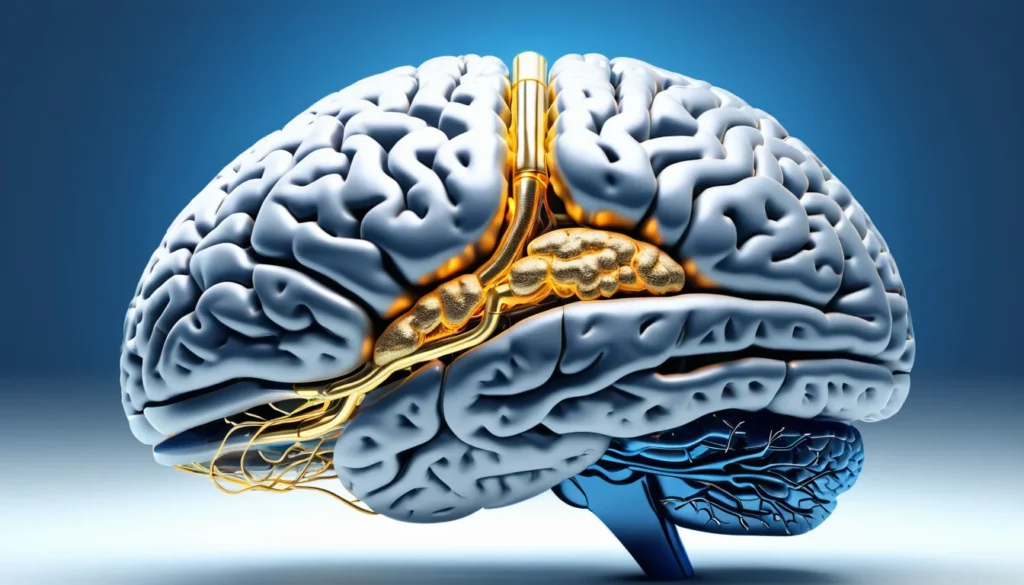
Addiction is a complex condition where a person feels a powerful, uncontrollable urge to use a substance or repeat a behaviour — even when it causes serious harm. It affects millions of Canadians each year, touching people of all ages, backgrounds, and walks of life. This article explains what addiction is, what causes it, and what treatment options are available to Canadians. If you think you or someone you love may be struggling, help is available through your family doctor, a walk-in clinic, or a provincial health programme.
What Is Addiction?
Addiction is more than a bad habit or a lack of willpower. It is a medical condition that changes how the brain works. Over time, repeated use of a substance — or repeated engagement in certain behaviours — alters the brain’s reward system.
As a result, a person begins to crave that substance or behaviour more and more. They may feel unable to stop, even when they want to. This loss of control is one of the defining features of addiction.
Addiction can involve substances such as alcohol, tobacco, cannabis, opioids, or prescription medications. It can also involve behaviours like gambling. Health Canada’s substance use resources provide detailed information on the most common types of addiction affecting Canadians today.
Common Signs and Symptoms of Addiction
Recognising addiction early can make a big difference in recovery. However, the signs are not always obvious — especially in the early stages. Many people hide their struggles from friends and family.
Here are some common signs of addiction to watch for:
Strong cravings for a substance or behaviour
Using more of a substance than originally intended
Spending a lot of time getting, using, or recovering from the substance
Neglecting work, school, or family responsibilities
Continuing to use a substance even when it causes physical or emotional harm
Withdrawing from friends, family, and activities once enjoyed
Feeling unable to stop, even after trying many times
Experiencing withdrawal symptoms when stopping
Not everyone will show all of these signs. Furthermore, addiction can look different depending on the substance or behaviour involved. If you notice several of these signs in yourself or someone close to you, it is worth speaking with a healthcare provider.
Physical vs. Psychological Symptoms
Addiction has both physical and psychological symptoms. Physical symptoms include shaking, sweating, nausea, and sleep problems — especially during withdrawal. These symptoms can be serious and sometimes dangerous without medical support.
Psychological symptoms include anxiety, depression, irritability, and strong mood swings. Many people with addiction also experience feelings of shame or hopelessness. These feelings are normal, and they do not mean recovery is impossible.
What Causes Addiction?
There is no single cause of addiction. Instead, it usually results from a combination of factors. Understanding these factors helps reduce stigma and supports more effective treatment.
Brain Chemistry
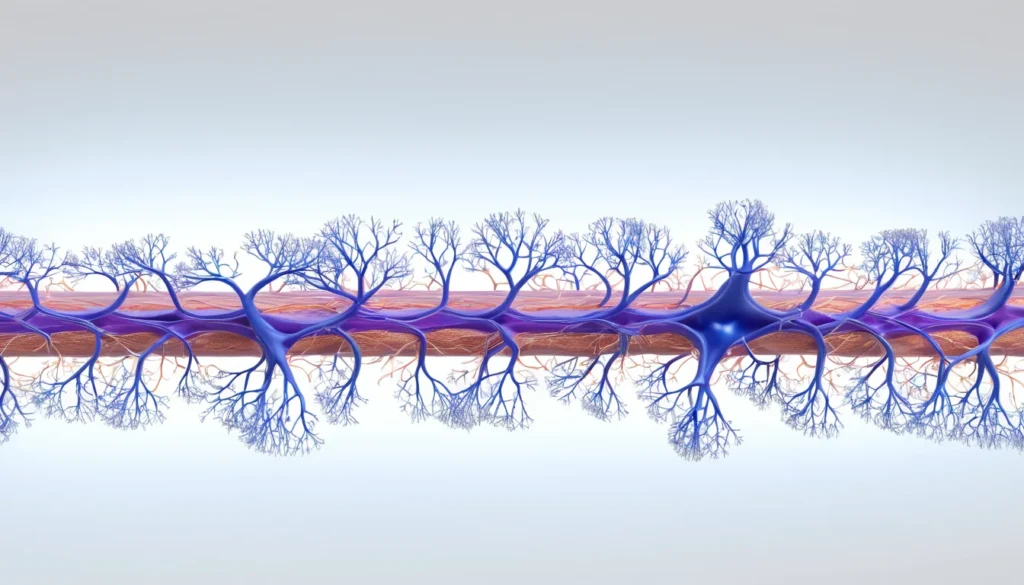
When a person uses an addictive substance, the brain releases a chemical called dopamine. Dopamine creates a feeling of pleasure or reward. Over time, the brain adjusts to these dopamine surges. As a result, the person needs more of the substance to feel the same effect. This process is called tolerance.
Genetics and Family History
Research shows that addiction can run in families. A person with a parent or sibling who has struggled with addiction has a higher risk of developing one themselves. However, having a family history does not mean addiction is inevitable. Many people with a genetic risk never develop an addiction.
Mental Health
Mental health conditions such as depression, anxiety, post-traumatic stress disorder (PTSD), and attention deficit hyperactivity disorder (ADHD) are closely linked to addiction. Many people use substances to manage difficult emotions or to cope with mental health symptoms. This is sometimes called self-medication.
Environment and Life Experiences
A person’s environment plays a significant role in addiction. Growing up with trauma, neglect, or abuse increases risk. In addition, peer pressure, stress, and easy access to substances are important factors. Social isolation — which became more common during the COVID-19 pandemic — has also been linked to increased substance use across Canada.
How Addiction Affects the Body and Mind
Addiction does not only affect behaviour. It changes the brain and body in lasting ways. The longer addiction continues without treatment, the greater the damage can be.
In the brain, addiction weakens the areas responsible for decision-making, impulse control, and stress management. This is why people with addiction often struggle to make healthy choices — not because they do not care, but because their brain has been altered by prolonged substance use.
Physically, addiction can cause serious health problems including liver disease, heart disease, lung damage, nutritional deficiencies, and a weakened immune system. The specific health effects depend on the type of substance used. For example, long-term opioid use can affect breathing, while heavy alcohol use can damage the liver and nervous system.
According to the World Health Organization’s alcohol fact sheet, harmful alcohol use is one of the leading risk factors for premature death and disability worldwide. Canada is not immune to this reality.
Impact on Relationships and Daily Life
Addiction affects more than just the individual. It places enormous stress on families, friendships, and workplaces. Loved ones often feel helpless, confused, or angry. Children in households affected by addiction may face emotional, developmental, and safety challenges.
Financial strain is also common. People with addiction may spend large amounts of money on substances, miss work, or lose their jobs. These pressures can create a cycle that makes recovery even harder.
Addiction Treatment Options in Canada
The good news is that addiction is treatable. Recovery is possible at any stage, and many Canadians go on to live full, healthy lives after receiving proper support. Treatment works best when it is tailored to the individual’s needs.
Medical Detox
For many people, the first step in treatment is detox — safely removing the substance from the body under medical supervision. Detox can be uncomfortable and even dangerous without proper care. In Canada, medically supervised detox programmes are available through hospitals, addiction treatment centres, and some provincial health plans.
Medications
Several medications can help manage withdrawal symptoms and reduce cravings. For example, medications like methadone and buprenorphine are used in opioid agonist therapy (OAT) — a proven treatment for opioid addiction. These medications are covered under most provincial drug benefit programmes. Your family doctor or a specialist can discuss whether medication is right for you.
Counselling and Therapy
Therapy is a cornerstone of addiction treatment. Cognitive behavioural therapy (CBT) helps people identify and change the thought patterns that fuel addictive behaviour. Other effective approaches include motivational interviewing, group therapy, and family counselling.
Many provinces offer funded counselling services through their mental health and addictions programmes. Ask your family doctor for a referral, or contact your provincial health authority to find services near you.
Support Groups and Community Programmes
Support groups like Alcoholics Anonymous (AA) and Narcotics Anonymous (NA) provide peer support and community for people in recovery. These groups are free, widely available across Canada, and can be a powerful complement to professional treatment. In addition, many communities offer culturally specific programmes for Indigenous Canadians, newcomers, and other groups with unique needs.
For more information on the science of addiction and recovery, visit the Mayo Clinic’s guide to drug addiction.
When to See a Doctor
If you are worried about your own substance use — or someone else’s — do not wait. Speak with your family doctor as soon as possible. They can assess the situation, provide a referral, and help connect you with local treatment resources. There is no shame in asking for help.
If you do not have a family doctor, a walk-in clinic is a good first step. Walk-in clinic physicians can provide initial support, prescribe medications in some cases, and refer you to addiction specialists or mental health services.
In a crisis — for example, if someone has overdosed or is at immediate risk of harm — call 911 right away. Canada also has a national crisis line: call or text 988 for the Suicide Crisis Helpline, which also supports people in mental health and substance use crises.
Your provincial health plan covers many addiction-related services. Do not hesitate to use them. You deserve support, and treatment works.
Frequently Asked Questions About Addiction
What is the difference between addiction and dependence?
Dependence refers to the body adapting to a substance, leading to withdrawal symptoms when stopped. Addiction goes further — it involves a compulsive need to use the substance despite harmful consequences. Both conditions benefit from medical support, and your family doctor can help you understand which applies to your situation.
Can addiction be cured?
Addiction is considered a chronic condition, meaning it requires long-term management rather than a one-time cure. However, many people with addiction achieve lasting recovery with the right treatment and support. Like other chronic conditions such as diabetes or high blood pressure, addiction can be effectively managed over time.
Is addiction covered by provincial health plans in Canada?
Many addiction treatment services are covered under provincial and territorial health plans, including medical detox, opioid agonist therapy, and some counselling programmes. Coverage varies by province, so it is best to contact your provincial health authority or speak with your family doctor to find out what is available in your area.
How do I help a family member with addiction?
Supporting a loved one with addiction can be challenging and emotionally draining. The most helpful things you can do are express concern without judgment, encourage them to seek professional help, and set clear boundaries to protect your own wellbeing. Family counselling and support groups like Al-Anon can provide guidance for families affected by addiction.
What are the early signs of addiction?
Early signs of addiction include using a substance more often or in larger amounts than planned, feeling strong cravings, and continuing to use despite negative consequences. A person may also begin to withdraw from friends and family or neglect responsibilities at work or school. Catching these signs early and speaking with a doctor gives the best chance for a smoother recovery.
What should I do if someone overdoses?
If you suspect someone has overdosed, call 911 immediately — do not wait. If opioids are involved and you have naloxone (Narcan) available, administer it right away. Naloxone kits are available for free at most pharmacies across Canada without a prescription, and knowing how to use one can save a life.
Key Takeaways
Addiction is a medical condition, not a moral failing or a lack of willpower.
It changes the brain, making it genuinely difficult for a person to stop without help.
Many factors contribute to addiction, including genetics, mental health, and life experiences.
Treatment works. Options include medical detox, medication, therapy, and community support programmes.
Help is accessible in Canada through family doctors, walk-in clinics, provincial health programmes, and crisis lines.
Recovery is possible at any stage of addiction — it is never too late to seek support.
Always speak with a qualified healthcare provider before making decisions about addiction treatment.