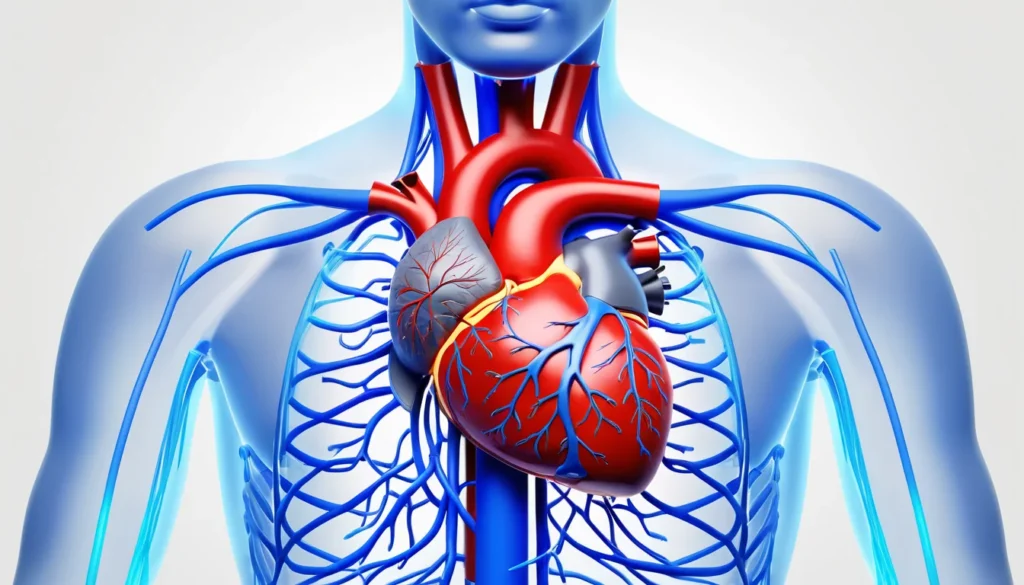
Adams-Stokes syndrome is a serious condition where the brain suddenly loses blood flow because the heart slows down or stops briefly. This causes unexpected fainting episodes that can happen at any time, without warning. In Canada, this condition is most commonly diagnosed in men over the age of 50. Understanding the causes, symptoms, and treatment options can help you or a loved one get the right care quickly.
What Is Adams-Stokes Syndrome?
Adams-Stokes syndrome is a neurological event triggered by a sudden drop in blood flow to the brain. The drop happens because the heart’s electrical system malfunctions. As a result, the heart beats too slowly or stops momentarily. The brain is then starved of oxygen-rich blood, causing a person to lose consciousness.
This condition is closely linked to two specific heart problems. The first is bradycardia, which means an abnormally slow heart rate. The second is atrioventricular (AV) block, where the electrical signals between the upper and lower chambers of the heart are delayed or completely blocked. Both problems reduce the heart’s ability to pump blood effectively.
For more background on how the heart’s electrical system works, visit Mayo Clinic’s guide on heart arrhythmias.
Who Is at Risk of Adams-Stokes Syndrome?
Adams-Stokes syndrome tends to affect men over the age of 50, though it can occur in women as well. Age-related changes in the heart’s electrical pathways are a key risk factor. However, younger people with certain heart conditions can also be affected.
Several factors can increase a person’s risk. These include:
A history of heart disease or coronary artery disease
Previous heart attacks that damaged the heart’s electrical tissue
Certain medications that slow heart rate, such as beta-blockers or calcium channel blockers
Electrolyte imbalances, including low potassium or calcium levels
Inherited or genetic heart conditions affecting electrical conduction
Lyme disease, which can affect the heart’s conduction system in some cases
In Canada, Health Canada recognizes heart disease as one of the leading causes of illness and death. Knowing your personal risk factors and discussing them with your family doctor is an important first step.
Recognising the Symptoms of Adams-Stokes Syndrome
The most recognisable feature of Adams-Stokes syndrome is a sudden, unexplained fainting episode, also called syncope. Unlike fainting caused by standing up too quickly or overheating, this type of syncope is not linked to physical effort or emotional stress. It can happen while a person is sitting, standing, or even lying down.
What Happens During an Episode
During an episode, the person loses consciousness very quickly. They may appear pale, limp, and completely unresponsive. Importantly, they continue to breathe throughout the episode, even though their pulse may be very weak or absent. Most people regain consciousness within a few seconds to a few minutes.
In some cases, a brief episode may look like a seizure. The person’s muscles may twitch due to the sudden lack of oxygen to the brain. This can sometimes lead to a misdiagnosis of epilepsy, so it is important to describe the full episode to your doctor.
Warning Signs Before Fainting
Some people notice warning signs just before they faint. These can include:
Sudden dizziness or lightheadedness
A feeling that the heart has paused or skipped a beat
Brief confusion or trouble focusing
Nausea without an obvious cause
Blurred or darkened vision just before losing consciousness
However, many episodes happen with no warning at all. This unpredictability makes Adams-Stokes syndrome especially dangerous. Falling suddenly without warning can lead to serious injuries, including head trauma and fractures.
How Is Adams-Stokes Syndrome Diagnosed?
Diagnosing Adams-Stokes syndrome requires a careful look at the heart’s electrical activity. A standard electrocardiogram (ECG) taken in a clinic or emergency room may or may not catch the problem. This is because the abnormal rhythm often comes and goes unpredictably.
Holter Monitor Recording
One of the most useful diagnostic tools is a Holter monitor. This is a small, portable device that records your heart’s electrical activity continuously for 24 to 48 hours. You wear it at home while going about your normal daily activities. If an abnormal rhythm occurs during that time, the device will capture it.
Your family doctor or a cardiologist can arrange a Holter monitor test. In most Canadian provinces, this test is covered under your provincial health plan. Ask your doctor whether a referral to a cardiologist is needed in your province.
His Bundle Recording
In more complex cases, doctors may perform a His bundle recording. This is an advanced test that measures the electrical signals in a specific part of the heart called the Bundle of His. The Bundle of His is a group of fibres that carry electrical impulses from the upper chambers of the heart down to the lower chambers, called the ventricles.
This test is done in a hospital using a thin wire called an intracardiac catheter. It is placed inside the heart through a blood vessel. The procedure is typically performed by a cardiac electrophysiologist — a specialist in heart rhythm disorders. This level of testing helps confirm exactly where the electrical block is occurring.
For a detailed overview of heart rhythm testing, Healthline explains what to expect during an electrophysiology study.
Treatment Options for Adams-Stokes Syndrome
The main goal of treatment is to prevent future fainting episodes and protect the person from injury. Because the root cause is an electrical problem in the heart, treatment focuses on correcting or compensating for that problem.
Pacemaker Implantation
The most effective treatment for Adams-Stokes syndrome is the implantation of a pacemaker. A pacemaker is a small electronic device placed just under the skin near the collarbone. It continuously monitors the heart’s rhythm. When it detects that the heart has slowed too much or stopped, it sends a small electrical pulse to trigger a heartbeat.
Pacemaker surgery is a routine procedure in Canada. It is performed in hospitals across the country, and the cost is covered by provincial health insurance plans for eligible patients. Most people go home within one to two days after the procedure. Recovery is generally quick, and most patients notice a dramatic improvement in their symptoms almost immediately.
Medications and Other Approaches
In some cases, doctors may recommend medications to help manage the heart rate while awaiting surgery or further testing. However, medications alone are rarely enough to fully control Adams-Stokes syndrome. In addition, doctors will review all existing medications to check if any are contributing to the slow heart rate.
Lifestyle adjustments may also be recommended. These include avoiding activities that could lead to serious injury if a fainting episode occurs, such as driving or working at heights. Your cardiologist will give you personalised guidance based on your specific situation.
When to See a Doctor
If you or someone you know has experienced a sudden unexplained fainting episode, seek medical attention right away. Do not wait to see if it happens again. A single episode of Adams-Stokes syndrome can result in a serious fall or injury.
You have several options in Canada depending on urgency:
Call 911 or go to your nearest emergency room if the person is unresponsive, has difficulty breathing, or does not recover within a minute or two.
Visit a walk-in clinic if the episode was brief, the person has fully recovered, and there are no ongoing symptoms. Bring a detailed description of exactly what happened.
Book an appointment with your family doctor as soon as possible for follow-up testing, including an ECG and possible Holter monitor referral.
Do not drive yourself to the clinic or hospital if you suspect a heart rhythm problem. Ask a friend or family member to take you, or call for emergency services. Your safety and the safety of others on the road must come first.
It is always best to discuss any new or recurring symptoms with a qualified healthcare provider. Only a doctor can properly diagnose Adams-Stokes syndrome and recommend the right treatment for your situation.
Living With Adams-Stokes Syndrome After Treatment
Most people who receive a pacemaker for Adams-Stokes syndrome go on to live full, active lives. The device works around the clock to keep the heart beating at a safe rate. Regular follow-up appointments with a cardiologist are important to make sure the pacemaker is working properly.
In Canada, pacemaker follow-up programmes are available in most major cities and many smaller centres. Some provinces also offer remote monitoring, where the pacemaker sends data wirelessly to your care team between visits. Ask your cardiologist whether remote monitoring is available in your area.
Furthermore, it is important to carry a medical identification card or wear a medical alert bracelet. This lets emergency responders know you have a pacemaker if you are ever unable to speak for yourself. Your cardiologist’s office can provide the appropriate documentation after your procedure.
Frequently Asked Questions About Adams-Stokes Syndrome
What causes Adams-Stokes syndrome?
Adams-Stokes syndrome is caused by a sudden disruption in the heart’s electrical system, leading to an extremely slow heart rate or a complete pause in heartbeats. This is usually due to bradycardia or atrioventricular (AV) block. As a result, the brain temporarily loses blood flow, causing sudden loss of consciousness.
Is Adams-Stokes syndrome the same as a seizure?
Adams-Stokes syndrome is not the same as a seizure, but the two can look similar from the outside. During an episode of Adams-Stokes syndrome, brief muscle twitching can occur due to lack of oxygen to the brain. However, the underlying cause is a heart rhythm problem, not abnormal brain activity. A proper diagnosis requires an ECG and sometimes a Holter monitor test.
Can Adams-Stokes syndrome be cured?
Adams-Stokes syndrome cannot always be cured, but it can be effectively managed. The most common and successful treatment is pacemaker implantation, which prevents future fainting episodes by maintaining a steady heart rate. Most patients experience a significant improvement in quality of life after receiving a pacemaker.
Is a pacemaker covered by provincial health insurance in Canada?
In most Canadian provinces, pacemaker implantation for conditions like Adams-Stokes syndrome is covered under provincial health insurance plans. However, coverage details can vary depending on your province or territory. It is best to confirm coverage with your family doctor or cardiologist before the procedure.
How is Adams-Stokes syndrome diagnosed in Canada?
Diagnosis typically begins with an ECG performed by a family doctor or at a walk-in clinic. If the initial results are inconclusive, a Holter monitor may be prescribed to record the heart’s activity over 24 to 48 hours. In complex cases, a specialist may perform an advanced test called a His bundle recording to pinpoint the exact location of the electrical block.
Can someone with Adams-Stokes syndrome drive a car?
Driving may not be safe for someone with Adams-Stokes syndrome before treatment, due to the risk of sudden fainting. After successful pacemaker implantation, many patients are eventually cleared to drive again. However, each province has its own rules about driving with a heart condition, so you should speak with your cardiologist and check with your provincial licensing authority.
Key Takeaways
Adams-Stokes syndrome is caused by a sudden slowing or stopping of the heart, which cuts off blood flow to the brain.
The main symptom is sudden, unexplained fainting that can happen at any time, without warning.
It most commonly affects men over 50, but it can occur in anyone with an underlying heart rhythm problem.
Diagnosis involves an ECG or Holter monitor and, in some cases, an advanced His bundle recording.
The most effective treatment is pacemaker implantation, which is available across Canada and covered by most provincial health plans.
If you or someone you know experiences a sudden fainting episode, seek medical care immediately — at a walk-in clinic, with your family doctor, or at an emergency room if needed.
Always consult a qualified healthcare provider for a proper diagnosis and personalised treatment plan.