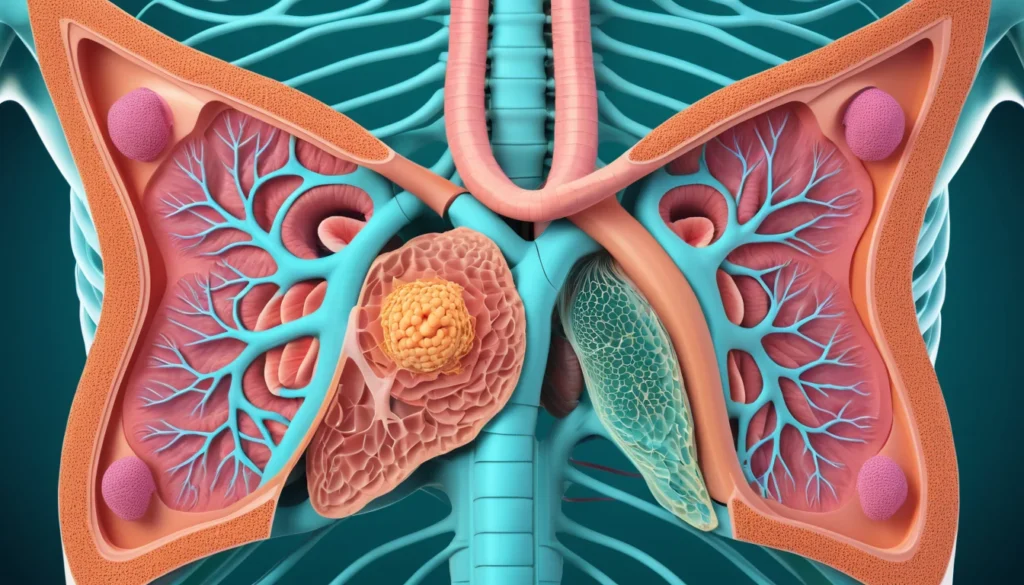
Acute severe asthma — also called status asthmaticus — is a medical emergency that can become fatal within minutes. Unlike a typical asthma attack, this condition does not respond to regular inhalers or standard treatments. Every Canadian living with asthma should understand the warning signs, triggers, and emergency steps involved. This article explains what acute severe asthma is, how it differs from regular asthma, and what happens during emergency treatment.
What Is Acute Severe Asthma?
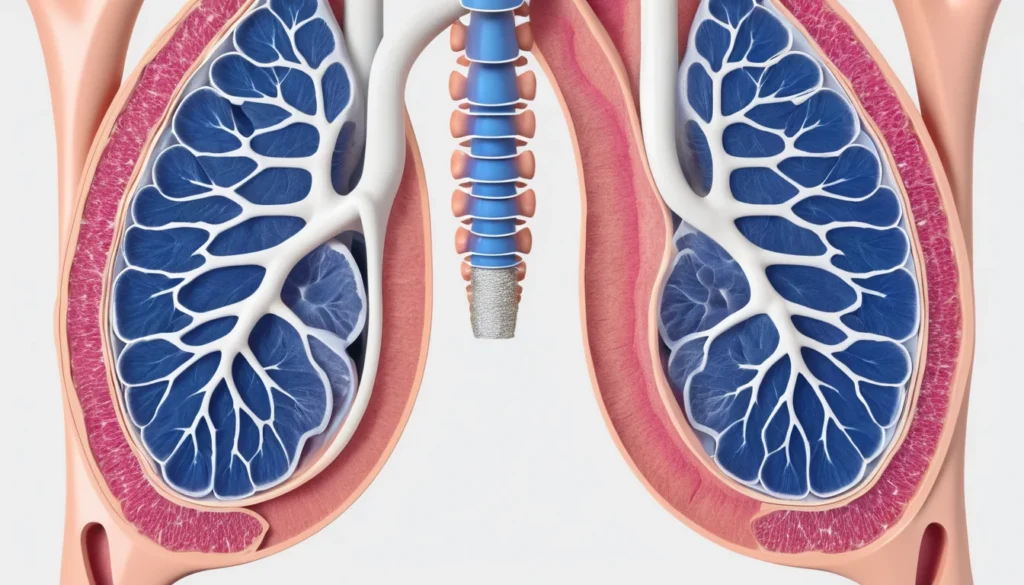
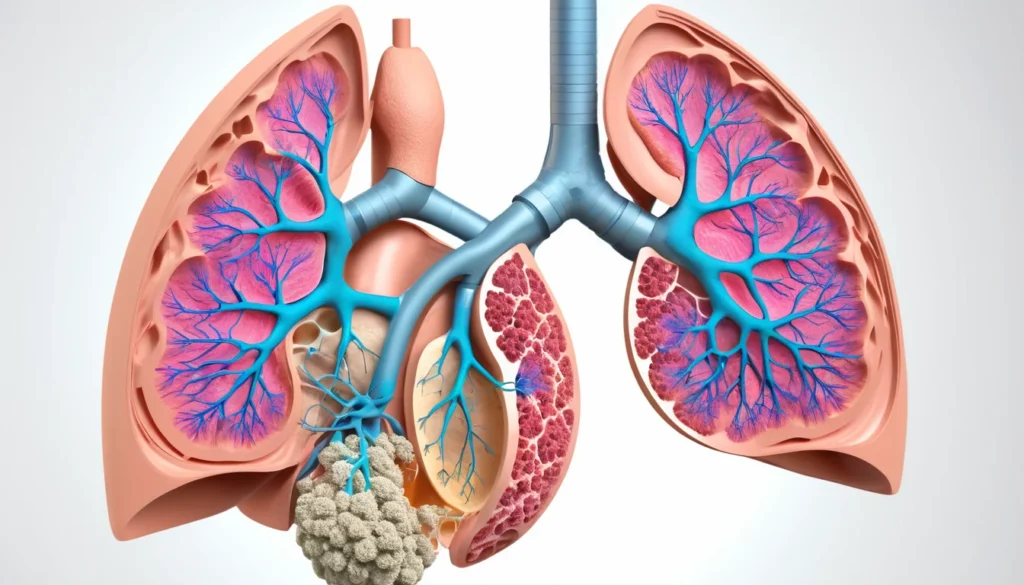
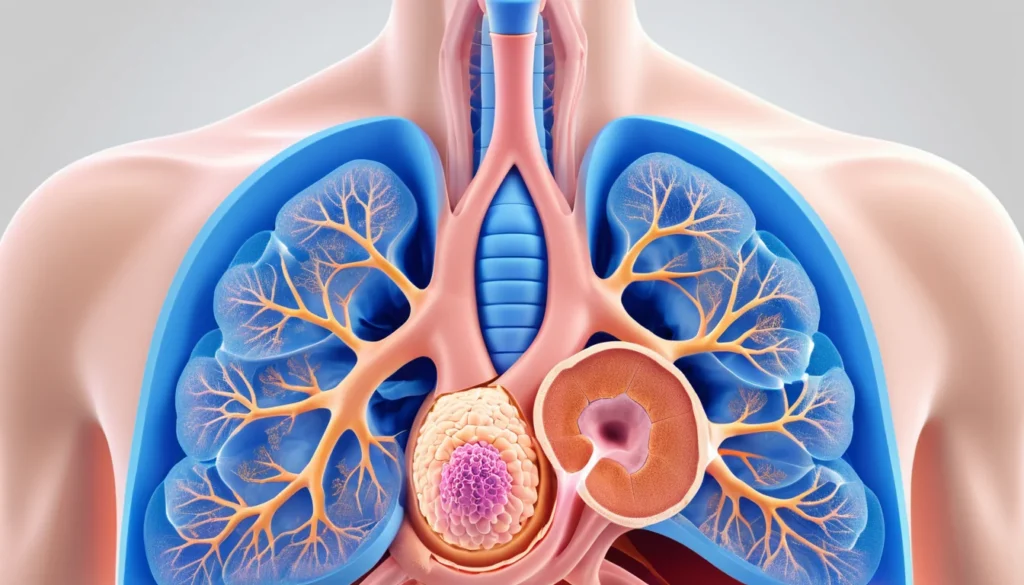
Acute severe asthma is the most dangerous stage of an asthma episode. During this stage, the airways become so narrow and inflamed that normal breathing becomes nearly impossible.
This condition is different from a regular asthma flare-up. With a typical attack, a rescue inhaler usually brings quick relief. However, with acute severe asthma, those same inhalers stop working. The airways stay blocked, and the body cannot get enough oxygen.
According to researchers, roughly 20% of all asthma-related hospital admissions involve acute severe asthma. This makes it one of the most serious respiratory emergencies seen in Canadian hospitals and emergency departments.
Acute Severe Asthma vs. Regular Asthma
When someone has regular asthma, their doctor often prescribes two types of inhalers. The first is a long-acting controller inhaler used daily to keep airways open. The second is a short-acting rescue inhaler used during sudden symptoms.
For most people, the rescue inhaler works well during a flare-up. It delivers a bronchodilator — a medicine that relaxes and opens the airways — directly into the lungs. In most cases, symptoms improve within minutes.
However, acute severe asthma is a different situation entirely. The airways are so inflamed and tight that bronchodilators and even corticosteroids fail to produce relief. This is the key sign that someone has moved beyond a regular asthma attack and into a life-threatening emergency.
If your inhaler is not helping after several puffs, do not wait. Call 9-1-1 or go to your nearest emergency room immediately.
Common Causes and Triggers
Understanding what triggers acute severe asthma can help people with asthma take steps to protect themselves. In many cases, an upper respiratory tract infection is the most common cause. These infections increase mucus production in the lungs, which makes breathing much harder.
Infections That Can Trigger a Crisis
Several infections are known to trigger acute severe asthma episodes. These include:
Influenza (the flu virus)
Chlamydia pneumoniae bacterial infection
Herpes simplex virus
Other upper respiratory viral infections
In addition to infections, allergic reactions to certain foods can also bring on a severe episode. For example, some people experience a dangerous reaction after eating foods they are allergic to, which can rapidly worsen into acute severe asthma.
When No Clear Cause Is Found
It is important to know that doctors do not always find a clear trigger. In some cases, acute severe asthma develops without an obvious cause. This is why people with asthma should always have an updated asthma action plan, prepared with their family doctor or specialist.
You can learn more about managing asthma triggers on the Health Canada website.
Symptoms of Acute Severe Asthma
The symptoms of acute severe asthma come on quickly and can worsen within minutes. Recognising them early is critical. The sooner someone gets emergency care, the better their chances of a full recovery.
Physical Symptoms to Watch For
Common physical symptoms of acute severe asthma include:
Severe shortness of breath (dyspnoea) that does not improve with inhalers
Bluish colour around the lips and fingernails (called cyanosis)
Wheezing or a high-pitched whistling sound when breathing
Visible pulling of the skin between the ribs and at the neck when breathing in
Flaring nostrils with each breath
Heavy sweating
Anxiety and a strong sense of panic
Changes in Vital Signs
During an acute severe asthma episode, a doctor will also notice important changes in vital signs. These include a faster breathing rate, a faster heart rate, and a drop in blood oxygen levels. These changes confirm that the body is struggling to get enough oxygen.
Furthermore, confusion or difficulty concentrating can signal that the brain is not receiving enough oxygen. This is a very serious sign that requires immediate emergency intervention.
Conditions That Can Look Like Acute Severe Asthma
It is worth knowing that other health conditions can produce similar symptoms. Doctors must quickly rule these out before confirming a diagnosis of acute severe asthma. Conditions that can mimic it include:
Anaphylaxis (a severe allergic reaction)
Pneumonia
Bronchiolitis
Cystic fibrosis
Aspergillus lung infection
A foreign object blocking the airway
Emergency physicians are trained to identify these differences quickly. Getting to a hospital fast gives doctors the time they need to make the right diagnosis and begin the correct treatment.
Emergency Treatment for Acute Severe Asthma
Acute severe asthma requires immediate hospital care. Treatment focuses on opening the airways as quickly as possible and restoring safe oxygen levels in the blood. There is no single treatment — doctors use a combination of therapies depending on how severe the episode is.
First-Line Treatments
The first step in treating acute severe asthma is delivering a fast-acting bronchodilator through a nebuliser — a device that turns liquid medicine into a fine mist the patient inhales through a mask. This medicine works to relax the muscles around the airways and open them up.
At the same time, supplemental oxygen is given through a mask to prevent hypoxia — a dangerous drop in blood oxygen. Doctors may also administer anticholinergic medicines, which work on different airway receptors to further widen the airways and ease breathing.
According to the Mayo Clinic’s overview of asthma, fast and targeted airway treatment is the cornerstone of managing severe asthma episodes.
Advanced Treatments If First-Line Therapies Fail
If a person’s condition does not improve with initial treatment, doctors move to more advanced options. These may include:
Heliox therapy: Inhaling a mixture of helium and oxygen through a mask. Helium is lighter than air, so it flows more easily through narrowed airways. In some cases, heliox is given alongside bronchodilator medicine.
Supplemental oxygen therapy: Continuous oxygen delivery helps prevent organ damage caused by low blood oxygen levels. This is a key tool in protecting the brain and heart during a severe episode.
Inhaled anaesthetics: These medicines relax the muscles of the airway walls. However, they require specialised equipment and an anaesthesia machine, so they are only used in intensive care settings.
Intravenous magnesium sulphate: Magnesium is a mineral that, at the right dose, causes muscle relaxation — including the muscles surrounding the airways. It is often used when other treatments have not worked. Doctors monitor patients carefully, as magnesium can cause low blood pressure as a side effect.
Why Waiting Is Dangerous
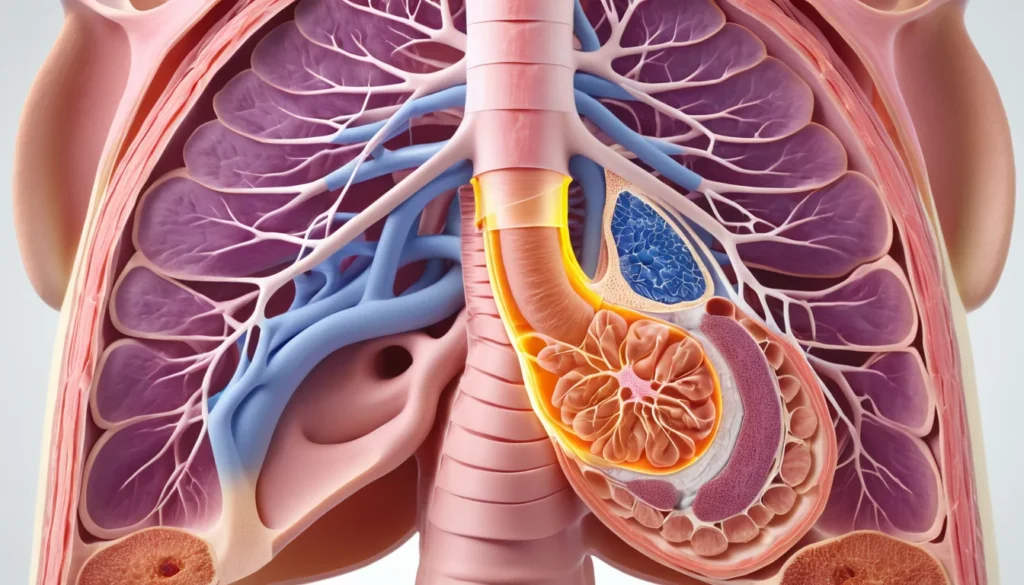
During an acute severe asthma episode, the airways become so narrow that gas exchange — the process of taking in oxygen and releasing carbon dioxide — becomes impossible. This leads to hypoxia (low oxygen) and can ultimately cause cardiac arrest. Therefore, every minute without treatment increases the risk of permanent harm or death.
For more information on how severe asthma affects the lungs, visit Healthline’s guide to status asthmaticus.
When to See a Doctor or Seek Emergency Help
If you or someone near you is having trouble breathing and a rescue inhaler is not helping, call 9-1-1 right away. Do not drive to the hospital yourself if you are the one struggling to breathe. Acute severe asthma can worsen very quickly.
Even if symptoms seem mild at first, it is always better to get checked out. In Canada, you can visit your family doctor, a walk-in clinic, or an urgent care centre for asthma concerns that are not yet an emergency. However, if symptoms are severe or worsening fast, go straight to the emergency department.
Watch for these specific warning signs that demand a 9-1-1 call immediately:
Lips or fingernails turning blue
Unable to speak in full sentences due to breathlessness
Confusion or extreme drowsiness
No improvement after using a rescue inhaler multiple times
Rapid worsening of symptoms over a short period
Most provincial health plans in Canada cover emergency asthma care, including hospitalisation and follow-up with a respiratory specialist. If you are unsure whether your symptoms qualify as an emergency, err on the side of caution — call 8-1-1 (Health Link in many provinces) for guidance from a registered nurse.
Always speak with your family doctor or a licensed healthcare provider about your personal asthma management plan. This article is for informational purposes only and does not replace professional medical advice.
Frequently Asked Questions About Acute Severe Asthma
What is the difference between a regular asthma attack and acute severe asthma?
A regular asthma attack usually responds to a rescue inhaler within minutes. Acute severe asthma, however, does not improve with standard inhaler treatments, including bronchodilators and corticosteroids. This lack of response is the key sign that the situation has become a medical emergency requiring immediate hospital care.
Can acute severe asthma be fatal?
Yes, acute severe asthma can be fatal if it is not treated quickly. The airways become so blocked that the lungs cannot exchange oxygen and carbon dioxide, which can lead to cardiac arrest. However, with prompt emergency treatment, most people recover fully.
What should I do if my inhaler stops working during an asthma attack?
If your rescue inhaler is not relieving your symptoms, call 9-1-1 immediately or have someone take you to the nearest emergency room. Do not wait to see if symptoms improve on their own. Acute severe asthma can escalate to a life-threatening situation within minutes.
What treatments are used in hospital for acute severe asthma?
Hospital treatment for acute severe asthma typically starts with nebulised bronchodilators and supplemental oxygen. If those do not work, doctors may use intravenous magnesium sulphate, heliox therapy, or inhaled anaesthetics. The goal is to open the airways and restore safe oxygen levels as quickly as possible.
What triggers acute severe asthma?
The most common trigger for acute severe asthma is an upper respiratory tract infection, such as influenza or bacterial pneumonia. Severe allergic reactions to food and infections like Chlamydia pneumoniae or herpes simplex virus can also trigger an episode. In some cases, no clear trigger is ever identified.
Is acute severe asthma covered by provincial health plans in Canada?
Yes, emergency care for acute severe asthma — including ambulance services, hospitalisation, and specialist follow-up — is covered under most provincial and territorial health plans in Canada. If you are unsure about your coverage, contact your provincial health authority or speak with your family doctor.
Key Takeaways
Acute severe asthma (status asthmaticus) is a life-threatening emergency that does not respond to standard inhaler treatments.
About 20% of asthma-related hospitalisations in Canada involve acute severe asthma.
Key warning signs include blue lips or fingernails, severe breathlessness, confusion, and a rescue inhaler that is not working.
Common triggers include respiratory infections, the flu, and severe allergic reactions.
Emergency treatment involves nebulised bronchodilators, oxygen therapy, magnesium, and in serious cases, inhaled anaesthetics or heliox.
If your inhaler stops working, call 9-1-1 immediately — do not wait.
Most provincial health plans in Canada cover emergency asthma care in full.
Always work with your family doctor or asthma specialist to keep your asthma action plan up to date.